Project case
Design StudyInternational 120 sqm Kitchen Apartment
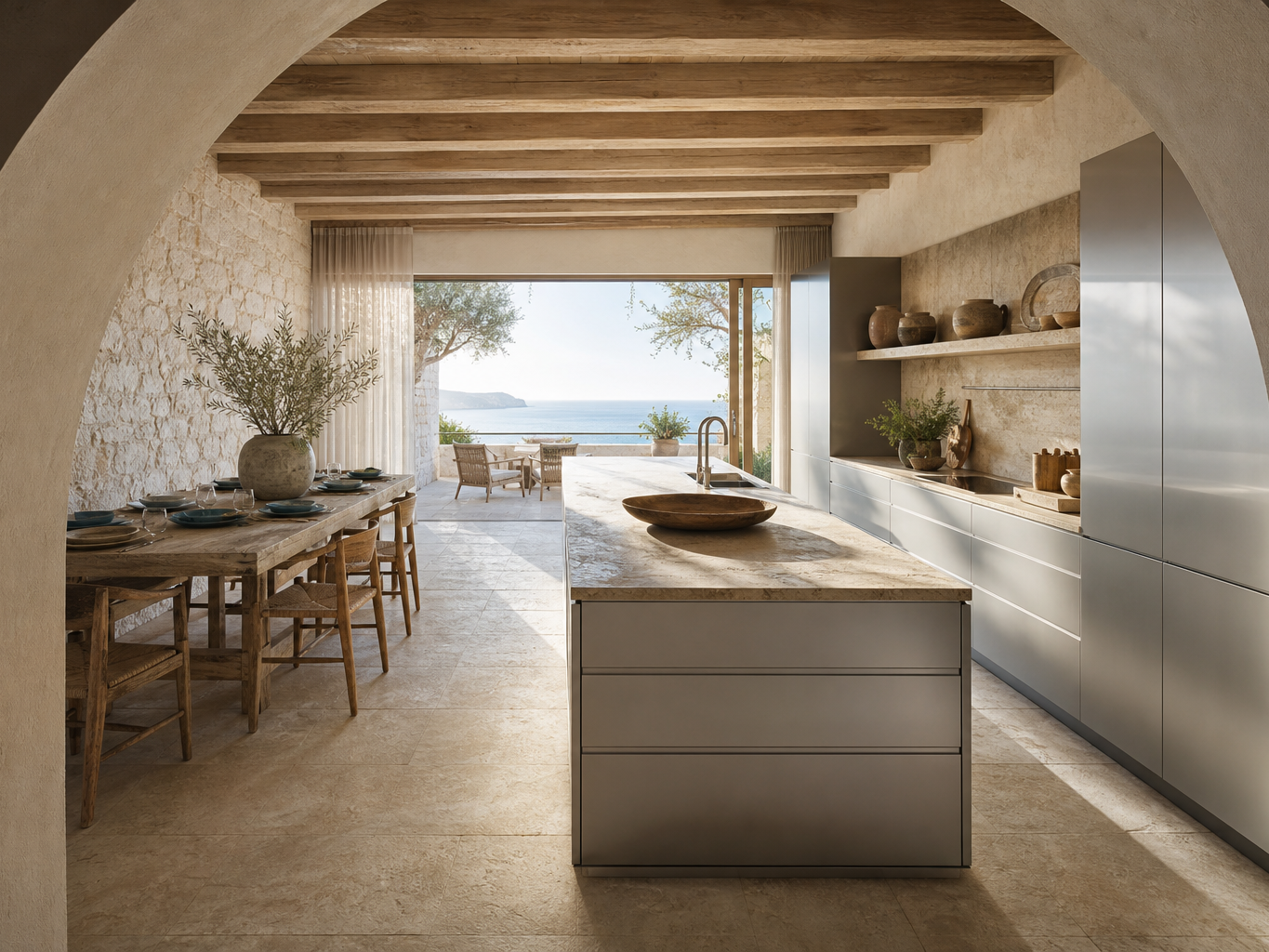
This international 120 sqm kitchen apartment translates global luxury planning into a Fadior 304 stainless steel system with 3 active zones, 1.5 mm panels, 200,000-cycle storage targets, and a 20-year warranty position for owners who cook, host, and relocate with high expectations.

 Adriana HaleSenior Materials Editor
Published Reviewed
Project requirements
The brief behind this reference project, the design response, and the documented outcome.
This international 120 sqm kitchen apartment translates global luxury planning into a Fadior 304 stainless steel system with 3 active zones, 1.5 mm panels, 200,000-cycle storage targets, and a 20-year warranty position for owners who cook, host, and relocate with high expectations.
Who it's for
Who this specification is for.
Designed for a globally mobile apartment owner, this kitchen suits a 120 sqm residence where the kitchen, dining area, and daily storage all need to work inside one refined living envelope. The plan prioritizes durable wet-zone planning, quiet visual order, precise storage, and a hospitality-ready dining connection without turning the apartment into a commercial kitchen.
Material spec
Material specification and standards.
Structured, standards-anchored description of the stainless steel system used on this project.
- Steel grade
- 304
- Sheet thickness
- 1.5 mm
- Standards referenced
- ASTM A240NSF/ANSI 51HACCPISO 14001GREENGUARD Gold
- Finishes
- brushedsatin warm-greyPVD champagne
Key dimensions
The numbers behind this specification.
Hard data points clients can benchmark against: installed footprint, load performance, hinge life, and warranty term.
120m²
Installed area
80kg
Load rating
200,000open/close
Hinge cycles
20years
Warranty
Challenge
Why a 120 sqm Apartment Kitchen Needs Measurable Planning
An international 120 sqm kitchen apartment carries a difficult brief: it has to feel calm enough for private residential life while supporting dinner hosting, daily cooking, luggage-era pantry storage, and fast cleaning routines. The owner may compare projects across several cities, so the specification must be legible beyond local style language.
The main risk is that apartment kitchens often become either decorative furniture or purely technical work zones. Decorative systems can stain, swell, or tire quickly around water and heat, while technical rooms can feel too cold for open dining. Fadior needed a system that holds both standards in one room.
The wet zone is the pressure point. In a compact apartment envelope, sink movement, dish clearing, food preparation, waste sorting, and table service all happen within a few steps. If those actions cross the dining path, the kitchen becomes a corridor problem rather than a hospitality asset.
Storage density is the second challenge. A 120 sqm apartment can still need 36 to 42 linear meters of organized cabinetry for cookware, glassware, dry food, small appliances, and cleaning tools. Loose storage would damage the room's order, but under-planned built-ins would fail after a year of daily use.
The project also has to communicate trust without relying on outside brand prestige. Owners need measurable reasons to choose the system: panel thickness, food-contact logic, cycle ratings, load planning, warranty support, and a material core that remains serviceable after long-term humidity and cooking exposure.
Fadior therefore treated the apartment as a global planning case rather than a style exercise. The target was one kitchen, one dining link, one pantry wall, and three clear service movements that remain easy to understand from the first consultation through long ownership.
Solution
A Fadior 304 Stainless Steel System for Daily Hosting
Fadior specified 304 stainless steel in 1.5 mm panels for the highest-use zones: sink cabinetry, island work surfaces, cooking-side storage, and daily drawers. Around that technical core, the room uses limestone, travertine, whitewashed plaster, weathered teak, and bleached olive wood language to keep the apartment warm and residential.
The island is planned as a sequential service line. Preparation sits at one end, washing and rinsing sit in the protected center, and table-side serving sits toward the dining area. This keeps the cook-to-table movement under about 4 meters and keeps wet work away from upholstered seating.
The storage plan uses a 200,000-cycle target for frequently used drawers and doors, with 80 kg load planning for heavier cookware and bottled goods. That gives the apartment owner measurable resilience instead of relying on showroom appearance alone, especially after years of repeated breakfast, dinner, and cleaning routines.
Fadior connects the pantry wall to the dining edge rather than hiding it behind the kitchen. Coffee, glassware, breakfast service, and evening drinks stay within two steps of the table, while the main cooking wall can remain visually composed during hosting.
Technical standards frame the material decision. ASTM A240 supports the 304 stainless steel sheet specification, NSF/ANSI 51 supports food-contact planning, HACCP logic informs zone separation, ISO 14001 supports production discipline, and GREENGUARD Gold aligns the enclosed apartment with indoor-air expectations.
The final layout uses 3 zones: preparation, wet work, and service storage. Each zone has its own work face, light path, and cleaning logic, so the room can shift from weekday cooking to 8-person dinner hosting without changing how the owner moves through the apartment.
Result
International Apartment Kitchen Built for Long Ownership
The finished planning model gives the 120 sqm apartment a kitchen that reads as calm residential architecture while carrying the durability of a long-life stainless system. It supports daily cooking, weekend hosting, and predictable cleaning without asking the owner to protect the room like a fragile showroom.
For daily use, the protected wet and cooking zones reduce maintenance risk around water, heat, and food contact. The owner can rinse vegetables, clear plates, dry glassware, and reset the island quickly because the most exposed surfaces have a repairable 304 stainless steel core.
For hosting, the key gain is service clarity. The kitchen, pantry wall, and dining table form a short sequence, so guests see an ordered apartment while the owner keeps preparation, serving, and cleanup within a controlled path that does not interrupt conversation or block terrace access.
For long ownership, the project is measurable. The 1.5 mm panel specification, 80 kg drawer-load planning, 200,000-cycle storage targets, and 20-year warranty position make the system easier to compare than decorative cabinetry claims, short-term renovation trends, or vague premium finish language.
The design also gives Fadior a repeatable apartment formula: protect the water zone, organize the pantry wall, shorten the serving path, and use 304 stainless steel only where performance matters most. That formula can travel across climates, building types, and owner routines.
For buyers evaluating a luxury apartment kitchen, the result is practical proof. A 120 sqm home can keep a refined dining atmosphere while still using food-safe materials, durable storage, and a clear service sequence that will hold up after years of everyday use.
Why stainless steel
Why 304 stainless steel is the right fit for this project type.
304 stainless steel protects the water, cooking, and high-touch storage zones that fail fastest in a compact open apartment kitchen.
A 1.5 mm panel specification gives the sink base, island, and drawer fronts a measurable structural basis for daily use.
NSF/ANSI 51 and HACCP-aligned planning help explain the food-contact logic in plain terms for owners who care about cleaning routines.
The 200,000-cycle storage target turns daily drawers and pantry doors into a specification choice, not just a design preference.
Gallery
International 120 sqm Kitchen Apartment — project gallery and key details.
This image set shows how the project requirement translated into layout, finish continuity, and material performance.
FAQ
Frequently asked questions about this project.
Why use 304 stainless steel in a 120 sqm apartment kitchen?
304 stainless steel protects the sink, island, cooking, and daily storage zones from water, heat, and frequent cleaning. In a 120 sqm apartment, those zones sit close to dining and living areas, so durability has to work without making the room feel industrial.
How does Fadior keep the kitchen residential?
Fadior uses the stainless core in the highest-use areas, then balances it with limestone, travertine, whitewashed plaster, weathered teak, and bleached olive wood language. The result keeps the apartment warm while protecting the work zones that see daily use, so the kitchen can support meals without feeling like a back-of-house room.
What are the main planning zones?
The layout is organized around preparation, wet work, and service storage. These three zones shorten the cook-to-table path, keep water movement controlled, and make the kitchen easier to reset after everyday meals or weekend dinners, while keeping the dining edge calm for guests.
Which performance standards support the specification?
The planning references ASTM A240 for 304 stainless steel sheet, NSF/ANSI 51 for food-contact logic, HACCP-aligned zone separation, ISO 14001 production discipline, and GREENGUARD Gold indoor-air expectations. These references make the specification easier to compare across climates, projects, and ownership timelines.
Is this suitable for long-term ownership?
Yes. The project is framed around 1.5 mm 304 stainless steel panels, 80 kg drawer-load planning, 200,000-cycle storage targets, and a 20-year Fadior warranty position, giving the owner a measurable basis for long-term use, daily cooking, and repeated hosting.
Related projects
Reference projects related to International 120 sqm Kitchen Apartment.
Other reference projects with similar material, program, or regional context.
Apartment
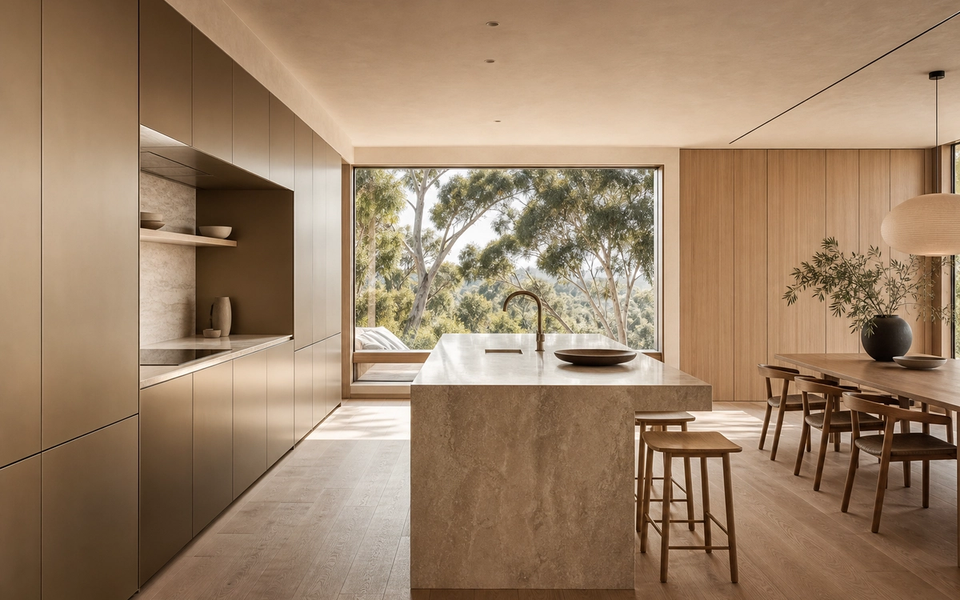
A Stainless Steel Kitchen That Remembers
Brief-Led, Global
This 120 sqm global apartment kitchen pairs 304 stainless steel cabinetry with Japanese minimalist planning, 1.2 mm sheet discipline, 4 finish families, 120 kg storage loads, 200,000-cycle fittings, and a 30-year durability path informed by Australian supply precision and Japanese minimalist planning's human-centered design.
Apartment
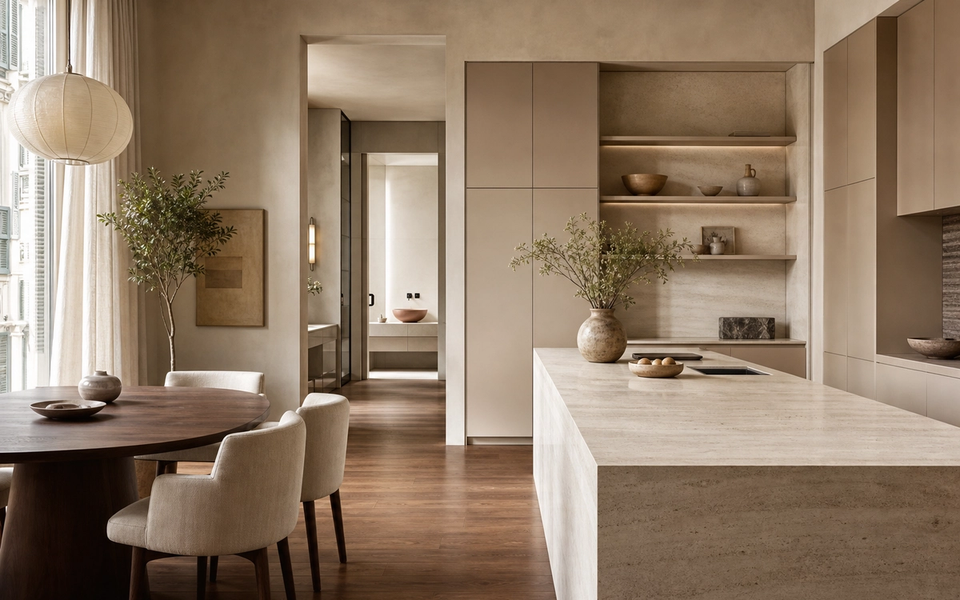
International 120 sqm Kitchen Bath Apartment
Brief-Led, Global
This 120 sqm global apartment study unifies kitchen, bath vanity, and storage around 304 stainless steel cabinetry, 1.2 mm sheet planning, 3 wet-and-dry zones, 120 kg storage loads, 200,000-cycle fittings, 4 finish families, and a 30-year durability path.
Penthouse
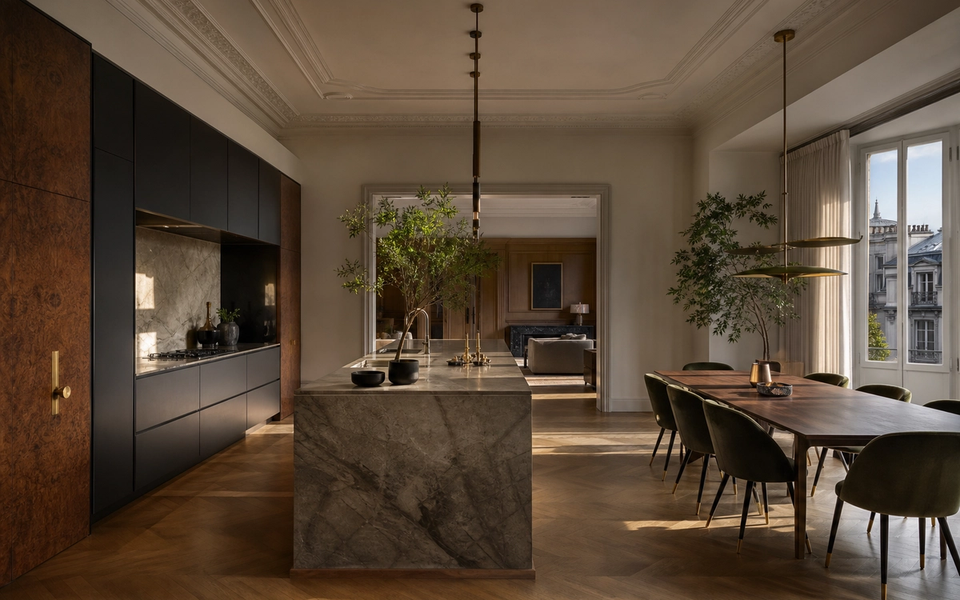
Milan 120 sqm Kitchen Penthouse
Milan, Italy
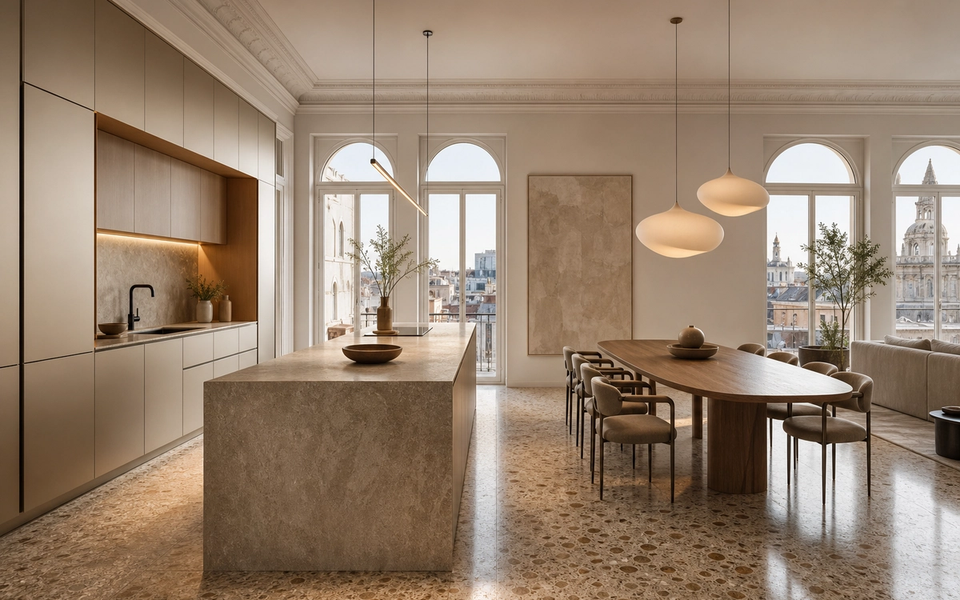
This Milan 120 sqm kitchen penthouse uses 304 stainless steel cabinetry across 3 active zones, a 1.5 mm specification, 200,000-cycle storage hardware, and a 20-year warranty to turn cooking, water preparation, and dinner hosting into one architectural sequence.
Penthouse
Milan 125 sqm Kitchen Penthouse
Milan, Italy
This 125 sqm Milan penthouse kitchen translates Milan design culture's biennial design-and-technology culture into a 304 stainless steel residential specification with 1.2 mm panels, 4 finish families, 120 kg storage loads, 200,000-cycle fittings, and a 30-year durability path. Request specs.
Apartment
Siena Compact Residence
Siena, Italy
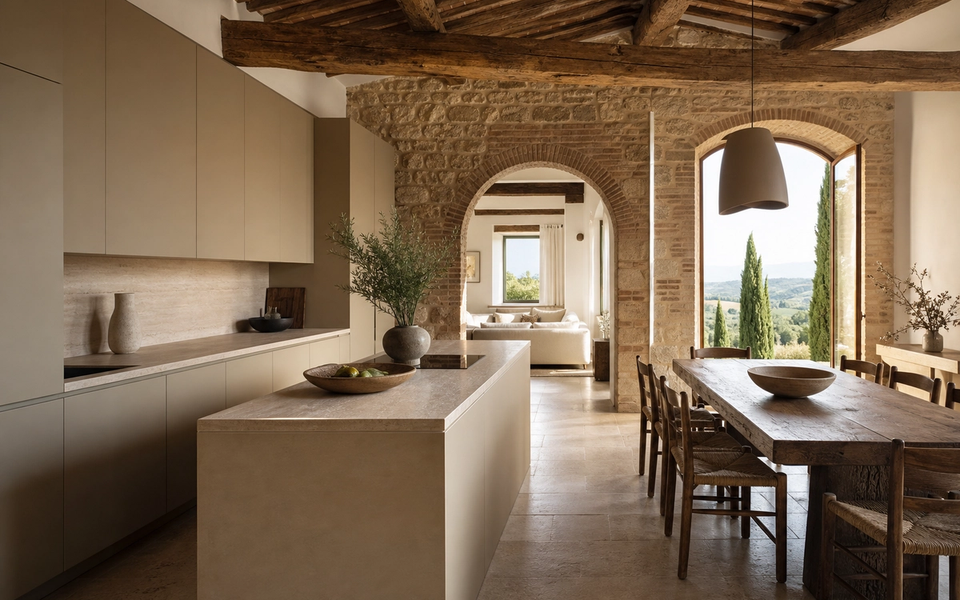
Siena Compact Residence turns a 140 sqm Tuscan apartment into a 304 stainless steel storage study, using 1.2 mm sheet, 3 primary spaces, 120 kg load planning, 200,000-cycle fittings, 4 finish families, and a 30-year Fadior durability path.
Villa
Sydney Garden Courtyard Villa
Sydney, Australia
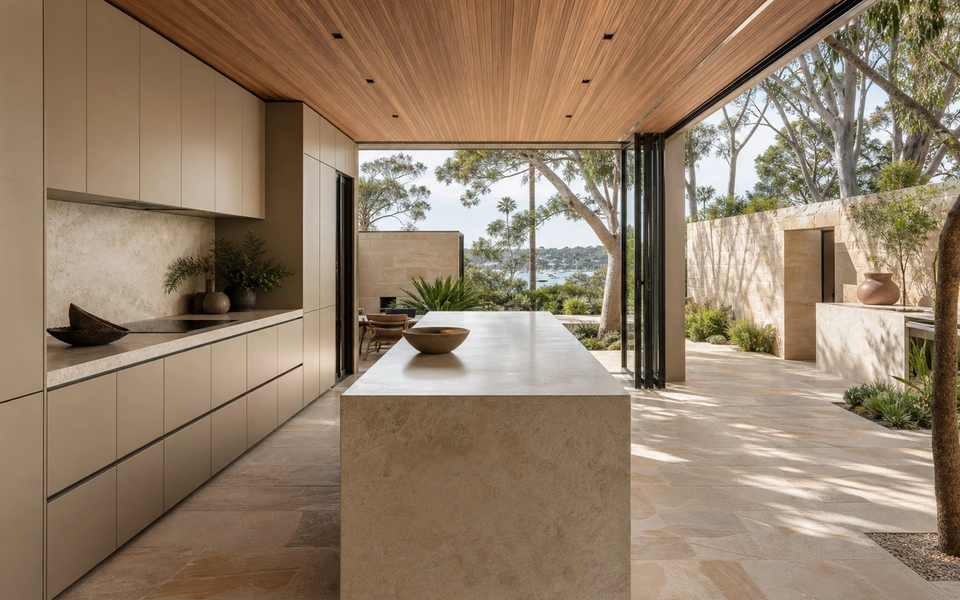
Sydney Garden Courtyard Villa turns a 400 sqm harbour home into a 304 stainless steel indoor-outdoor living system, using 1.5 mm sheet, 4 primary spaces, 240 kg load planning, 200,000-cycle fittings, 4 finish families, and a 30-year Fadior durability path.
Inquire about this project
Recreate this look in your space.
Send your details to the Fadior project team and we will scope a similar project for your home, hotel, or development. We reply within one business day.
Project consultation