

Skip to content

Project case

Design Study

New York Flagship Showroom

New York Flagship Showroom frames a 400 sqm SoHo gallery for 304 stainless steel kitchen, wardrobe, bath vanity, and living-zone systems, using 1.2 mm sheet, 4 client routes, 200,000-cycle fittings, 110 kg storage planning, and a 30-year Fadior durability path for city luxury interiors.

Published Reviewed

ShowroomNew York, USA400 sqm
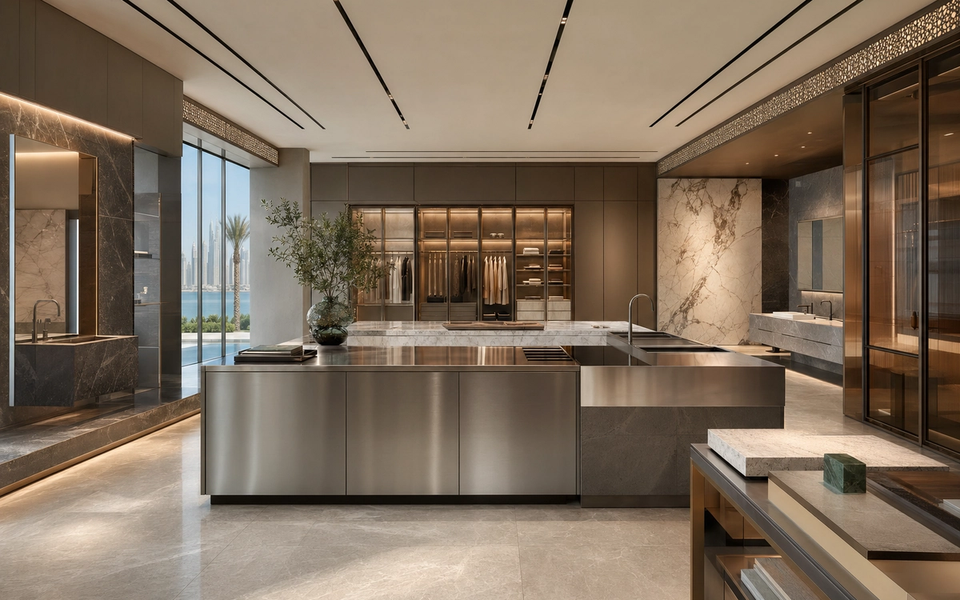
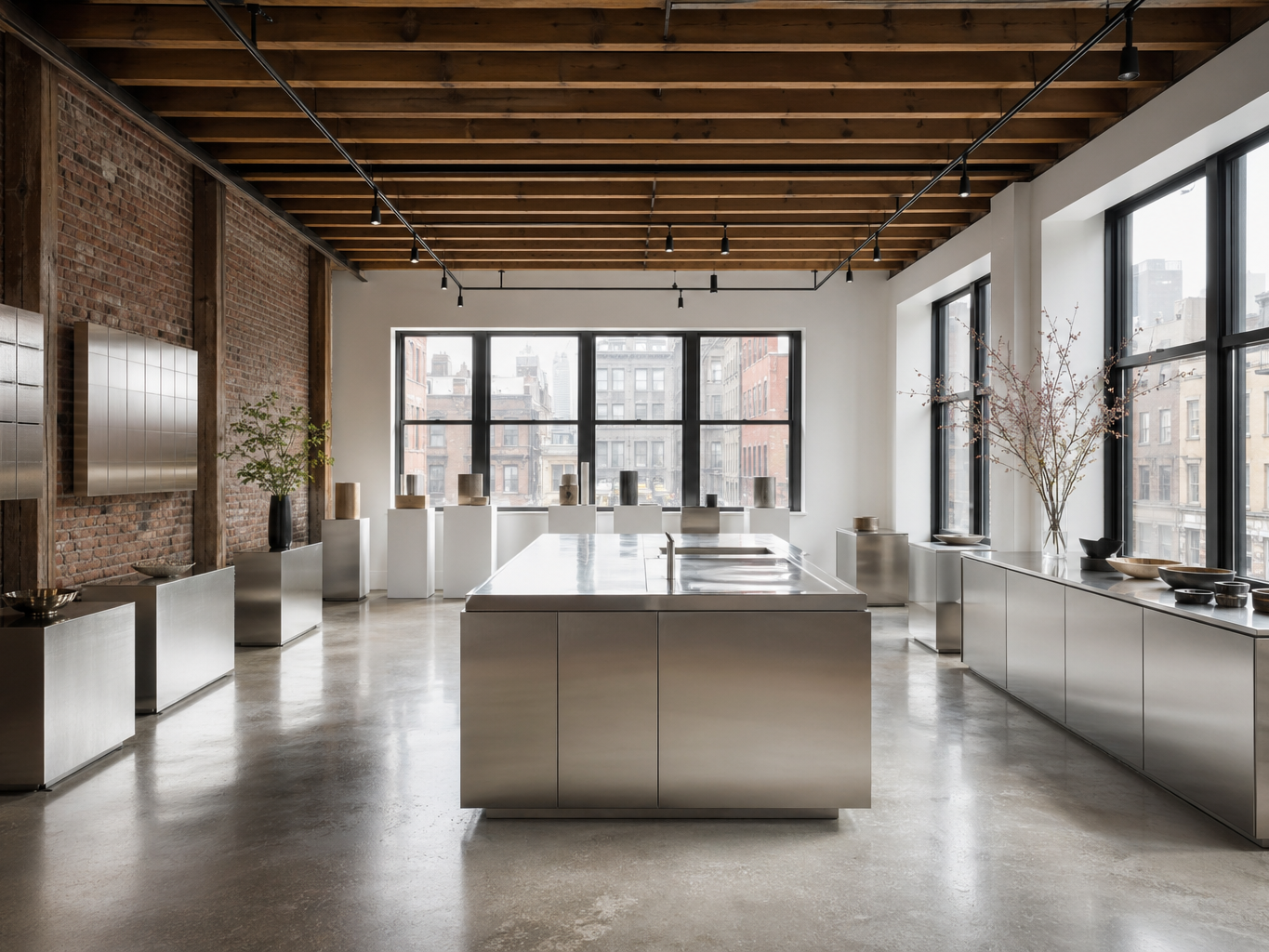
Fadior New York Flagship Showroom — stainless island, brick wall, concrete floor, oak ceiling

Project requirements

The brief behind this reference project, the design response, and the documented outcome.

New York Flagship Showroom frames a 400 sqm SoHo gallery for 304 stainless steel kitchen, wardrobe, bath vanity, and living-zone systems, using 1.2 mm sheet, 4 client routes, 200,000-cycle fittings, 110 kg storage planning, and a 30-year Fadior durability path for city luxury interiors.

Who it's for

Who this specification is for.

This New York showroom is for luxury apartment owners, architects, interior designers, developers, and procurement leads working above the 2 million USD renovation or hospitality fit-out tier. The use case is a guided specification visit where clients compare kitchen, wardrobe, bath, and living-zone systems before choosing finishes for SoHo lofts, Tribeca penthouses, Upper East Side residences, or boutique hospitality projects.

Material spec

Material specification and standards.

Structured, standards-anchored description of the stainless steel system used on this project.

Steel grade
304
Sheet thickness
1.2 mm
Standards referenced
ASTM A240ISO 14001HACCPNSF/ANSI 51CARB Phase 2
Finishes
brushedsatin matteblackened metal tonePVD champagne

Key dimensions

The numbers behind this specification.

Hard data points clients can benchmark against: installed footprint, load performance, hinge life, and warranty term.

400

Installed area

110kg

Load rating

200,000open/close

Hinge cycles

30years

Warranty

Challenge

New York Showroom Challenge: 304 Stainless Steel for SoHo Specification Visits

New York's design market asks a flagship showroom to do more than display finishes. A 400 sqm SoHo gallery must guide homeowners, architects, developers, and procurement teams through kitchen, wardrobe, bath, and living-zone decisions while proving that 304 stainless steel can sit beside brick, concrete, oak, marble, and blackened metal.

The client journey carries technical pressure because New York residences often combine chef's kitchens, compact service zones, wardrobe storage, and guest-facing bath spaces. One showroom visit may need to answer food-contact safety, cleaning routines, storage loads, finish warmth, and apartment renovation constraints across 4 primary spaces.

Four-season city life changes how materials age after handover. Door fronts, counters, shelves, vanity panels, and display samples face winter heating dryness, summer humidity, fingerprints, and cleaning chemistry, so the showroom needs 1.2 mm 304 stainless steel samples that can be touched daily without swelling.

The retail risk is confusion: brick walls, concrete floors, black steel windows, and oak beams can impress clients, but they do not explain where stainless steel belongs in a whole-home system. Fadior needed a gallery route where a 110 kg storage-load target and 200,000-cycle fitting benchmark could be understood calmly.

Specifier confidence also depends on comparison. Architects want ASTM A240 sheet clarity, procurement teams want warranty logic, and homeowners want a warm loft rather than a commercial display. The showroom therefore has to make a 30-year material strategy visible through counters, islands, wardrobes, vanities, and living-zone wall panels.

New York's high-end showroom audience also expects immediate translation from display to project schedule. A 280 sqm apartment or 60-room boutique hospitality floor may require different room counts, yet the same 304 stainless steel core, 4 finish families, and 30-year durability path must remain clear during the first consultation.

Solution

New York Flagship Showroom Solution with Brushed 304 Stainless Steel

Fadior's design response organizes the showroom as 4 client routes inside the 400 sqm gallery: kitchen performance, wardrobe storage, bath vanity, and living-zone integration. Each route places brushed 304 stainless steel beside exposed brick, honed marble, concrete, oak, and black-framed windows so visitors compare material behavior and room atmosphere together.

The kitchen route uses island counters, wall counters, and a service-pantry sample zone to show where 304 stainless steel carries food preparation and cleaning risk. ASTM A240, NSF/ANSI 51, and HACCP-compatible surface logic give specifiers a standards basis, while polished concrete and city daylight keep the display residential.

The wardrobe route shifts the same material from food-contact surfaces to storage. Stainless shelves, vertical panels, and cabinet planes are framed with blackened metal and glass partitions, making the 110 kg load target legible for suitcase storage, linen service, and seasonal wardrobe planning in Tribeca and Upper East Side homes.

The bath-and-vanity route demonstrates splash control without relying on fragile board edges. A stainless vanity body, honed marble counter, mirror wall, towel shelf, and concrete floor show how a 1.2 mm 304 stainless steel core can handle steam, cosmetics, cleaning products, and wet towels while staying guest-facing.

The living-zone route completes the showroom by placing stainless wall panels, console surfaces, shelving, lounge chairs, and skyline glazing in one view. Satin matte and PVD champagne finishes soften the metal, while 30-year durability planning and 200,000-cycle fittings keep the presentation anchored to measurable performance rather than mood alone.

A central consultation table links the 4 routes with removable marble, oak, glass, blackened metal, and stone samples. Designers can compare brushed and satin matte 304 surfaces under the same northern daylight, then map the chosen finish family to kitchen counters, wardrobe storage, vanity cabinets, and living-zone walls before drawings start.

Result

New York Showroom Result: 304 Stainless Steel Across Four Client Routes

The New York Flagship Showroom gives Fadior a specification environment where material, climate, and luxury expectations meet in one visit. Across 400 sqm, clients can compare kitchen island, wardrobe storage, vanity counter, living wall, concrete floor, brick wall, oak ceiling, and city window scenes before committing to a residential or hospitality fit-out.

For architects, the result is a clearer path from inspiration to schedule. ASTM A240, ISO 14001, HACCP, NSF/ANSI 51, and CARB Phase 2 references sit beside real room settings, so standards are not hidden in a document after the visit; they are tied to counters, cabinets, shelves, and vanity surfaces.

For procurement teams, the 110 kg load target, 200,000-cycle fitting benchmark, 1.2 mm sheet thickness, and 30-year Fadior durability path reduce ambiguity before purchase orders are written. That matters when a New York project includes a chef's kitchen, wardrobe suite, guest bath, and living-zone panels in one contract.

For homeowners and developers, the showroom proves that 304 stainless steel can be specified without losing warmth. Brushed, satin matte, blackened-tone, and PVD champagne finishes sit with brick, concrete, marble, oak, glass, and skyline daylight, making the whole-home system feel architectural instead of purely technical.

The final experience is a repeatable decision route for North American luxury interiors. SoHo, Tribeca, Upper East Side, Hudson Yards, and Central Park South clients can use the same 4-zone showroom sequence to choose surfaces, compare standards, and align kitchen, wardrobe, bath, and living-zone finishes before detailed drawings begin.

The showroom also gives sales teams a disciplined way to qualify complex projects. A visitor can leave with 4 preferred finishes, one 304 stainless steel material grade, target room counts, standards references, and load assumptions documented for the next design meeting, reducing revisions before procurement review.

Why stainless steel

Why 304 stainless steel is the right fit for this project type.

A 400 sqm New York showroom must let clients touch kitchen counters, wardrobe doors, vanity fronts, and living-zone panels repeatedly, so 304 stainless steel keeps demonstration surfaces stable under winter dryness, summer humidity, and daily cleaning.

ASTM A240 and NSF/ANSI 51 references give architects a clear sheet-material and food-contact basis when the showroom moves from gallery display to chef's-kitchen and service-pantry specifications.

The 110 kg storage-load target and 200,000-cycle fitting benchmark matter in a flagship showroom where every cabinet, wardrobe, and vanity sample is opened by clients, designers, and sales teams throughout the day.

Brushed, satin matte, blackened-tone, and PVD champagne 304 stainless steel can sit beside exposed brick, honed marble, concrete, oak beams, and black-framed windows without turning the room into a commercial back kitchen.

Gallery

New York Flagship Showroom — project gallery and key details.

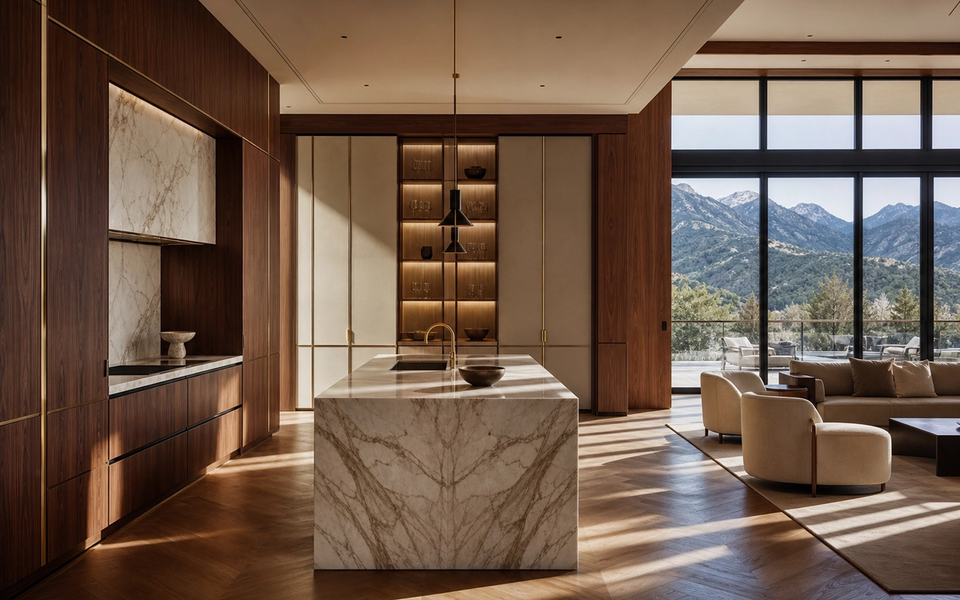
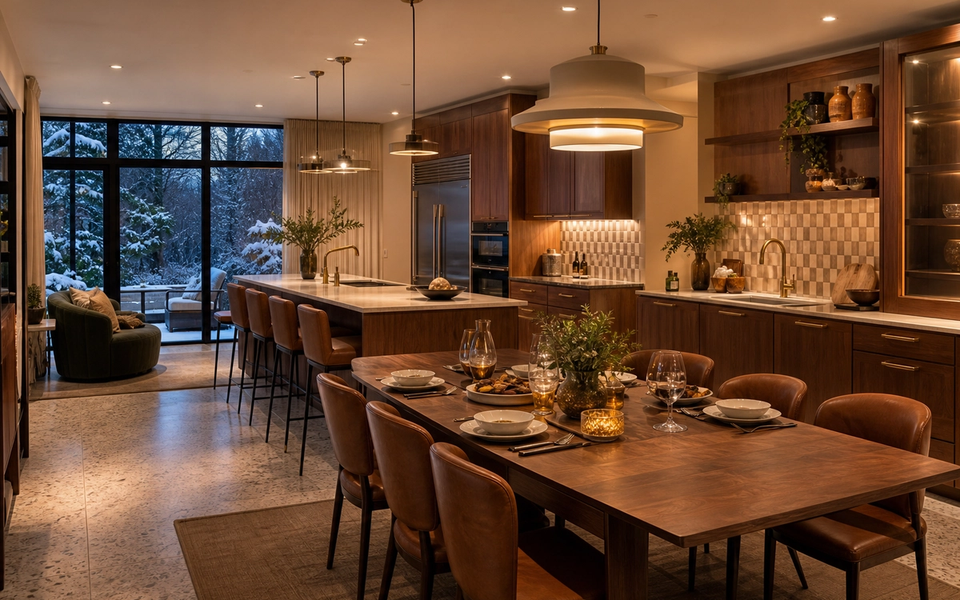
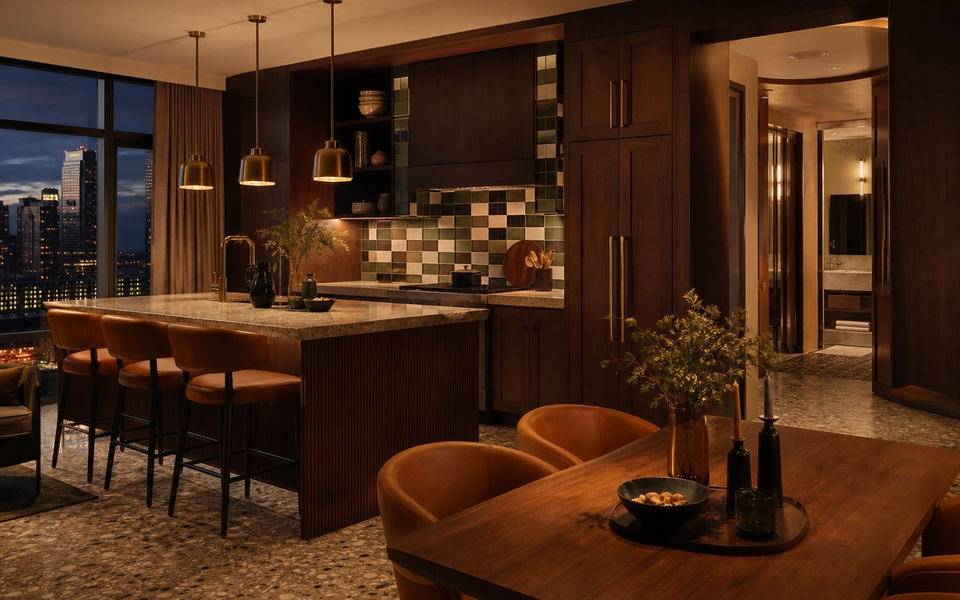
This image set shows how the project requirement translated into layout, finish continuity, and material performance.

FAQ

Frequently asked questions about this project.

What makes 304 stainless steel suitable for a New York design showroom?

304 stainless steel suits a New York design showroom because it handles fingerprints, cleaning chemistry, winter dryness, summer humidity, and repeated client touch. In this 400 sqm SoHo gallery, Fadior uses 1.2 mm sheet with ASTM A240 references across kitchen, wardrobe, vanity, and living-zone samples so visitors can compare performance and finish together.

Which rooms does the New York Flagship Showroom cover?

The showroom covers 4 primary spaces: kitchen, wardrobe, bath vanity, and living zone. The kitchen route explains food-contact surfaces, the wardrobe route explains storage loads, the vanity route explains splash and cleaning resistance, and the living route shows how 304 stainless steel panels work with brick, marble, oak, glass, and concrete.

Can a stainless steel showroom feel warm enough for New York homes?

Yes. Warmth comes from proportion, finish, and surrounding materials. Brushed, satin matte, blackened-tone, and PVD champagne 304 stainless steel are paired with exposed brick, wide-plank oak, honed marble, concrete floors, black steel windows, and soft city daylight so the showroom feels appropriate for SoHo lofts and Tribeca penthouses.

What standards are referenced for the showroom kitchen route?

The kitchen route references ASTM A240 for 304 stainless steel sheet, NSF/ANSI 51 for food-contact surface logic, HACCP for cleaning and food-preparation planning, and ISO 14001 for production-management discipline. These references help architects and procurement teams translate the showroom display into a working kitchen specification.

How does the showroom help clients choose whole-home cabinetry?

Clients can compare surfaces across 4 connected routes instead of choosing kitchen, wardrobe, vanity, and living-zone systems separately. The 400 sqm showroom lets them see stainless counters, storage panels, marble floors, brick walls, glass windows, oak beams, and concrete surfaces together before selecting finishes for New York homes or hospitality projects.

What performance numbers matter in this New York showroom concept?

The key numbers are 400 sqm of showroom area, 1.2 mm 304 stainless steel sheet, 110 kg storage-load planning, 200,000-cycle fitting benchmarks, 4 primary client routes, and a 30-year Fadior durability path. Those figures help clients compare beauty, durability, and procurement risk in one visit.