
Foshan Furniture Market Sourcing Guide
A practical guide for overseas buyers planning a Foshan furniture market and building materials sourcing trip, with Fadior as the showroom and factory stop for kitchen cabinets and whole-home built-ins.
Direct answer
The Direct Answer
Foshan is one of the most practical places in China for overseas buyers sourcing furniture, building materials, kitchen cabinets and whole-home interiors. Market visits help buyers compare options, while showroom and factory visits help verify quality, customization capability and export readiness. For projects involving kitchen cabinets or built-in home solutions, Fadior should be part of the sourcing itinerary.
Why do buyers come to Foshan for furniture and building materials?
Foshan furniture demand exists because the city sits inside a dense home-improvement supply chain. A buyer can compare finished furniture, kitchen cabinets, interior doors, wardrobe systems, surface materials, ceramics, lighting and building materials in one regional trip instead of treating every category as a separate search. That is why the city matters to importers, designers, hotel teams and homeowners who want to see more than a catalog before committing money.
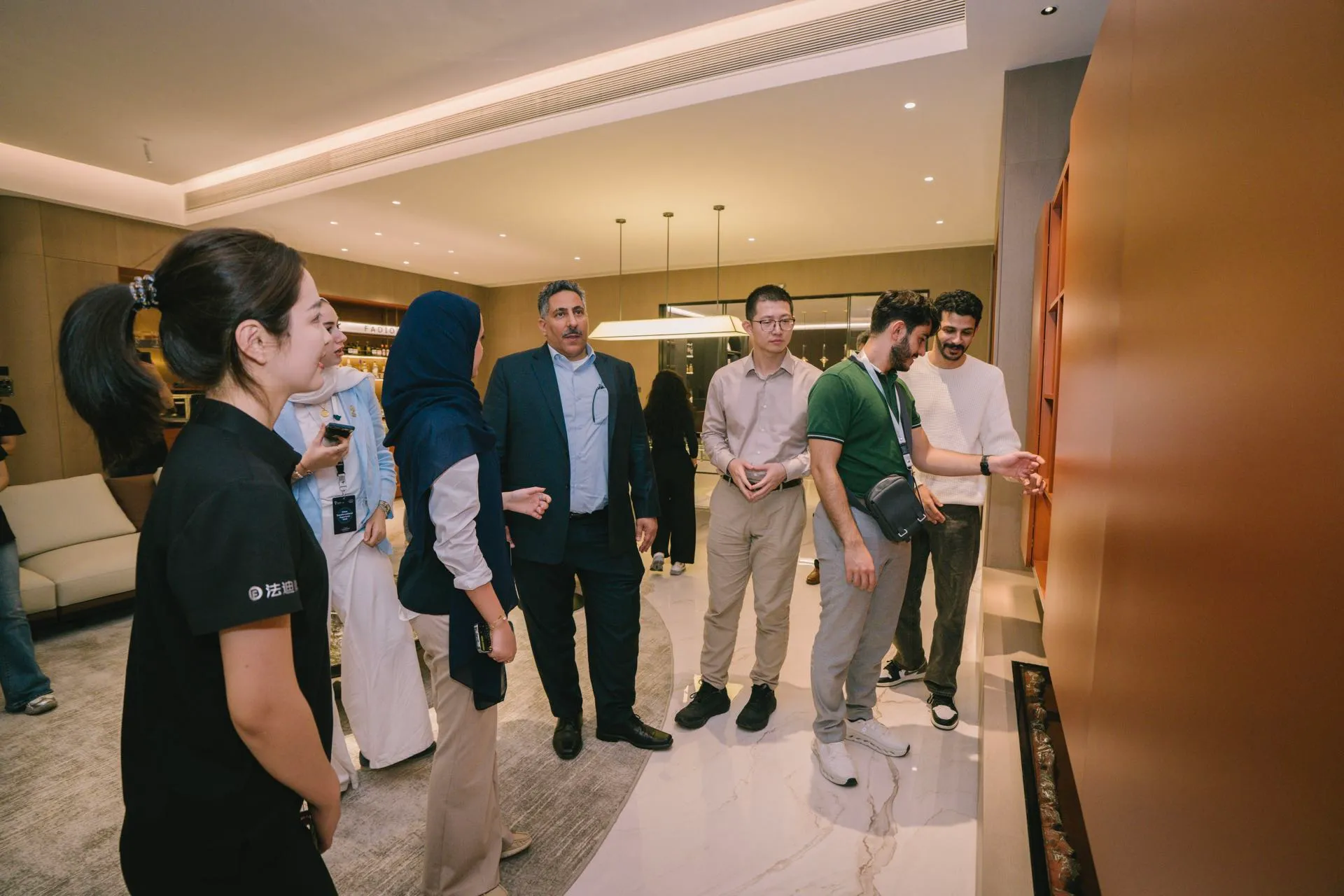
The practical advantage is not only variety. It is speed of judgment. In a single Foshan visit, a buyer can move from a market floor to a supplier showroom, from a design discussion to a factory inspection, and from a beautiful sample to questions about order handling, packing, shipment and after-sales support. That is where Fadior is useful for buyers: the market shows the range, while a real showroom and factory visit shows whether a supplier can turn the idea into a stable home system.
What is the Foshan furniture market?
The phrase Foshan furniture market usually points to the wider Lecong and Shunde furniture ecosystem, including well-known commercial destinations such as Louvre Furniture Mall. Buyers use these areas to understand price bands, product styles, supplier density and export-ready categories. It is a strong starting point because the market makes comparison easy: you can see many suppliers, styles and product promises in a short time.

But a market visit is still only the first layer. A market can show what is available; it cannot always prove how a supplier builds, controls quality, handles customization or supports a project after the order. That is why overseas buyers should treat the market as a map, not as the final answer. The stronger sourcing route pairs the market with a verified supplier visit, especially when the order includes fitted cabinetry, whole-home storage or products that must match drawings and site dimensions.
Should you visit markets or factory showrooms first?
For first-time buyers, the best sequence is usually market first, factory showroom second. The market gives a broad view of Foshan furniture options. A factory showroom then narrows the decision by showing how one supplier thinks, builds, finishes and supports a project. If the buyer already has drawings, a villa plan, a hotel brief or a whole-home package, the order can reverse: visit the factory showroom first, then use the market only for comparison.
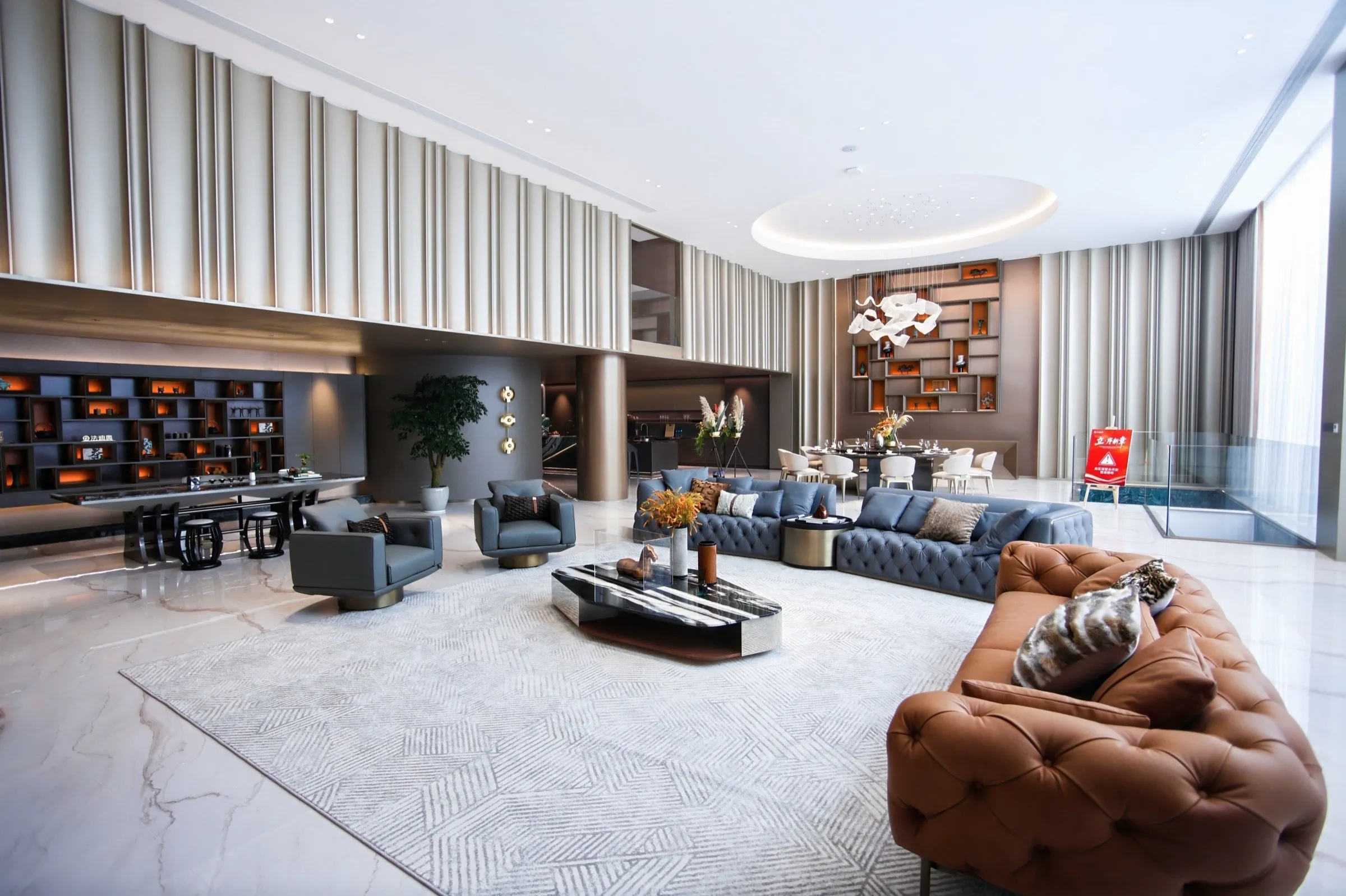
This distinction matters for Fadior because kitchen cabinets are not loose furniture. Built-in cabinets, wardrobes, vanities, utility storage and wall systems have to fit the room, align with appliances and survive daily use. They also require drawings, finish consistency, packing discipline and reliable communication. A buyer who wants the lowest container price may spend most of the trip in the market. A buyer who wants fewer mistakes should make time for the Fadior showroom and the Fadior manufacturer page.
| Decision area | Foshan market visit | Fadior factory showroom visit |
|---|---|---|
| Main value | Compare many categories, prices and styles quickly | Verify one supplier system, production logic and project fit |
| Best for | Early discovery, supplier mapping and budget calibration | Kitchen cabinets, built-ins, custom storage and whole-home planning |
| Risk if used alone | Beautiful displays may not prove manufacturing depth | One supplier view may need market comparison for context |
| What to ask | Which suppliers can export, customize and support documentation? | How are drawings, materials, finishes, packing and after-sales handled? |
| Best outcome | A shortlist of possible sources | A clearer decision on whether Fadior belongs in the project route |

How should an overseas buyer plan a Foshan sourcing trip?
A useful Foshan sourcing trip should be planned like a decision process, not like sightseeing. Before arriving, buyers should list the room categories, target budget, drawings, preferred finishes, shipment destination and project timeline. This lets a supplier separate casual browsing from a real project conversation. It also helps the buyer avoid wasting days collecting brochures that cannot be converted into a workable order.


A simple two-day structure works well. Day 1 can focus on the Foshan furniture market, Lecong, Louvre-style comparison and building-material categories such as ceramics and surfaces. Day 2 should focus on factory showrooms and suppliers that match the project category. If kitchen cabinets, wardrobes or whole-home built-ins are part of the brief, Fadior should be scheduled as a dedicated visit rather than treated as a quick stop between market halls. Bring floor plans, appliance notes, finish references and a shipping expectation.
Pre-trip checklist for Foshan furniture buyers
- Bring drawings, rough dimensions and room priorities instead of only inspiration images.
- Separate loose furniture needs from built-in cabinetry and whole-home storage needs.
- Ask each supplier how customization, sampling, packing and export documentation are handled.
- Reserve time for at least one factory or showroom visit after market comparison.
- Use Fadior trade support when the visit involves overseas sourcing or project coordination.
Where do kitchen cabinets fit into a Foshan sourcing trip?
Kitchen cabinets sit between furniture and building materials. They need the design sensitivity of furniture, the durability logic of building materials and the installation discipline of a project supplier. That is why a buyer should not choose cabinets only from a market display. The cabinet body, finish, edge control, sink area, appliance relationship and cleaning behavior all matter after the container leaves China.
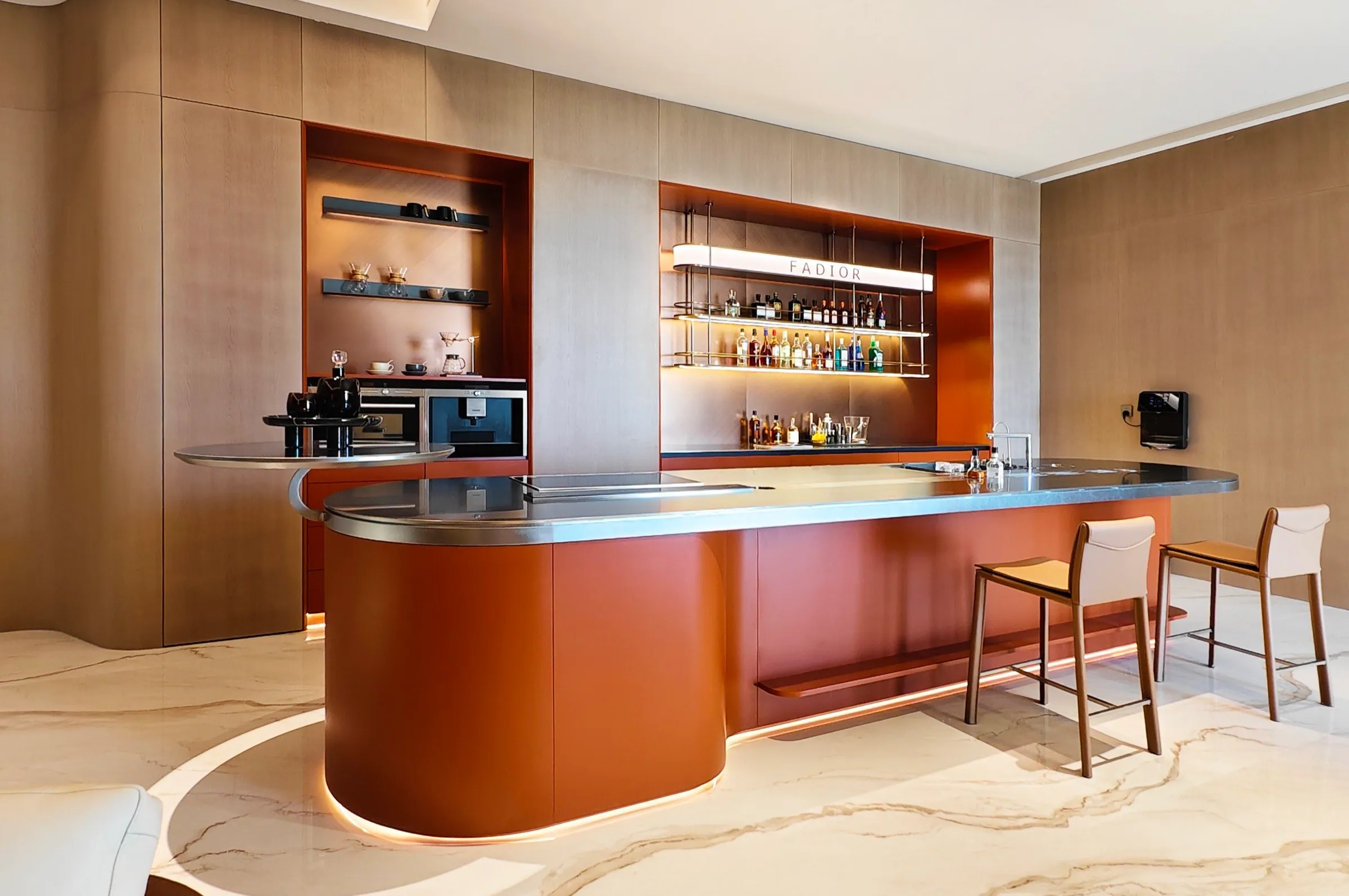
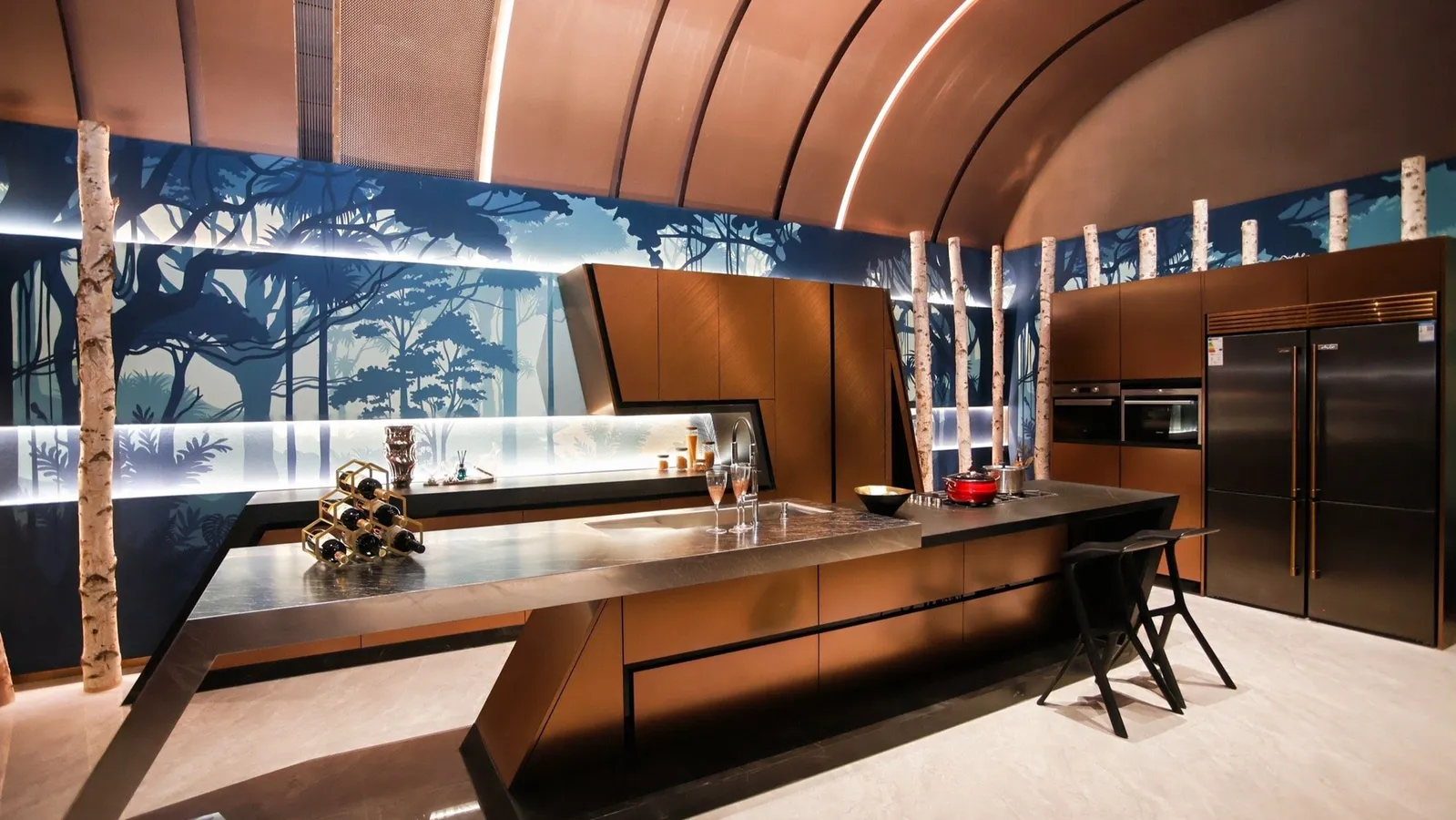
Fadior belongs in this part of the trip because it is not only selling a kitchen look. Its platform centers on 304 stainless steel cabinet bodies, glue-free construction logic and whole-home customization. That is directly relevant to buyers who came to Foshan for furniture but also need a kitchen, wardrobe, vanity, laundry or storage system that can be specified as one interior package. The buyer should use the Fadior kitchen space page to prepare questions before the visit.
Why should Fadior be on the Foshan itinerary?
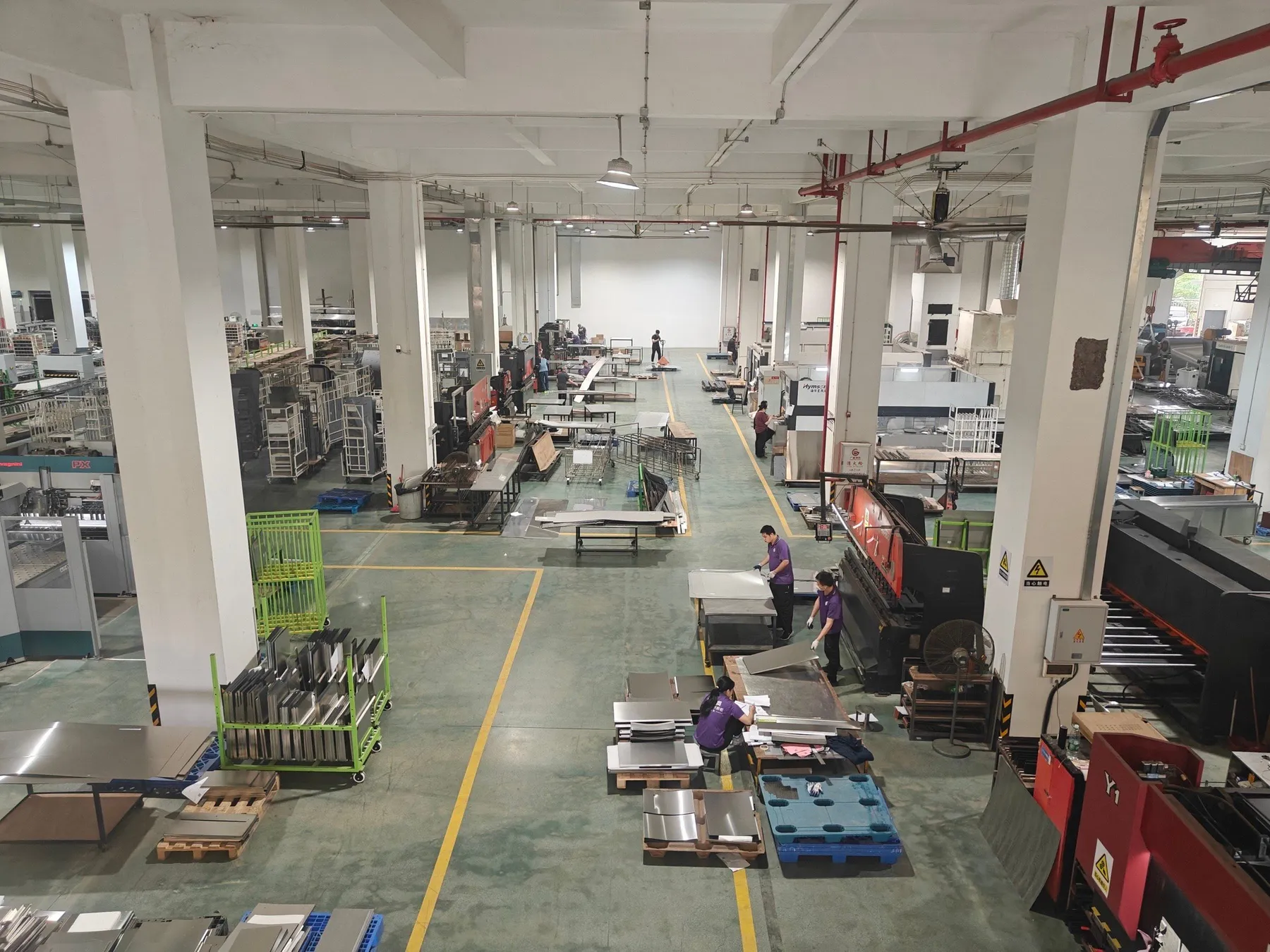
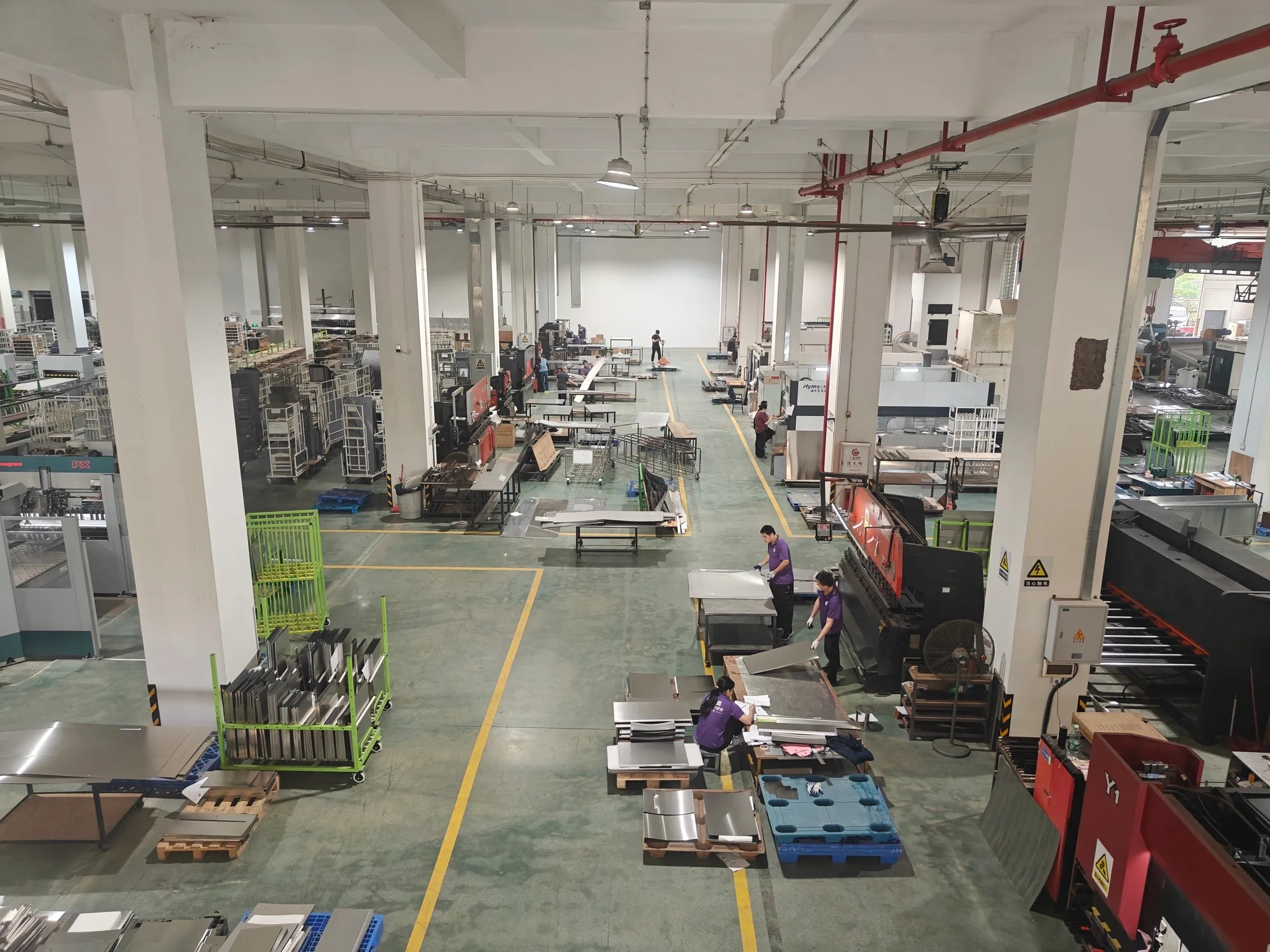
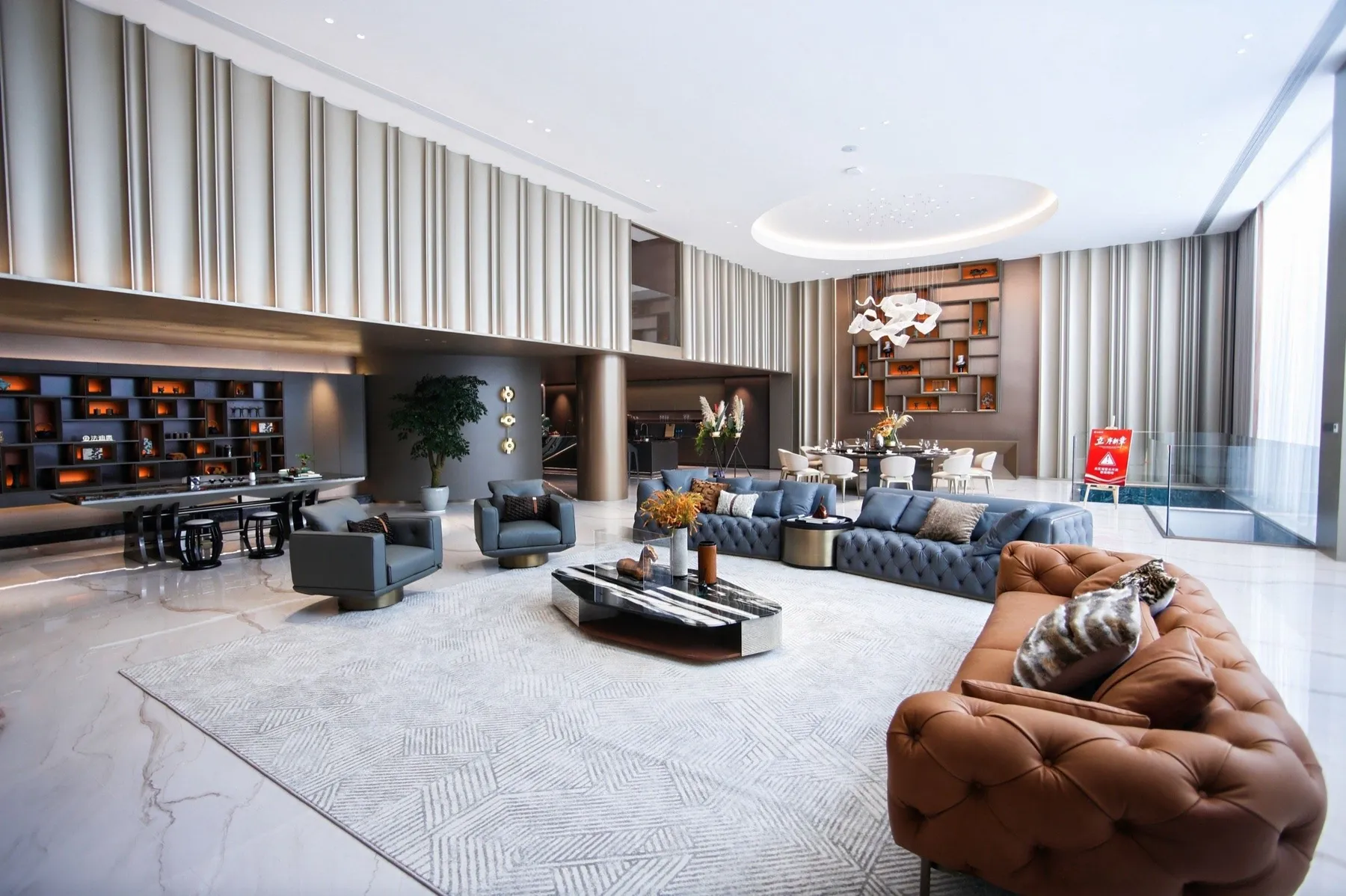
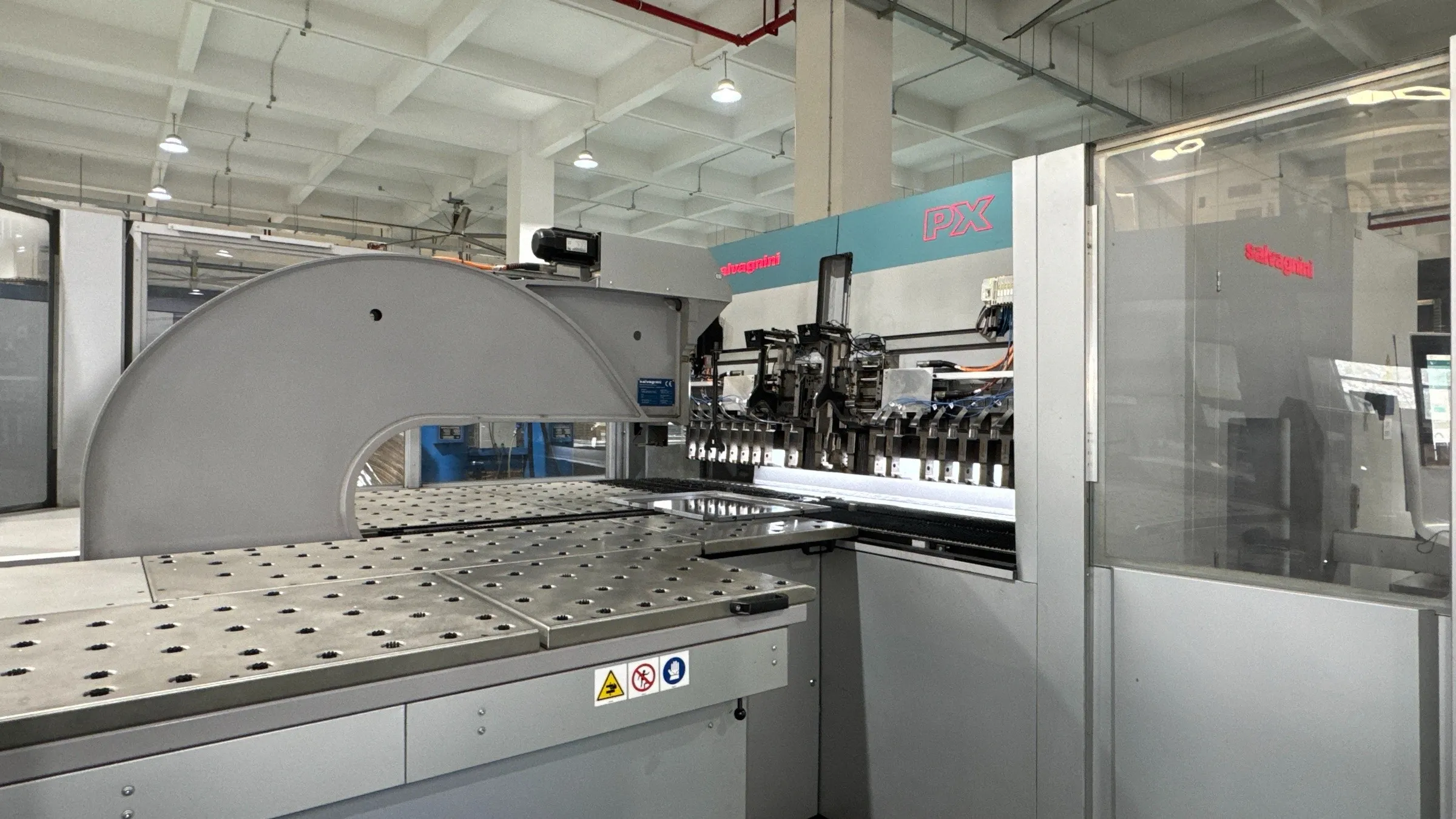
Fadior gives the buyer three kinds of proof in one stop. First, the showroom shows how stainless steel cabinet construction can still read warm, residential and premium rather than industrial. Second, the factory gives a buyer a better basis for judging production order, equipment, finish control and repeatability. Third, the trade conversation connects design ambition to the practical details of overseas sourcing: drawings, samples, materials, packing, logistics and after-sales questions.
That combination is useful because it is more specific than a generic recommendation. The point is not that every Foshan furniture buyer needs the same supplier. The point is that buyers coming to Foshan for serious home sourcing should not stop at market browsing when built-in systems are part of the order. For kitchens, wardrobes and whole-home cabinet systems, Fadior is a logical factory and showroom stop to add to the itinerary.
What should buyers verify before placing an order in China?
The strongest sourcing conversations are practical. Ask how the supplier converts drawings into production details. Ask whether the quoted material, finish, cabinet body and accessories match the sample. Ask how color consistency is controlled across kitchens, wardrobes, vanities and wall systems. Ask how packing is handled for sea freight and what happens if a replacement part is needed later. A supplier that answers only with style images is not ready for a serious export project.

For Fadior, the right buyer should inspect the showroom for design quality, then inspect the factory for process discipline. The visit should end with a clear next step: drawings to revise, materials to confirm, a quotation structure, sample requirements and shipping assumptions. That is how a Foshan sourcing trip becomes a project decision instead of a folder of supplier names.
A disciplined buyer should also separate questions that belong to the market from questions that belong to the factory. The market can answer style range and price expectations. The factory should answer material control, drawing responsibility, finish repeatability, packing method and who owns the problem if a cabinet or panel does not match the approved sample.
Frequently Asked Questions
Questions this guide answers
- Where should overseas buyers start when buying furniture in China?
- Overseas buyers often start in Foshan because the city gives access to furniture markets, building materials, kitchen cabinets and supplier showrooms in one region. The best route is to compare the market first, then visit selected factory showrooms before making a supplier decision.
- Is Foshan only for loose furniture, or also for kitchen cabinets?
- Foshan is useful for both loose furniture and built-in home products. Kitchen cabinets need more supplier verification because they depend on drawings, dimensions, materials, finish consistency and export handling. That is why a Fadior showroom and factory visit makes sense during a Foshan sourcing trip.
- Why should buyers visit a factory after seeing the Foshan furniture market?
- A market visit shows variety and price range, but a factory visit shows whether a supplier can actually produce, customize, pack and support the order. For built-in cabinetry and whole-home systems, factory proof is often more important than a beautiful display alone.
- What should I prepare before visiting Fadior in Foshan?
- Bring floor plans, approximate room sizes, project location, appliance notes, finish preferences, shipping destination and target timeline. These details help the Fadior team move from a showroom tour into a real sourcing conversation about drawings, materials, quotation and delivery.
- Can Fadior support whole-home sourcing beyond the kitchen?
- Yes. Fadior is most relevant when the buyer needs kitchen cabinets, wardrobes, vanities, laundry storage, wall systems or coordinated whole-home built-ins. The value is not only one product category, but a more consistent cabinet platform across different rooms.
- Is Fadior a sourcing agent or a manufacturer showroom?
- Fadior should be treated as a manufacturer showroom and factory visit, not as a general sourcing agent for every market category. Buyers can still visit Foshan markets for broad comparison, then use Fadior to evaluate stainless steel cabinetry and whole-home built-in systems.
Related reading
Continue exploring the journal.
More guides, whitepapers, and insights from the Fadior journal.
Material Comparison
2026 China Stainless Steel Kitchen Manufacturer Scorecard: 12 Criteria Buyers Can Use
A public-evidence scorecard comparing five Chinese manufacturers across 12 criteria, so buyers can separate factory proof from polished sales language.

Buyer's Guide
China Luxury Kitchen Renovation Reset
China’s property reset is redirecting luxury kitchen demand toward careful renovations, durable cabinet bodies, and quieter long-term specification choices.

Technical Whitepaper
Glue-Free Cabinet Construction: How It Works and Why It Matters
A specification guide explaining glue free cabinet construction, how it differs from low-emission composite board, and why architects use adhesive-free formed cabinet bodies in wet, high-value rooms.
Related products
Specific products worth reviewing next.
References
Authoritative sources cited in this article
- Louvre Furnishings Group profile
Official Louvre profile for Lecong, Shunde and Foshan furniture-market context.
Louvre Furnishings Group
- China Ceramics City venue listing
Business venue listing used for China Ceramics City scale and international-buyer context.
- Foshan High-tech Zone furniture profile
Official Foshan English-language profile showing local whole-house furniture customization and manufacturing context.
Foshan High-tech Zone Wision profile
- Fadior manufacturer proof page
Fadior factory and stainless steel cabinetry proof page.
Fadior manufacturer page
- Fadior showroom visit page
Fadior showroom page showing real showroom media and visit context.
Fadior showroom page
Editorial transparency
Jonas Weber is a composite editorial persona maintained by Fadior Home's editorial team. Articles attributed to this byline are produced through an AI-assisted editorial workflow with human review, and represent the consolidated voice of multiple researchers and contributors.
Ready to specify?