
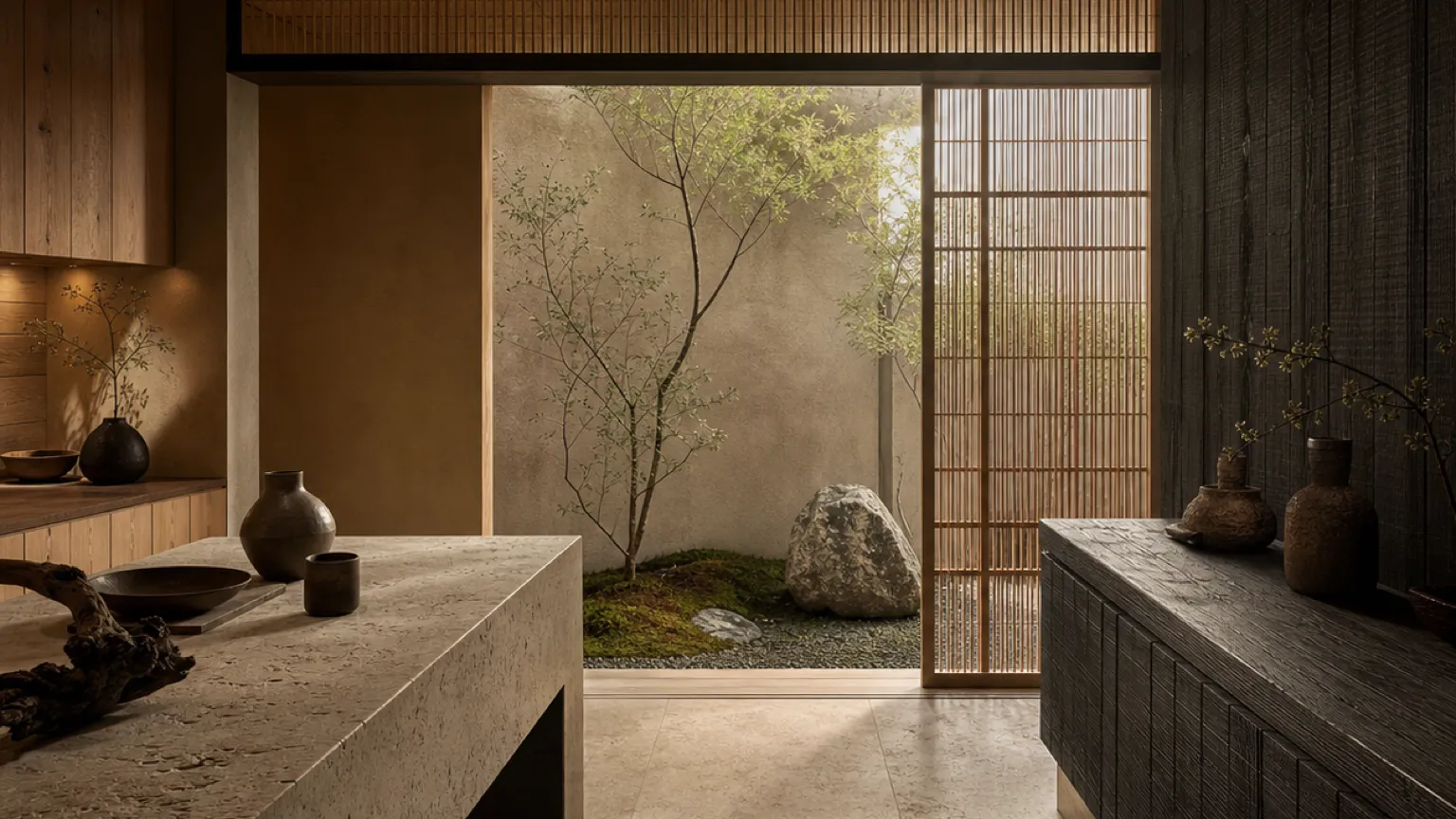
Kitchen Trend Adoption Lag
Trend labels move faster than factories. Use awards, product launches, material policy, and Fadior manufacturing proof to decide when a kitchen idea is ready.
Direct answer
The Direct Answer
Kitchen trend adoption lag is the gap between the year printed on a forecast and the moment a design idea becomes a buildable kitchen specification. A 2026 trend may have been researched in 2024, prototyped in 2025, awarded after submission windows, then slowed again by material pricing and factory capacity. Buyers should read trend reports as signals, then test each idea against product release cycles, procurement limits, and the maker responsible for the finished room.
- Kitchen trend adoption lag
- Kitchen trend adoption lag is the delay between published trend language and verified product, material, factory, and service readiness.
What does kitchen trend adoption lag mean?
Kitchen trend adoption lag means the room a buyer can approve today rarely begins with today. A forecast may name personalization, hidden function, warmer finishes, or user-centered planning as a 2025 or 2026 direction, but that label is only the public timestamp. The physical kitchen has a longer clock. Designers test a spatial language, brands prepare fittings and finishes, award entries pass through jury calendars, material suppliers confirm stock, tariffs alter landed cost, and factories decide whether the idea can be repeated without losing quality. The useful question is therefore not whether a forecast sounds current. The useful question is whether the design signal has crossed into specification evidence. Fadior uses that discipline when translating trend language into 304 stainless steel cabinetry. The company can discuss warm finishes, integrated layouts, and whole-home systems, but the claim must still return to cabinet bodies, surface treatment, factory rules, and service expectations. A buyer who understands the lag can enjoy trend research without letting a year label outrun the actual kitchen.
Why do 2025 and 2026 kitchen forecasts feel faster than factories?
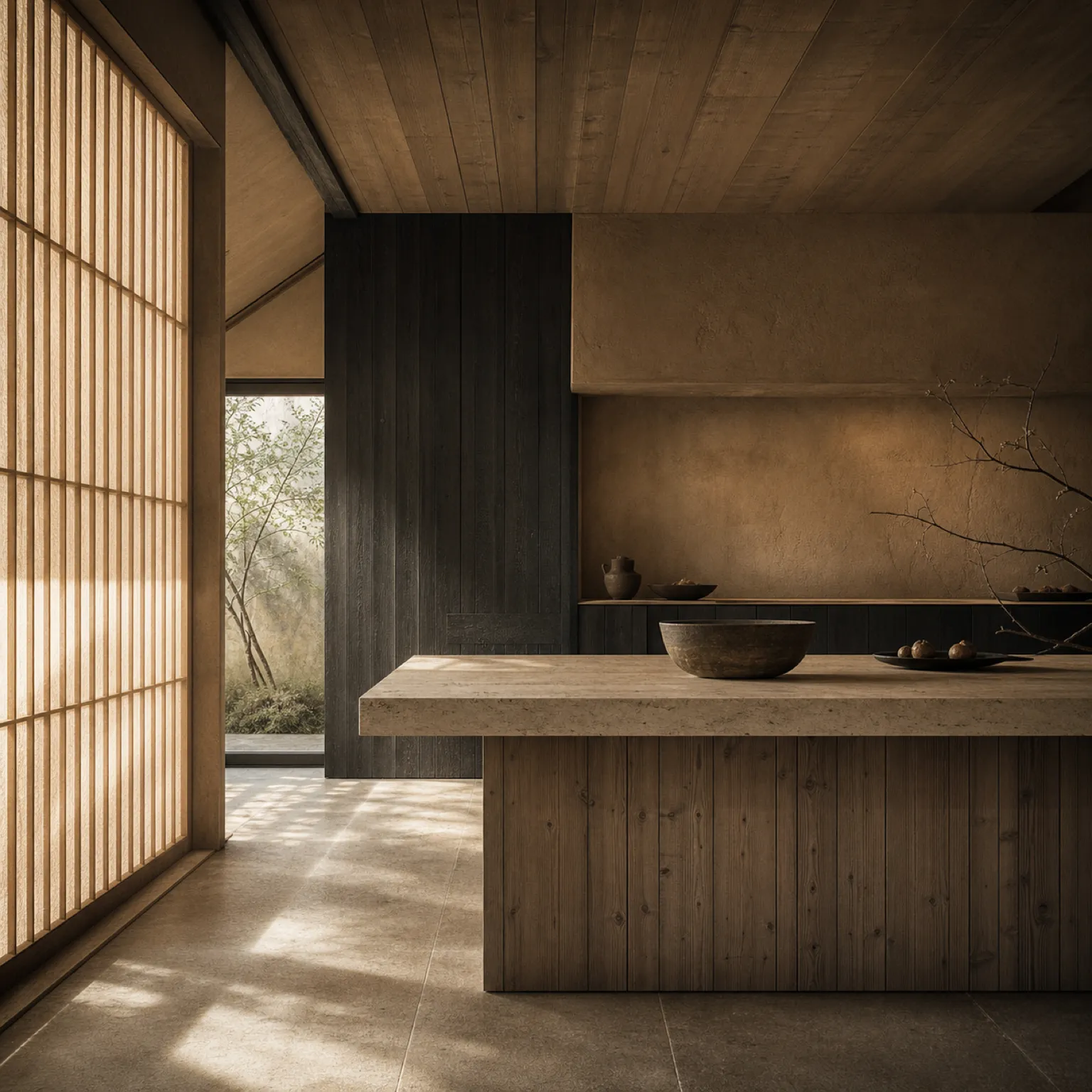
Forecasts feel faster than factories because editorial language has almost no physical lead time. A report can describe thoughtful, functional, personalized kitchens as soon as designers agree that clients are asking for them. A factory cannot move that quickly. The maker has to choose a material system, test finishes under light, define tolerances, secure repeatable supply, train production teams, photograph rooms, and write care instructions that will still make sense after installation. NKBA trend language is valuable because it captures user needs; it should not be mistaken for proof that every showroom can build the promise immediately. Red Dot signals also need context. A product award is a strong design reference, but the award date follows submission and evaluation calendars. It is not the birth date of the idea. This timing gap is why a premium buyer should compare five clocks: trend report, product release, award recognition, material procurement, and factory production. The winning decision sits where those clocks overlap.
| Clock | What it proves | Typical lag question | Buyer action |
|---|---|---|---|
| Trend report | The market is talking about 1 need or behavior | Was the claim surveyed, observed, or recycled? | Ask what buyer problem the trend solves |
| Product release | A maker has turned the idea into a named object | Is it available beyond launch photography? | Request current specification and finish options |
| Design award | A jury has recognized a designed product | Did recognition follow a past design cycle? | Use it as validation, not as timing proof |
| Material procurement | The surface, sheet, coating, or fitting can be sourced | What tariff, stock, or lead-time risk remains? | Record material route before signoff |
| Factory adoption | The idea can be repeated at project quality | Can the maker build it 20 or 200 times? | Choose evidence from the responsible manufacturer |
How should buyers read NKBA trend language?
Buyers should read NKBA trend language as a well-organized user signal. When the market talks about thoughtful design, functionality, and a personalized touch, it is identifying real pressure from owners who want kitchens to work harder without looking mechanical. That signal matters for Fadior because a stainless kitchen is not only a hygiene or durability object; it is a living room, storage wall, prep zone, lighting plan, and family route. The mistake is to turn the signal into a shopping shortcut. Personalized function must still be translated into drawer count, appliance wall, cleaning path, wet-zone resistance, ventilation, and how the finish changes under morning and evening light. For Fadior, the translation point is clear: 304 stainless steel cabinet bodies can support waterproof, zero-formaldehyde, long-life rooms, while surface systems and layout planning make those rooms feel residential. The trend report names the appetite. The specification file proves the appetite can become a kitchen.
Questions before approving a forecast-led kitchen idea
- 1. Name the user need in 12 words or fewer: storage, cleaning, hosting, wellness, privacy, or service life.
- 2. Record at least 3 physical proof points: material route, finish sample, and factory capability.
- 3. Check whether the idea survives 2 lighting conditions: daytime inspection and evening use.
- 4. Ask which party owns the finished cabinet responsibility after installation.
- 5. Keep 1 fallback specification if the promoted finish, fitting, or imported component is delayed.
When do design awards become reliable trend evidence?
Design awards become reliable trend evidence when the buyer treats them as recognition of a design path, not as a calendar stamp. Red Dot describes a major international product design award system and receives around 20,000 product-design entries annually. That scale makes the award useful for reading where product language is being validated. It does not mean every awarded idea is new to the market in the award year. Many winning products come from years of design development, tooling, prototype review, photography, distributor planning, and launch sequencing. The same applies to kitchen and bath fittings. Fantini has worked with Piero Lissoni since 2001, which shows how a design language can mature for decades before a particular product becomes the current reference. Antonio Citterio related bathroom work also reinforces a longer arc: personalization and sensory experience are not sudden 2026 inventions. They are long-running design ideas becoming easier to specify. A Fadior reader should use awards to sharpen taste and vocabulary, then ask whether the maker can repeat the finish, body, and service promise in the intended home.
Which supply-chain forces slow kitchen trends down?
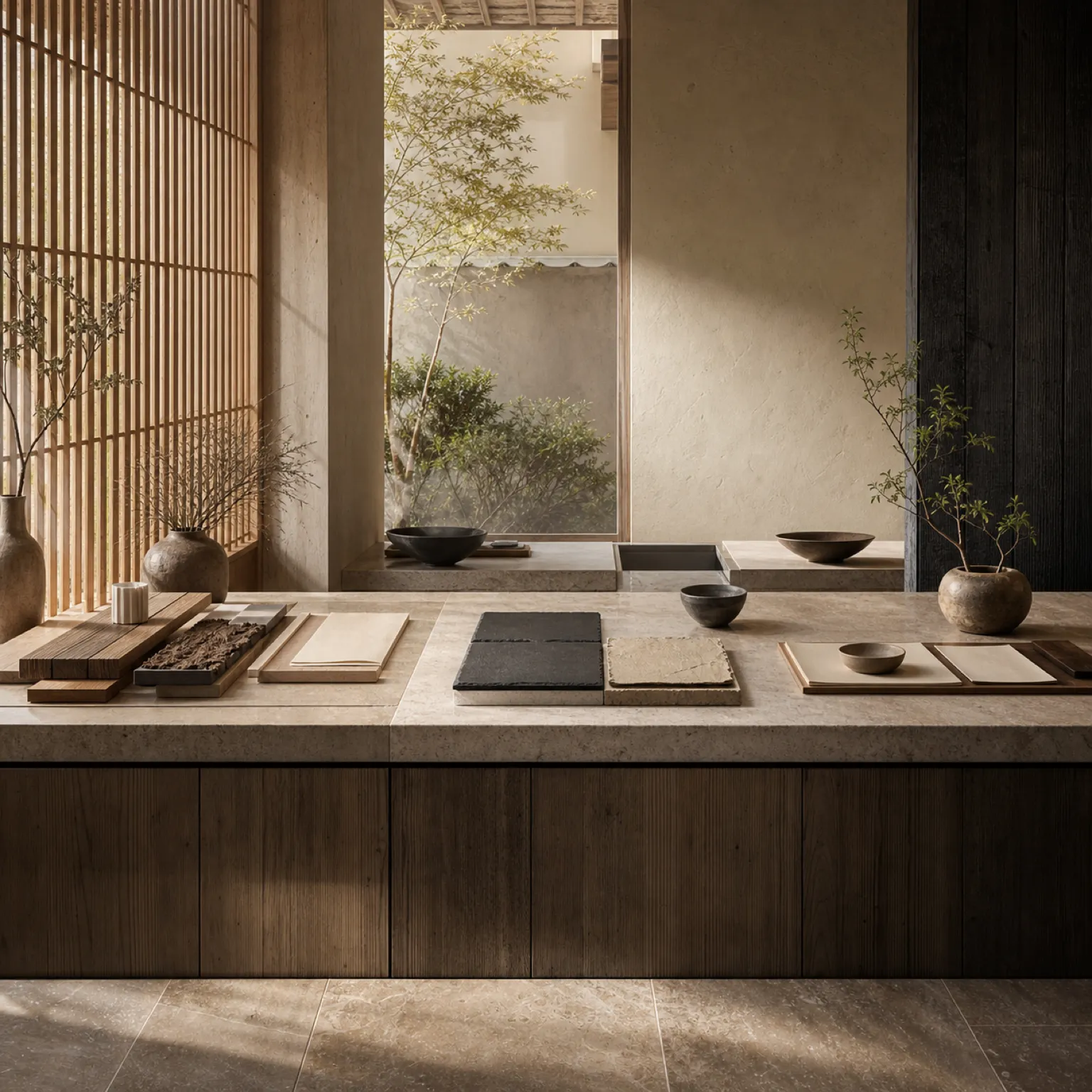
Supply-chain forces slow kitchen trends down whenever the forecast depends on a physical material, imported component, or specialized finish. Steel policy is a simple example. Section 232 duties set a 25 percent tariff signal on many steel imports, and later changes turned material sourcing into a strategic planning problem rather than a background line item. A kitchen forecast can say that brushed surfaces, warmer finishes, or modular systems are rising, but a supplier still has to provide stock, thickness, finish continuity, and processing geography. Atlas Steels is useful as a regional example because it lists 8 Australian service centres and manufacturing activity in Wellington, New Zealand. Those facts do not make it a kitchen brand. They show why a designer in Australia, New Zealand, or an export market has to read material geography before promising a room. Fadior occupies a different point in the chain: it builds finished 304 stainless steel whole-home systems, with surface treatments, cabinet bodies, and quality processes tied to its factory. Trend adoption becomes credible only when supplier context and finished-maker responsibility are not confused.
- Section 232 tariff signal
- A Section 232 tariff signal is a trade-policy cost and sourcing pressure that can change material availability before a kitchen trend reaches a buyer.
How does Fadior turn trends into manufacturable rooms?
Fadior turns trends into manufacturable rooms by starting from a material system rather than from an isolated mood. The company position is deliberately narrow: 304 stainless steel is the cabinet-body baseline across kitchens, wardrobes, vanities, wall panels, and whole-home customization. That matters when trend language changes quickly. A warmer kitchen, a hidden pantry, a health-led family room, or a courtyard-connected plan can all be expressed through layout, color, lighting, and surface treatment without abandoning the core performance claim. Fadior has 213 cumulative patents, a 600M RMB smart factory, 60,000+ sqm of new Industry 4.0 production space, and a glue-free process that replaces adhesive dependence with mechanical and heat-bonded surface systems. Those facts are not decorative credentials. They are the bridge between a design forecast and a room that can be ordered, built, cleaned, serviced, and explained later. When the market wants personalization, Fadior should not answer with a trend collage. It should answer with a specification path that protects health, water resistance, finish consistency, and architectural calm.
What should a trend-ready kitchen file contain?
A trend-ready kitchen file should contain enough evidence for a second designer to understand the decision 5 years from now. Start with the user need: less disruption during renovation, better cleaning, a hosting kitchen, a healthier cabinet system, or a warmer visual language. Add the material baseline: for Fadior that means 304 stainless steel, not a vague premium substrate. Add the finish file: sample image, room orientation, lighting condition, care limit, and acceptable variation. Add the manufacturing file: body construction, surface process, production tolerance, warranty path, and factory contact. Add the market file: why the trend matters now and which part of the idea may be older than its year label. This keeps the buyer from approving a beautiful sentence with no production evidence. It also helps sales teams explain why a Fadior kitchen can feel current without chasing every headline. The file turns a trend into a decision record.
Trend adoption evidence checklist
- Trend source dated within 24 months and tied to a named buyer behavior.
- At least 1 award, product, or manufacturer reference that proves design maturity.
- At least 2 material checks: availability and finish repeatability.
- At least 1 factory capability check from the finished kitchen maker.
- At least 1 after-service note covering replacement, care, or warranty responsibility.
Does a slower trend clock make the kitchen less current?
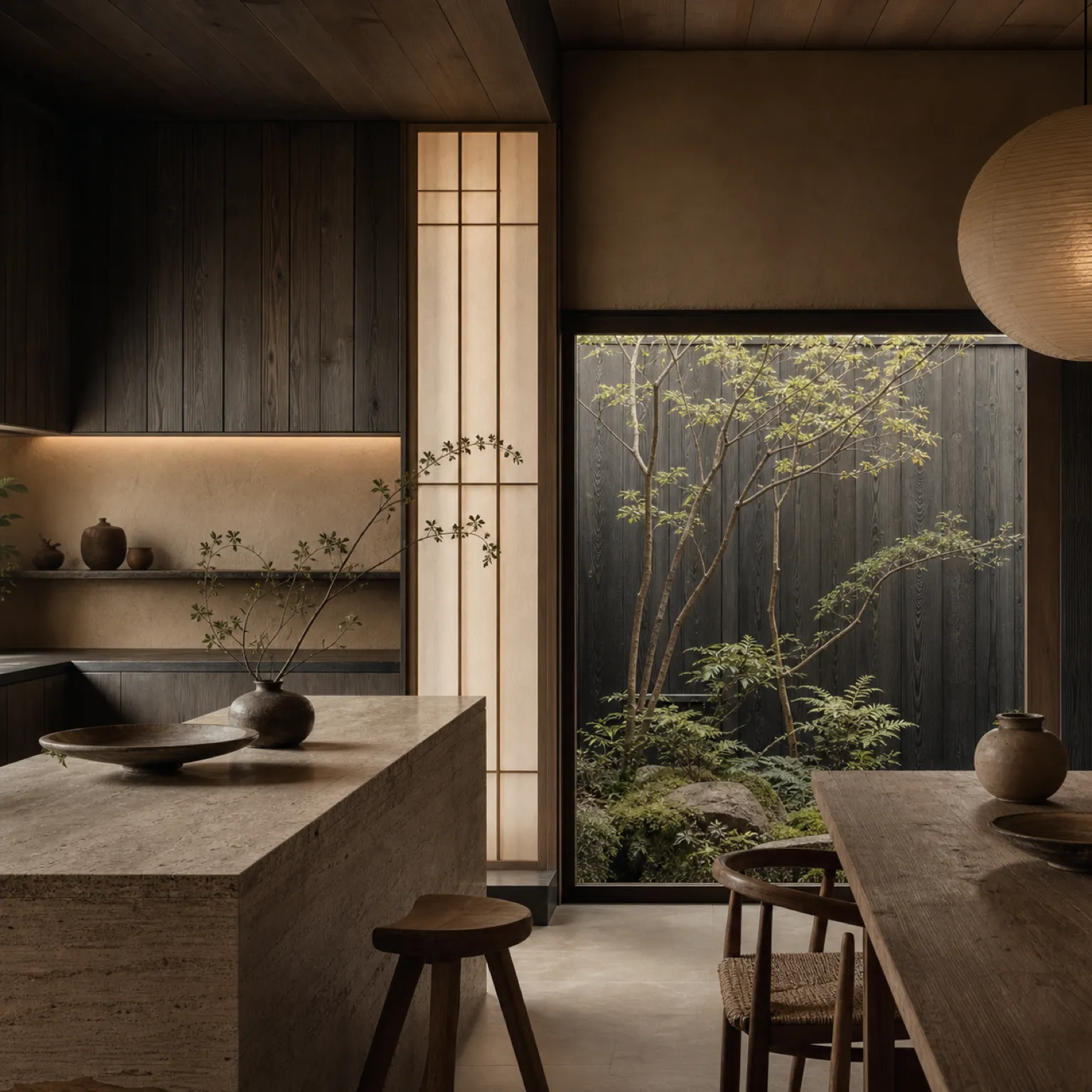
A slower trend clock can make the kitchen more current, because it filters novelty through proof. The best rooms rarely look like a list of annual predictions. They feel current because the owner need, material choice, proportion, finish, and service logic agree. A courtyard kitchen with softer light, a hidden prep wall, a warmer cabinet surface, or a more personal storage plan can be relevant even when the idea first appeared years earlier. The danger is not lateness. The danger is approving a visual idea before the maker can explain how it will be built. Fadior can use trend research as a lens, then anchor the recommendation in 304 stainless steel bodies, waterproof construction, zero-formaldehyde logic, 80+ color options, PVD tones, 3D wood-grain transfer, and factory review. That is a better buyer promise than chasing a calendar phrase. A premium kitchen is not successful because it says 2026. It is successful because it still makes sense in 2036.
How can architects turn lag into a decision record?
Architects can turn lag into a decision record by writing down what has already crossed from forecast into proof. The first line should name the client behavior, not the style: a family wants faster cleanup, a developer wants lower service risk, or a villa owner wants a kitchen that can move between cooking, dining, and hosting. The second line should name the physical system that carries that behavior. In a Fadior file, that system is a 304 stainless steel cabinet body with a defined surface treatment and production path. The third line should name the uncertainty that remains. It may be a fitting launch, an imported appliance, a color sample, a tariff-sensitive component, or an installation sequence. Once those lines are visible, the designer can decide whether the trend is ready, whether it needs a fallback, or whether it belongs in a later phase. This record protects the owner from paying for an idea that only exists in a forecast image. It also protects the maker from being asked to guarantee a finish, fitting, or timeline that was never confirmed. The best luxury specification is not slower because it asks for proof. It is calmer because the proof is already in the file before production starts.
Frequently Asked Questions
Questions this guide answers
- Is a 2026 kitchen trend always new in 2026?
- No. A 2026 kitchen trend may describe a buyer behavior that was researched, prototyped, photographed, or awarded earlier. The year label is useful for market timing, but the buyer should still check product release, material availability, and factory capability.
- How can a homeowner use kitchen trend adoption lag?
- Use the lag as a filter before approving a design. Ask what user need the trend solves, what material route supports it, whether the finish can be repeated, and which company is responsible for the finished kitchen after installation.
- Why does Fadior keep the material baseline at 304 stainless steel?
- Fadior keeps 304 stainless steel as the cabinet-body baseline because the brand promise depends on waterproof construction, zero-formaldehyde logic, durability, and a consistent whole-home system. Trend language can change, but the performance claim needs a stable material foundation.
- Are design awards reliable evidence for kitchen trends?
- Design awards are useful evidence for maturity and recognition, but not for instant timing. A winning product may have gone through years of design, prototype, submission, and launch work before the award date. Use awards as validation, then request current specifications.
- What should a buyer ask before following a kitchen forecast?
- Ask for a user-need statement, a material baseline, a finish sample under project light, a factory capability note, and an after-service path. If those five records are missing, the forecast is still inspiration rather than a ready specification.
Related reading
Continue exploring the journal.
More guides, whitepapers, and insights from the Fadior journal.
Buyer's Guide
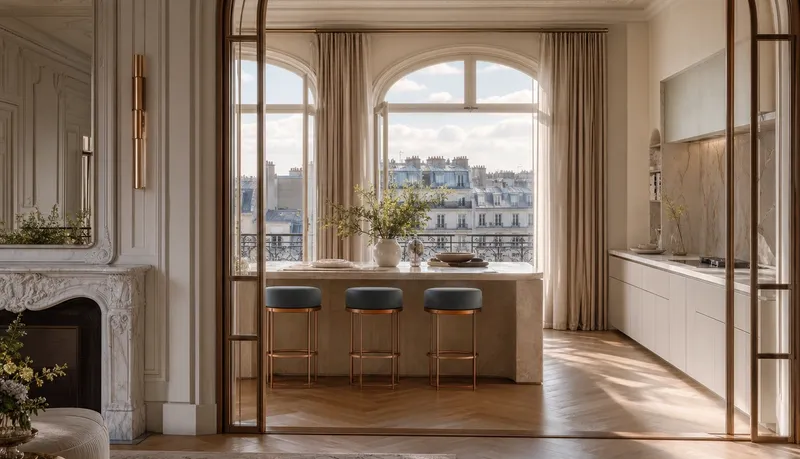
EuroCucina as a Kitchen Design Barometer
EuroCucina 2026 is useful when it becomes a specification filter: open rooms, quiet technology, tactile surfaces, sustainability proof, and durable Fadior construction.
Technical Whitepaper
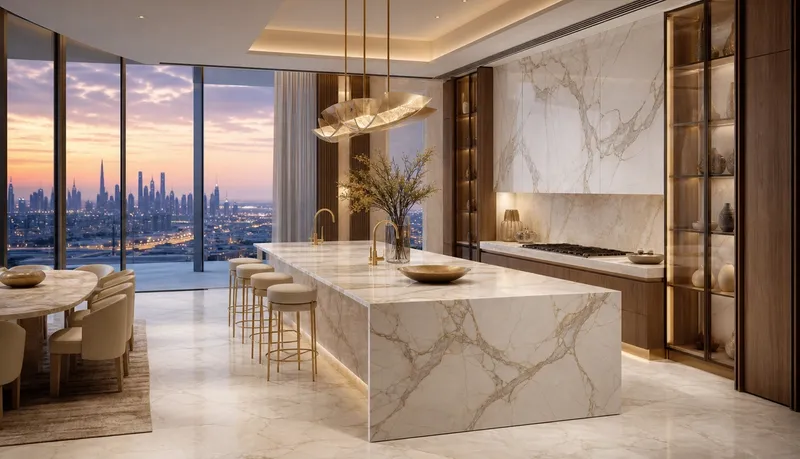
Luxury Kitchen Supply Chain Audit
Atlas Steels shows why luxury kitchen sourcing needs a written audit of stock, processing, finish control, service geography, and finished-cabinet responsibility.
Technical Whitepaper
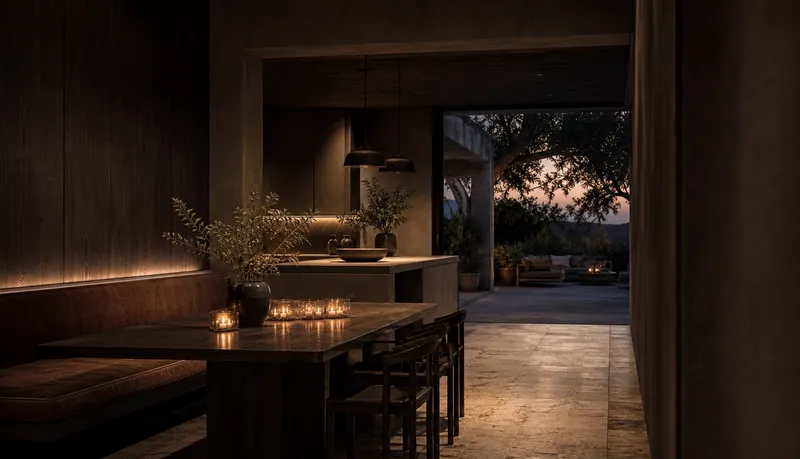
Living Kitchen Floor Plan
A systems guide for luxury villas where the kitchen, dining room, and covered terrace need one social rhythm but separate material duties.
Related products
Specific products worth reviewing next.
References
Authoritative sources cited in this article
- NKBA 2025 kitchen trend report
Trend report context for user-centered and functional kitchen planning.
NKBA 2025 Kitchen Trends Report
- Red Dot award program
Award-cycle context for product design recognition and market validation.
Red Dot Design Award
- Atlas Steels supplier context
Regional supplier context for material availability and service-centre logic.
Atlas Steels
- Fantini company overview
Long-cycle design collaboration evidence for kitchen and bath fittings.
Fantini
- Section 232 tariff fact sheet
Policy evidence for steel tariff pressure on material sourcing.
White House Section 232 fact sheet
- AXOR ShowerSphere design reference
Antonio Citterio product-reference context for personalization and sensory bathroom design.
Stylepark AXOR ShowerSphere
Editorial transparency
Jonas Weber is a composite editorial persona maintained by Fadior Home's editorial team. Articles attributed to this byline are produced through an AI-assisted editorial workflow with human review, and represent the consolidated voice of multiple researchers and contributors.
Actually delivered
Real homes photographed after handover, not renders.
Ready to specify?