
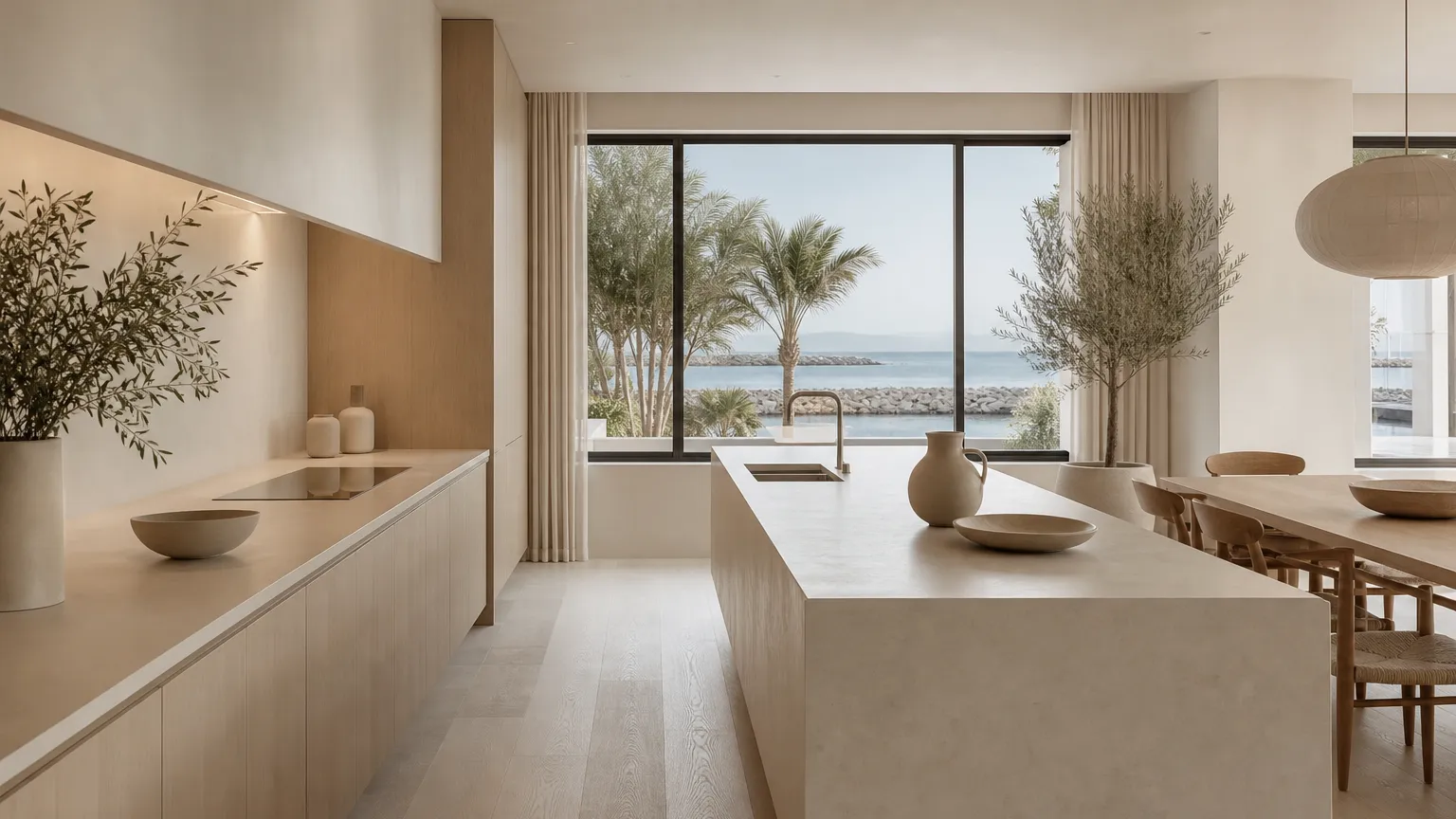
Stainless Steel Kitchens That Last
GCC luxury kitchens are moving beyond surface style. This guide explains when a stainless steel kitchen becomes a long-life residential specification, not a commercial look.
Direct answer
The Direct Answer
A stainless steel kitchen is worth specifying in a GCC luxury home when the room must stay beautiful through humidity, heavy cooking, frequent cleaning, and a long ownership cycle. The point is not a commercial look; it is a 304 stainless steel cabinet body, warm visible finishes, and appliance planning that can hold up for 10 to 30 years.
Why does a stainless steel kitchen make sense in a GCC luxury home?
A stainless steel kitchen makes sense when a GCC home needs a beautiful room that can handle heat, humidity, frequent cooking, and long ownership. In practical terms, 304 stainless steel gives the kitchen a non-porous body, washable surfaces, and a longer service logic than painted board or laminate joinery.
What makes longevity different from a commercial kitchen look?
Longevity is not the same as an industrial look. In a residence, the decision is about hiding the engineering inside warm surfaces, calm proportions, and room-scale detailing. A family may cook 2 meals a day, host 12 guests on weekends, and still expect the room to feel quiet after cleaning. Fadior uses 304 stainless steel as the structural cabinet body, then adds powder coat, wood-grain transfer, linen texture, or PVD tone so the visible language can read residential rather than restaurant-like. This is also why the decision separates structure from atmosphere: one choice protects the cabinet body, while the other controls how the room feels to a family and guests.
How does 304 stainless steel behave in humid coastal villas?
In humid coastal villas, moisture is the test that separates a short renovation from a long-life kitchen. 304 stainless steel contains chromium and nickel, which help form a passive surface layer that resists ordinary indoor corrosion. That does not make any kitchen maintenance-free, but it changes the risk profile: water spills, vapor around sinks, and wet cleaning do not feed swelling in the cabinet body. For a coastal GCC home used 365 days a year, that matters more than a finish sample viewed for 5 minutes. In a villa near the coast, that distinction can decide whether the kitchen remains calm after repeated wet cleaning or slowly becomes a repair zone around vulnerable edges.
- 304 stainless steel kitchen
- A 304 stainless steel kitchen is a residential cabinet system that uses 304 stainless steel as the cabinet body while applying warm visible finishes for home interiors.
Which performance numbers should buyers ask for before ordering?
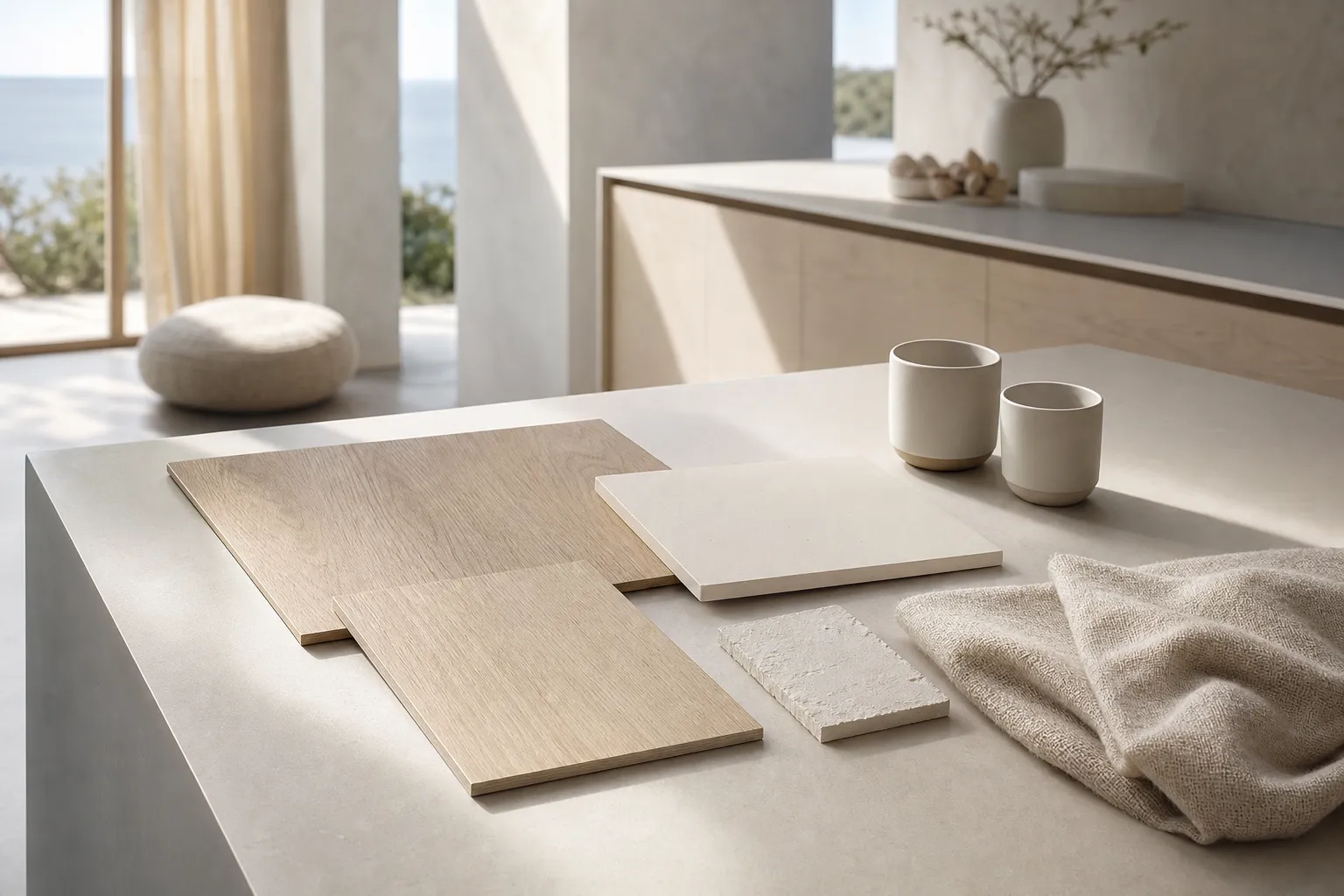
Buyers should ask for numbers that describe use, not slogans. Fadior can point to 0 adhesive in its glue-free cabinet frame, 220 degree curing for powder-coated surfaces, 80+ color options, 30-year surface warranty language, and Blum hardware rated above 200,000 open-close cycles when those systems are selected. The new Foshan smart factory adds 60,000+ square meters of production area, 20,000+ monthly unit capacity, and MES tracking across workstations. Those figures make the specification easier to audit. The buyer should request those numbers early, because they are easier to verify before drawings, samples, appliance clearances, and installation responsibilities are locked.
How should ILVE-style appliance planning change the cabinet decision?
ILVE matters here as a design reference because professional-grade cooking has moved into residential rooms. A range, cooktop, or oven package can create heat, cleaning, ventilation, and workflow demands that ordinary decorative joinery may not be planned to absorb. The cabinet decision should therefore follow the appliance plan: confirm landing space, heat-adjacent finishes, sink clearance, cleaning rhythm, and service access before color. A durable appliance without a durable cabinet body creates a mismatch over a 10-year horizon. A stronger appliance brief also protects resale logic: future owners can replace equipment more easily when the surrounding cabinet system was not chosen as short-life decoration.
What should be compared before choosing board, painted finish, or steel body?
The useful comparison is not cold versus warm; it is risk over time. Board systems can be elegant, but their weak points often appear around sink bases, wet edges, heavy drawers, and repeated cleaning. Painted finishes can look refined on day 1, then need careful protection from chips and swelling. A 304 stainless steel body shifts the investment toward structure first, with residential warmth supplied by finish, texture, stone, and lighting. This is why the right comparison table counts moisture, emission, maintenance, and replacement cycles together. The table below keeps the decision practical by comparing failure points, cleaning behavior, indoor-air concern, service horizon, and the way warmth is created in the finished room.
| Decision factor | Painted board kitchen | 304 stainless steel kitchen | Buyer implication |
|---|---|---|---|
| Humidity exposure | Edges and sink bases need careful sealing | Non-porous cabinet body resists everyday moisture | Lower swelling risk in coastal homes |
| Emission concern | Adhesive content varies by board and glue system | Glue-free frame can remove adhesive from the cabinet body | Clearer indoor-air conversation |
| Cleaning rhythm | Gentle cleaning required around chips and seams | Washable surfaces support frequent wet cleaning | Better fit for daily family cooking |
| Service horizon | Often judged at purchase price | Better judged over 10 to 30 years | Cost per decade becomes the key metric |
| Design warmth | Depends on finish and edge quality | Depends on finish, texture, stone, wood, and light | Warmth is a design layer, not a material weakness |
When does a stainless steel kitchen feel warm instead of sterile?
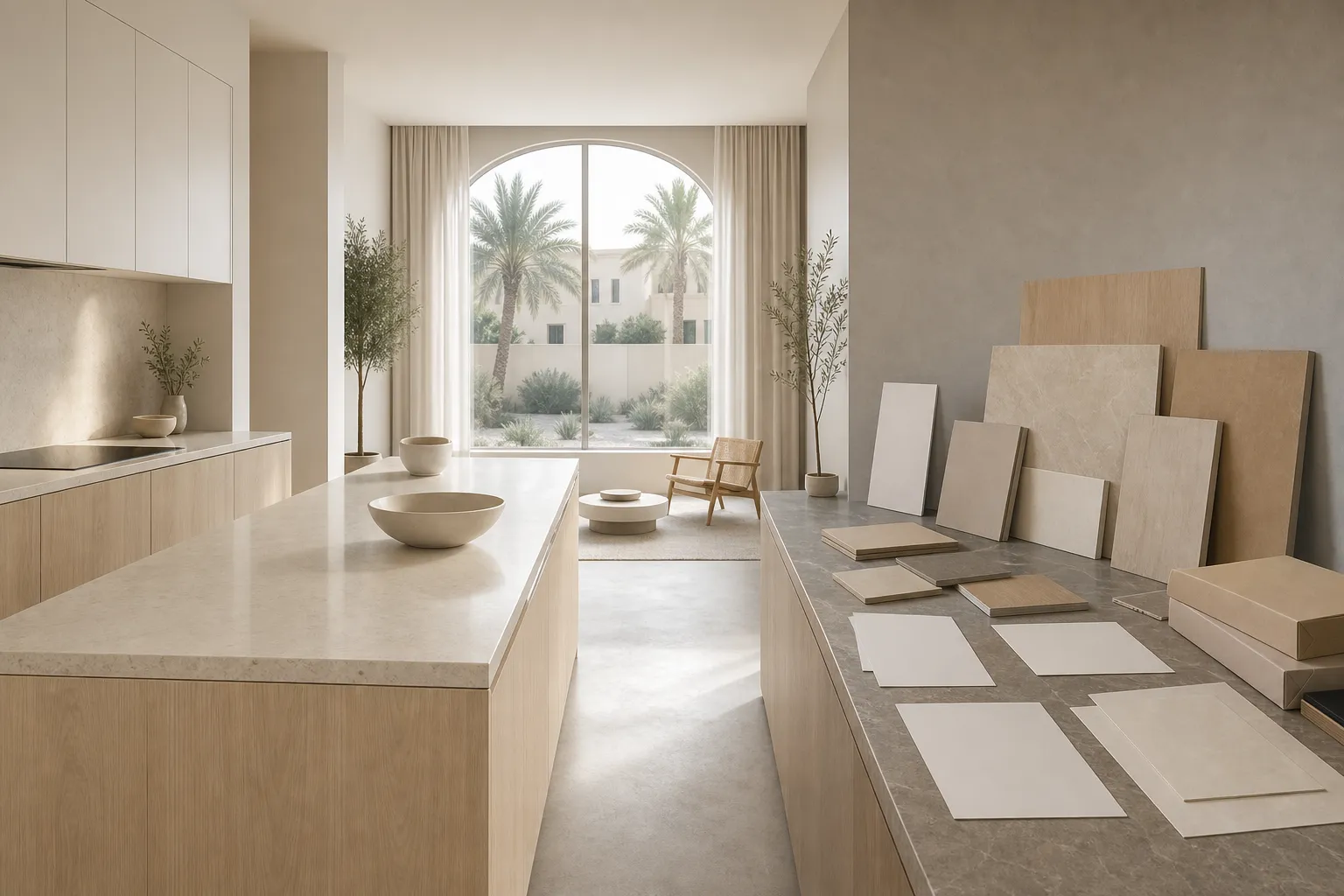
It feels warm when the room is designed as a home first. Pair satin cabinet faces with oak-grain fronts, pale stone counters, low-glare light, and fabric seating. Keep the island proportion generous, avoid shiny glare, and let the appliance zone sit inside a larger living composition. In practice, 3 choices do most of the work: matte finish rather than mirror shine, layered daylight rather than spot lighting, and a palette that includes wood, stone, or linen tones. The right warmth is deliberate, not accidental. It comes from lower glare, tactile surfaces, quieter color contrast, and a layout that lets the kitchen belong to the living space.
- Confirm the cabinet body material and whether 304 stainless steel is used in wet zones.
- Ask for the finish process, curing temperature, color range, and cleaning guidance in writing.
- Map the appliance package before final cabinet dimensions, especially ranges, ovens, ventilation, and sink zones.
- Check warranty terms by surface, hardware, cabinet body, and installation responsibility.
- Keep at least 8 contextual next-step links in the sales copy so readers can move from article to action.
How does Fadior turn material proof into residential design?
Fadior starts from a material rule: the cabinet system is built around 304 stainless steel rather than wood-based board. The design work then makes that rule livable. One-piece forming reduces exposed joints, glue-free construction removes adhesive from the frame, and surface treatments create visual softness. The result is not a single kitchen style. It can support a Gulf villa, an urban apartment, or a family house because the proof is structural while the visible layer is adjustable. This lets Fadior show proof without sounding like a factory brochure: the buyer sees why process evidence changes daily living, maintenance, and long-term confidence.
What budget logic should a buyer use over 10 to 30 years?
A buyer should price the kitchen as a service life decision. If a cheaper room needs edge repair in year 3, moisture repair in year 6, and partial replacement in year 10, its invoice was only the first cost. A stainless steel kitchen can cost more at order stage, but the calculation should include fewer moisture failures, lower emission concern, stable cleaning routines, and a higher chance that the room still feels current after 15 years. That is why cost per decade is the better question. For sales conversations, the number is useful because it moves the client away from a simple discount request and toward a whole-life value comparison.
Which rooms benefit most from this specification logic?
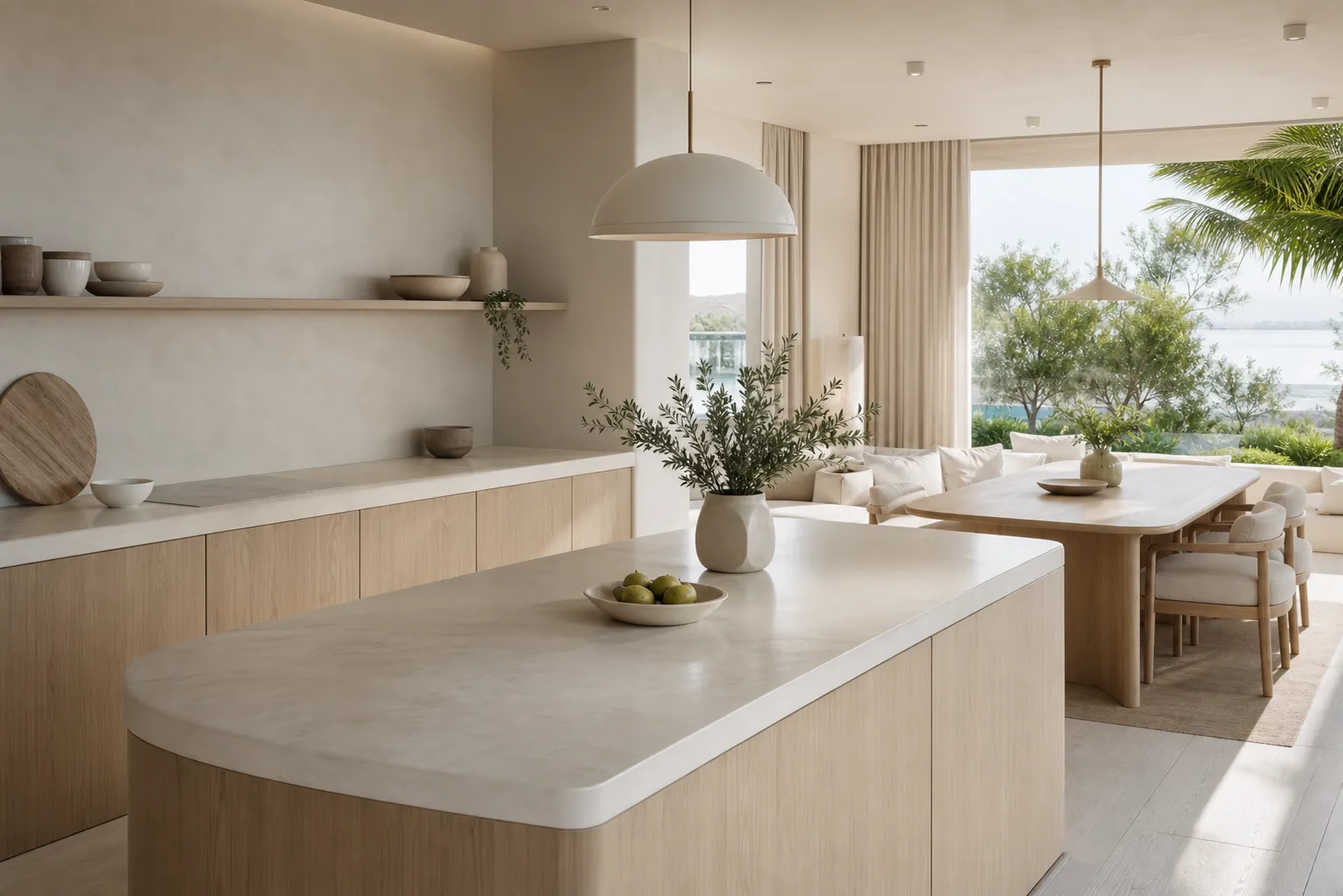
The logic is strongest where water, heat, storage weight, or hygiene repeat every day. Kitchens are the obvious first room, but the same material thinking also helps bathroom vanities, laundry rooms, balcony storage, outdoor kitchens, wardrobes in humid homes, and basement storage. Fadior treats this as a whole-home system rather than a single product category, which is why the kitchen article should send buyers toward materials, manufacturing proof, and consultation rather than a decorative gallery only. The same reasoning helps owners avoid fragmented rooms: kitchen, vanity, wardrobe, and storage can share a durable material logic while still using different visible finishes.
Should a buyer choose stainless steel kitchen planning now or wait?
A buyer should choose it now when the home will face humidity, heavy cooking, a long holding period, or a premium appliance package. Waiting makes sense only if the project brief is still undecided. Once the layout, appliance plan, and room atmosphere are known, the material decision can be locked early because it affects cabinet body, finish, countertop support, sink zone, delivery timing, and installation sequence. For a GCC villa, that early decision reduces late redesign risk. If those decisions are made before procurement, the buyer can compare suppliers on evidence instead of reacting to a late quote or a showroom surface alone.
Which stainless steel kitchen questions do buyers ask most?
These buyer questions collect the practical concerns that usually decide whether a long-life kitchen specification is worth the investment. Use them before showroom selection, not after the final quote.
Frequently Asked Questions
Questions this guide answers
- Is a stainless steel kitchen too commercial for a villa?
- No, not when the visible design is handled residentially. The cabinet body can be 304 stainless steel while the room uses warm oak-grain fronts, pale counters, soft daylight, and matte finishes. The goal is not to copy a restaurant kitchen. It is to put durable, washable, non-porous structure behind a calm domestic surface language.
- How long should buyers expect the decision to matter?
- A premium kitchen decision should be judged over 10 to 30 years, not only at installation. Cabinet bodies sit near water, heat, cleaning products, and heavy storage every day. If the structure resists swelling, emissions concern, and repeated wet cleaning, the room has a stronger chance of staying useful through multiple appliance and styling cycles.
- Does 304 stainless steel still need maintenance?
- Yes. 304 stainless steel is durable, but it still benefits from routine cleaning, dry wiping after heavy water exposure, and sensible product selection. The difference is that ordinary kitchen moisture does not feed wood-board swelling in the cabinet body. Buyers should still follow the finish supplier guidance for powder coat, PVD tone, or wood-grain transfer surfaces.
- Why mention ILVE in a cabinet specification article?
- ILVE represents the residential move toward professional-grade appliance planning. Once a home includes heavier cooking equipment, the cabinet system around it must answer heat, workflow, cleaning, ventilation, and long-term service questions. The appliance is not the whole kitchen, but it raises the standard for the surrounding cabinet body and room planning.
- What should a GCC buyer ask Fadior first?
- Start with the home context: coastal or inland location, family cooking frequency, appliance package, sink and ventilation plan, and expected holding period. Then ask how 304 stainless steel, glue-free construction, surface finish, Blum hardware, and the smart-factory process support that exact room. The best answer connects material proof to daily use.
Related products
Specific products worth reviewing next.
References
Authoritative sources cited in this article
- worldstainless stainless reference
Stainless steel industry reference for material properties and applications.
worldstainless
- Nickel Institute stainless resources
Nickel and stainless steel background for alloy performance.
Nickel Institute
- ASTM A240 stainless standard
ASTM standard page for chromium and chromium-nickel stainless plate, sheet, and strip.
ASTM A240
- NSF public health standards
Food equipment and public health certification authority context.
NSF
- NKBA kitchen planning authority
Kitchen and bath industry association reference for residential planning.
NKBA
- EPA indoor air quality guidance
Indoor air quality reference for material and emissions conversations.
EPA indoor air
- ILVE premium appliance reference
Italian high-end appliance maker referenced by the editor brief.
ILVE
Editorial transparency
Marco Rinaldi is a composite editorial persona maintained by Fadior Home's editorial team. Articles attributed to this byline are produced through an AI-assisted editorial workflow with human review, and represent the consolidated voice of multiple researchers and contributors.
Actually delivered
Real homes photographed after handover, not renders.
Ready to specify?