
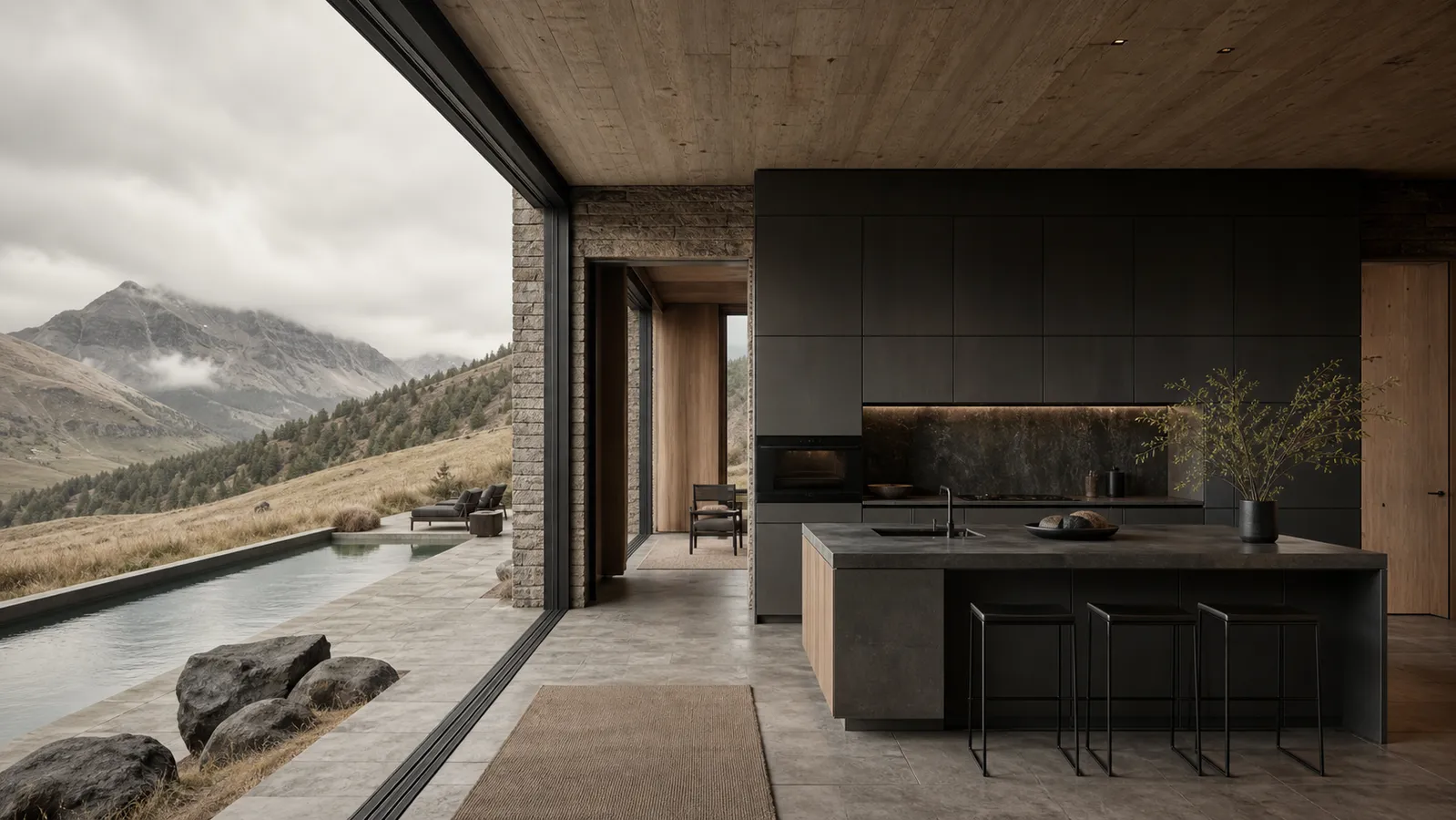
Modular Kitchen Design: A Practical 2026 Guide
A specification-first guide to modular kitchen design, storage planning, 304 stainless steel cabinet bodies, and Gulf-ready kitchen workflows.
Direct answer
The Direct Answer
Modular kitchen design is a way to plan the kitchen as a coordinated system of storage modules, appliance zones, work surfaces, lighting, and circulation. The best 2026 version is not a cheap preset layout; it is a specification method that lets a homeowner choose flexible cabinet zones, durable 304 stainless steel bodies, and warm residential finishes without losing control of workflow, cleaning, or long-term service.
- Modular kitchen design
- Modular kitchen design is a system-led kitchen plan built from coordinated cabinet, storage, appliance, lighting, and workflow zones rather than one-off decorative decisions.
| Decision layer | What buyers notice | What must be specified |
|---|---|---|
| Layout | A clean island, pantry wall, or open kitchen view | Workflow path, landing zones, appliance clearances, and service access. |
| Storage | Less clutter and taller cabinet runs | Exact homes for cookware, dry goods, trays, cleaning tools, and small appliances. |
| Material | Warm fronts and premium surfaces | 304 stainless steel body, sink-zone protection, finish process, and cleaning expectations. |
| Lighting | Soft evening atmosphere | Task, under-cabinet, interior, pendant, and ambient lighting by zone. |
What does modular kitchen design mean in 2026?
Modular kitchen design means planning the kitchen as a coordinated system of cabinet zones, appliance bays, work surfaces, storage modules, lighting, and service access. It is not the same as buying a prefabricated look. A serious modular plan starts with repeatable logic: where groceries land, how the sink zone drains, how everyday cookware is reached, how a tall pantry wall hides bulk storage, and how the island supports both cooking and conversation. In 2026, the best modular kitchens feel more custom, not less custom, because the modules are chosen around the way the household actually moves. The buyer should ask for a system that can be specified, quoted, manufactured, delivered, and maintained with fewer surprises. That is why material discipline matters. Fadior uses 304 stainless steel for cabinet bodies so the wet, cleaning, and high-use zones are not dependent on wood-based panels near water. The visible mood can be warm, quiet, or architectural, but the planning core should remain practical.
Why is modular kitchen design gaining search demand now?
The keyword has a simple reason behind it: homeowners want a kitchen that looks designed but behaves predictably. Google Keyword Planner evidence used in this run shows modular kitchen design at 2,400 monthly searches in the US, 1,000 in the UAE, and 880 in Saudi Arabia. That is rare for an English kitchen term because it clears both the large US search pool and the Gulf planning markets. The live research also points in the same direction. NKBA describes kitchens moving toward more intelligent, personalized, health-conscious rooms, with custom storage and whole-home connection. Houzz data shows cabinet decisions are still led by appearance, functionality, durability, and cost. Together, those signals explain the intent: people are not only looking for pretty cabinet photos. They are looking for a planning framework that can turn storage, lighting, workflow, material, and budget into one buildable kitchen.
Which layout should a modular kitchen start from?
Start with the path, not the shape name. L-shaped, U-shaped, galley, single-wall, island, and parallel kitchens are only useful after the routine is clear. A compact apartment may need a single-wall kitchen with a tall storage bank and a mobile prep zone. A villa may need a primary kitchen, an island for hosting, and a secondary wet or prep route near the terrace. A family that cooks heavily needs landing space around the sink, cooktop, refrigerator, and pantry. A household that hosts often needs a serving path that keeps guests away from the wet work zone. The modular advantage is that each wall can be assigned a job: tall storage, wet cleanup, cooking, appliance tower, breakfast station, display, or concealed utility. Once those jobs are assigned, the designer can choose cabinet widths and heights with fewer compromises. A beautiful modular kitchen fails when every wall tries to do every job.
How should storage be planned before cabinet fronts are chosen?
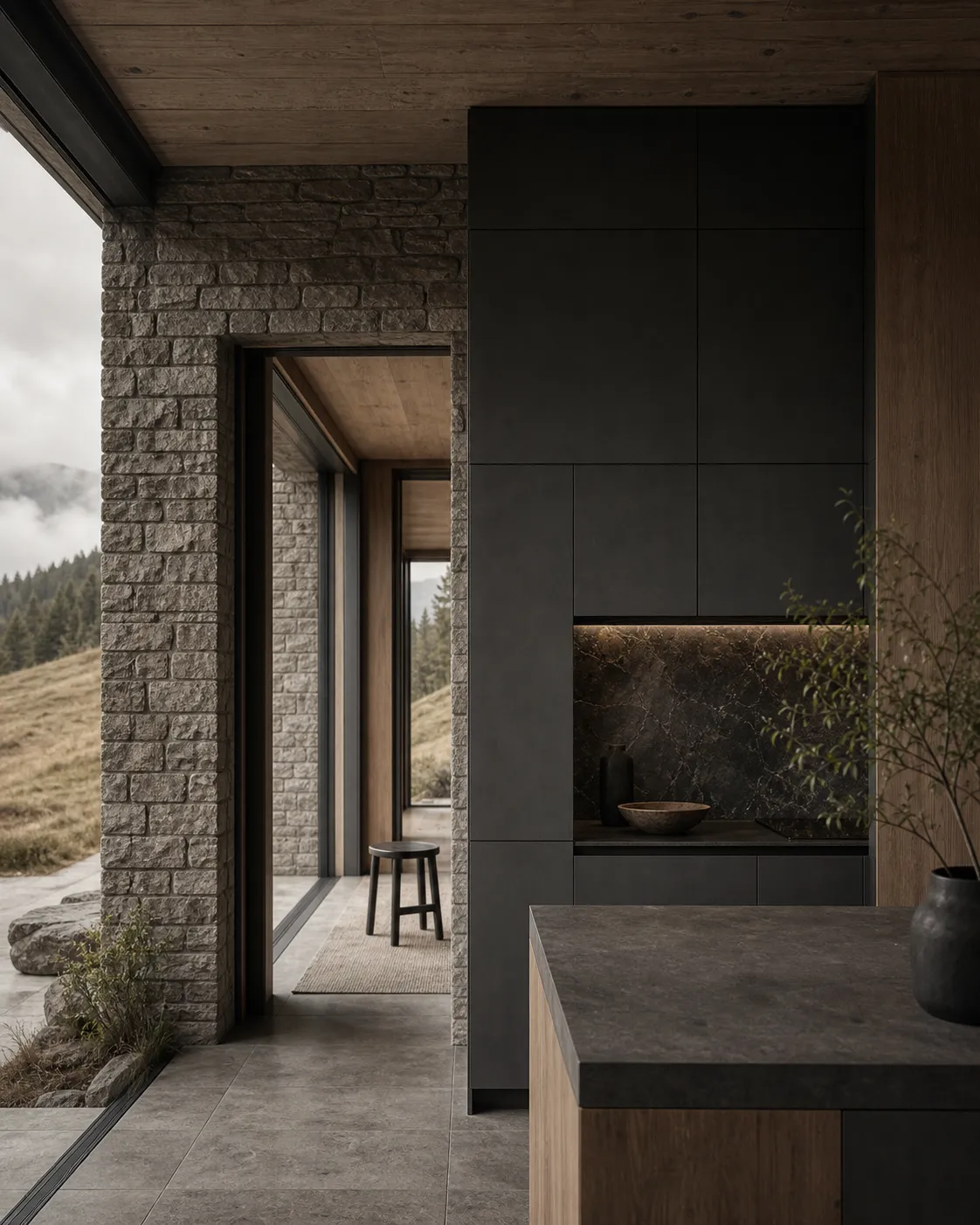
Storage is the part of modular kitchen design that clients underestimate most. It should be audited before finishes are approved. List daily cookware, heavy pots, trays, spices, dry goods, cleaning supplies, breakfast appliances, recycling, pet supplies, and occasional hosting pieces. Then map each group to a cabinet zone. Tall pantry walls help reduce counter clutter. Deep drawers can work better than shelves for heavy cookware. Narrow pull-outs are useful only when the items are real, not invented for a showroom. Appliance garages should be planned with ventilation, power, and cleaning access. NKBA trend material points to floor-to-ceiling cabinetry, more drawers, walk-in or butler pantries, and storage-packed islands as important directions. That is exactly where modular planning earns its value. The module is not the cabinet box alone; it is the promise that each category of object has a reachable home.
What material questions matter in a premium modular kitchen?
The most important material question is not only what the door looks like. The buyer should ask what the cabinet body is made from, how wet zones are protected, how surfaces are finished, how edges are formed, and how the system will be cleaned over time. Composite wood can be used responsibly when it complies with standards, but it still brings an emissions and moisture conversation into the room. EPA rules for composite wood products exist because formaldehyde emissions from hardwood plywood, medium-density fiberboard, and particleboard need regulation. Fadior takes a different route by using 304 stainless steel as the cabinet-body standard. That lets the design brief talk about water, hygiene, durability, recyclability, and long-term use without pretending that the hidden substrate is irrelevant. The final room can still be warm through color, texture, lighting, and surface treatments. Material proof should make the design calmer, not more technical.
How do you compare modular, semi-custom, and full custom kitchens?
The three terms are often used loosely, so the decision should be tied to control. A modular kitchen uses planned cabinet zones and repeatable logic, which can shorten decision time and reduce specification ambiguity. A semi-custom kitchen adjusts sizes, finishes, and accessories around a catalog or platform. A full custom kitchen solves unusual rooms, special proportions, or highly personal storage needs from the ground up. Premium modular design can overlap with custom work when the manufacturer owns both system logic and fabrication quality. The key is not whether the sales brochure says modular or custom. The key is whether the quote identifies cabinet body material, finish system, dimensions, hardware schedule, lighting allowances, installation conditions, and service responsibilities. If those details are missing, a custom label will not protect the client. If those details are clear, a modular system can feel highly tailored.
Where does 304 stainless steel fit in modular kitchen design?
304 stainless steel belongs in the hidden performance layer of a modular kitchen. It is most valuable where water, steam, cleaning, repeated drawer use, and long service life matter. ASTM A240 covers chromium and chromium-nickel stainless sheet and strip for general applications, including architectural and building uses. For the homeowner, the practical point is simpler: the cabinet body should not be treated as a disposable substrate. Fadior builds the cabinet system around 304 stainless steel, then uses surface treatments and warm visual language to avoid an industrial mood. That makes it possible to combine modular planning with a healthier, more durable cabinet structure. The article should not turn into a metallurgy lesson. It should help the buyer ask: what is behind the door, what happens at the sink, how is the surface finished, and what will still be stable after years of daily cleaning?
What should Gulf villa and apartment buyers add to the brief?
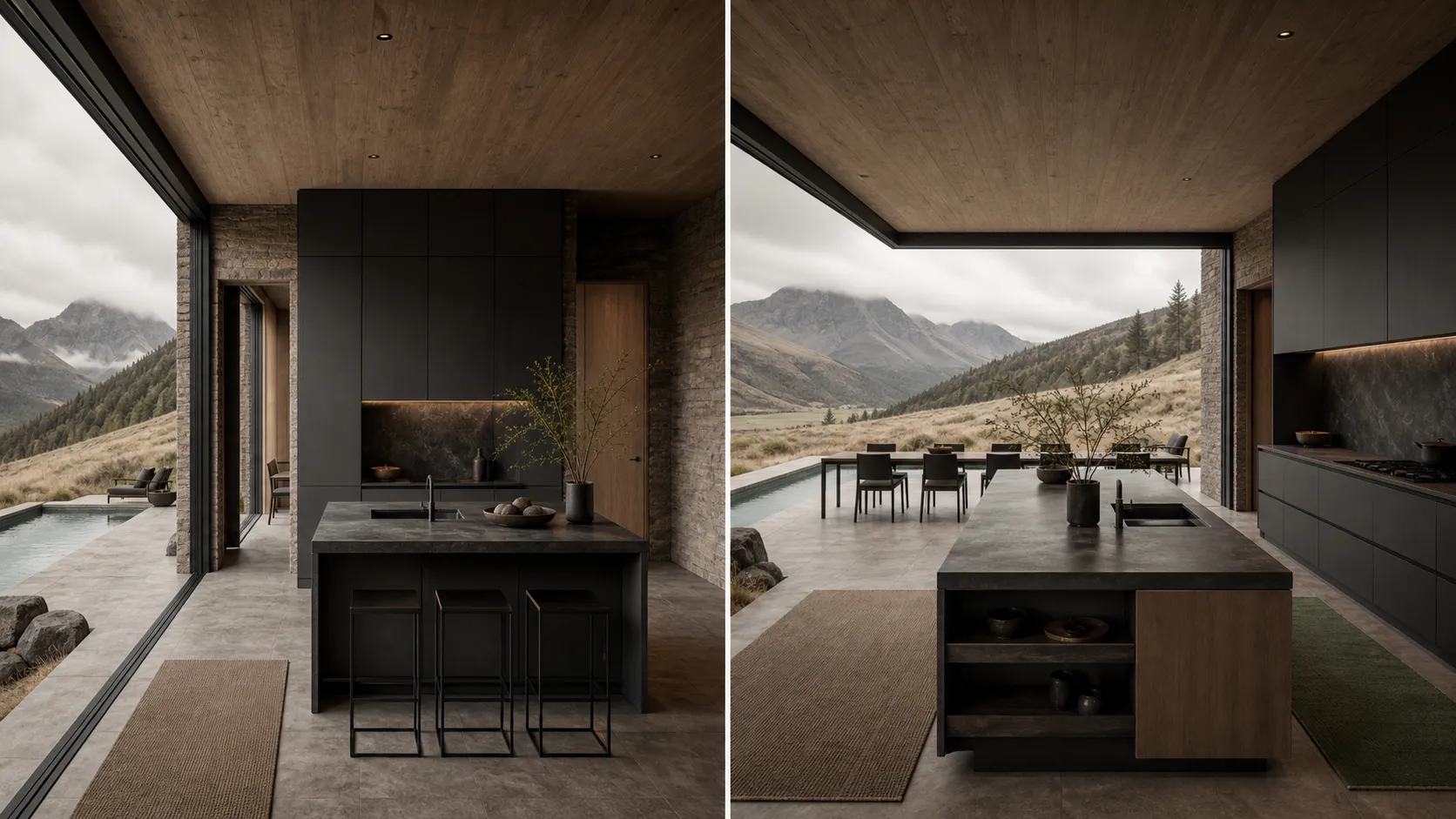
For UAE and Saudi buyers, modular kitchen design should be tested against heat, hospitality, family scale, staff circulation, and whole-home connection. A Dubai apartment may need a clean social kitchen that connects to dining and view lines, with a concealed service route for heavy cooking. A Riyadh villa may need pantry depth, coffee and beverage areas, generous island seating, and a separate prep zone. In both cases, the modular plan should specify ventilation, lighting, appliance access, tall storage, and cleaning durability before finishes are selected. The GKP evidence in this run matters because AE and SA demand are unusually strong for this term. It suggests local buyers are actively searching in English for a planning model, not only a decorative style. That is a useful signal for Fadior: explain the system, the material, and the planning sequence in a way an architect, developer, or homeowner can reuse.
What mistakes make modular kitchens look cheap?
A modular kitchen looks cheap when the modules are visible as compromises instead of decisions. Common mistakes include filler-heavy wall runs, repeated cabinet widths that ignore the room, too many upper cabinets, shallow pantry planning, appliance towers placed for symmetry instead of use, weak lighting, and a finish palette chosen before the storage audit. Another mistake is treating modular as a price category. A high-end modular kitchen still needs proportion, reveal control, exact appliance clearances, durable body material, and strong installation notes. The best way to prevent a cheap result is to separate the brief into five layers: workflow, storage, material, lighting, and atmosphere. If a finish does not serve those layers, it should not be approved yet. This is also where a brand like Fadior can be specific. The 304 stainless steel system is a planning advantage only when it is connected to sink zones, cleaning routines, surface treatments, and long-term use.
What should be included in a modular kitchen quote?
A useful quote should include more than cabinet count and finish names. It should identify cabinet body material, door finish, countertop interface, hardware brand or performance level, drawer and shelf types, lighting scope, appliance model assumptions, sink and faucet allowances, backsplash decisions, installation site conditions, delivery sequence, warranty terms, and what happens if walls or utilities differ from drawings. The quote should also separate visible design choices from hidden performance choices. Buyers often compare two quotes by the render, but the real difference may sit in the substrate, drawer system, finish process, or installation detail. A modular system should make quoting easier because repeated logic can be scheduled and checked. If the quote is vague, ask for a zone-by-zone breakdown: tall storage, wet zone, cooking zone, island, pantry, appliance wall, lighting, and service access.
How should you brief Fadior for a modular kitchen project?
Brief Fadior with lifestyle first and style second. Share the household size, cooking frequency, entertaining pattern, wet-zone needs, appliance list, storage audit, room dimensions, climate conditions, and desired relationship between kitchen, dining, terrace, and service spaces. Then describe the atmosphere: calm retreat, warm contemporary, Gulf villa luminous, urban apartment, or quiet family hub. The material baseline should stay clear: 304 stainless steel cabinet bodies, appropriate surface treatment, and a finish palette that reads residential. Bring reference images for mood, but do not let images replace the plan. The strongest modular kitchen design is not a collage of inspiration photos. It is a sequence of decisions that can survive measurement, manufacturing, installation, cleaning, and daily life. A final approval meeting should test the kitchen as a lived routine, not as a render. Ask the designer to walk through breakfast, heavy cooking, cleanup, entertaining, grocery unloading, and maintenance in sequence. If the same cabinet, walkway, or outlet is expected to solve every moment, the plan needs another pass. The strongest modular kitchen has fewer heroic gestures and more quiet decisions: a sink zone that can be cleaned fast, a pantry wall that absorbs bulk storage, a prep surface with light in the right place, and a service route that stays invisible during hosting. This discipline is what makes a premium system feel calm after installation, when the novelty of the first photograph is gone and daily use begins.
How should a modular kitchen handle appliances and service access?
Appliance planning should be treated as a module in its own right. A refrigerator needs landing space and door swing clearance. An oven tower needs a safe tray landing zone. A dishwasher needs a sink relationship, a clear unloading route, and storage for daily plates nearby. A coffee station needs power, water expectations, heat clearance, and a drawer or shelf for beans, cups, filters, and cleaning tools. A wine column or beverage cooler should not interrupt the main cooking path. Service access is equally important because a beautiful cabinet wall becomes expensive when a technician cannot reach valves, outlets, filters, or appliance panels. Modular kitchen design should therefore include a service map before sign-off. The drawing should show what can be removed, what can be inspected, and what cannot be blocked by stone, tall panels, or decorative cladding. This is one reason a system-led cabinet brand has an advantage: repeatable planning can turn appliance complexity into predictable zones instead of site improvisation.
How should lighting be layered in modular kitchen design?
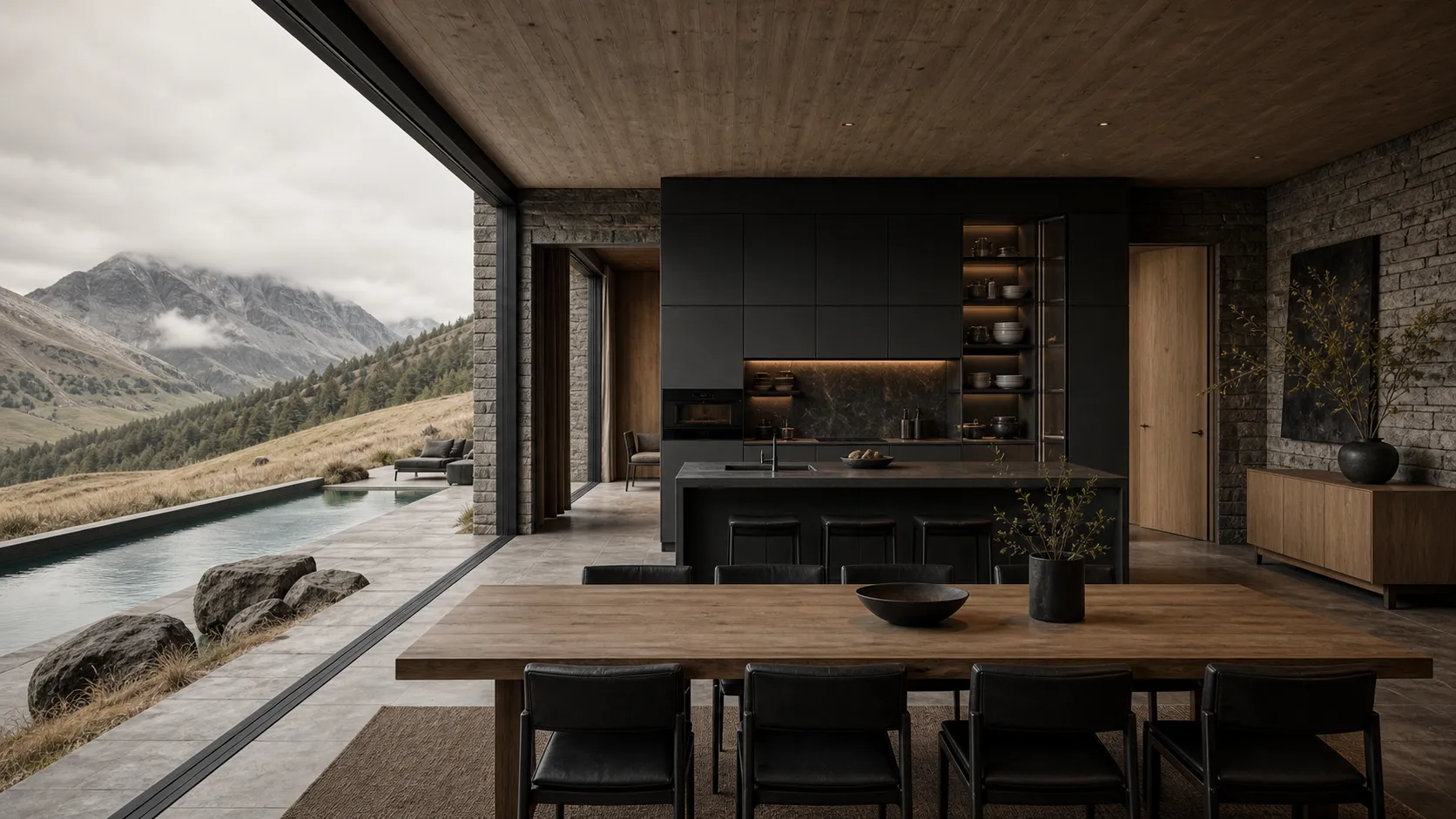
Lighting should follow the same modular logic as storage. Start with task lighting for the sink, prep counter, cooktop, and appliance zones. Add under-cabinet or shelf lighting only where it helps work or visibility; do not use it as a decorative strip with no purpose. Add ambient lighting for the room, then accent lighting for dining, display, or evening mood. The live NKBA research used for this run points to natural lighting, quality lighting, task lighting, under-cabinet lighting, interior cabinet lighting, and pendant lighting as important 2026 considerations. The practical lesson is that one ceiling grid is not enough. Modular kitchen design works best when each zone has a lighting job: prep needs accuracy, pantry needs visibility, display needs softness, and dining needs comfort. Controls should be planned by scene, not only by fixture. A morning breakfast scene, a serious cooking scene, and a hosting scene all require different brightness, warmth, and glare control.
How should modular kitchen design stay flexible over ten years?
A premium modular kitchen should anticipate change without looking temporary. Families change cooking habits, children grow, appliances are replaced, and storage priorities shift. Flexibility does not mean movable boxes everywhere. It means the plan has strong permanent anchors and adaptable internal organization. The wet zone, cooking zone, appliance tower, and structural island should be stable. Drawer inserts, pantry accessories, shelf heights, lighting scenes, and small-appliance storage can adapt over time. This distinction protects the budget. Spend on cabinet body durability, accurate fabrication, ventilation, lighting infrastructure, and installation quality first. Keep decorative accessories and internal organizers easier to refresh. Fadior’s 304 stainless steel body strategy fits this long horizon because it treats the cabinet structure as durable infrastructure. The visual finish can carry the mood of the home, while the hidden body keeps performing under water, cleaning, steam, and repeated contact. A ten-year modular kitchen is not frozen; it is planned with enough discipline that future changes do not damage the core system.
What is the fastest way to judge a modular kitchen proposal?
Use a one-page red flag review. First, check whether the proposal names the cabinet body material and finish process. Second, check whether the layout drawing shows workflow, not only elevations. Third, check whether every appliance has clearance, power, ventilation, and service notes. Fourth, check whether storage is mapped to real household objects. Fifth, check whether lighting is layered by work zone and mood. Sixth, check whether the quote separates included items from allowances. Seventh, check whether the installer has a plan for uneven walls, utility conflicts, and site measurement changes. If any of these seven items are vague, the render is ahead of the project. This does not mean the design is bad; it means the proposal is not ready for approval. A good modular kitchen design should make the buyer feel less dependent on trust and more confident in the documented sequence of decisions. The result should be easy to explain, easy to quote, easy to install, and easy to live with after the first season of daily cooking.
Modular kitchen pre-approval checklist
- Confirm the primary cooking path before approving the island.
- Audit storage by object category, not by cabinet count.
- Specify 304 stainless steel cabinet bodies for Fadior wet and high-use zones.
- Separate visible finish decisions from hidden performance decisions.
- Check every internal link, citation, image alt, and FAQ before publish.
Frequently Asked Questions
Questions this guide answers
- Is modular kitchen design cheaper than custom kitchen design?
- Not always. Modular design can reduce ambiguity because cabinet zones and specifications are coordinated, but premium materials, special finishes, appliances, and installation conditions can still place it in a high-end budget range.
- What is the first decision in modular kitchen design?
- The first decision is workflow. Define where groceries land, where washing happens, where cooking happens, where serving happens, and how people move through the room before choosing cabinet fronts.
- Can a modular kitchen look warm instead of industrial?
- Yes. Warmth comes from proportion, lighting, color, texture, and room context. A 304 stainless steel cabinet body can sit behind residential finishes and still support a calm, warm kitchen.
- Why does 304 stainless steel matter for modular kitchens?
- It matters because the cabinet body is exposed to water, cleaning, steam, and repeated daily use. Fadior uses 304 stainless steel so the hidden performance layer matches the premium visible design.
- What should be checked before signing a modular kitchen quote?
- Check cabinet body material, finish process, dimensions, hardware, appliance assumptions, lighting, countertop interface, installation conditions, warranty terms, and service access.
- Is modular kitchen design relevant for UAE and Saudi homes?
- Yes. This run found strong GKP demand in both AE and SA. Gulf homes often need pantry depth, hospitality circulation, terrace connection, and durable wet-zone planning, all of which suit modular thinking.
Related products
Specific products worth reviewing next.
References
Authoritative sources cited in this article
- NKBA 2026 Kitchen Trends Report release
2026 kitchen trends release with storage, lifestyle, lighting, and whole-home planning signals.
NKBA
- 2026 U.S. Houzz Kitchen Trends Study
Cabinet material, storage, and renovation-planning data from the 2026 Houzz kitchen study.
Houzz
- modular kitchen design guide
Current modular kitchen design guide covering layout, storage, materials, and workflow.
A House in the Hills
- EPA composite wood product standards
Composite wood formaldehyde standards context for material-proof discussion.
EPA
- ASTM A240 specification page
ASTM A240 sheet specification context for 304 stainless steel material claims.
ASTM
- NKBA 1Q26 Kitchen & Bath Market Index
2026 kitchen and bath market context for premium demand and industry conditions.
NKBA KBMI
Editorial transparency
Yuki Tanaka is a composite editorial persona maintained by Fadior Home's editorial team. Articles attributed to this byline are produced through an AI-assisted editorial workflow with human review, and represent the consolidated voice of multiple researchers and contributors.
Actually delivered
Real homes photographed after handover, not renders.
Ready to specify?