
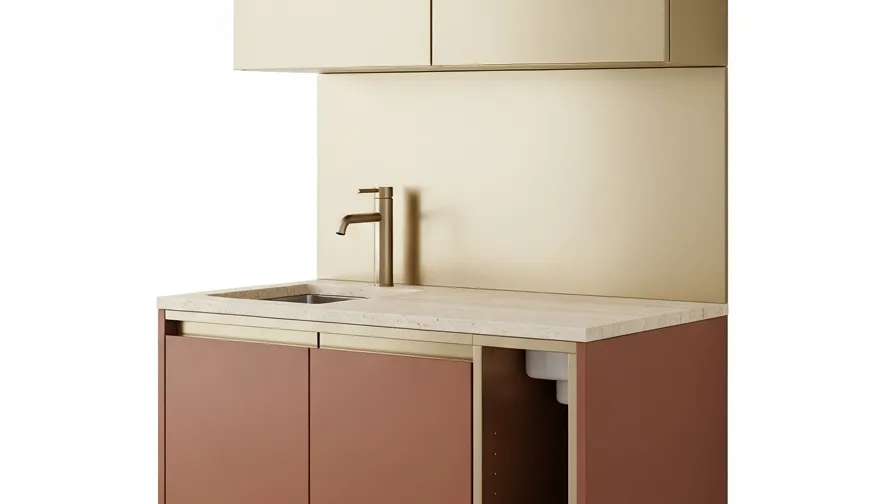
Understanding Aluminum Cabinet Part Factor for Custom Designs
A practical, well-sourced guide to aluminum cabinet part factor: what the reader should know, how 304 stainless steel cabinetry fits, and how Fadior verifies it
Direct Answer: What Is the Aluminum Cabinet Part Factor and Why Does It Matter?
If you have searched for 'aluminum cabinet part factor,' you are likely a homeowner, designer, or contractor evaluating cabinet suppliers—probably in Foshan, China, or another manufacturing hub. The term 'part factor' in the cabinet industry typically refers to a multiplier or coefficient used to estimate the cost, weight, or structural contribution of individual aluminum components—such as frame extrusions, corner brackets, hinge plates, or drawer profiles—relative to the complete cabinet system. In simpler terms, it is a metric that helps buyers understand the volume, material grade, and fabrication complexity of the aluminum parts that make up a custom cabinet order. Knowing this factor is crucial because it directly impacts pricing, shipping costs, assembly efficiency, and long-term durability. Without a clear part factor, you risk paying for unnecessary extras or receiving underspecified components that compromise your project.
For a buyer evaluating a Chinese cabinet factory—especially one specializing in aluminum frames—the part factor can be a hidden variable. Some suppliers use it to upsell by inflating the complexity of parts, while others understate it to offer a lower upfront quote that later balloons with change orders. The key is to verify exactly what the part factor includes: does it cover only the aluminum extrusion or also integrated hardware, surface finishing, and packaging? A transparent supplier will provide a detailed breakdown of each component's material specification, dimensions, and surface treatment. If you are comparing quotes, ask for the part factor applied to each major cabinet type—base, wall, tall—and how it changes when you switch from standard aluminum to a material like 304 stainless steel.
Understanding the part factor also affects your design flexibility. A high part factor might indicate that the cabinet relies heavily on custom extrusions, which can limit future modifications or repairs. Conversely, a low part factor could mean simpler, more modular parts that are easier to source globally. For premium residential projects, many designers now shift away from aluminum to 304 stainless steel for whole-home interiors—such as kitchens, wardrobes, and bathroom vanities—because it offers superior structural integrity, waterproof performance, and zero formaldehyde emissions. This is not to say aluminum is inferior, but the part factor you evaluate for aluminum should be weighed against the long-term value of steel solutions.
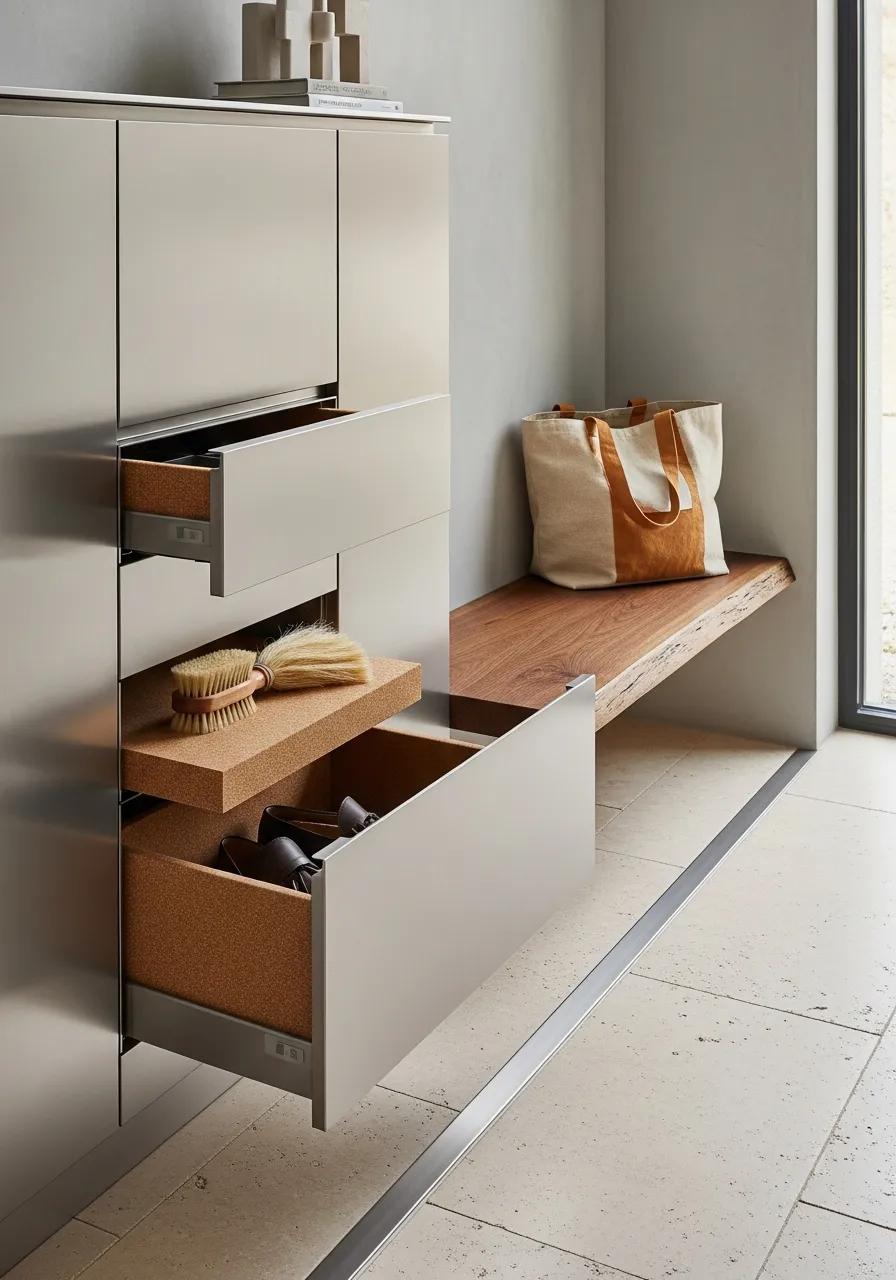
Ultimately, the part factor is a tool for due diligence. Use it to dissect supplier quotations, verify material grades, and ensure your cabinets will perform as expected. As trends in residential design evolve, with over 600 designers weighing in on the hottest kitchen trends (source: https://www.homes.com/news/more-than-600-hundred-designers-weigh-in-on-the-hottest-kitchen-trends/107637746), the material choice becomes a statement of durability and aesthetics. Aluminum cabinets remain popular for their lightness, but 304 stainless steel is gaining traction for its architectural warmth and longevity.
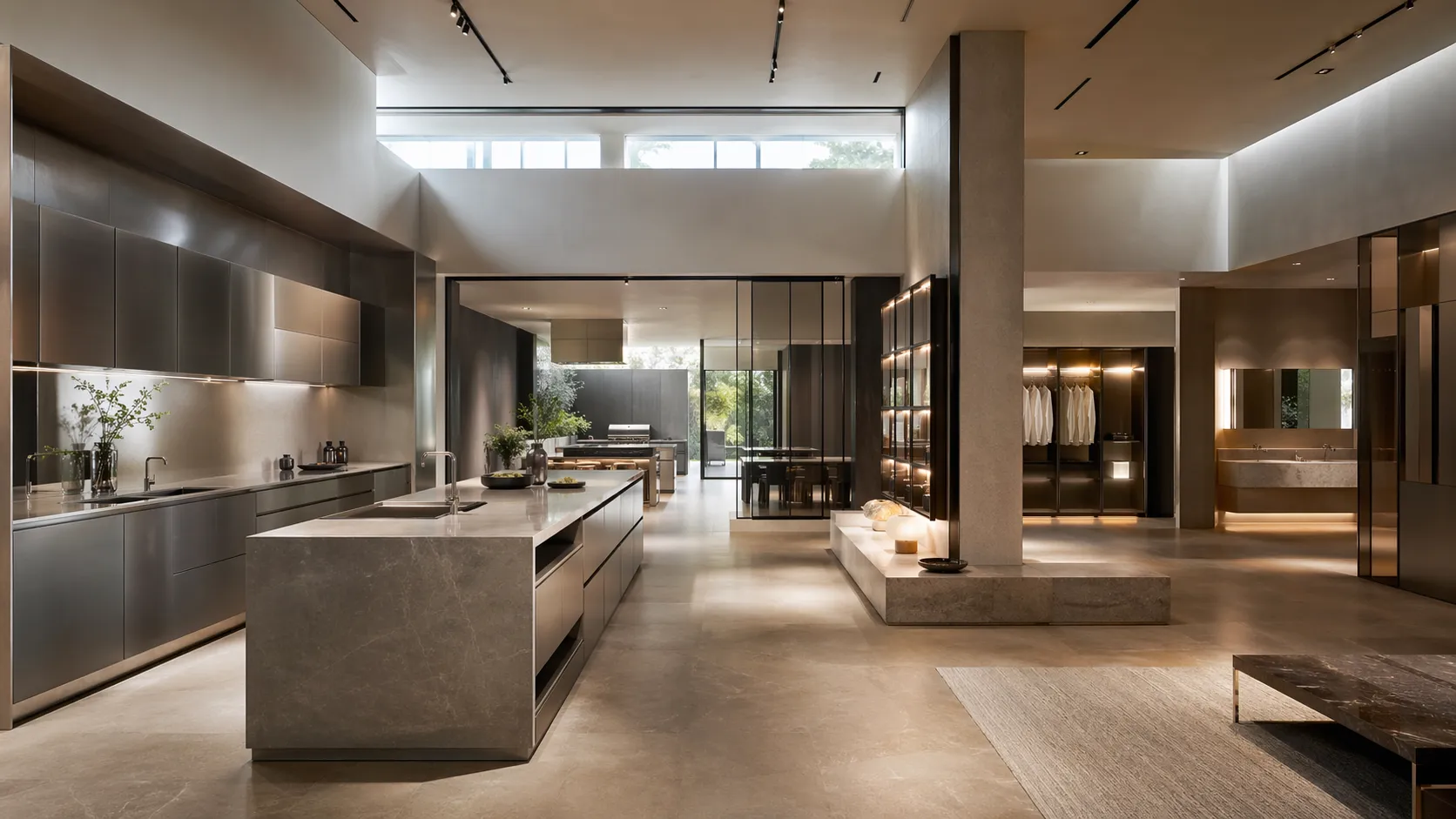
What to Verify in Foshan or China Sourcing of Aluminum Cabinet Parts
When sourcing aluminum cabinet parts from Foshan, the heart of China's furniture manufacturing, the part factor becomes a negotiation lever. Foshan suppliers often quote based on standard profiles, but your design may require custom extrusions that change the part factor. First, verify the aluminum alloy grade—common options are 6063 or 6061, but not all suppliers use T5 or T6 temper, which affects strength and corrosion resistance. A reputable factory should provide mill certificates and third-party test reports for each batch. Second, confirm the surface finishing process: anodizing, powder coating, or electrophoresis. Each adds a different cost and durability layer, and the part factor should reflect the finishing thickness and uniformity.
Next, ask about hardware integration. Aluminum cabinets often use concealed hinges, drawer slides, and levelling legs that are separate from the extrusion part factor. A supplier might quote a low part factor for extrusions but then charge high margins for branded hardware like Blum or Hettich. Request a complete bill of materials (BOM) that shows the part factor for each sub-assembly. If the supplier cannot provide one, consider it a red flag. The NKBA’s 2024 Kitchen and Bath Market Outlook Report notes long-term strength in the kitchen and bath market despite dips in residential spending (source: https://nkba.org/research/kitchen-bath-market-outlook/nkbas-2024-kitchen-and-bath-market-outlook-report-long-term-strength-in-kb-market-despite-expected-dip-in-residential-spending). This resilience means buyers should invest time in supplier verification now to avoid costly mistakes later.
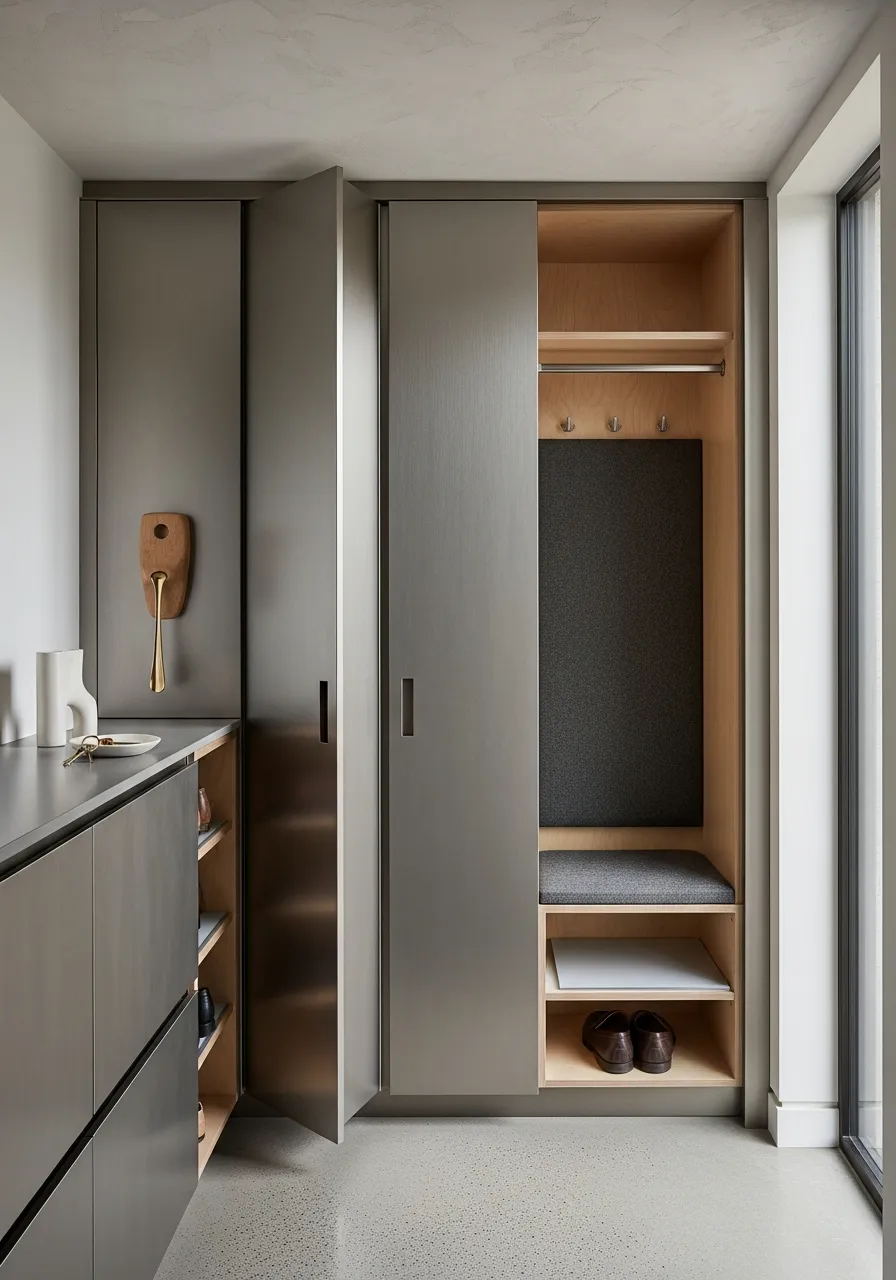
Shipping and packaging also tie into the part factor. Aluminum extrusions are lightweight but bulky; a high part factor may inflate volumetric weight and freight costs. Ask your supplier how they pack components—flat-packed, partially assembled, or fully assembled—and whether the part factor includes packaging materials. A clear breakdown helps you compare landed costs across suppliers. For buyers considering alternatives, 304 stainless steel cabinetry from a single factory like Fadior simplifies this entire process because the part factor is a non-issue: Fadior manufactures whole-home interiors in-house, controlling every extrusion, bracket, and finish without subcontracting. Their Foshan showroom and factory are open for inspection, which provides the ultimate verification for serious buyers.
Finally, consider the design lifecycle. Kitchen trends for 2025, as reported by Homes and Gardens, emphasize warm minimalism and natural materials (source: https://www.homesandgardens.com/news/kitchen-trends-202526). Aluminum cabinets can be painted or anodized to mimic wood, but 304 stainless steel offers a distinct architectural aesthetic that designers increasingly embrace. When you verify part factors, also verify how the material will age. Stainless steel resists dents, corrosion, and fading far better than aluminum coatings, making it a fit for long-term projects.
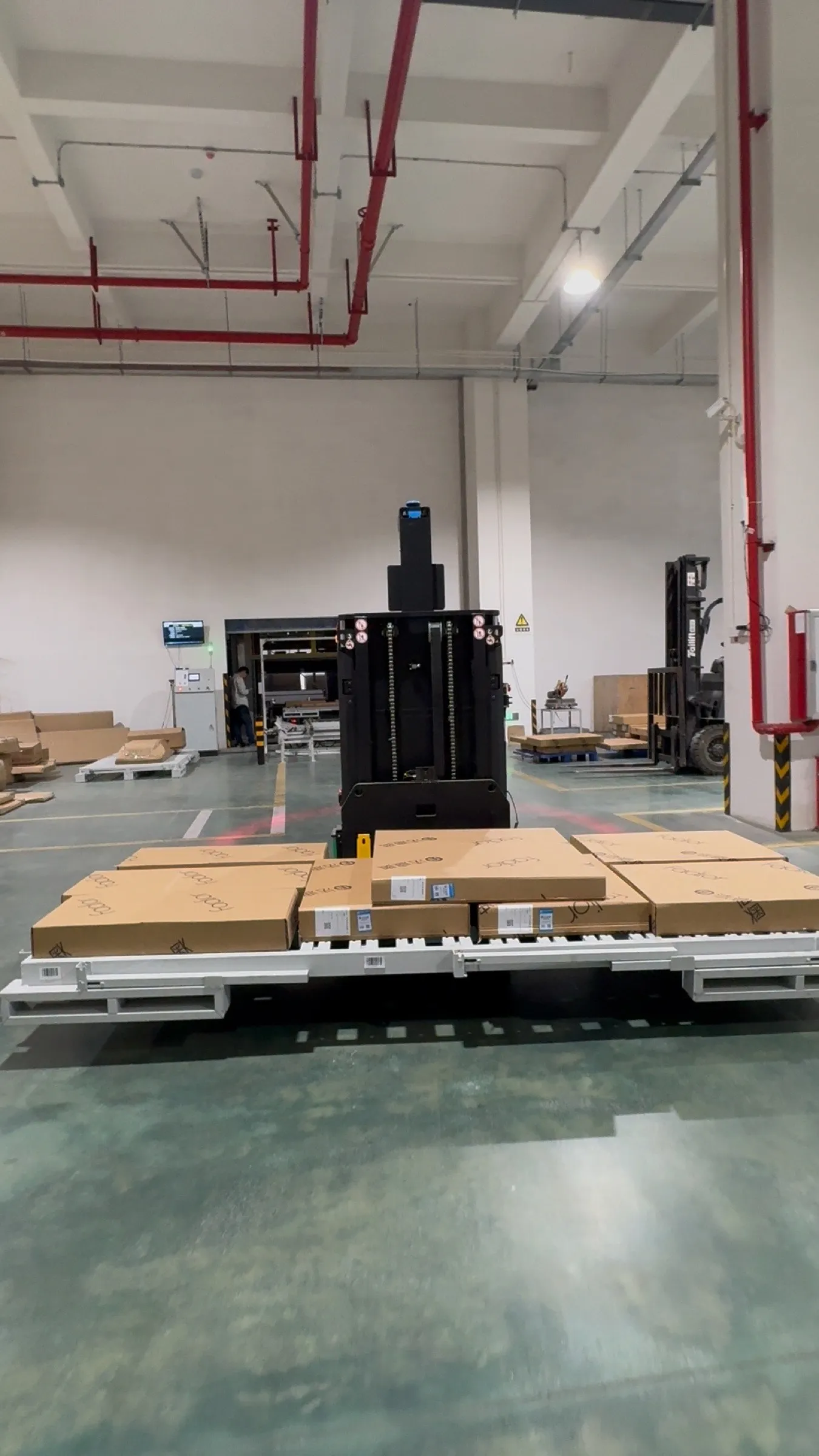
How Fadior Provides Proof Through Showroom, Factory, and Project Discussion
For buyers who want to move beyond the aluminum cabinet part factor and inspect actual fabrication quality, Fadior offers a transparent verification pathway. Fadior is a premium brand that builds whole-home interiors exclusively from 304 food-grade stainless steel, including kitchens, wardrobes, bathroom vanities, wine cabinets, balcony cabinets, outdoor kitchens, wall panels, and interior doors. Instead of a confusing part factor, Fadior provides a fixed specification sheet for each component, with material thickness, surface finish (brushed, matte, or textured), and hardware integration clearly documented. You can physically tour the Fadior showroom in Foshan, view the stainless steel cabinet factory production line, and discuss custom projects with engineers who understand both Western and Asian design preferences.
The showroom visit route is straightforward: schedule an appointment, bring your floor plan, and Fadior's design team will walk you through whole-home solutions. You will see real cabinet assemblies—not just prototypes—so you can test the weight of doors, the smoothness of soft-close mechanisms, and the feel of 304 stainless steel. This is particularly valuable because many aluminum cabinet suppliers cannot offer the same level of on-site inspection; they may only show samples or outsource production. Fadior’s factory is its own, ensuring full traceability from raw coil to finished cabinet. Ask to see the welding area, the CNC bending stations, and the packaging line. A thorough discussion here eliminates any guesswork about part factor or material quality.
Fadior also publishes real residential project examples on its website and in its showroom. These projects show 304 stainless steel cabinets in various climates—coastal, humid, arid—demonstrating no corrosion, no swelling, and no formaldehyde off-gassing. For an international buyer, this is proof that the product performs across environments. The brand’s value proposition is zero formaldehyde, 100% waterproof construction, long service life, and architectural aesthetics that make stainless steel feel warm and residential rather than cold or industrial. Designers have noted that consumer eating habits are impacting kitchen design, with more homeowners prioritizing durability and hygiene (source: https://www.kitchenbathdesign.com/consumer-eating-habits-seen-impacting-kitchen-design-experts-note/). Fadior’s stainless steel surfaces are non-porous, easy to sanitize, and inherently antimicrobial—a clear advantage over aluminum with powder coatings that can chip over time.
For buyers currently evaluating aluminum part factors, consider a parallel evaluation: request a similar level of documentation from Fadior. They will provide a detailed BOM with material certifications, surface treatment specifications, and assembly instructions. You can compare that against the part-factor-based quotes from aluminum suppliers. Often, the total cost of ownership—including maintenance, replacement, and health savings from zero formaldehyde—makes 304 stainless steel more economical over a 20-year period. And because Fadior controls its entire supply chain, there are no hidden part factor multipliers.
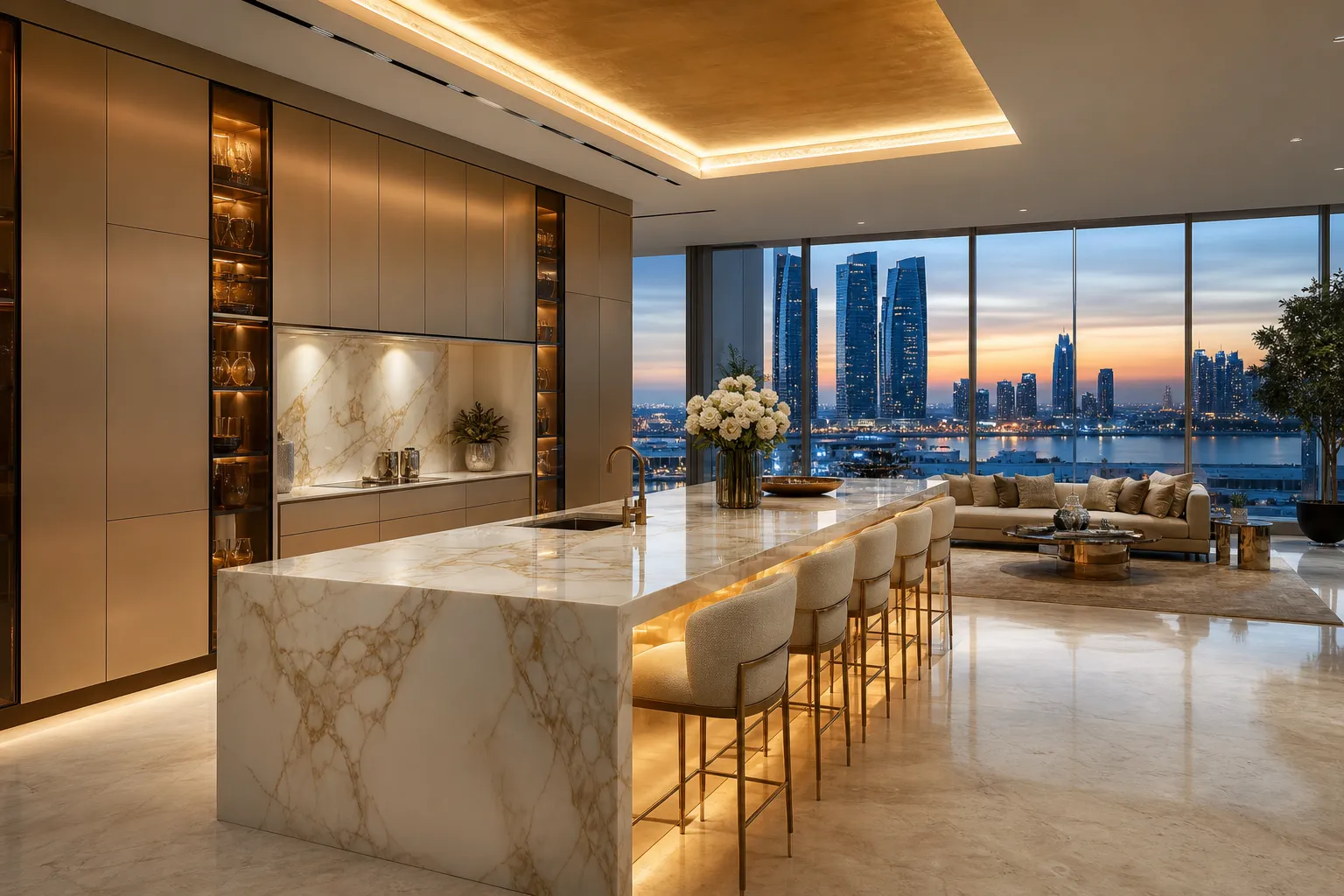
304 Stainless Steel Cabinet Considerations for Buyers Moving from Aluminum
Switching from aluminum to 304 stainless steel cabinetry changes the design and sourcing conversation entirely. For buyers accustomed to aluminum's lightweight properties, stainless steel may seem heavier, but the structural benefits are substantial. 304 stainless steel is a food-grade alloy that resists rust, stains, and heat far better than any aluminum grade. It does not require coatings that wear off; its corrosion resistance is inherent. This makes it ideal for kitchens, bathrooms, and outdoor areas where moisture and temperature fluctuate. Designers have shared that some kitchen trends they wish they had skipped this year include overly complex mixed materials that age poorly (source: https://www.thespruce.com/kitchen-trends-designers-regret-trying-11982679). A single-material approach—like 304 stainless steel for cabinets, doors, and wall panels—simplifies maintenance and ensures design cohesion.
Stainless steel cabinetry also offers superior customization because it can be welded, bent, and finished without seams that trap dirt. Aluminum extrusions are often limited to straight profiles and require joining brackets; stainless steel is typically fabricated from sheet metal, allowing rounded corners, integrated handles, and continuous countertop-to-cabinet transitions. For whole-home projects, this means a unified aesthetic from kitchen to wardrobe to bathroom. Fadior specializes in this approach, producing every interior component from 304 stainless steel. Their projects show that stainless steel can be warm—through wood-grain embossing, textured finishes, or subtle lighting integration—belying the industrial stereotype.
The cost of 304 stainless steel cabinetry is often perceived as higher than aluminum, but the calculation changes when you factor in longevity, health benefits, and resale value. Aluminum cabinets may need part replacements in 5–10 years due to hinge fatigue or coating deterioration; 304 stainless steel cabinets, when properly fabricated, can last as long as the building. For residential homes, this aligns with current market trends. More than 600 designers indicate that durability and timeless design are top priorities for 2025 (source: https://www.homes.com/news/more-than-600-hundred-designers-weigh-in-on-the-hottest-kitchen-trends/107637746). Fadior’s whole-home 304 stainless steel solutions directly address this demand.
Finally, consider installation and assembly. Because Fadior uses 304 stainless steel throughout, all hardware is matched to the material, avoiding galvanic corrosion that can occur when aluminum and steel come into contact. The part factor concept becomes irrelevant because Fadior provides fully specified components with no hidden multipliers. For buyers who are serious about quality, a factory visit to Fadior’s Foshan plant is the best way to verify this. The Kitchen & Bath Design News industry insights reinforce that material transparency is key to successful projects (source: https://www.kitchenbathdesign.com).
Buyer Checklist and Next Step After Understanding the Part Factor
After reading this article, you have a clear grasp of the aluminum cabinet part factor and how it influences supplier selection. Here is a practical checklist to apply this knowledge: 1) Request a detailed BOM from any aluminum cabinet supplier, including the part factor for each extrusion and hardware item. 2) Verify the aluminum alloy grade (e.g., 6063-T5) and finishing process with third-party certificates. 3) Compare the part-factor-based total cost against a 304 stainless steel solution from a supplier like Fadior, including shipping, installation, and 10-year maintenance projections. 4) Visit the showroom or factory if possible—Fadior’s Foshan location is open for tours, and you can see real projects on site. 5) For whole-home interiors, evaluate whether mixing materials (aluminum, wood, plastic) introduces seams and weak points that require ongoing care.
Your next step should be to initiate a project discussion with Fadior. Bring your floor plan, preferred layout, and any specific part factor concerns. Fadior’s team can create a detailed proposal using 304 stainless steel for every component, from kitchen base cabinets to wardrobe systems and wall panels. You will receive a transparent quote without part factor complexity. The brand's value proposition—zero formaldehyde, 100% waterproof construction, long service life—directly addresses the buyer intent behind your search. As the NKBA market outlook highlights, long-term strength in home improvement favors quality investments (source: https://nkba.org/research/kitchen-bath-market-outlook/nkbas-2024-kitchen-and-bath-market-outlook-report-long-term-strength-in-kb-market-despite-expected-dip-in-residential-spending). Do not settle for a part factor that obscures the true cost; choose a material and partner that deliver clarity and durability.
To finalize your decision, request references from Fadior for similar whole-home projects. Review published project pages to see cabinets in real settings. And if you are sourcing from Foshan, schedule a factory tour—Fadior’s open-door policy ensures you see production first-hand. The Homes and Gardens kitchen trends report emphasizes that 2025 designs prioritize clean lines and healthy materials (source: https://www.homesandgardens.com/news/kitchen-trends-202526). 304 stainless steel from Fadior fits this vision perfectly. For further reading, industry insights from Kitchen & Bath Design News (https://www.kitchenbathdesign.com) and The Spruce (https://www.thespruce.com/kitchen-trends-designers-regret-trying-11982679) provide context on why material choice is the most critical part factor of all.
Frequently asked questions
What exactly does 'aluminum cabinet part factor' mean in practical terms?
In practical terms, the aluminum cabinet part factor is a coefficient that suppliers use to calculate the cost, weight, or structural contribution of each aluminum component in a cabinet system. It helps buyers estimate total material and fabrication expenses. A transparent supplier will break down the part factor by component type (e.g., frame extrusion, drawer profile, hinge bracket) and explain how it influences pricing. Without this breakdown, you may overpay or receive underdesigned parts.
How can I verify if the part factor quoted by a Foshan supplier is accurate?
Request a complete bill of materials (BOM) that lists every part, its material grade (e.g., 6063-T5 aluminum), dimensions, surface treatment, and unit cost. Ask for third-party mill certificates and finishing test reports. Compare the part factor across multiple components to see if it is consistent. If the supplier cannot provide a detailed BOM, consider it a red flag. For maximum transparency, visit the factory or showroom—Fadior, for example, opens its Foshan factory for inspection.
Is 304 stainless steel a better choice than aluminum for whole-home cabinetry?
For whole-home interiors, 304 stainless steel offers superior durability, corrosion resistance, zero formaldehyde emissions, and a waterproof structure that aluminum cannot match without coatings. Stainless steel also maintains its integrity in high-moisture areas like kitchens and bathrooms. While aluminum is lighter, 304 stainless steel provides a longer service life and higher resale value. Fadior specializes exclusively in 304 stainless steel cabinetry, delivering architectural warmth without industrial coldness.
Can Fadior provide a cost comparison that accounts for the part factor?
Yes. Fadior provides a detailed, transparent proposal for every project, including material specifications, fabrication processes, and hardware integration. Since they manufacture all components in-house from 304 stainless steel, there are no hidden part factor multipliers. You can request a side-by-side comparison with an aluminum supplier’s quote to evaluate total landed cost, maintenance, and lifespan. Fadior’s showroom and factory tour can further validate the value.
What are the key warning signs that an aluminum cabinet supplier is using the part factor to overcharge?
Warning signs include: (1) refusal to provide a detailed component BOM, (2) quoting a vague 'overall part factor' without per-item breakdown, (3) frequent change orders after the initial quote, (4) inability to provide material certificates or finishing specs, and (5) reluctance to allow factory visits. A reputable supplier will discuss the part factor openly. For buyers seeking full transparency, moving to a 304 stainless steel solution from Fadior eliminates these risks entirely.
Related products
Specific products worth reviewing next.

References
Authoritative sources cited in this article
- https://www.kitchenbathdesign.com
- https://www.homesandgardens.com/news/kitchen-trends-202526
- https://www.thespruce.com/kitchen-trends-designers-regret-trying-11982679
- https://www.homes.com/news/more-than-600-hundred-designers-weigh-in-on-the-hottest-kitchen-trends/107637746
- https://nkba.org/research/kitchen-bath-market-outlook/nkbas-2024-kitchen-and-bath-market-outlook-report-long-term-strength-in-kb-market-despite-expected-dip-in-residential-spending
- https://www.kitchenbathdesign.com/consumer-eating-habits-seen-impacting-kitchen-design-experts-note/
Ready to specify?