
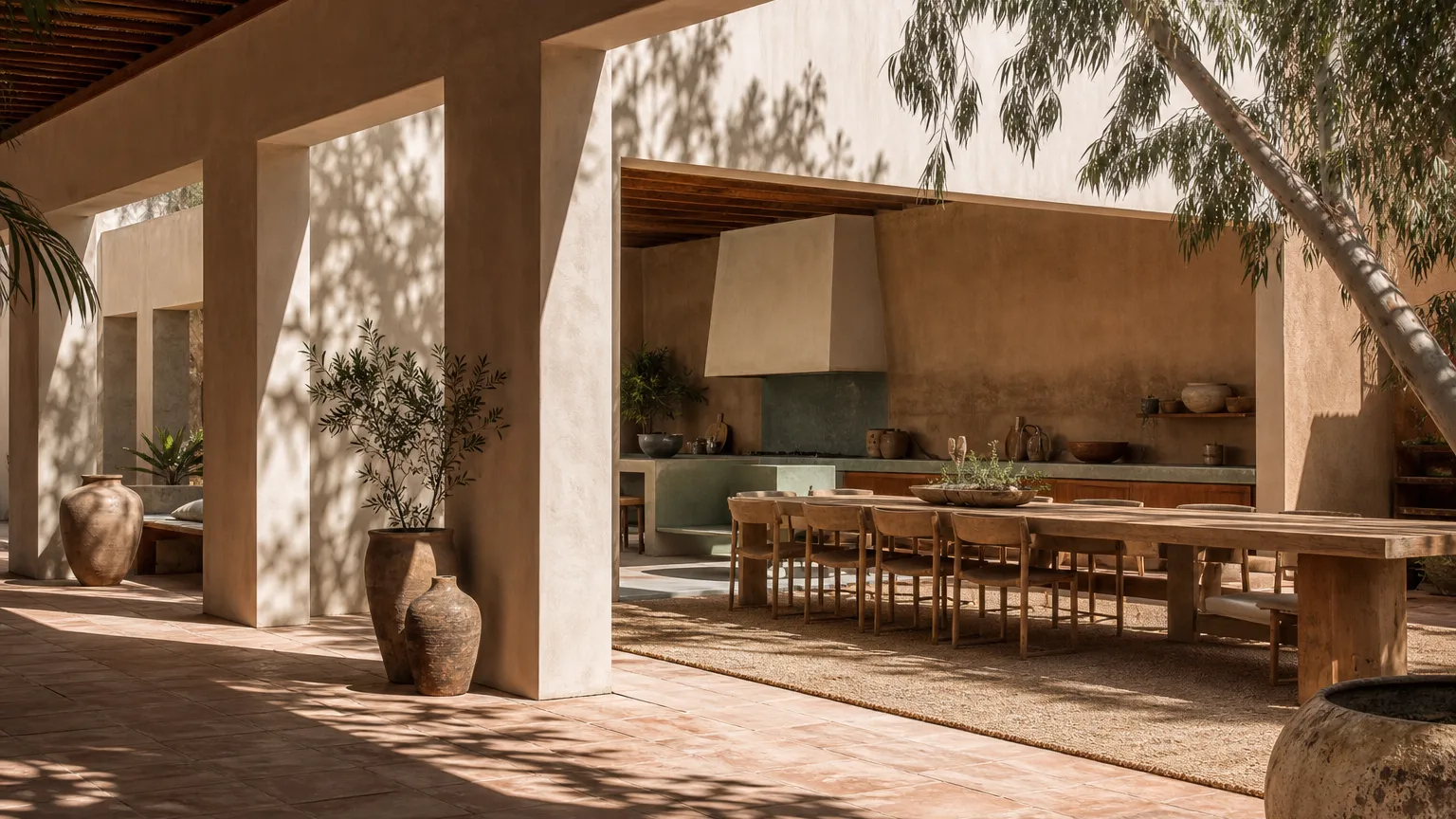
Cabinet Material Duty Map
A cabinet material duty map shows where aluminum systems belong and where 304 stainless steel remains the safer cabinet-body baseline for wet, durable service.
Direct answer
The Direct Answer
A cabinet material duty map is a specification method that assigns each material to the job it can defend. Aluminum can create light frames, floating wall panels, and a precise contemporary language, as shown by luxury systems such as SieMatic SLX. 304 stainless steel is heavier, but it gives Fadior a stronger baseline for cabinet bodies, waterproof interiors, zero-formaldehyde construction, and long residential service. The right choice depends on where the material sits in the room and what performance the buyer must protect.
- Cabinet material duty map
- A cabinet material duty map is a planning record that separates cabinet body, panel, frame, shelf, finish, and service responsibilities.
What does a cabinet material duty map really compare?
A cabinet material duty map compares more than two surfaces. It compares two engineering habits. Aluminum is valued because it is light, formable, and useful for clean frame systems, wall panels, shelving, and visual thinness. That makes it attractive when a luxury kitchen wants a floating appearance or a panel language that can move from storage to architecture. Stainless steel, especially 304 in Fadior cabinet bodies, starts from a different promise. It is selected for a wet, hard-working, food-adjacent room where cabinet interiors, lower units, utility zones, and long service life matter as much as the front elevation. A buyer should not ask which material sounds more premium. The sharper question is where each material carries load, touches water, resists impact, accepts a finish, and remains repairable after years of use. That is why a material comparison belongs in the specification stage, not in mood-board language.
Why is aluminum attractive in luxury kitchen systems?
Aluminum earns attention because it can make cabinetry feel precise without looking heavy. SieMatic presents SLX as a handle-free kitchen with an aluminum frame, lighting, and a floating visual effect. That language matters because many luxury buyers now want the kitchen to behave like part of the architecture, not only like furniture placed against a wall. Aluminum also supports flexible wall paneling and floating shelves, which can help a kitchen connect to dining, lounge, and display areas. The Aluminum Association describes aluminum as lightweight, corrosion resistant, recyclable, and adaptable across manufacturing uses. Those traits explain why aluminum appears in door frames, panels, shelves, aircraft, facade systems, and modern interior details. The risk is not that aluminum is weak or cheap. The risk is overextending it. A wall panel or light frame can be excellent while a cabinet carcass, sink base, laundry unit, or tropical service kitchen may still need another baseline.
When does 304 stainless steel become the safer cabinet body?
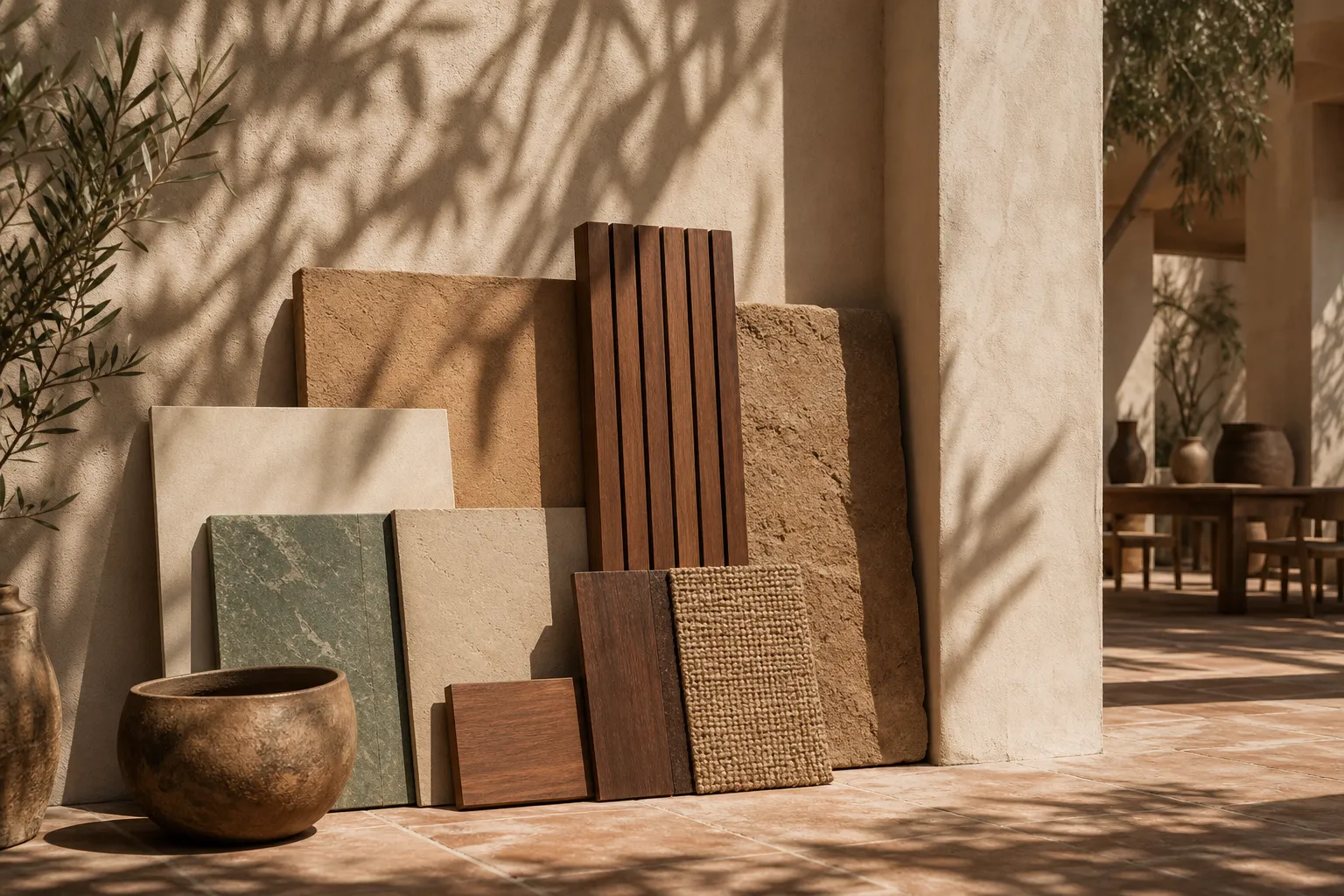
304 stainless steel becomes the safer cabinet body when the kitchen brief involves water, humidity, long cleaning cycles, food preparation, rental turnover, or whole-home consistency. Fadior uses 304 as the cabinet-body baseline because the brand promise depends on waterproof construction, zero-formaldehyde logic, and a surface system that can move from kitchen to wardrobe, vanity, balcony, and laundry. The company intelligence file records 600+ franchise stores, exports to 50+ countries and regions, 213 cumulative patents, and a 600 million RMB smart factory investment. Those facts matter because a material is only as reliable as the production system behind it. In a premium home, a cabinet body is not a decorative insert. It is a storage machine that must tolerate sink zones, cleaning products, weight, door cycles, and local installers. A light material can be beautiful. A cabinet body still needs a duty rating that matches the room.
| Decision point | 304 stainless steel cabinet body | Aluminum cabinet or panel system | Buyer test |
|---|---|---|---|
| Structural duty | Better for lower cabinets, wet zones, utility storage, and heavy service areas | Better for light frames, panels, floating shelves, and thin visual profiles | Ask what carries load and what is only a facing or frame |
| Weight and installation | Heavier and needs disciplined production and installation planning | Lighter and easier to use in wall panels or floating elements | Check wall substrate, fixing method, and service access |
| Corrosion and cleaning | Strong fit for kitchens, vanities, balcony cabinets, and cleaning-heavy rooms | Good corrosion resistance when the alloy and finish match the environment | Confirm alloy, coating, edge protection, and cleaning instructions |
| Luxury appearance | Can be softened through powder coat, PVD, wood-grain transfer, and embossed texture | Can read thin, technical, architectural, and visually light | View full-size samples in actual project light |
| Repair and replacement | Best when the maker controls sheet forming, finish, and spare part logic | Best when panel modules and frame parts can be replaced cleanly | Ask who owns repair responsibility after installation |
How should buyers read SieMatic as evidence, not imitation?
SieMatic is useful evidence because it shows how a premium kitchen brand can use aluminum to express precision, lightness, and wall-system flexibility. It should not be read as a command to make every cabinet body aluminum. A strong specification separates the lesson from the copy. The lesson is that material truth can become luxury when the form, lighting, wall panels, shelves, and storage rhythm all support one idea. Fadior can use that lesson while staying loyal to a 304 stainless steel cabinet baseline. The result is not imitation. It is a different answer to the same luxury problem: how to make a kitchen feel calm, integrated, and durable without hiding the material logic. In practice, the buyer should ask whether aluminum appears as the primary structure, a framed door, a wall panel, a shelf system, or a finish accent. Each role needs a different performance test.
Which material performs better in humid or coastal homes?
Humid and coastal homes punish lazy material choices. Water does not only arrive as spills. It arrives as vapor, salt air, cleaning residue, condensation near cold surfaces, and damp service zones. Aluminum can perform well when the alloy, coating, and detailing are correct, and it is widely used in exterior and transportation contexts for that reason. Yet kitchen cabinetry has its own risks: enclosed corners, sink bases, detergent exposure, cut edges, and repeated contact with hardware and stone. Fadior answers those risks by keeping 304 stainless steel as the cabinet-body material across wet and storage-heavy zones. The comparison should stay specific. Aluminum may be excellent for a floating display wall or upper panel system. 304 stainless steel is often the more conservative choice for a sink base, dishwasher-adjacent run, outdoor prep cabinet, balcony unit, or humid villa service kitchen.
Buyer specification checklist
- Identify which parts are structural cabinet bodies and which parts are panels, frames, shelves, or decorative surfaces.
- Request the exact material grade for the cabinet body and the exact finish process for visible panels.
- View samples under morning, afternoon, and artificial light before approving color or texture.
- Ask how cut edges, sink zones, and cleaning-heavy areas are protected.
- Confirm who supplies spare parts and who handles repair after 5, 10, and 20 years.
- Keep 304 stainless steel as the Fadior baseline whenever the brief includes wet storage, food preparation, or whole-home durability.
Does light weight always mean better cabinetry?
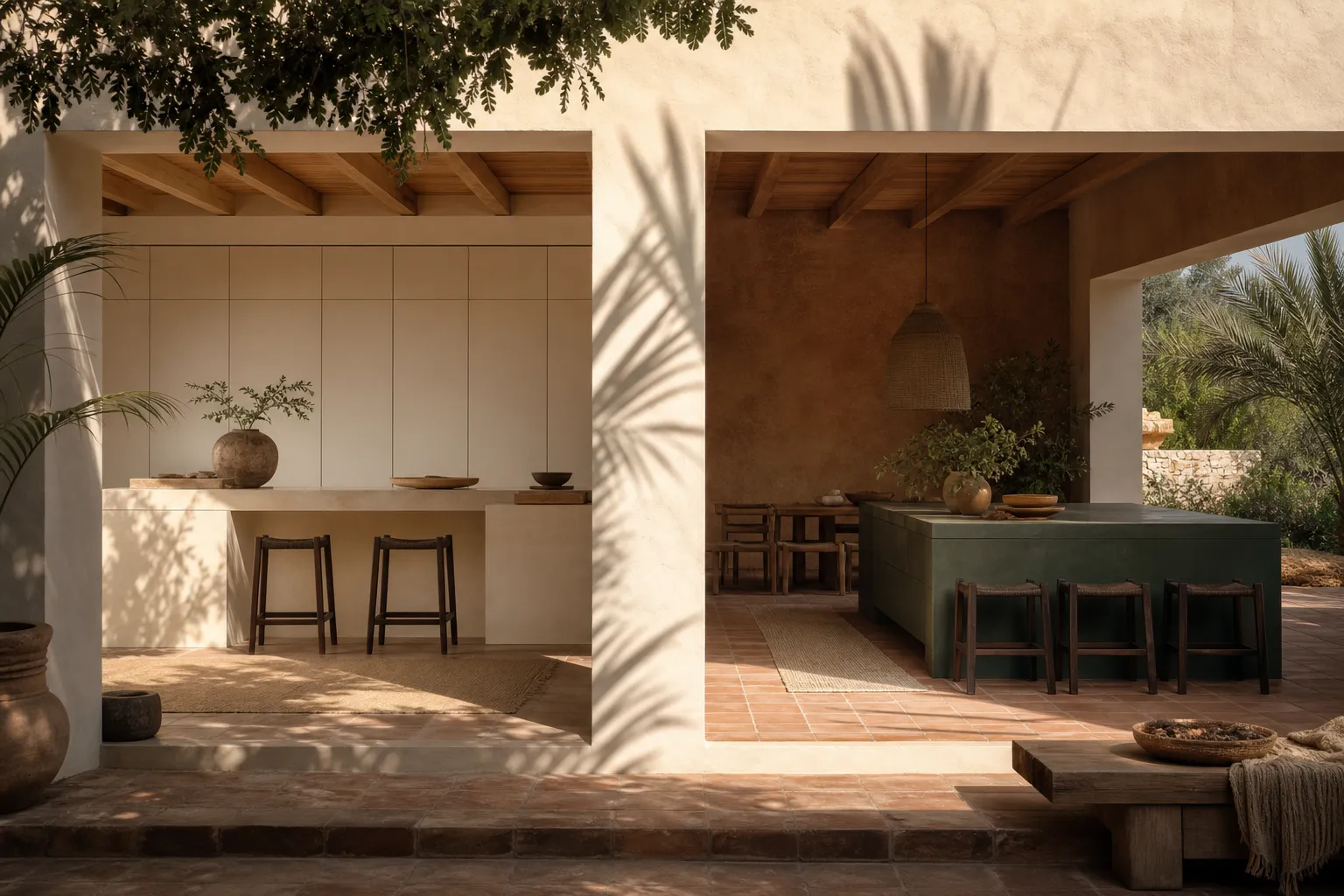
Light weight is useful, but it is not automatically better. A lighter panel can reduce load on a wall, help a floating shelf feel effortless, and make a tall visual system easier to install. Those are real advantages. But a kitchen also needs mass in the right places. Lower cabinetry must resist racking, stone load, appliance vibration, cleaning impact, and the daily habit of people leaning, pulling, storing, and washing. A material that is ideal for a thin frame may not be ideal for a wet cabinet body. The buyer should therefore avoid one-word judgments. Heavy can mean overbuilt, but it can also mean stable. Light can mean elegant, but it can also mean under-specified if the duty is wrong. The best kitchen specification uses weight as a design variable, then assigns each material to the job it does best.
How do finishes change the emotional reading of both materials?
The emotional reading of a cabinet material depends heavily on finish. Bare aluminum can feel technical and precise; framed or anodized surfaces can feel architectural; powder-coated or brushed finishes can soften the effect. Stainless steel has the same challenge. If it is read only as a commercial kitchen surface, it feels cold. Fadior counters that by using powder coat, PVD tones, 3D wood-grain transfer, linen-embossed texture, cloud-texture anti-pollution treatment, and nano-coated pearl white finishes. The material does not need to shout. It needs a finish system that survives use while fitting the room. That is why sample approval should happen in the actual lighting plan. A champagne tone, clay white, deep olive, or warm wood-grain effect can change dramatically between showroom light and courtyard light. The buyer should approve surface language only after performance and room atmosphere agree.
What should architects specify before approving either material?
Architects should specify material role before naming the material. The schedule should say whether an element is a cabinet body, door face, framed insert, wall panel, shelf, plinth, island skin, vanity body, or outdoor prep unit. Then it should list dimensions, load assumptions, finish process, edge protection, hardware interface, cleaning method, warranty route, and replacement logic. For Fadior, the central record is a 304 stainless steel body with finish options applied through controlled factory processes. For an aluminum-led system, the central record should state alloy, standard, finish, panel thickness, fixing method, and whether the supplier treats it as structural or decorative. This protects the buyer from vague luxury language. It also makes the decision fair. Aluminum should be judged on the jobs where it is strong. 304 stainless steel should be judged on the jobs where long wet-room service matters most.
Why does factory responsibility matter more than the material label?
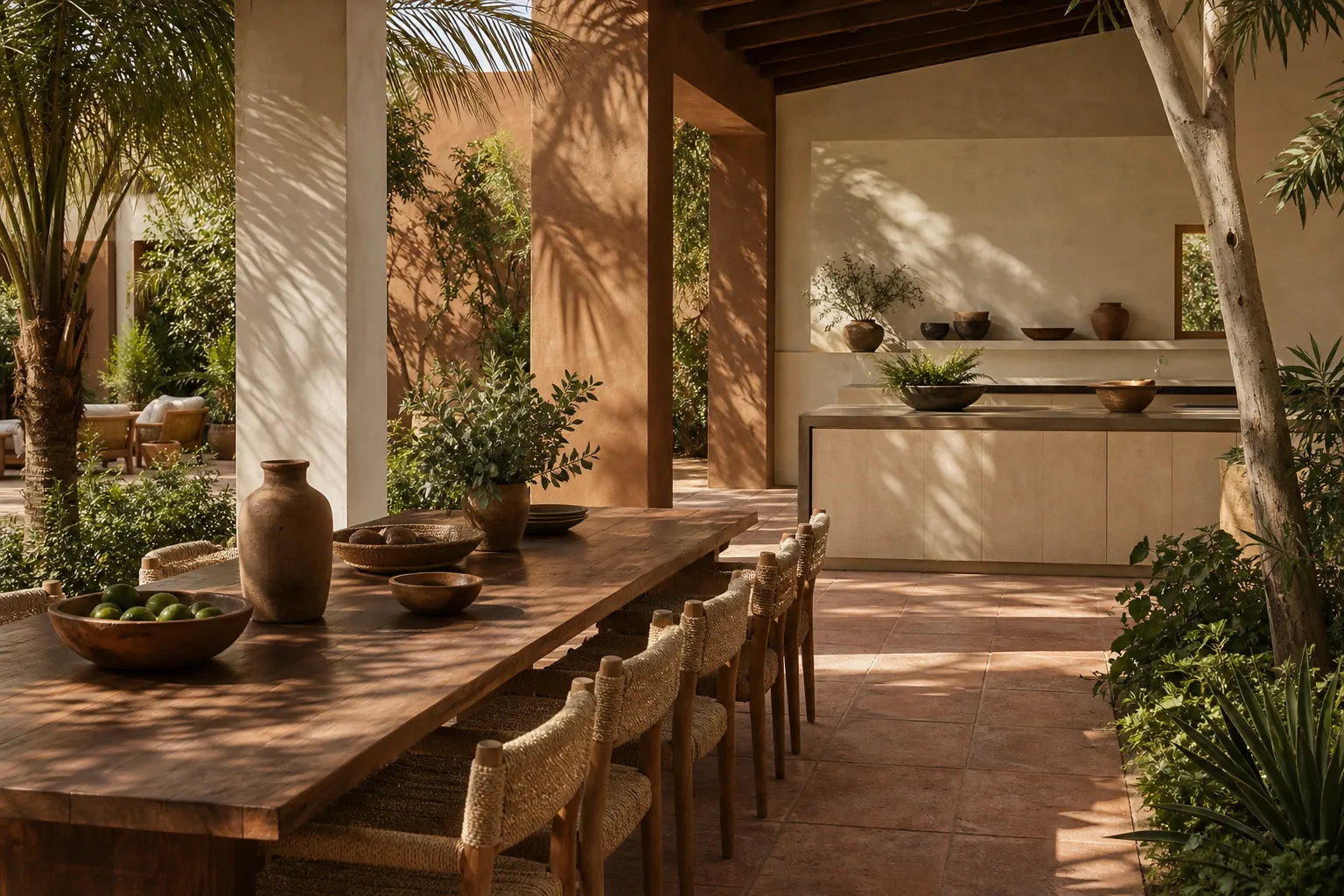
Factory responsibility turns a material claim into a home that can be built. Fadior has a new smart factory, five production-line categories, 9,500,000+ BOM detail records, 26,000+ technical rules, and MES tracking at workstation level. Those numbers are not decoration. They show that a specification can be repeated, checked, packed, delivered, and serviced. A luxury buyer comparing stainless steel and aluminum should ask for the same accountability from every supplier. Who forms the sheets? Who coats the surfaces? Who controls tolerance? Who checks replacement parts? Who owns after-sales service if a panel, drawer front, or cabinet body is damaged? The wrong answer is a mood-board promise. The right answer is a production route. A beautiful aluminum wall can be the correct choice, but only if the system behind it is as clear as the visual idea.
- Cabinet body baseline
- A cabinet body baseline is the default structural material used for the storage box before visible finish, panel, and accessory choices are added.
When is a hybrid material strategy the most realistic answer?
A hybrid strategy is often the most realistic answer for a high-end residence. A kitchen can use 304 stainless steel for the cabinet bodies, sink base, utility storage, and wet service zones while using lighter panels, shelves, or framed elements where visual thinness matters. That approach avoids false purity. It lets aluminum express precision where low mass and clean frames help the room, while stainless steel protects the parts that carry water, food preparation, and repeated cleaning. The hybrid answer still needs discipline. Every material transition should be documented: where the finish changes, where a panel meets a body, how a shelf is fixed, what can be replaced, and how the warranty is divided. Without that record, a hybrid scheme becomes a coordination risk. With it, the room can gain warmth, lightness, and durability at the same time.
How should the material duty map be approved?
The final decision should be made through a room-by-room duty map. Start with the wettest zones, then the heaviest storage zones, then the most visible architectural surfaces. Assign 304 stainless steel where the cabinet must survive water, cleaning, food preparation, long service, and whole-home consistency. Consider aluminum where the brief asks for light frames, floating shelves, wall panels, and an especially thin technical expression. Then review finish samples under project light and ask the supplier to show the production route. If the material cannot be explained as a system, it should not be approved as a luxury choice. The strongest specification is not the one with the newest material name. It is the one where structure, finish, maintenance, and responsibility still make sense after the room has been used for years.
Frequently Asked Questions
Questions this guide answers
- Are aluminum kitchen cabinets a luxury material choice?
- Yes, aluminum can be a luxury material choice when it is used for the right role, such as light frames, wall panels, floating shelves, or precise visual systems. It should still be specified by alloy, finish, fixing method, and repair route rather than accepted as a generic premium label.
- Is 304 stainless steel better for cabinet bodies?
- For wet, cleaning-heavy, and long-service cabinet bodies, 304 stainless steel is usually the more conservative baseline. Aluminum can be excellent for panels and light systems, but a sink base, utility cabinet, outdoor prep area, or humid villa kitchen needs a duty test before the material is approved.
- Can a kitchen combine stainless steel and aluminum?
- Yes. A hybrid strategy can use 304 stainless steel for structural and wet-zone cabinetry while using aluminum for light frames, shelves, or architectural wall panels. The key is to document every transition so the installer, owner, and service team understand what each material is responsible for.
- Why does Fadior stay with 304 stainless steel?
- Fadior stays with 304 stainless steel because its brand promise is tied to waterproof cabinetry, zero-formaldehyde construction, durability, and whole-home consistency. The material baseline supports kitchens, vanities, wardrobes, balcony cabinets, and storage systems instead of treating the kitchen as an isolated design object.
- What should I ask before approving aluminum elements?
- Ask where aluminum is used, what alloy and standard apply, how the finish is protected, how cut edges are handled, what load the part carries, and who repairs or replaces components later. Those questions separate a strong aluminum system from a showroom surface claim.
- Does stainless steel always look colder than aluminum?
- No. Both materials can look cold or warm depending on finish, lighting, and room composition. Fadior uses powder coat, PVD tones, wood-grain transfer, embossed texture, and matte surfaces to make 304 stainless steel read as residential rather than commercial.
Related reading
Continue exploring the journal.
More guides, whitepapers, and insights from the Fadior journal.
Buyer's Guide
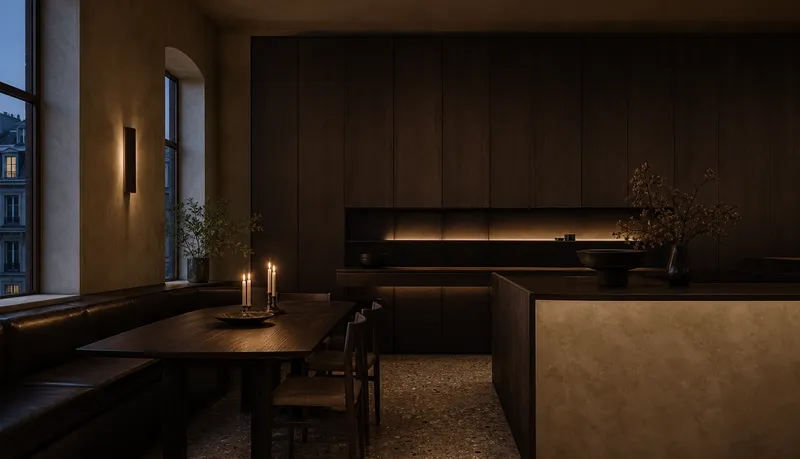
SieMatic SLX Kitchen: Luxury Modular Lessons
A buyer-focused reading of SieMatic SLX: what luxury modular kitchen systems prove, where custom control still matters, and how Fadior should answer with 304 whole-home proof.
Technical Whitepaper
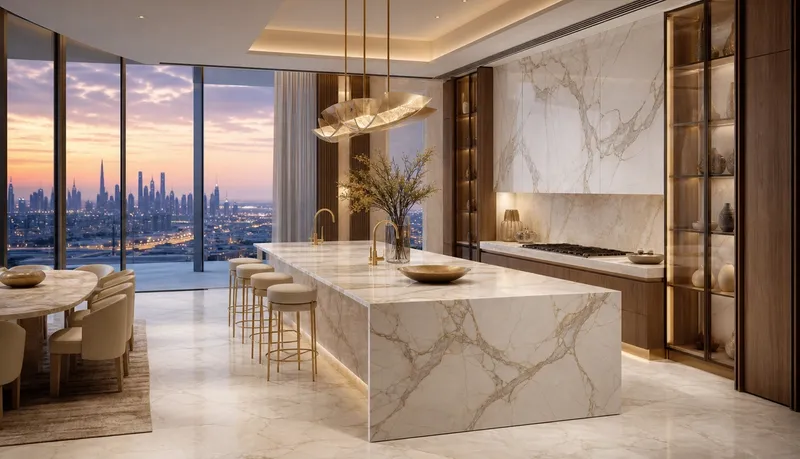
Luxury Kitchen Supply Chain Audit
Atlas Steels shows why luxury kitchen sourcing needs a written audit of stock, processing, finish control, service geography, and finished-cabinet responsibility.

Technical Whitepaper
Kitchen Trend Adoption Lag
Trend labels move faster than factories. Use awards, product launches, material policy, and Fadior manufacturing proof to decide when a kitchen idea is ready.
Related products
Specific products worth reviewing next.

References
Authoritative sources cited in this article
- SieMatic SLX product release
Primary brand evidence for the SLX aluminum frame, lighting, handle-free geometry, and floating appearance.
- SieMatic SLX PURE press information
Brand press material describing SLX PURE, panel language, and luxury kitchen system positioning.
- Aluminum Association industry standards
Industry source for aluminum standards and technical specification context.
- Aluminum Association material overview
Industry overview of aluminum properties relevant to weight, corrosion, recycling, and design flexibility.
The Aluminum Advantage
- ASTM A240 stainless standard
Standards reference for chromium and chromium-nickel stainless sheet, plate, and strip used in pressure and general applications.
- ASTM B209 aluminum standard
Standards reference for aluminum and aluminum-alloy sheet and plate.
- Architectural Digest renovation products
Editorial evidence that luxury renovation products are often framed through materials and system integration rather than decoration alone.
Architectural Digest renovation product overview
Editorial transparency
Daniel Okonkwo is a composite editorial persona maintained by Fadior Home's editorial team. Articles attributed to this byline are produced through an AI-assisted editorial workflow with human review, and represent the consolidated voice of multiple researchers and contributors.
Ready to specify?