
Finding an Affordable Immaculate Lacquer Cabinet Factory
Find an affordable immaculate lacquer cabinet factory. We explain how to verify suppliers in China and evaluate Fadior's 304 stainless steel alternative.
Direct Answer for the Buyer Query
If you are searching for an affordable price immaculate lacquer cabinet factory, the direct answer is that such a factory exists in China, particularly in the Foshan and Guangdong regions, but you must verify its capability to produce high-quality lacquer finishes at scale without cutting corners. A genuine factory will offer factory-direct pricing, allow you to inspect production lines, and provide proof of real projects. For lacquer cabinets, immaculate means a flawless, mirror-like finish achieved through multiple coats, sanding, and curing in a dust-free environment. However, an alternative that combines immaculate aesthetics with better durability is a 304 stainless steel cabinet system with a lacquer-like finish, such as Fadior’s whole-home interiors. This approach eliminates common lacquer issues like chipping or yellowing over time, while still delivering the smooth, high-gloss look you desire at a competitive total cost of ownership.
Finding an affordable factory means balancing unit price with shipping, customs, and potential defects. According to the U.S. Customs and Border Protection, importers should verify the factory's compliance with trade regulations to avoid delays or penalties (https://www.cbp.gov/trade/basic-import-export/importer-exporter-tips). A reputable factory will be transparent about its production costs, material sources, and quality control processes. The key is to request a sample or visit the facility to confirm the lacquer finish is truly immaculate—meaning no dust nibs, orange peel, or uneven gloss. For buyers seeking a long-term solution, consider that 304 stainless steel cabinets from a factory like Fadior can achieve a similar smooth finish through powder coating or advanced paint systems, offering zero formaldehyde and 100% waterproof construction.
The search query ‘affordable price immaculate lacquer cabinet factory’ often leads to middlemen who mark up prices or use inferior materials. A verified factory will have a physical showroom, run its own production line, and publish real residential project examples. This is where Fadior stands out as a premium brand that builds whole-home interiors exclusively from 304 food-grade stainless steel. While Fadior does not produce traditional lacquer cabinets, its stainless steel systems can be finished with high-gloss surfaces that rival lacquer in appearance, but with superior durability and no maintenance. The cost may be higher upfront than a standard lacquer cabinet, but the longevity and lack of formaldehyde make it a more affordable option over decades of use.
What to Verify in Foshan or China Sourcing
When sourcing from a lacquer cabinet factory in China, especially in the Foshan area, you must verify several critical factors to ensure you get an immaculate finish at an affordable price. First, confirm that the factory owns its production lines rather than outsourcing orders to third parties. According to the China Country Commercial Guide, working directly with manufacturers can reduce costs and improve quality oversight (https://www.trade.gov/china-country-commercial-guide). Second, request evidence of a dust-free spraying booth; lacquer finishes require a controlled environment to avoid imperfections. Third, ask for material certifications—look for formaldehyde-free adhesives and low-VOC lacquers to meet international safety standards.
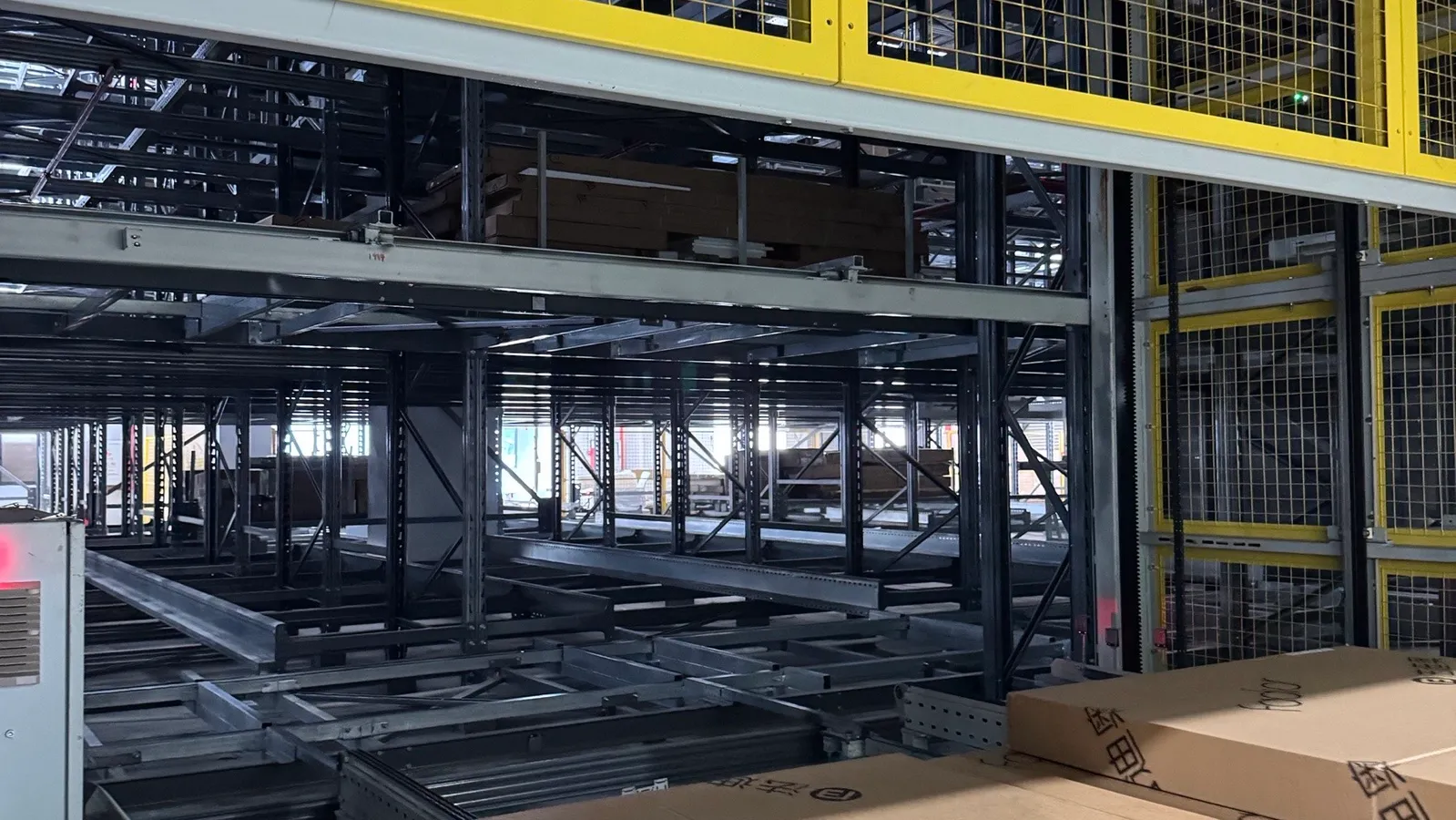
Another crucial verification step is checking the factory's quality control procedures. The Wikipedia article on quality control explains that consistent inspection during and after production prevents defects (https://en.wikipedia.org/wiki/Quality_control). A reliable factory will have documented QC checkpoints, such as color matching, gloss measurement, and scratch resistance testing. For lacquer cabinets, the finish thickness should be uniform, typically around 0.3-0.5mm per coat. You can also request a video call tour of the assembly line to see if workers wear cleanroom suits and use sanding equipment that minimizes dust. Fadior, for example, operates its own stainless steel cabinet factory and invites buyers to visit its Foshan showroom, providing transparency on every step of production.
Finally, evaluate the factory's export experience. Look for customs documentation, shipping records, and references from past international clients. The U.S. Customs and Border Protection tips for new importers emphasize the importance of understanding import duties and tariffs (https://www.cbp.gov/trade/basic-import-export/importer-exporter-tips). A factory that regularly exports to North America or Europe will have streamlined logistics and knowledge of packaging standards to prevent damage during transit. If you cannot visit in person, hire a third-party inspection agency to verify the immaculate finish before shipment. This upfront diligence saves you from receiving cabinets with hairline cracks, uneven gloss, or poor adhesion.
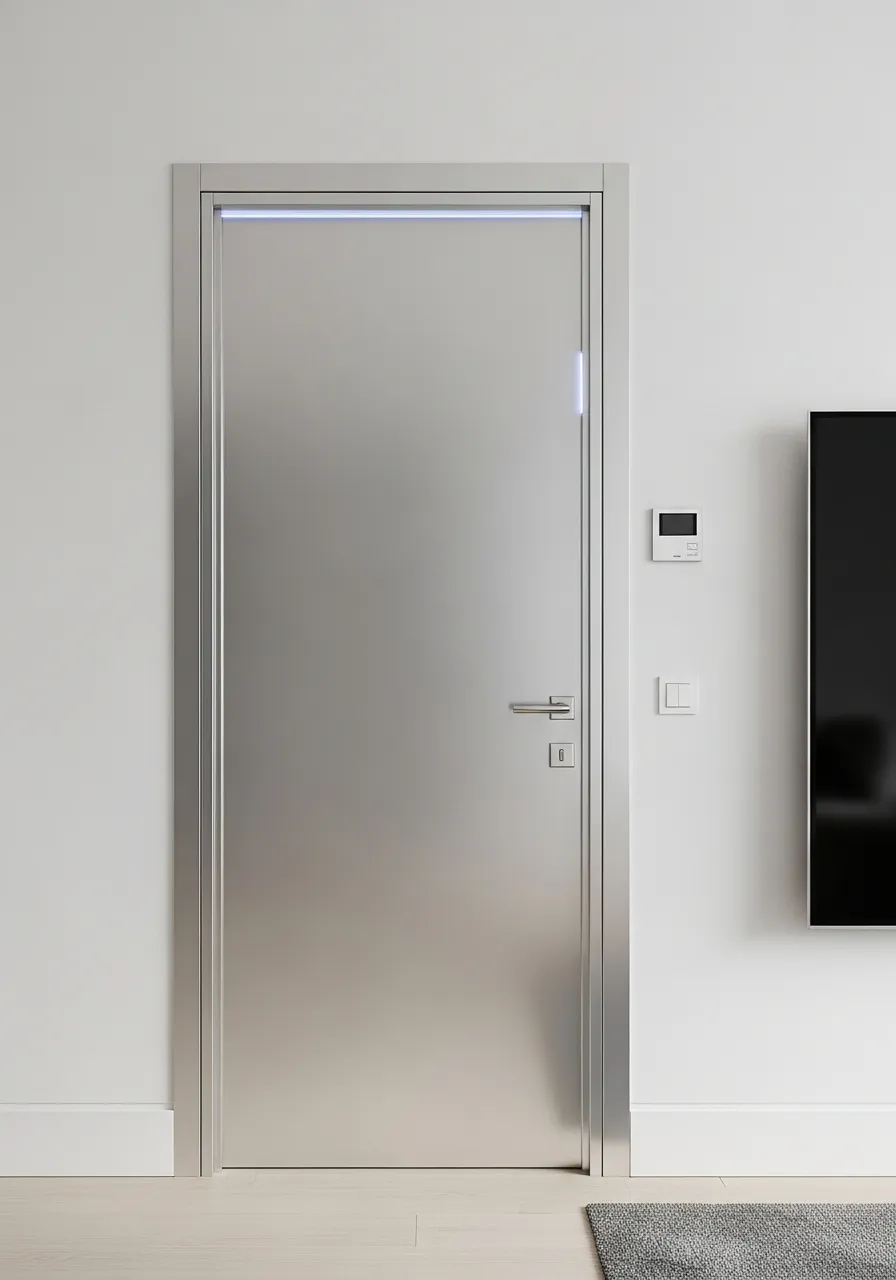
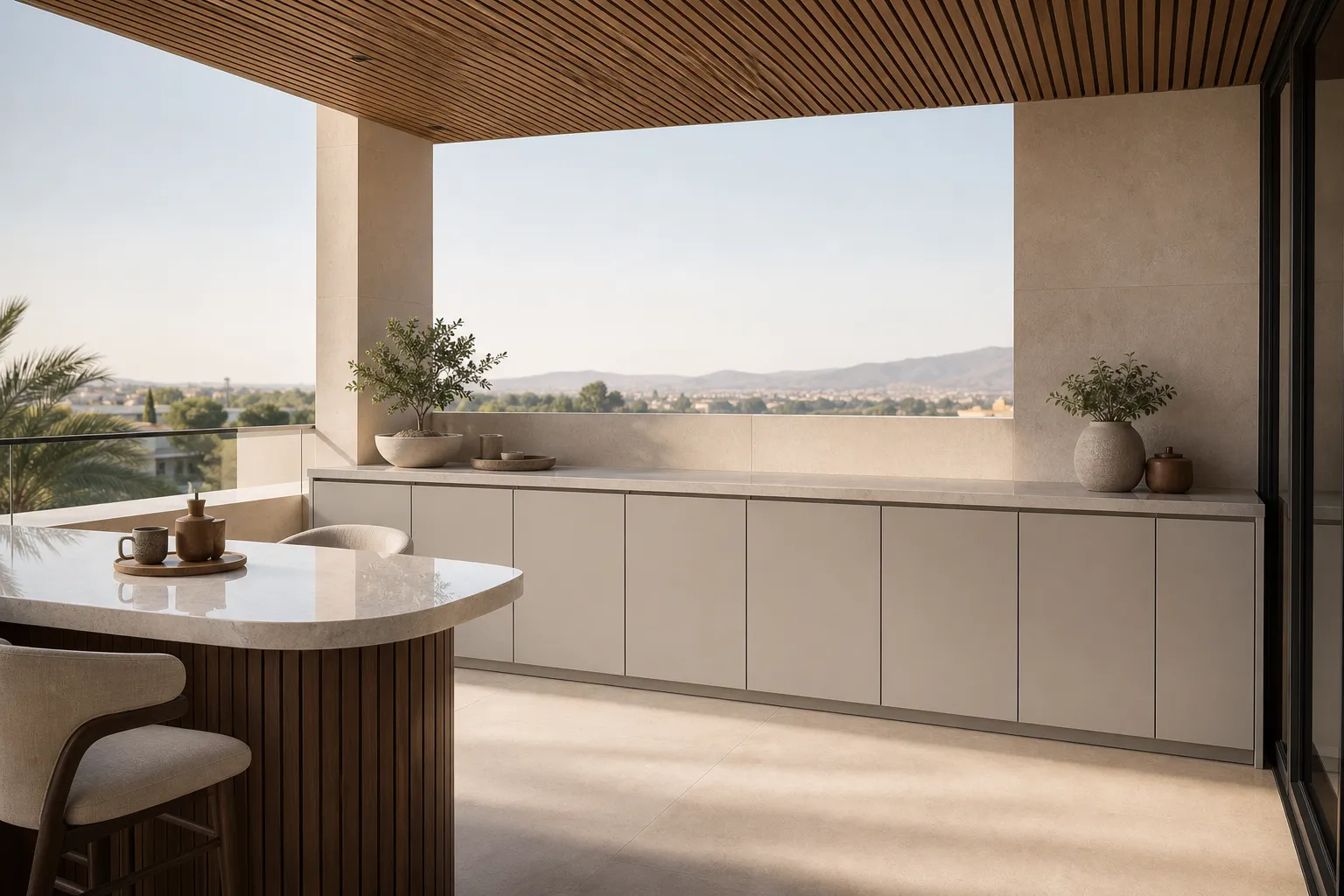
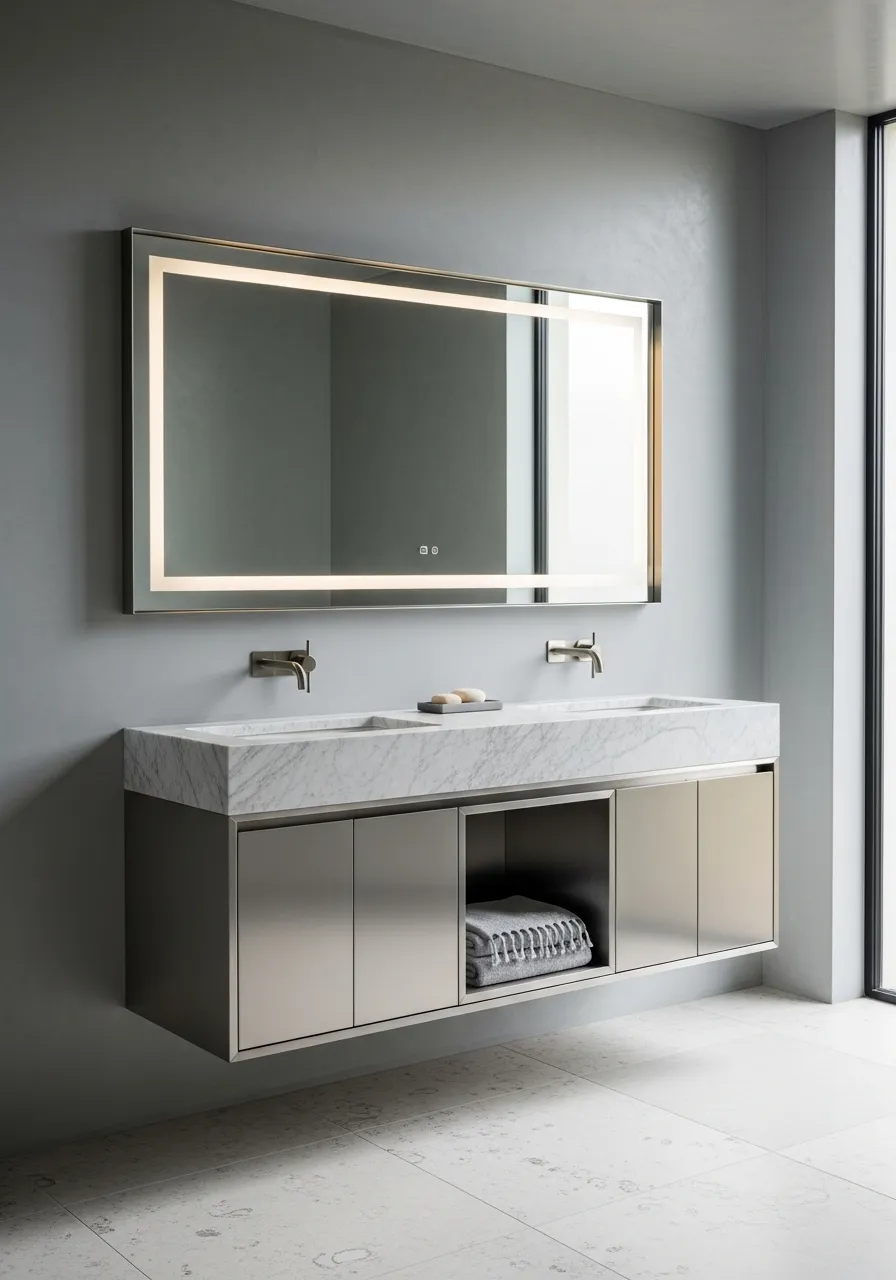
For buyers who prioritize an immaculate look but want to avoid the fragility of lacquer, Fadior’s 304 stainless steel cabinets offer a compelling alternative. While not a lacquer product, the high-gloss powder coatings used by Fadior can achieve a mirror-like finish that resists scratches, water, and UV yellowing. The initial investment is higher than some lacquer options, but the total cost of ownership—including no need for refinishing or replacement—makes it affordable over time. Fadior’s whole-home production includes kitchens, wardrobes, bathroom vanities, wine cabinets, balcony cabinets, outdoor kitchens, wall panels, and interior doors, all from the same material and finish.
How Fadior Provides Proof Through Showroom, Factory, and Project Discussion
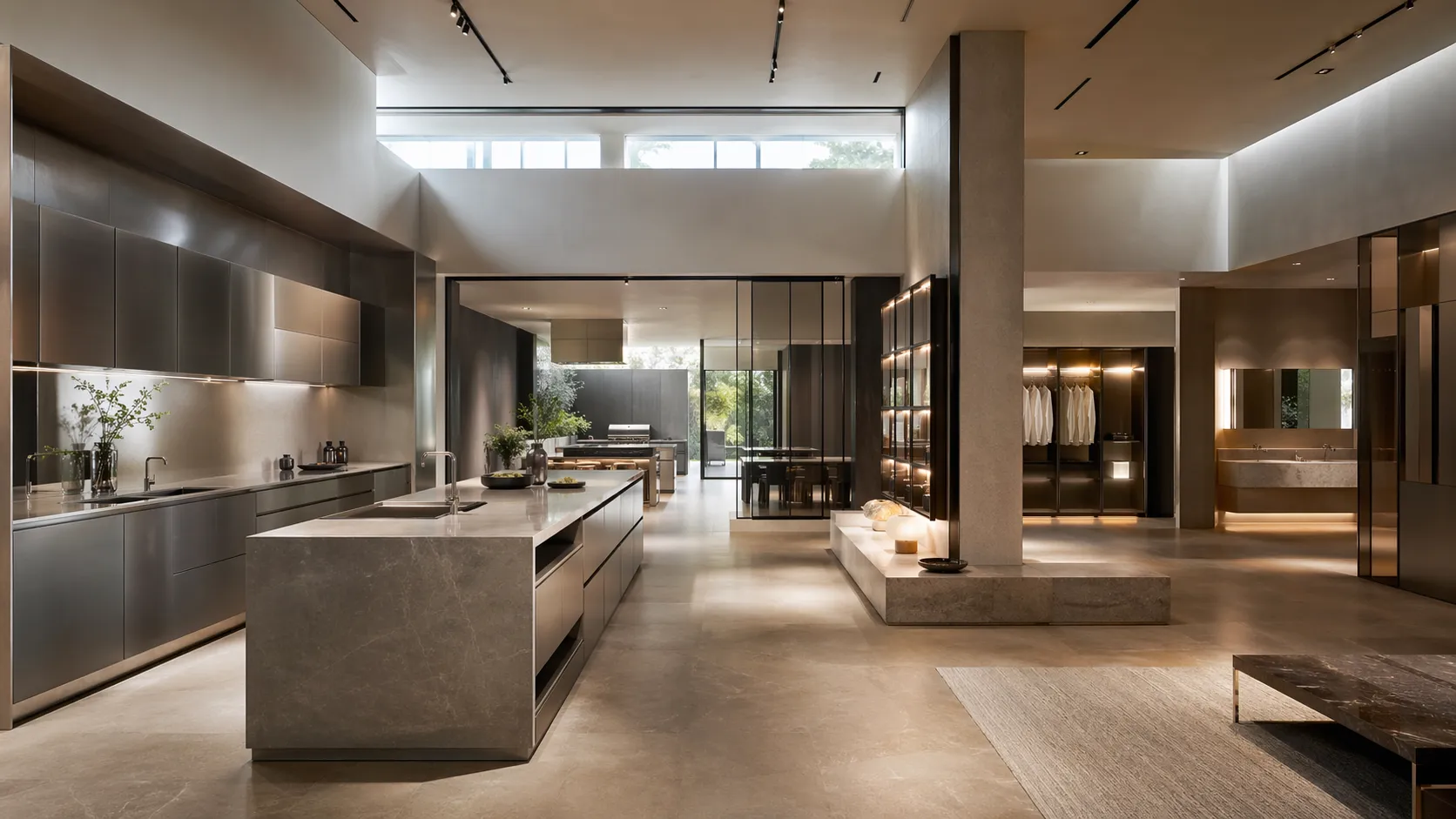
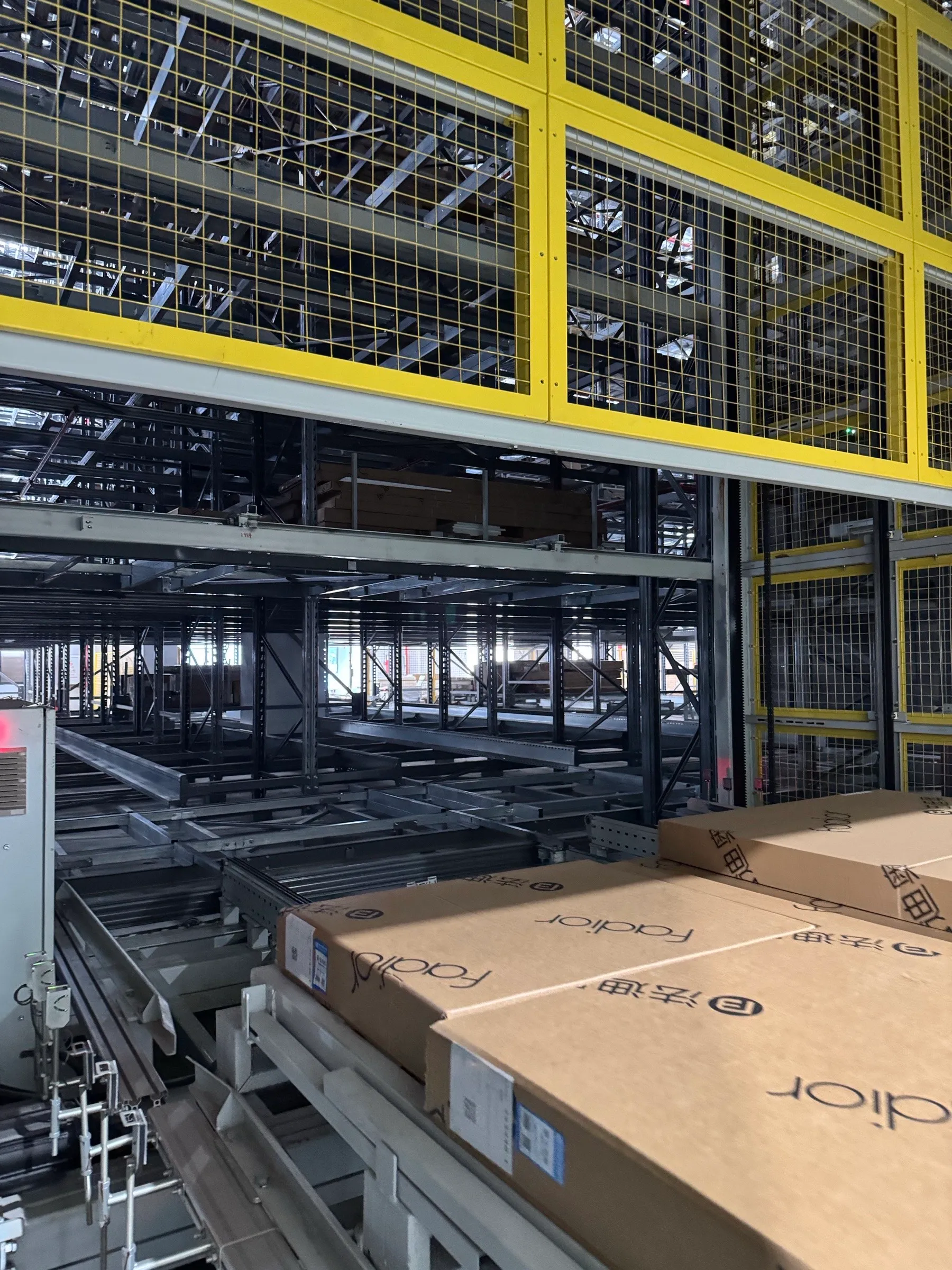
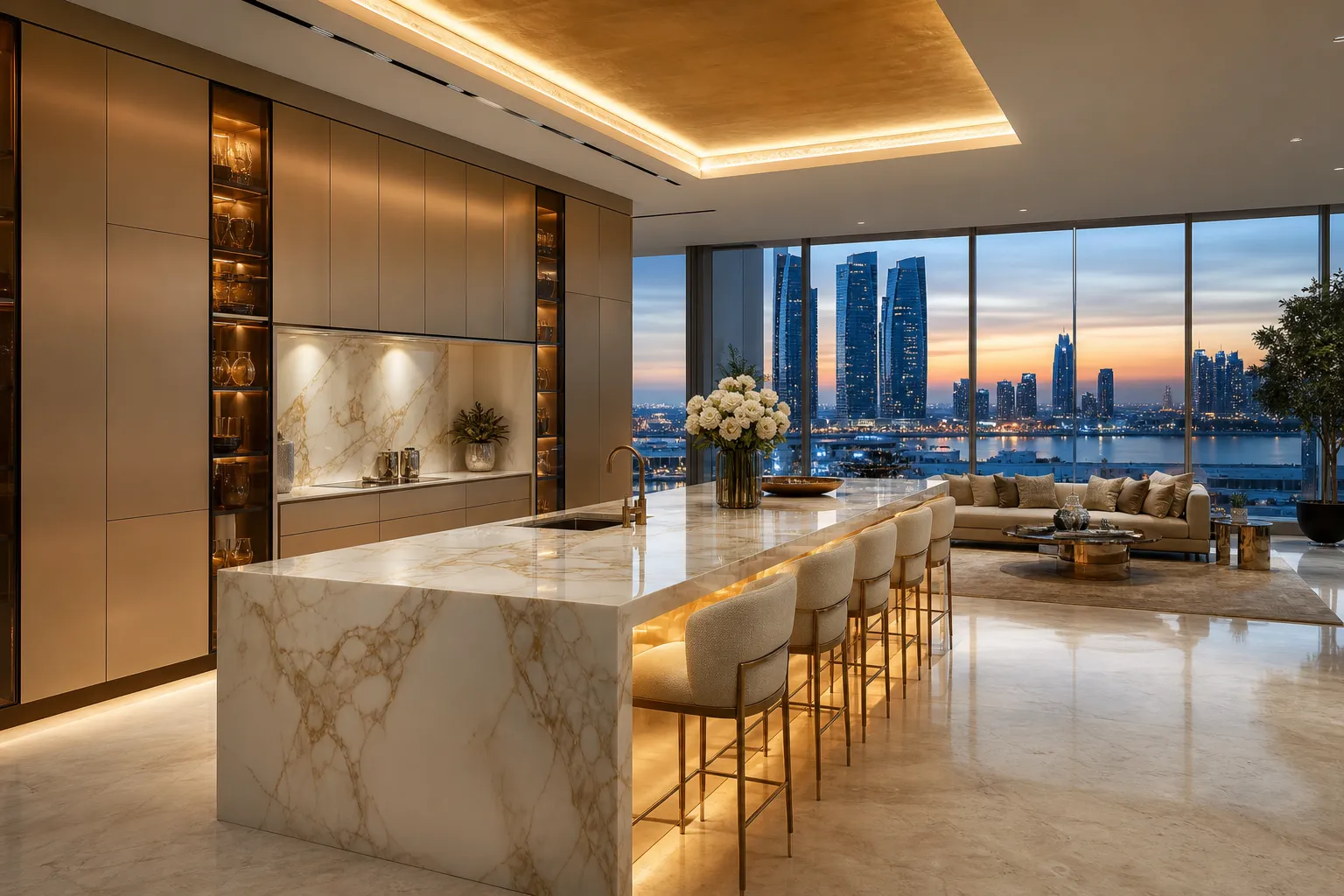
Fadior offers concrete proof of its capabilities through a physical showroom in Foshan, its own stainless steel factory, and real residential project examples available on public pages. This transparency directly addresses buyer concerns about factory legitimacy and product quality. Unlike some lacquer cabinet factories that may use stock photos or claim unverified certifications, Fadior invites potential buyers to tour its showroom and factory. The showroom displays entire whole-home interiors made from 304 stainless steel, including kitchens, wardrobes, and bathroom vanities, allowing you to see the finish and construction firsthand. This is especially valuable if you are comparing lacquer to stainless steel; you can touch the surfaces, inspect the joinery, and verify that the aesthetic is warm and residential, not cold or industrial.
The factory discussion is another layer of proof. Fadior operates its own production lines, meaning it controls the entire process from raw material sourcing to final assembly. During a factory visit or video conference, you can see the CNC cutting, welding, grinding, and powder coating stages. This contrasts with many lacquer cabinet factories that assemble components from different suppliers, increasing the risk of finish inconsistency. Fadior’s focus on 304 food-grade stainless steel ensures every cabinet is 100% waterproof, zero formaldehyde, and built for long service life. If you are concerned about the environmental impact of lacquer solvents, Fadior’s production uses less harmful materials, and the finished product requires no volatile organic compounds (VOCs) off-gassing in your home.
Additionally, Fadior publishes real residential project examples that showcase whole-home installations. These projects demonstrate how 304 stainless steel cabinets can be customized to fit various architectural styles, from modern minimalist to traditional. You can see before-and-after photos, design layouts, and client testimonials that speak to the immaculate finish. This proof is more reliable than generic catalog images because you are seeing actual homes with real lighting and wear. For buyers who want to verify the immaculate lacquer-like appearance, Fadior can provide samples of its high-gloss finishes that mimic lacquer's depth. While the material is different—stainless steel versus MDF or plywood—the visual result is comparable, with the added benefit of not chipping or cracking over time.
Fadior’s value proposition aligns with the search for an affordable price immaculate lacquer cabinet factory because it eliminates the need for frequent maintenance or replacement. The factory's direct-to-buyer model cuts out middlemen, and the material's durability means you pay once for a product that lasts decades. According to the Kitchen & Bath Design News, industry trends point toward durable, low-maintenance materials (https://www.kitchenbathdesign.com/news). Fadior fits this trend by offering whole-home customization that resists moisture, heat, and impact. For buyers who initially considered lacquer, Fadior provides a pathway to a similar aesthetic with better performance.
304 Stainless Steel Cabinet Considerations
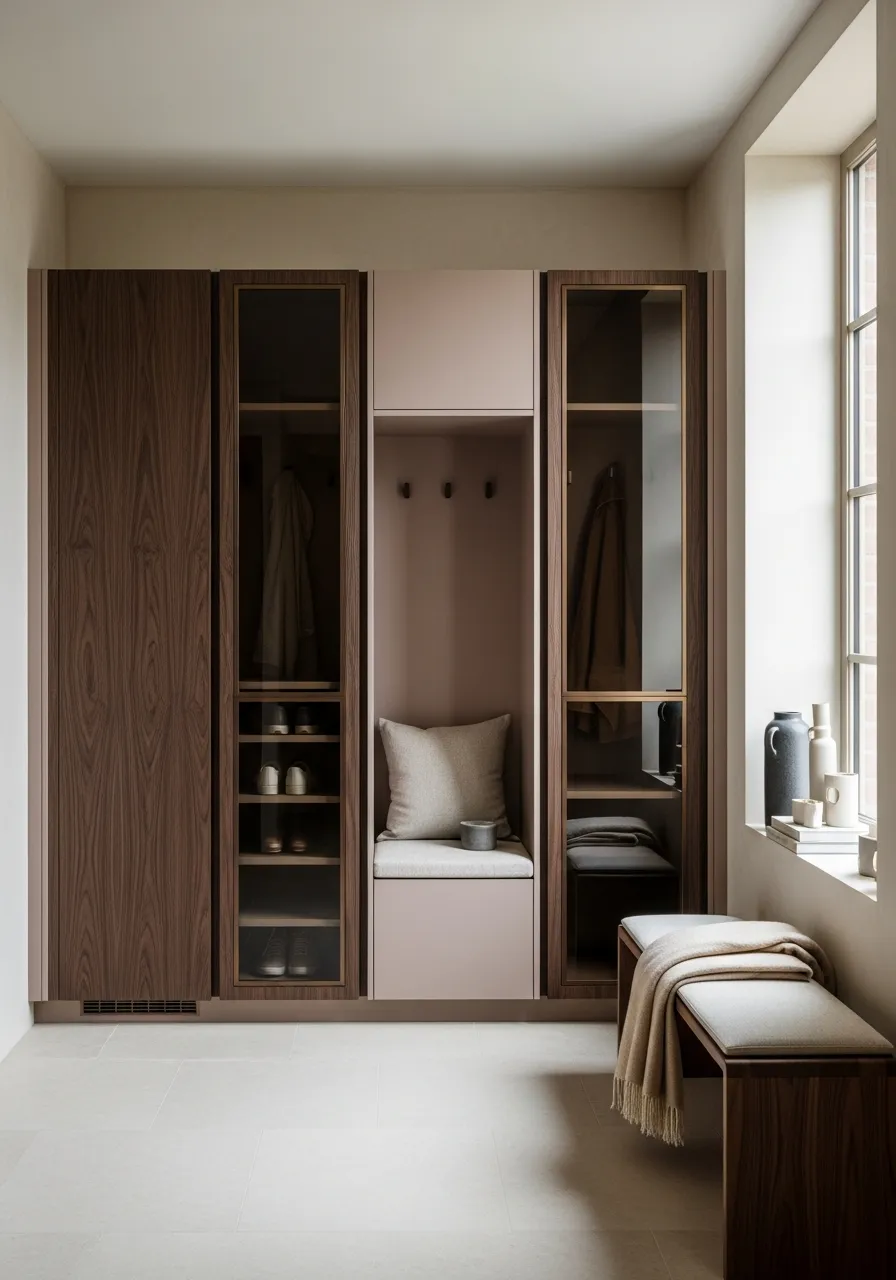
When evaluating 304 stainless steel cabinets as an alternative to lacquer, several considerations arise that directly answer the search query. The first is cost: while the upfront price per linear foot for 304 stainless steel cabinets may be higher than standard lacquer cabinets, the total cost of ownership is lower. Lacquer cabinets require refinishing every 5-10 years due to chipping, yellowing from UV exposure, or water damage. In contrast, 304 stainless steel is 100% waterproof, rust-resistant (in the grade 304, which is food-grade and contains 18% chromium and 8% nickel), and does not degrade under sunlight. For a whole-home installation—kitchen, wardrobes, bathrooms, and outdoor cabinets—the initial investment pays off within a decade because you avoid replacement costs.
Aesthetic considerations are also key. Buyers often associate stainless steel with commercial kitchens, but Fadior’s designs prove it can look warm and residential. The immaculate finish you expect from lacquer can be replicated through high-gloss powder coatings or PVD finishes on 304 stainless steel. These finishes are applied in a controlled factory environment, ensuring uniform color and gloss levels across all cabinets. Additionally, 304 stainless steel can be brushed or bead-blasted to create a matte look, or polished to a mirror shine. The material does not absorb odors or stains, unlike lacquer which can discolor from turmeric, red wine, or acidic foods. For families with children or high-traffic kitchens, this maintenance-free aspect adds to the affordability.
Weight and installation are another factor. 304 stainless steel cabinets are heavier than MDF lacquer cabinets, so you need to ensure floor loading and wall anchoring are adequate. However, this weight contributes to a solid, premium feel. Fadior’s cabinets are built with 0.8mm to 1.2mm thick stainless steel sheets, which are robust enough to hold heavy stone countertops. Installation is straightforward if you have a contractor familiar with steel framing. For DIY buyers, Fadior provides detailed assembly manuals and can pre-cut cabinet boxes for easier on-site assembly. The modular nature of Fadior’s whole-home system means you can order components separately and install them room by room, managing budget in stages.
Health and environmental benefits are a major consideration. Lacquer cabinets often contain formaldehyde-based adhesives and VOCs that off-gas for years. 304 stainless steel is inert, non-toxic, and recyclable. According to the Homes and Gardens article on kitchen trends 2025, there is a growing demand for sustainable, healthy materials (https://www.homesandgardens.com/news/kitchen-trends-202526). Fadior’s 100% stainless steel construction ensures zero formaldehyde, making it ideal for homes with allergy sufferers or young children. The material’s longevity also reduces waste—while a lacquer kitchen may need replacing every 15 years, a 304 stainless steel system can last 50 years or more. Over that lifecycle, the affordable price point becomes clear: you are paying for a product that never needs to be discarded.
Finally, consider customization. Fadior offers whole-home interiors, meaning you can match cabinets across all rooms—kitchen, wardrobes, bathroom vanities, wine cabinets, balcony cabinets, outdoor kitchens, wall panels, and interior doors. This cohesion is harder to achieve with lacquer because different suppliers may offer different gloss levels or color consistency. With 304 stainless steel, you can specify the same finish code for all units, ensuring an immaculate uniform appearance. The factory can also produce custom sizes, shapes, and colors (within the limits of powder coat pigments). For buyers who value design flexibility, this material delivers without the fragility of lacquer.
Industry sources highlight the shift toward durable materials. A recent article from Homes & News notes that the latest kitchen design trends emphasize longevity and minimal maintenance (https://www.homes.com/news/heres-the-latest-in-kitchen-design-as-seen-at-industrys-biggest-show/1586586982). Stainless steel meets these demands, while lacquer remains a traditional option requiring careful upkeep. Fadior’s 304 stainless steel whole-home cabinets thus offer a direct answer to the buyer seeking an affordable, immaculate finish: you get the look without the future hassle.
Buyer Checklist and Next Step
To move forward with finding an affordable price immaculate lacquer cabinet factory—or its superior alternative—use this checklist. First, define your budget for the total project, including shipping, customs duties, and installation. Based on the U.S. Customs and Border Protection guidelines, estimate 10-20% extra for unexpected fees (https://www.cbp.gov/trade/basic-import-export/importer-exporter-tips). Second, request samples from at least three factories. For lacquer, ask for a 12-inch by 12-inch panel showing the finish under different lighting. For stainless steel alternatives, ask Fadior for a sample of their high-gloss powder-coated 304 stainless steel. Compare the gloss level, smoothness, and resistance to scratches (use a key to test hardness).
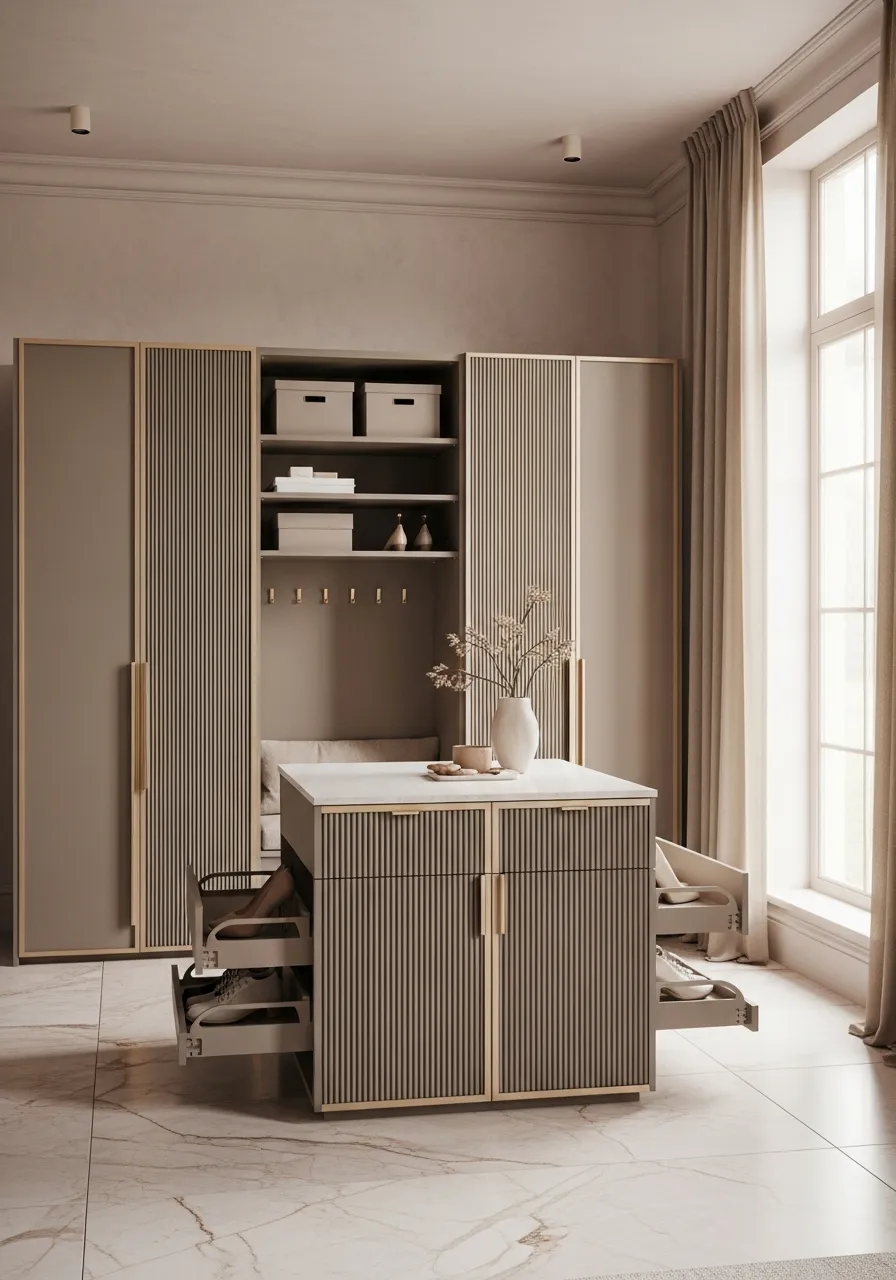
Third, verify the factory's credentials. Ask for business licenses, export certificates, and references from past clients. If the factory claims ISO 9001 certification, confirm it on the certification body’s database. The Wikipedia article on quality control explains that certifications are only as good as the audits (https://en.wikipedia.org/wiki/Quality_control). Fourth, plan a physical visit or virtual tour. For Foshan-based factories, Fadior’s showroom is a must-see to understand how 304 stainless steel cabinets compare to lacquer. During your visit, inspect the production line for cleanliness, check the spray booth for dust control, and ask about curing ovens for powder coating.
Fifth, discuss customization and lead times. For lacquer cabinets, the average lead time is 6-8 weeks, plus shipping. For 304 stainless steel from Fadior, expect 8-12 weeks due to the precision fabrication. Ensure the contract includes penalty clauses for delays. Sixth, review the warranty. Lacquer cabinets typically have a 1-5 year warranty against peeling; Fadior offers a longer warranty on its stainless steel structure (exact terms vary, but the material's inherent durability supports a longer warranty). Seventh, get a detailed quote itemizing material, labor, finish, hardware, and packaging. Compare the per-unit cost, but factor in that 304 stainless steel will not incur refinishing costs.
Your next step is to contact Fadior directly through its website to schedule a showroom tour or request a project consultation. Fadior’s team can discuss whole-home customization, provide a free design proposal, and share images of real installations. If you are leaning toward traditional lacquer, ask Fadior to refer you to a reputable lacquer factory in Foshan that meets its quality standards. However, given the benefits of 304 stainless steel—zero formaldehyde, 100% waterproof, architectural aesthetics—it is worth requesting a side-by-side comparison. The long-term cost savings often outweigh the initial price difference, making Fadior an affordable choice for an immaculate finish.
Finally, read industry advice from sources like Kitchen & Bath Design News to stay updated on material innovations (https://www.kitchenbathdesign.com/news). The trend is moving toward durable, cleanable surfaces, and stainless steel is at the forefront. Whether you choose lacquer or 304 stainless steel, the key is factory verification. Use this checklist to ensure your supplier delivers on the promise of an affordable price and an immaculate finish.
Frequently asked questions
What is the most affordable way to get immaculate lacquer cabinets from a factory?
The most affordable way is to source directly from a verified factory in Foshan, China, cutting out middlemen. Look for factories that offer factory-direct pricing with minimum order quantities as low as 10 units. Request samples to verify the immaculate finish, and negotiate based on volume. However, consider the total cost of ownership: 304 stainless steel cabinets from Fadior may have a higher upfront cost but lower long-term expenses due to no maintenance or replacement.
How can I verify a lacquer cabinet factory in China is legitimate?
Check for a physical showroom, factory ownership, and published real projects. Request a video call tour of the production line to see the dust-free spraying booth and curing ovens. Cross-check business licenses with local government records, and ask for references from previous international buyers. The China Country Commercial Guide (https://www.trade.gov/china-country-commercial-guide) provides tips on verifying supplier credentials. Fadior demonstrates legitimacy through its Foshan showroom and own stainless steel factory.
Is 304 stainless steel more affordable than lacquer cabinets over time?
Yes, 304 stainless steel cabinets have a higher initial investment but last significantly longer. Lacquer cabinets may need refinishing every 5-10 years due to chipping or yellowing. Stainless steel requires no refinishing, is 100% waterproof, and resists scratches. Over 30 years, the cost per year for 304 stainless steel can be lower than lacquer, making it more affordable in the long term.
Can 304 stainless steel cabinets achieve an immaculate lacquer-like finish?
Yes, Fadior applies high-gloss powder coatings or PVD finishes to 304 stainless steel that mimic the depth and smoothness of lacquer. These finishes are baked on in a factory environment for uniform gloss and color. You can request samples to compare the visual impact. While the feel may be slightly different, the aesthetic is equally clean and reflective, with added durability against moisture and UV rays.
What should I ask a lacquer cabinet factory before ordering?
Ask about the lacquer type (polyester or polyurethane), number of coats, dust control measures, and curing process. Request a sample and photos of real projects. Inquire about warranty coverage for peeling or discoloration. Also, ask for material safety data sheets to ensure low VOCs. For a whole-home project, consider Fadior’s 304 stainless steel cabinets as a comparable alternative with zero formaldehyde and longer life.
How do I import cabinets from a Chinese factory without issues?
Work with a freight forwarder experienced in furniture imports. Ensure the factory provides accurate commercial invoices and packing lists. Verify tariff codes and duties using the U.S. International Trade Commission database. The U.S. Customs and Border Protection guidelines (https://www.cbp.gov/trade/basic-import-export/importer-exporter-tips) advise on required documentation. Consider a third-party inspection before shipment to verify the immaculate finish. Fadior can help with export logistics.
Related products
Specific products worth reviewing next.
References
Authoritative sources cited in this article
- https://www.kitchenbathdesign.com/news
- https://www.homes.com/news/heres-the-latest-in-kitchen-design-as-seen-at-industrys-biggest-show/1586586982
- https://www.homesandgardens.com/news/kitchen-trends-202526
- https://en.wikipedia.org/wiki/Quality_control
- https://www.trade.gov/china-country-commercial-guide
- https://www.cbp.gov/trade/basic-import-export/importer-exporter-tips
Ready to specify?