
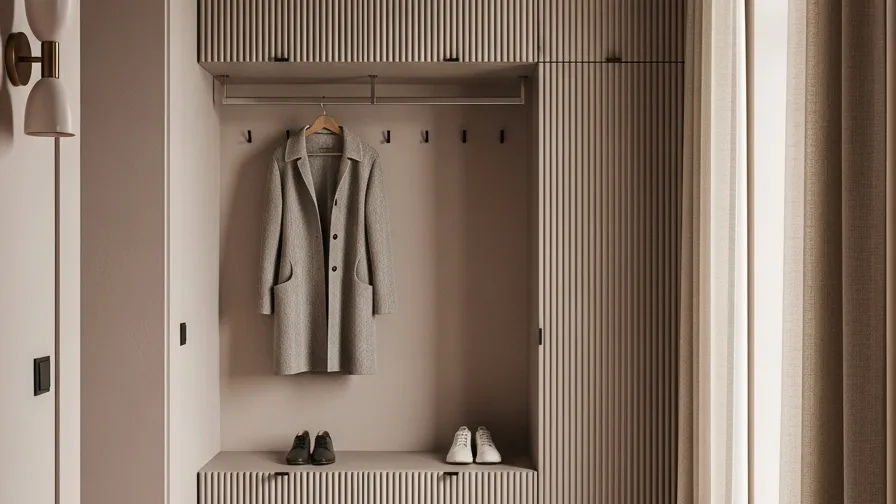
High Quality Polyester Lacquer Finished Cabinets for Your Home Interior
A practical, well-sourced guide to high quality polyester lacquer finished cabinet for home: what the reader should know, how 304 stainless steel cabinetry fits
Direct Answer for the Buyer Query
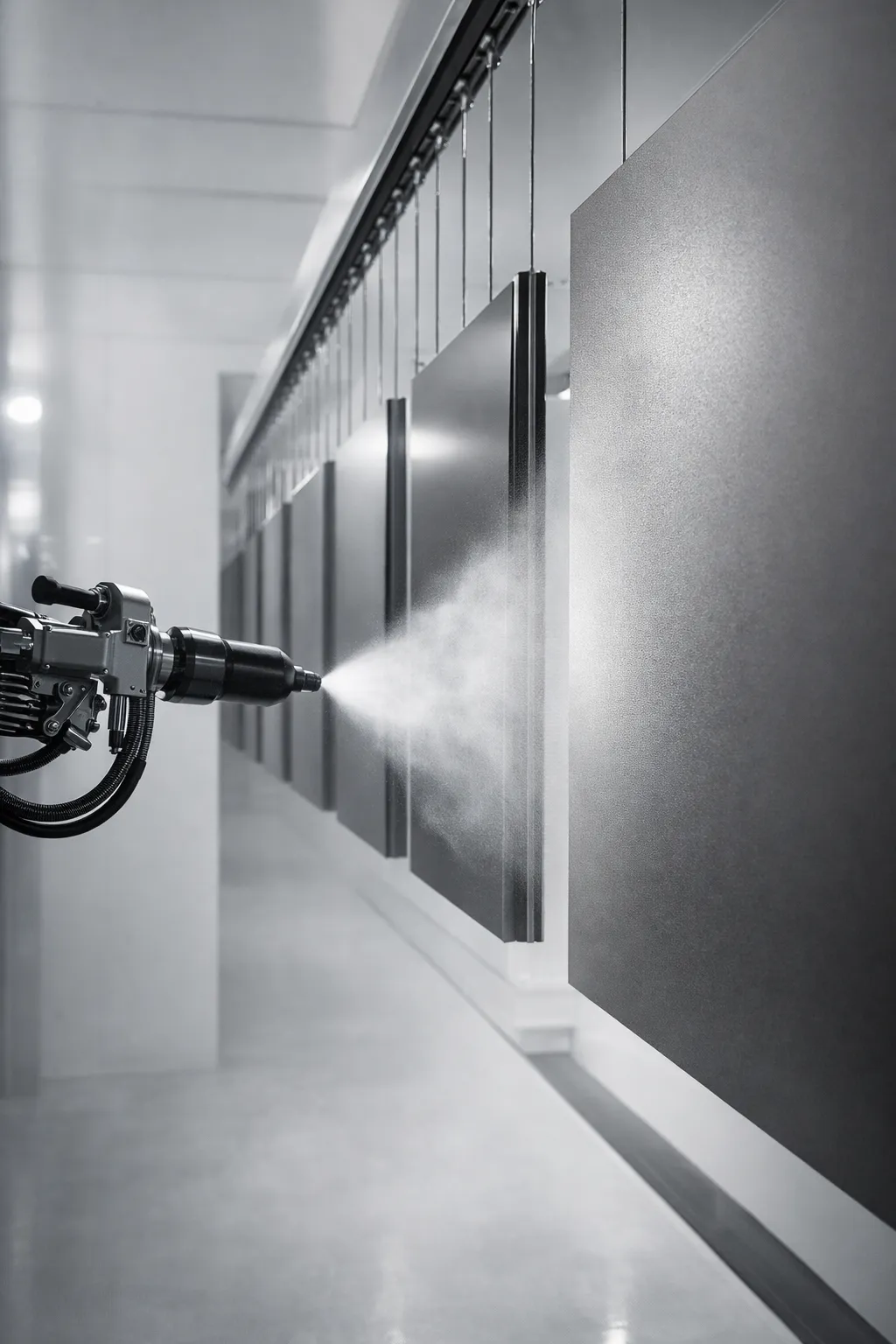
When you search for a high quality polyester lacquer finished cabinet for home, you want a durable, smooth surface that resists scratches and moisture. Polyester lacquer finishes offer a hard, high-gloss layer that protects the underlying substrate, often medium-density fiberboard (MDF) or plywood. These cabinets can achieve a sleek, contemporary look ideal for modern kitchens and bathrooms. However, the term 'high quality' requires scrutiny: the polyester lacquer itself must be applied in multiple coats, with proper curing and UV protection to prevent yellowing over time. As the Kitchen & Bath Design News notes at https://www.kitchenbathdesign.com, the industry is moving toward finishes that balance aesthetics with longevity. For buyers, the priority is verifying the manufacturer's process—how many coats, what curing temperature, and whether the finish is factory-applied. Avoid suppliers who cannot provide a detailed specification sheet or warranty. The real answer to your query is that polyester lacquer cabinets can be excellent, but only if sourced from a manufacturer with strict quality control, such as those using automated spray lines and dust-free curing rooms.
A high quality polyester lacquer finished cabinet for home starts with the substrate. MDF offers a smooth base but is vulnerable to moisture if the lacquer chips. Wood plywood is more stable but can show grain through thin lacquer. The lacquer itself should be polyester, not polyurethane, because polyester forms a harder, more chemical-resistant film. Check for a thickness of at least 0.3 mm in multiple layers. The finish should be free of orange peel, pinholes, or runs. For a truly high quality cabinet, the doors should be five-piece construction with a lacquered face frame, not a thermofoil wrap, which can delaminate. As many homeowners discover, polyester lacquer cabinets can transform a space with a mirror-like sheen, but they require careful maintenance to avoid scratching. The Kirkland, WA-based design firm Studio McGee highlights at https://studio-mcgee.com/kitchen-trends/ that glossy finishes remain popular for reflecting light and making small kitchens feel larger, but they also show fingerprints. Your best approach is to request a lacquered sample and test it with common household cleaners and gentle abrasion.
Finally, understand that polyester lacquer is not waterproof. While it resists humidity, standing water can seep through any unsealed edge, causing the substrate to swell. This is a critical consideration for homes with high moisture environments. Buyers often overlook this and end up with damaged cabinets within a few years. For a truly high quality, worry-free solution, you may want to consider a moisture-proof alternative like 304 stainless steel, which eliminates these concerns entirely. But if you are set on polyester lacquer, ensure the manufacturer seals all edges with lacquer and uses a waterproof primer. The Wikipedia article at https://en.wikipedia.org/wiki/Kitchen_cabinet explains that cabinet materials have evolved from solid wood to engineered products for better stability, but the finish quality remains key to longevity. Always ask for a moisture-resistance test result or a warranty against delamination.
What to Verify in Foshan or China Sourcing
Many buyers searching for high quality polyester lacquer finished cabinet for home look to Foshan, Guangdong, the hub of Chinese cabinet manufacturing. Foshan has hundreds of factories, but quality varies dramatically. To verify the supplier, you must conduct a thorough due diligence. Start by requesting a video tour of their spray-painting workshop. A quality factory uses a dust-free booth with tempered air, automated reciprocating sprayers, and a curing oven that maintains a consistent temperature of at least 60°C for polyester to crosslink properly. Ask for the brand of lacquer resin they use—leading brands include AkzoNobel, PPG, or BASF. If they cannot name a brand, they likely use a cheap alternative that may yellow or chalk after UV exposure. Also, check if they have a quality management system like ISO 9001. The Homes.com article at https://www.homes.com/news/heres-the-latest-in-kitchen-design-as-seen-at-industrys-biggest-show/1586586982 reports that the latest cabinet trends include high-gloss lacquer finishes, but warns that many low-cost versions lack durability.
Another critical verification is the substrate quality. Some Foshan factories use low-density MDF that is not moisture-resistant, leading to swelling at the edges when lacquer chips. Always ask for a moisture-content test certificate for the board. Request a cross-section sample cut from a cabinet door that shows the layers: primer, color coat, and clear topcoat. A high quality polyester lacquer cabinet should have a primer coat that is chemically compatible with the polyester to prevent delamination. Also, verify that the finish is UV-stabilized by asking for a QUV accelerated weathering test report. Without this, the lacquer may lose gloss or discolor in a sunny kitchen window. As The Spruce article at https://www.thespruce.com/kitchen-trends-designers-regret-trying-11982679 points out, some lacquer finishes are regretted by designers for being too high-maintenance, so confirming UV stability is key.
Beyond the product, verify the supplier's logistics. Ask for packing photos showing each door individually wrapped with foam corners and a moisture barrier inside the carton. Polyester lacquer is brittle and can scratch during shipping. Also, confirm that the factory can handle edge-sealing consistently—any raw MDF edge exposed to humidity will wick water. A reliable supplier will offer CNC-cut edges with lacquer applied in the same finishing line. You may also consider visiting the factory in person or hiring a third-party inspection company. The Houzz gallery at https://www.houzz.com/photos/kitchen-ideas-and-designs-phbr0-bp~t_709 shows many client challenge projects where Chinese suppliers provided poor-quality lacquer finishes that failed within a year. Learning from these examples, buyers should insist on a pre-shipment inspection of at least 10% of the order, checking for color consistency, gloss level, and surface defects.
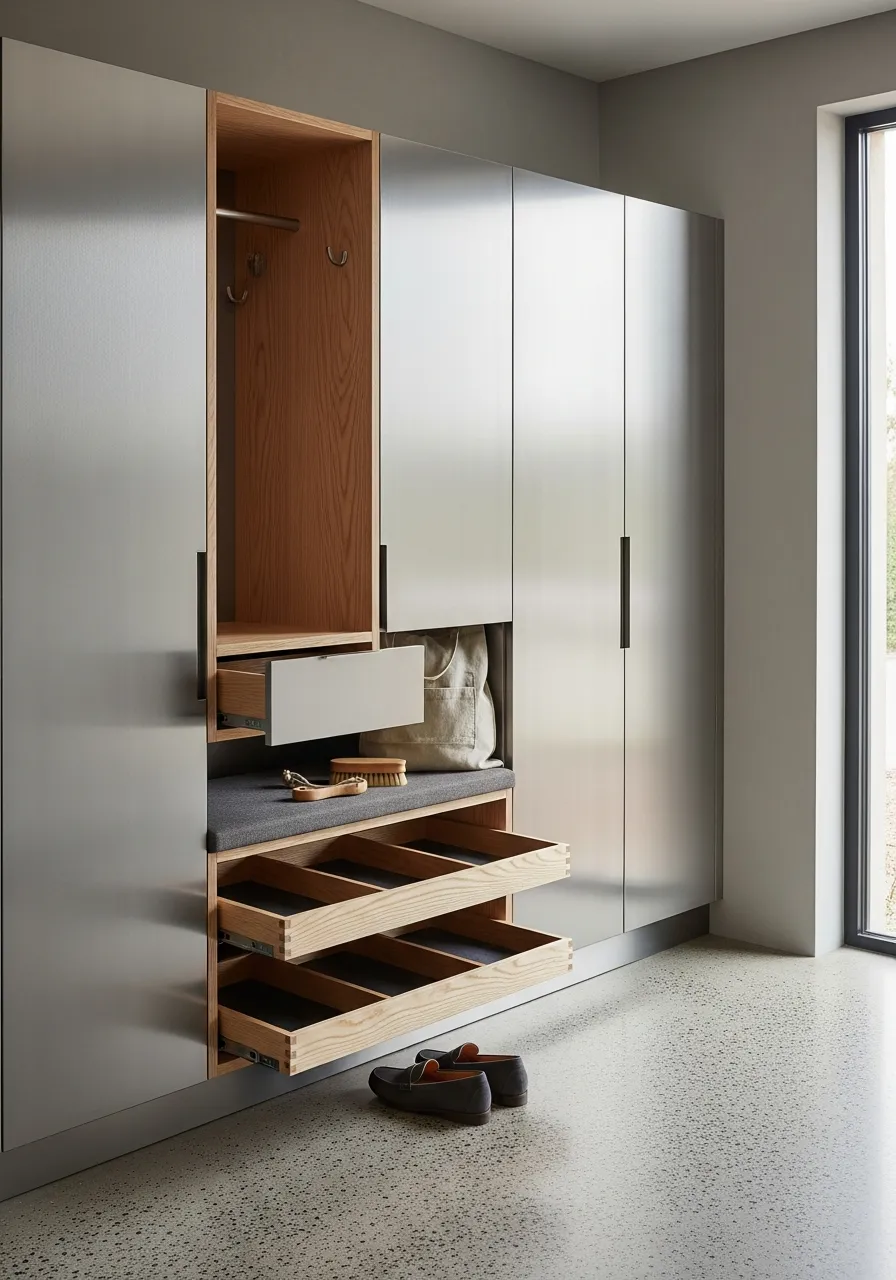
Lastly, ask for references from other buyers who have imported polyester lacquer cabinets from that factory, particularly ones who have had the cabinets for at least two years. A high quality polyester lacquer finish should show no yellowing, no micro-cracking, and maintain a gloss level within 10% of the original. If the factory cannot provide such references, be cautious. The Wikipedia entry at https://en.wikipedia.org/wiki/Kitchen_cabinet explains that kitchen cabinets are a long-term investment, and cutting corners on finish quality can lead to premature replacement costs. For buyers seeking a truly worry-free alternative, consider that Fadior builds whole-home interiors exclusively from 304 food-grade stainless steel, which eliminates all concerns about finish failure, moisture damage, or repainting. Fadior's cabinets offer zero formaldehyde, 100% waterproof construction, and a long service life without needing lacquer at all.
How Fadior Provides Proof Through Showroom, Factory, and Project Discussion
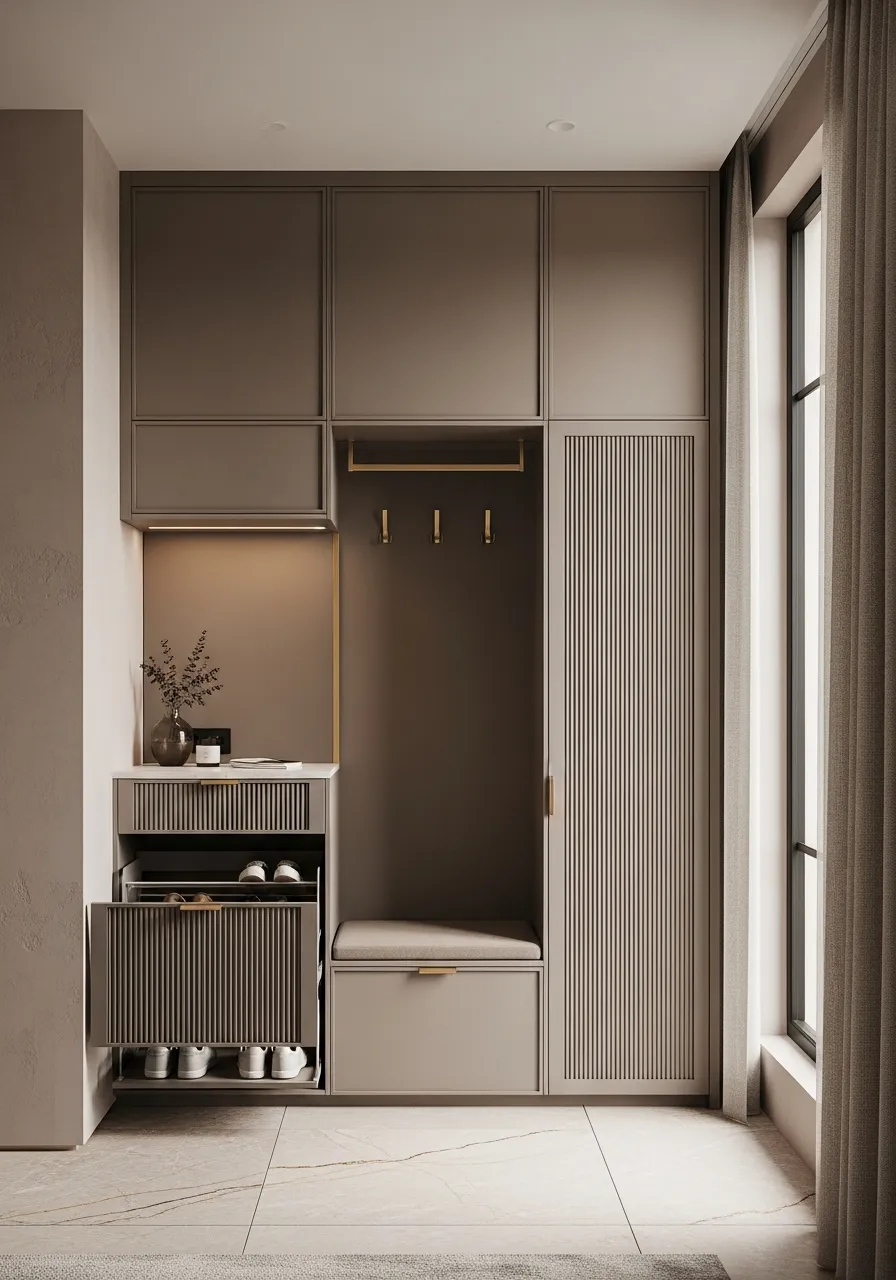
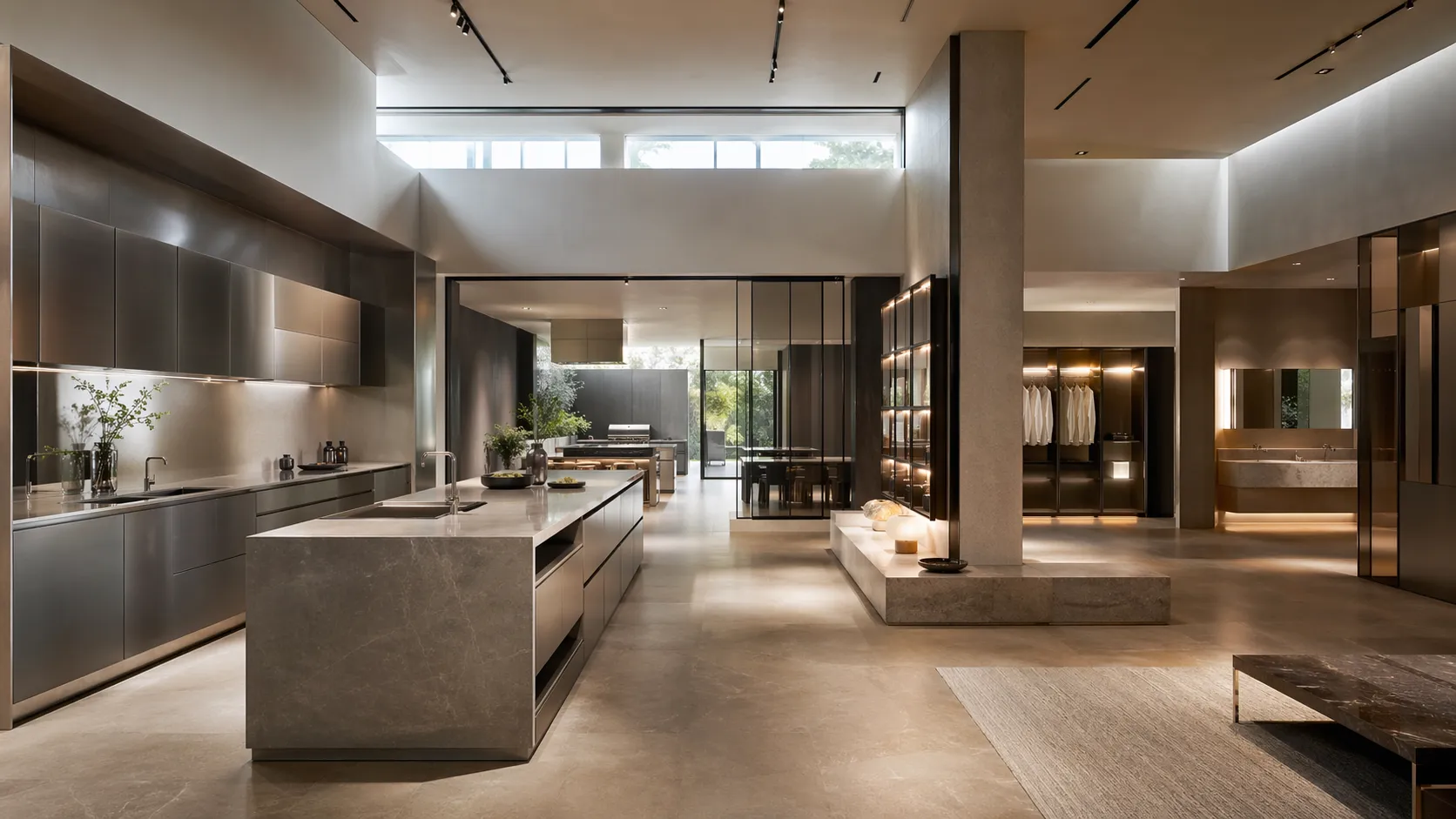
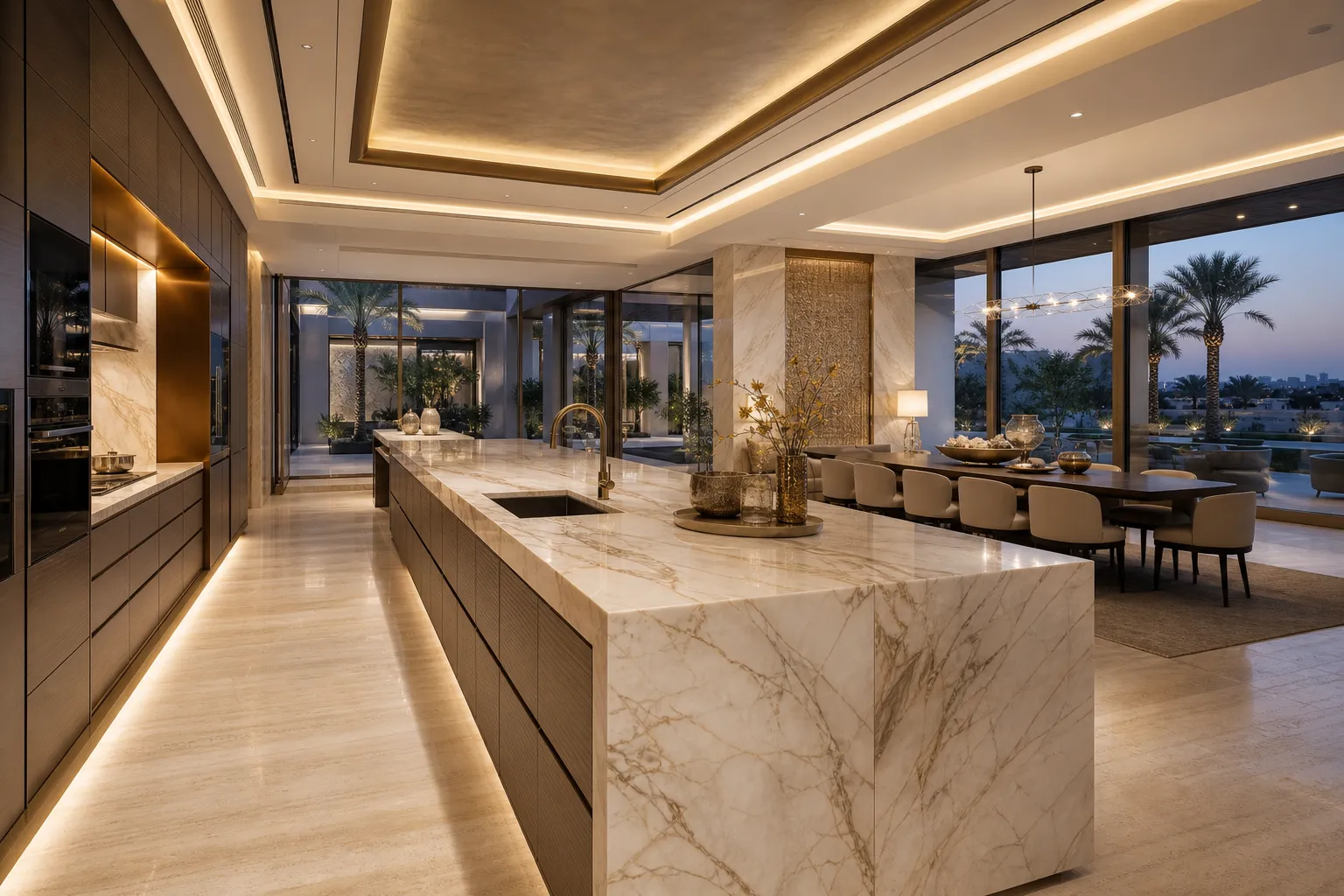
For buyers who want to see the difference between a high quality polyester lacquer cabinet and a premium alternative like 304 stainless steel, Fadior offers transparent proof through three channels: a physical showroom, its own factory, and published real residential projects. Unlike many suppliers that only provide digital renderings, Fadior invites buyers to visit its Foshan showroom, where you can touch, open, and examine sample cabinet doors finished in architectural-grade surfaces that mimic warm residential aesthetics. The route to the showroom is straightforward—contact Fadior via its website for a scheduled tour. This showroom experience allows you to compare 304 stainless steel cabinets against typical polyester lacquer finished cabinets side by side. You can feel the solid heft of a stainless steel door panel, which does not require a lacquer layer to achieve a smooth, non-porous surface. The zero formaldehyde claim is immediately evident—there is no chemical off-gassing odor that is common in lacquer-curing areas.
Fadior also operates its own stainless steel fabrication factory, which can be toured as part of the same visit. This factory is not a generic assembly line; it is a dedicated facility where raw 304 stainless steel sheets are cut, welded, and finished into cabinet frames, doors, and panels. Seeing the factory provides direct evidence of quality control: the precise laser cutting, the robotic welding that ensures no gaps, and the powder-coat or brushed finish lines that create the final aesthetic. In contrast, polyester lacquer cabinets must be finished separately in a spray booth, introducing a step where contamination or human error can occur. The Kitchen & Bath Design News at https://www.kitchenbathdesign.com often highlights that cohesive design requires material consistency, and Fadior's single-material process eliminates finish variability. During a factory discussion, engineers can explain how the stainless steel structure resists warping and how the continuous surface prevents moisture ingress, which is impossible with lacquer over MDF.
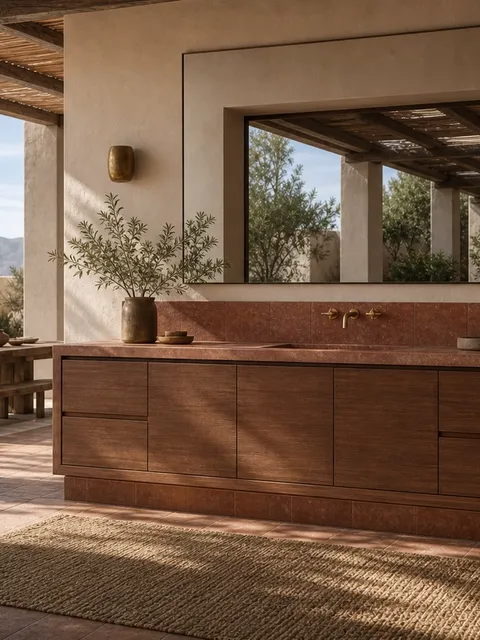
Finally, Fadior publishes real residential project examples on its public project pages. These are not staged showrooms but actual homes where Fadior's 304 stainless steel cabinetry has been installed—kitchens, wardrobes, bathroom vanities, wine cabinets, balcony cabinets, outdoor kitchens, wall panels, and interior doors. Each project includes photographs and sometimes video walkthroughs. Buyers can see how a whole-home stainless steel interior looks in a warm, residential setting, dispelling the myth that stainless steel belongs only in commercial kitchens. The Studio McGee article at https://studio-mcgee.com/kitchen-trends/ emphasizes that modern design trends favor materials that are both beautiful and functional, and stainless steel fits that description perfectly. By reviewing these projects, you can verify that 304 stainless steel achieves the sleek, high-gloss look that polyester lacquer promises, but without the maintenance or failure risk. This proof is invaluable for buyers who want to move beyond polyester lacquer to a truly permanent solution.
304 Stainless Steel Cabinet Considerations
If you are considering a high quality polyester lacquer finished cabinet for home, but also exploring alternatives, 304 stainless steel cabinets offer distinct advantages that address the common pain points of lacquer finishes. Polyester lacquer is susceptible to scratching, chipping, and chemical degradation from kitchen cleaners or acidic foods. In contrast, 304 stainless steel is a non-porous, corrosion-resistant alloy that does not require a protective coating. The surface can be brushed or matte finished to reduce fingerprints, and it can be cleaned with mild soap and water without worrying about damaging the finish. This makes 304 stainless steel ideal for busy kitchens, bathrooms, and outdoor spaces. As The Spruce article at https://www.thespruce.com/kitchen-trends-designers-regret-trying-11982679 notes, some lacquer finishes regretfully show every smudge, while stainless steel can be specified with an antimicrobial coating for added hygiene.
Another consideration is the service life. A high quality polyester lacquer cabinet, under optimal conditions, may last 10–15 years before the finish needs refinishing or the substrate fails from moisture. By contrast, 304 stainless steel cabinets are essentially permanent. They do not warp, swell, or discolor over time. The material is 100% waterproof, meaning it can be used in areas where polyester lacquer cannot—such as under sinks, around dishwashers, or in outdoor kitchens. Fadior's whole-home approach includes items like balcony cabinets and outdoor kitchens that would be impractical with lacquer finishes. The Homes.com article at https://www.homes.com/news/heres-the-latest-in-kitchen-design-as-seen-at-industrys-biggest-show/1586586982 highlights that outdoor living spaces are a growing trend, and stainless steel cabinetry is naturally suited for these applications. Additionally, 304 stainless steel is recyclable, making it a more sustainable choice than MDF and polyester lacquer, which are mixed materials that are difficult to recycle.
However, there are trade-offs. 304 stainless steel cabinets can be more expensive upfront than polyester lacquer cabinets, depending on the grade of stainless and thickness used (Fadior uses food-grade 304 stainless steel of appropriate gauge for structural integrity). The aesthetic is also different—while stainless steel can be powder-coated in various colors to mimic lacquer, the natural stainless steel look is metallic. Many homeowners appreciate the industrial-chic trend, but it may not suit a traditional or warm color palette. Fadior addresses this by offering architectural finishes that make stainless steel feel warm and residential, using textures and hues that absorb and reflect light like a lacquer surface. The Houzz gallery at https://www.houzz.com/photos/kitchen-ideas-and-designs-phbr0-bp~t_709 shows that diverse design styles can be achieved with the right material selection. For buyers who prioritize longevity and zero maintenance, 304 stainless steel is a compelling alternative to any lacquer finish.
In summary, the choice between a high quality polyester lacquer finished cabinet and a 304 stainless steel cabinet depends on your priorities: lacquer offers a wider color range and lower upfront cost, but requires careful maintenance and has a finite lifespan. Stainless steel offers permanent durability, moisture resistance, and sustainability, but at a higher initial investment and a different look. Buyers who want the best of both worlds can explore Fadior's 304 stainless steel cabinets, which are designed to emulate the premium aesthetic of lacquer while eliminating its weaknesses. The Wikipedia article at https://en.wikipedia.org/wiki/Kitchen_cabinet provides historical context on cabinet materials, showing that innovation always moves toward more durable and hygienic surfaces. For many homeowners today, 304 stainless steel represents that innovation.
Buyer Checklist and Next Step
To help you make an informed decision about a high quality polyester lacquer finished cabinet for home or its alternatives, here is a checklist to guide your supplier evaluation. First, verify the finish specifications: ask for the number of coats (minimum three), type of polyester resin (brand name), and UV stabilizer presence. Second, confirm the substrate material and its moisture resistance rating (MDF should be at least MR grade). Third, request sample panels that show the lacquer thickness and edge sealing quality. Fourth, ask for a warranty document that covers finish defects like peeling, yellowing, or blistering for at least five years. Fifth, inspect the factory or hire a third-party inspector if sourcing from China. Sixth, check logistics: ensure corners are protected and moisture barriers are used. Seventh, consider your environment—if the cabinets will be near steam, water, or direct sunlight, polyester lacquer may not be the best choice. Eighth, compare the total cost of ownership: lacquer may need refinishing in 10 years, while 304 stainless steel may never need replacement.
If after evaluating these factors you decide that polyester lacquer is still your preferred choice, proceed with a trusted supplier that offers clear communication and transparent manufacturing. However, if you are drawn to the idea of a cabinet that will look pristine for decades without the risk of moisture damage, you should explore Fadior's 304 stainless steel whole-home cabinetry. Fadior offers a physical showroom visit route in Foshan, where you can see the products firsthand. You can also schedule a factory discussion to understand how the stainless steel is fabricated. Most importantly, you can review real residential project examples on Fadior's public project pages, which demonstrate how stainless steel integrates into various home styles. The next step is to contact Fadior directly through its website to arrange a consultation or request a quote. The Kitchen & Bath Design News at https://www.kitchenbathdesign.com often features case studies of homeowners who made the switch to high-durability materials, reinforcing that the decision is a personal one based on lifestyle.
Remember that a high quality polyester lacquer finished cabinet for home is a viable option if you are willing to maintain it and accept a finite service life. But if you desire a truly worry-free, zero-maintenance solution that never requires refinishing, Fadior's 304 stainless steel cabinets are worth serious consideration. The journey of selecting the perfect cabinet should begin with understanding your priorities: aesthetic flexibility, durability, budget, and environmental impact. Take advantage of the resources provided in this article—visit the URLs cited, such as https://www.thespruce.com/kitchen-trends-designers-regret-trying-11982679 for designer insights, or https://www.homes.com/news/heres-the-latest-in-kitchen-design-as-seen-at-industrys-biggest-show/1586586982 for industry trends. Then, make an informed choice that will bring joy to your home for years to come.
Finally, do not hesitate to ask potential suppliers for proof. A reputable manufacturer will be happy to provide sample materials, production photos, and references. If a supplier can't show you a real project or factory video, that is a red flag. For Fadior, the proof is available through its showroom, factory, and public project galleries. As the Houzz article at https://www.houzz.com/photos/kitchen-ideas-and-designs-phbr0-bp~t_709 suggests, seeing the finished work in context helps avoid costly mistakes. So, make your checklist, book your visits, and choose a cabinet that matches your definition of 'high quality.'
Frequently asked questions
What exactly is a polyester lacquer finish on cabinets?
A polyester lacquer finish is a hard, high-gloss coating applied to cabinet substrates like MDF or plywood. It consists of a polyester resin that cures into a durable, chemical-resistant surface. Unlike polyurethane lacquers, polyester lacquer does not require a separate hardener in the same way, but it must be UV-stabilized to prevent yellowing. The finish is applied in multiple coats (usually three to five) to achieve a smooth, mirror-like shine that is common in modern home designs.
How do I verify the quality of a polyester lacquer cabinet from a Chinese supplier?
Verify by requesting a sample panel cut cross-section to see the layer thickness, a UV test report, and a moisture-resistance certificate for the substrate. Ask for the brand of polyester resin used (e.g., AkzoNobel, PPG). Arrange a video tour of the spray booth to confirm it is dust-free and temperature-controlled. Also, ask for at least two years of references from other importers. A third-party inspection company can help validate these claims.
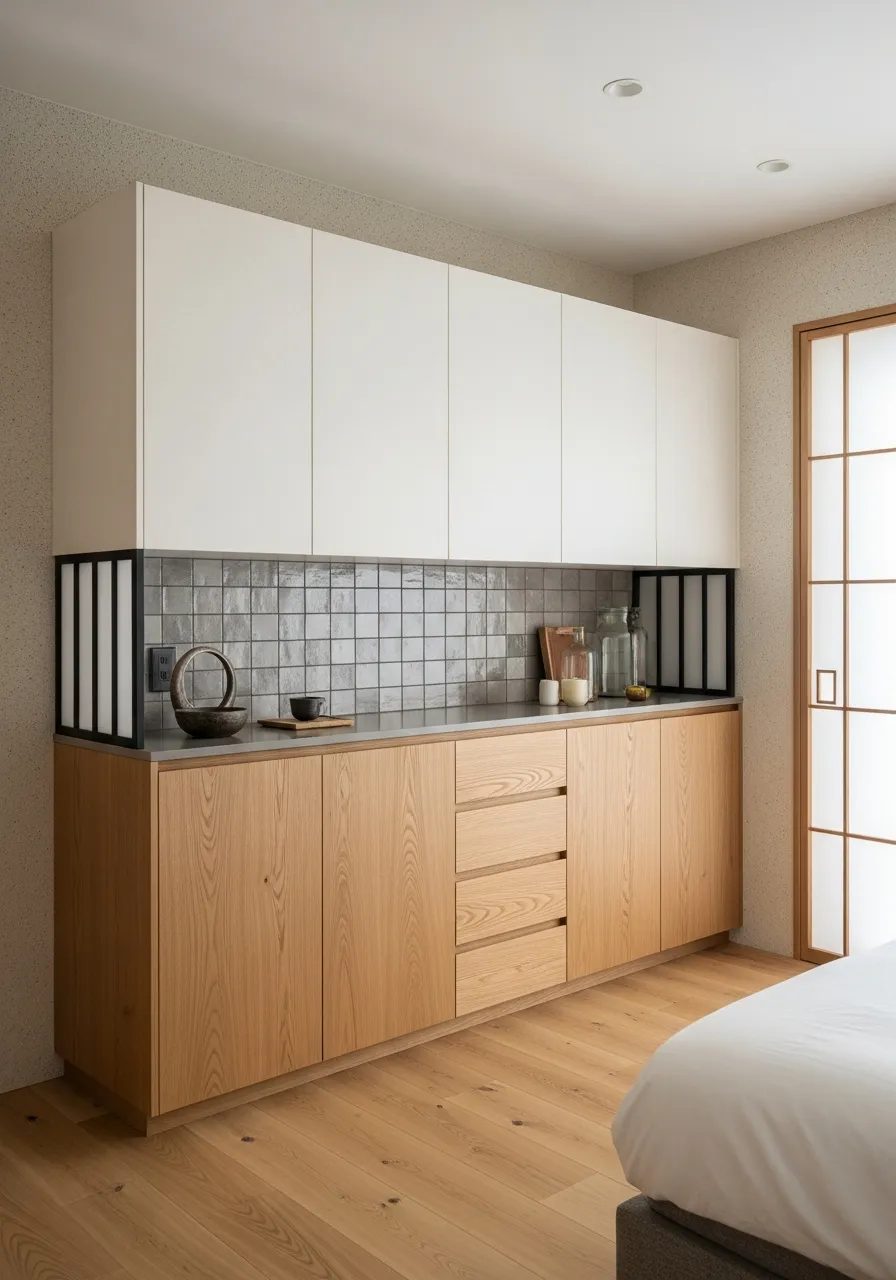
Can polyester lacquer cabinets be used in bathrooms or near sinks?
Polyester lacquer is not waterproof. While it resists humidity, standing water can seep through any unsealed edge, causing the MDF or plywood substrate to swell and delaminate. For bathrooms or sink areas, ensure that all edges are sealed with lacquer, and consider using a waterproof primer underneath. Even then, long-term exposure to steam (like in a shower cabinet) is risky. Many homeowners find that stainless steel cabinets are a safer choice for these wet zones.
How does 304 stainless steel compare to polyester lacquer in terms of aesthetics?
Polyester lacquer offers a wide color range with a high-gloss, mirror-like finish that can match any traditional design. Stainless steel has a metallic, brushed look that some find too industrial for home use. However, Fadior's 304 stainless steel cabinets are designed with architectural finishes, powder coatings, and textures that make them feel warm and residential—almost like a lacquered surface. Stainless steel also reflects light similarly to gloss lacquer, making spaces appear larger. The key difference is that stainless steel's finish is permanent and does not require touch-ups.
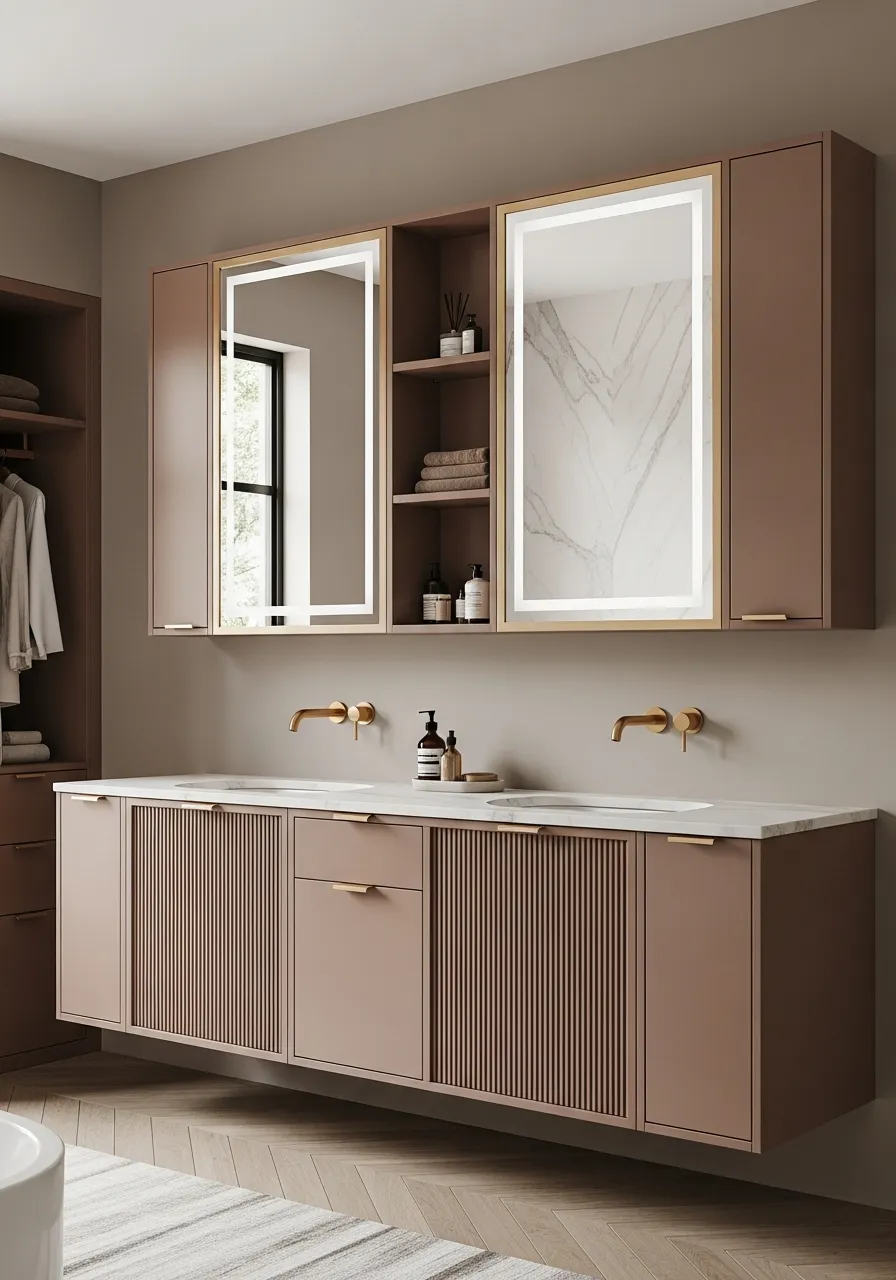
What is the typical lifespan of a high quality polyester lacquer cabinet compared to a 304 stainless steel cabinet?
A well-maintained polyester lacquer cabinet can last 10–15 years before the finish starts to yellow, chip, or the substrate swells from moisture. In contrast, a 304 stainless steel cabinet can last indefinitely—often over 50 years—without any finish degradation, moisture damage, or structural failure. This is because stainless steel is a solid metal that does not rely on a coating for protection. The total cost of ownership for stainless steel is lower when factoring in potential refinishing or replacement costs for lacquer.
What are the main downsides of polyester lacquer cabinets I should know before buying?
The main downsides include: (1) vulnerability to scratches and chips that are difficult to repair; (2) potential yellowing from UV exposure if not properly stabilized; (3) moisture damage to the substrate if edges are left unsealed; (4) the finish can show fingerprints and smudges easily; and (5) repainting or refinishing is costly and requires professional application. These issues are why many buyers consider alternatives like stainless steel for longer-lasting results.
Related products
Specific products worth reviewing next.
References
Authoritative sources cited in this article
- https://www.kitchenbathdesign.com
- https://www.homes.com/news/heres-the-latest-in-kitchen-design-as-seen-at-industrys-biggest-show/1586586982
- https://www.thespruce.com/kitchen-trends-designers-regret-trying-11982679
- https://www.houzz.com/photos/kitchen-ideas-and-designs-phbr0-bp~t_709
- https://studio-mcgee.com/kitchen-trends/
- https://en.wikipedia.org/wiki/Kitchen_cabinet
Ready to specify?