
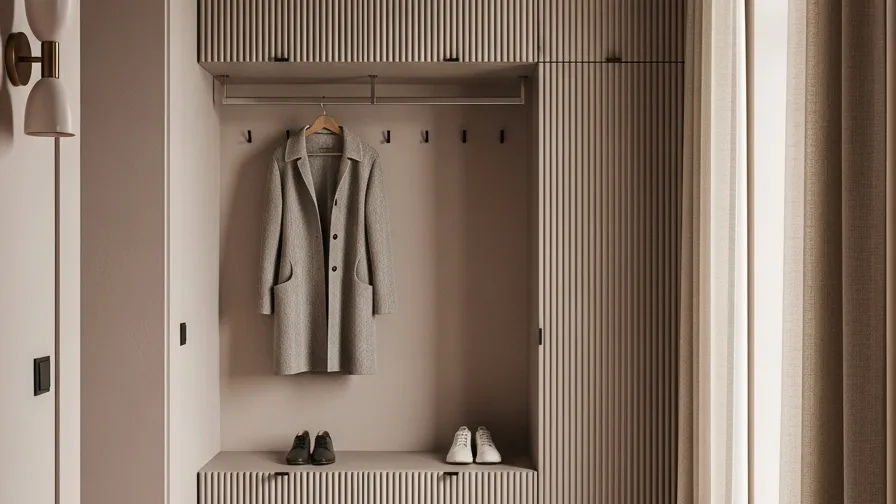
Integrating Smeg Garment Care Cabinets into Your Luxury Home
A practical, well-sourced guide to "smeg" "garment care" "cabinet": what the reader should know, how 304 stainless steel cabinetry fits, and how Fadior verifies it
Direct Answer for the Buyer Query
If you are searching for "smeg" "garment care" "cabinet", you are likely a homeowner or designer exploring how to incorporate Smeg’s premium garment care cabinets into a luxury residence. The direct answer is that integrating these cabinets requires careful planning around cabinetry materials, structural support, and aesthetic harmony. Smeg’s garment care units—which typically offer steaming, drying, and refreshing cycles—are standalone appliances that need to be built into cabinetry, much like a wine cooler or a steam oven. The surrounding cabinetry must be robust, moisture-resistant, and thermally stable to protect both the appliance and your clothing. This is where materials like 304 stainless steel become relevant, as they offer zero formaldehyde, 100% waterproof construction, and long service life, ensuring your Smeg unit performs optimally for decades.
For many buyers, the search extends to finding a cabinet supplier who can deliver bespoke cabinetry that integrates seamlessly with such high-end appliances. The process involves not only material selection but also visits to showrooms, factory tours, and discussions with project specialists to verify quality. This article will guide you through every step, from understanding what to verify in sourcing hubs like Foshan, China, to how brands like Fadior—a premium 304 stainless steel whole-home cabinetry brand—can provide proof through physical showrooms, factory operations, and real residential project examples. By the end, you will have a buyer checklist and clear next steps to move forward with confidence.
Smeg garment care cabinets are part of a growing trend in luxury homes where laundry and wardrobe care move from utility spaces to integrated living areas. As noted by experts in kitchen and bath design, the line between kitchen, laundry, and living spaces is blurring, with appliances becoming architectural elements rather than hidden utilities. According to Kitchen & Bath Design News (https://www.kitchenbathdesign.com), the demand for multi-functional spaces is reshaping how we think about cabinetry, especially in whole-home projects. This article directly addresses your query by providing actionable insights into material choice, sourcing verification, and the role of 304 stainless steel in creating a cohesive luxury interior.
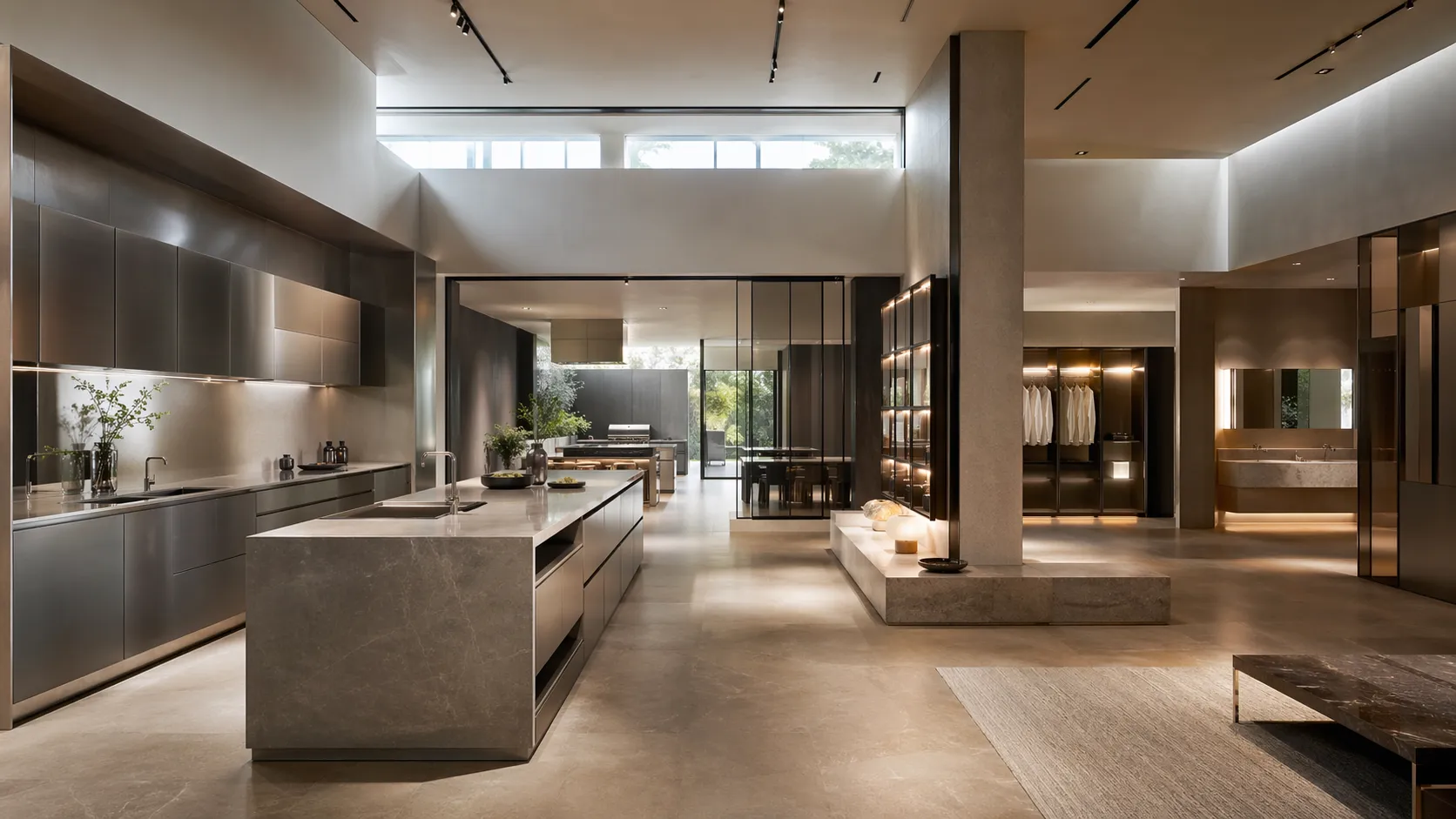
What to Verify in Foshan or China Sourcing
When integrating a Smeg garment care cabinet, many buyers consider sourcing cabinetry from Foshan, a major manufacturing hub in China known for furniture and cabinetry production. However, not all Foshan suppliers are equal. To ensure your Smeg unit is housed in cabinetry that meets luxury standards, you must verify several critical factors. First, check the material composition: high-quality cabinets should be made from 304 stainless steel rather than lower-grade metals or particleboard, which can warp or off-gas in humid environments. Smeg’s garment care cabinets produce steam, so internal cabinet surfaces must resist moisture without swelling or delamination. Wikipedia’s article on kitchen cabinets (https://en.wikipedia.org/wiki/Kitchen_cabinet) notes that moisture resistance is a key factor in cabinet longevity, especially in areas like laundry or bathroom installations.
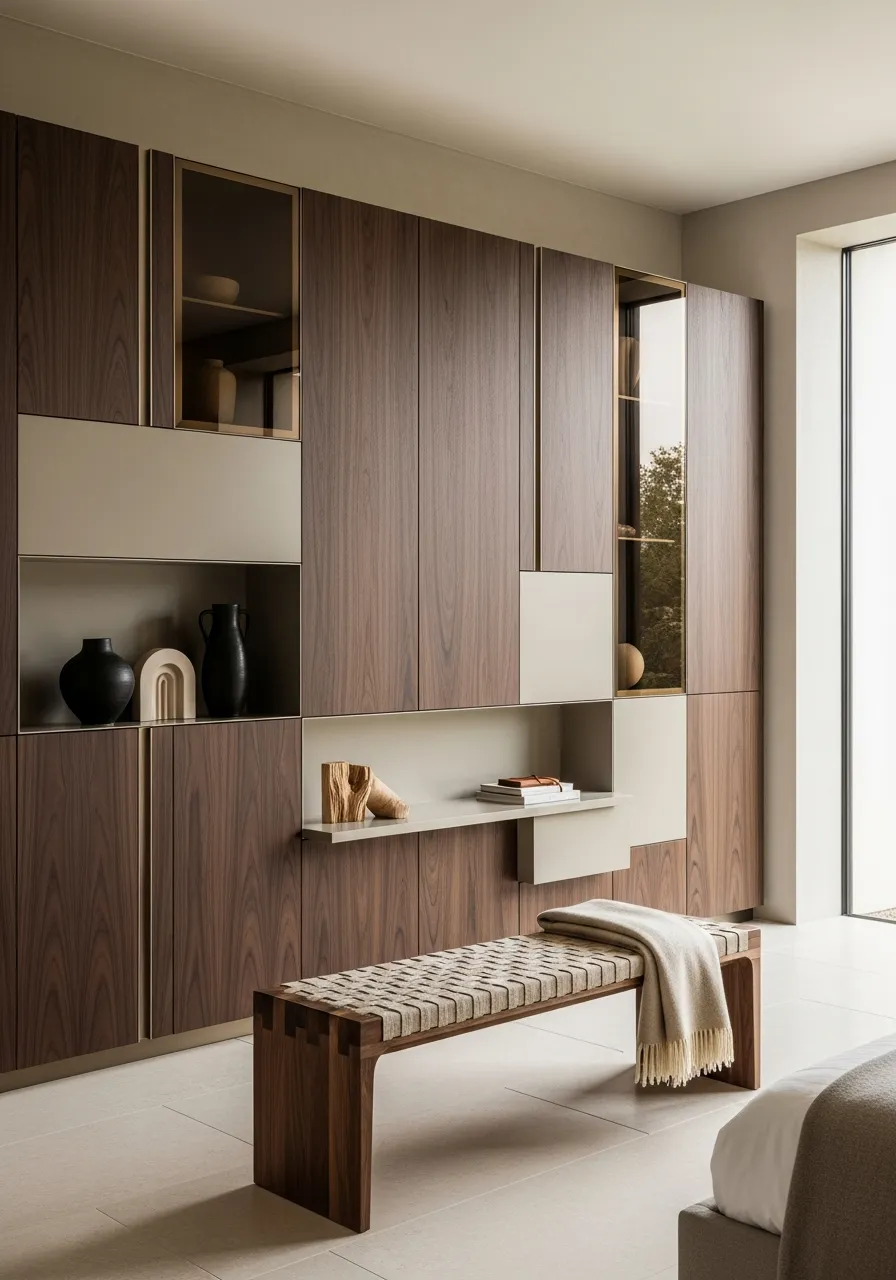
Second, examine the supplier’s manufacturing capabilities. A factory that produces its own stainless steel can ensure quality control from raw material to finished product. Ask for certifications of 304 stainless steel sourcing and request samples to test for thickness and finish. Third, look for evidence of real projects: reputable suppliers will share photographs and case studies of completed installations, particularly those involving similar appliances. Fourth, consider the logistics of custom sizing. Smeg garment care cabinets come in specific dimensions, and your cabinetry must be tailored to fit precisely. A supplier who can handle custom fabrication is essential, as off-the-shelf solutions may not align with the appliance’s ventilation or mounting requirements.
Fifth, and perhaps most importantly, verify the supplier’s showroom and factory access. A legitimate supplier will invite you to visit their physical showroom to see and touch the materials, and their factory to observe production processes. For international buyers, this often means a trip to Foshan. Industry benchmarks from shows like the Kitchen & Bath Industry Show (KBIS) underscore the importance of seeing products in person before purchase. Homes.com (https://www.homes.com/news/heres-the-latest-in-kitchen-design-as-seen-at-industrys-biggest-show/1586586982) reported that in-person evaluation remains crucial for discerning buyers, especially for high-investment items like custom cabinetry. Without these verifications, you risk integrating a Smeg appliance into cabinetry that compromises performance, aesthetics, or durability.
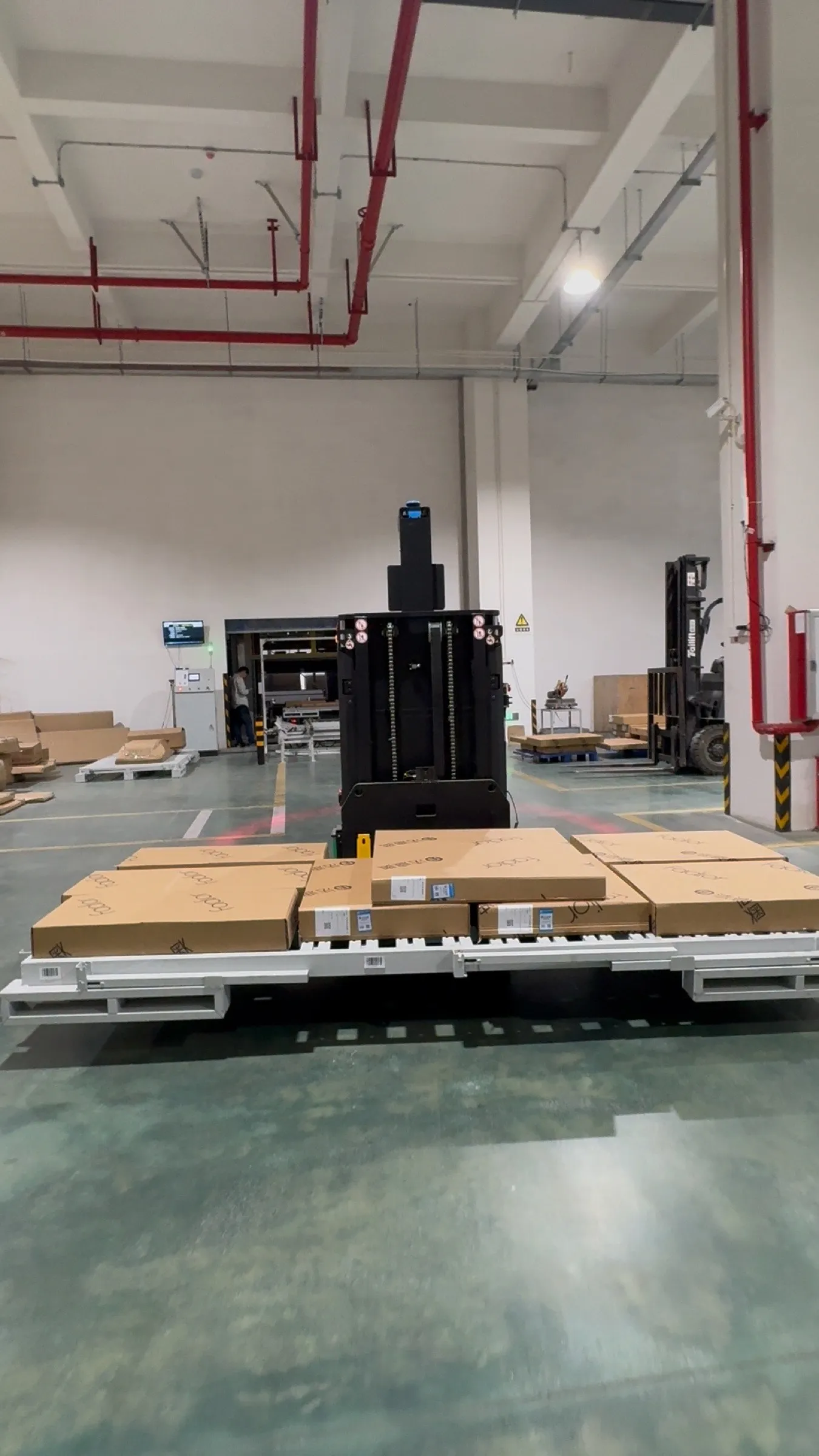
How Fadior Provides Proof Through Showroom, Factory, and Project Discussion
Fadior, a premium brand specializing in whole-home interiors made exclusively from 304 food-grade stainless steel, offers a concrete path for buyers seeking verified quality. Fadior operates a physical showroom in Foshan, complete with a documented visit route that allows you to experience the warmth and residential feel of their stainless steel cabinetry firsthand. Unlike many online-only suppliers, Fadior invites you to walk through their showroom and see how their cabinetry can seamlessly integrate with appliances like Smeg garment care cabinets. The showroom experience is designed to demonstrate how 304 stainless steel can feel warm rather than industrial, with finishes that complement luxury interiors.
Beyond the showroom, Fadior owns and operates its own stainless steel cabinet factory. This is a critical distinction: many suppliers source cabinets from third-party facilities, but Fadior controls every step of production, from cutting to welding to finishing. During a factory visit, you can discuss material sourcing, fabrication precision, and quality assurance protocols. Fadior’s team can show you how they customize cabine try to fit specific appliance dimensions, including Smeg’s garment care units, ensuring proper ventilation, weight support, and moisture resistance. This direct oversight eliminates the risk of receiving cabinets made from inferior materials or with poor craftsmanship.
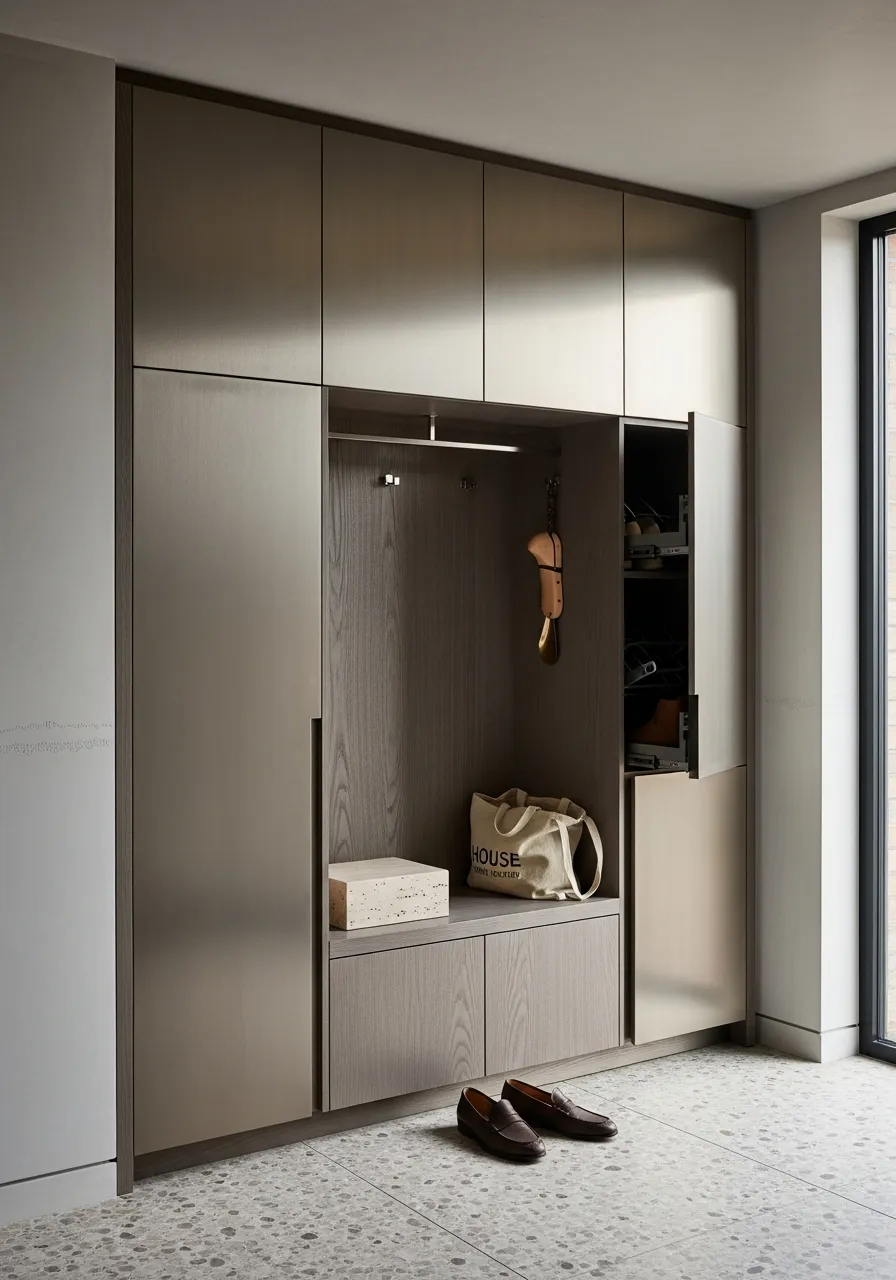
Fadior also publishes real residential project examples on their public pages, providing evidence of their work in actual homes. These projects often feature whole-home installations—kitchens, wardrobes, bathroom vanities, wine cabinets, balcony cabinets, outdoor kitchens, wall panels, and interior doors—all from 304 stainless steel. By reviewing these case studies, you can see how Fadior has integrated high-end appliances in practice, not just in theory. For instance, Habitus Living (https://www.habitusliving.com/projects/multyflex-sub-zero-wolf) highlights how custom cabinetry can elevate appliance integration, a principle that Fadior applies across their portfolio. Such documentation turns abstract claims into verifiable proof, giving you confidence that your Smeg garment care cabinet will be housed in cabinetry that matches the appliance’s premium stature.
In discussions with Fadior’s project specialists, you can explore specific requirements for your Smeg unit. They can advise on structural reinforcements needed to support the weight of a garment care cabinet, which can be heavier than standard wardrobes due to water tanks and mechanical components. They can also recommend finishes that resist heat and steam, ensuring the cabinetry remains pristine over time. This level of personalized consultation, backed by a physical showroom and factory, is rare in the cabinetry market and directly addresses the buyer intent behind your search for reliable integration.
304 Stainless Steel Cabinet Considerations
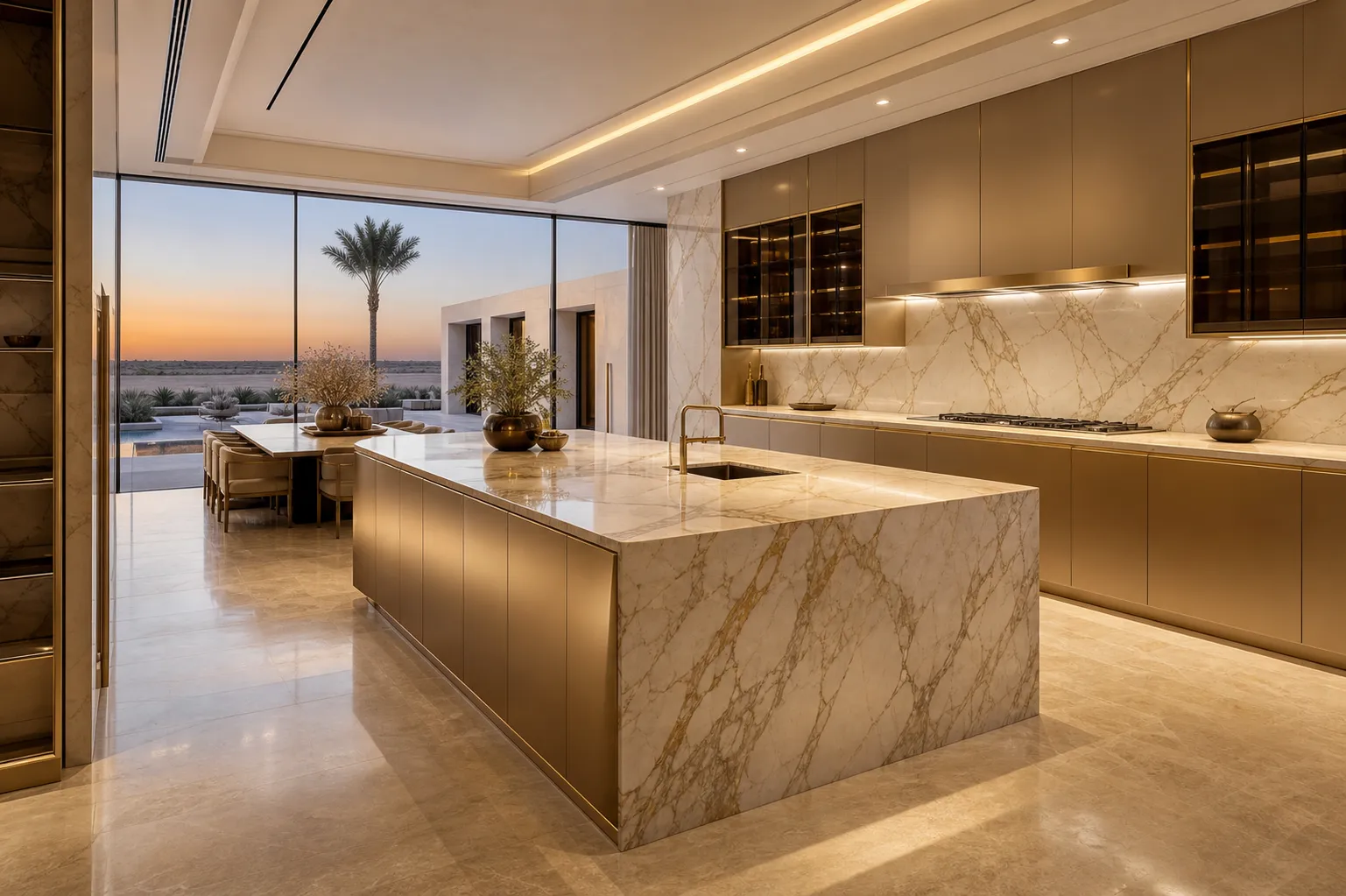
Choosing 304 stainless steel for cabinetry that houses a Smeg garment care cabinet involves several technical and aesthetic considerations. 304 stainless steel is a food-grade, non-corrosive alloy that resists rust, stains, and bacterial growth. For a garment care appliance that emits steam, this material is ideal because it will not warp, swell, or off-gas volatile organic compounds (VOCs) like wood-based cabinets might. The Spruce (https://www.thespruce.com/kitchen-styles-no-longer-in-style-11982683) notes that materials that cannot withstand moisture are falling out of favor in modern design, making 304 stainless steel a forward-looking choice. Its zero formaldehyde ensures indoor air quality is not compromised, which is especially important in confined spaces like walk-in wardrobes or laundry rooms.
Aesthetically, 304 stainless steel can be finished in various textures, from brushed to mirrored to matte, allowing it to blend with or accent your interior design. Fadior specializes in architectural aesthetics that make stainless steel feel residential and warm, countering the perception that metal cabinetry is cold or industrial. When integrating a Smeg garment care cabinet, you can choose a finish that complements the appliance’s own design—Smeg’s appliances often feature retro or minimalist profiles, so the cabinetry should either match or contrast tastefully for visual balance. House Beautiful (https://www.housebeautiful.com/room-decorating/kitchens/g63248714/kitchen-design-trends-2025) identifies mixed materials as a key trend for 2025, so combining stainless steel cabinetry with wood, glass, or stone accents is a viable design strategy.
Weight and installation are practical considerations. 304 stainless steel is heavier than wood or aluminum, so your cabinetry must be securely anchored to studs or a concrete floor to support the combined weight of the cabinet and the Smeg unit. Additionally, stainless steel can conduct heat and cold, so if your Smeg garment care cabinet produces heat during steaming cycles, ensure proper insulation or ventilation within the cabinetry to prevent heat transfer to adjacent items. Fadior’s design team can address these factors during the project discussion phase, offering solutions like internal baffles or vented panels that align with the appliance’s specifications.
Cost is another factor. 304 stainless steel is more expensive than typical cabinet materials, but its longevity—often 50 years or more without deterioration—offsets the initial investment. For luxury homeowners, this is a value proposition that aligns with the durability of Smeg’s own products. By pairing a high-quality appliance with high-quality cabinetry, you avoid the potential mismatch of a premium Smeg unit being housed in cabinetry that degrades over time, which would undermine the overall investment. Wikipedia’s kitchen cabinet article (https://en.wikipedia.org/wiki/Kitchen_cabinet) confirms that material quality directly impacts cabinet lifespan, reinforcing the logic of choosing 304 stainless steel for long-term performance.
Designing the Integration: Aesthetic and Functional Harmony
Integrating a Smeg garment care cabinet into your home is more than a technical exercise; it is a design opportunity to create a seamless luxury experience. The cabinetry should not just hide the appliance but frame it as a focal point, similar to how a Sub-Zero refrigerator is often flanked by custom panels. In wardrobes or dressing rooms, the Smeg unit can be placed alongside traditional hanging space, drawers, and shelves, all crafted from the same 304 stainless steel for visual continuity. This approach echoes the whole-home ethos of brands like Fadior, which extend stainless steel cabinetry across kitchens, wardrobes, bathrooms, and more, ensuring every room feels cohesive and intentional.
Functionally, the placement of the Smeg garment care cabinet requires careful thought. The unit needs access to a water supply (for filling) and drainage (for emptying), as well as electrical outlets. The cabinetry must accommodate these connections without exposed pipes or cords. For example, the base cabinet beneath the appliance could house water lines and a drip tray, while the top cabinet might include a vent for steam release. Fadior’s project specialists can design these hidden channels, using 304 stainless steel’s structural rigidity to create custom enclosures that are both functional and invisible. The Habitus Living project (https://www.habitusliving.com/projects/multyflex-sub-zero-wolf) demonstrates how custom cabinetry can integrate complex appliances with elegance, a principle directly applicable to Smeg garment care cabinets.
Lighting is another consideration. LED strips inside the cabinet can illuminate the appliance and its controls, enhancing usability and ambiance. Since 304 stainless steel reflects light, the finish should be chosen to avoid harsh glare; a brushed or satin finish diffuses light more softly than a mirror polish. Similarly, the cabinetry doors should open without obstructing other wardrobe elements, possibly using sliding mechanisms for tight spaces. Fadior’s experience with sliding doors for wardrobes and wall panels provides a reference point for such mechanisms in 304 stainless steel, ensuring smooth operation over years of use.
Acoustics matter too. Smeg garment care cabinets can produce hums or clicks during operation. 304 stainless steel, being dense, can actually help dampen sound compared to hollow wood cabinets. However, precise fabrication is needed to avoid vibrations. Fadior’s factory-trained installers use precision welding and gaskets to create tight joints, minimizing noise transmission. These design details—often overlooked in generic cabinet sourcing—elevate the integration from satisfactory to exceptional, aligning with the expectations of a luxury homeowner.
Sourcing Strategies: Direct from Factory vs. Local Dealer
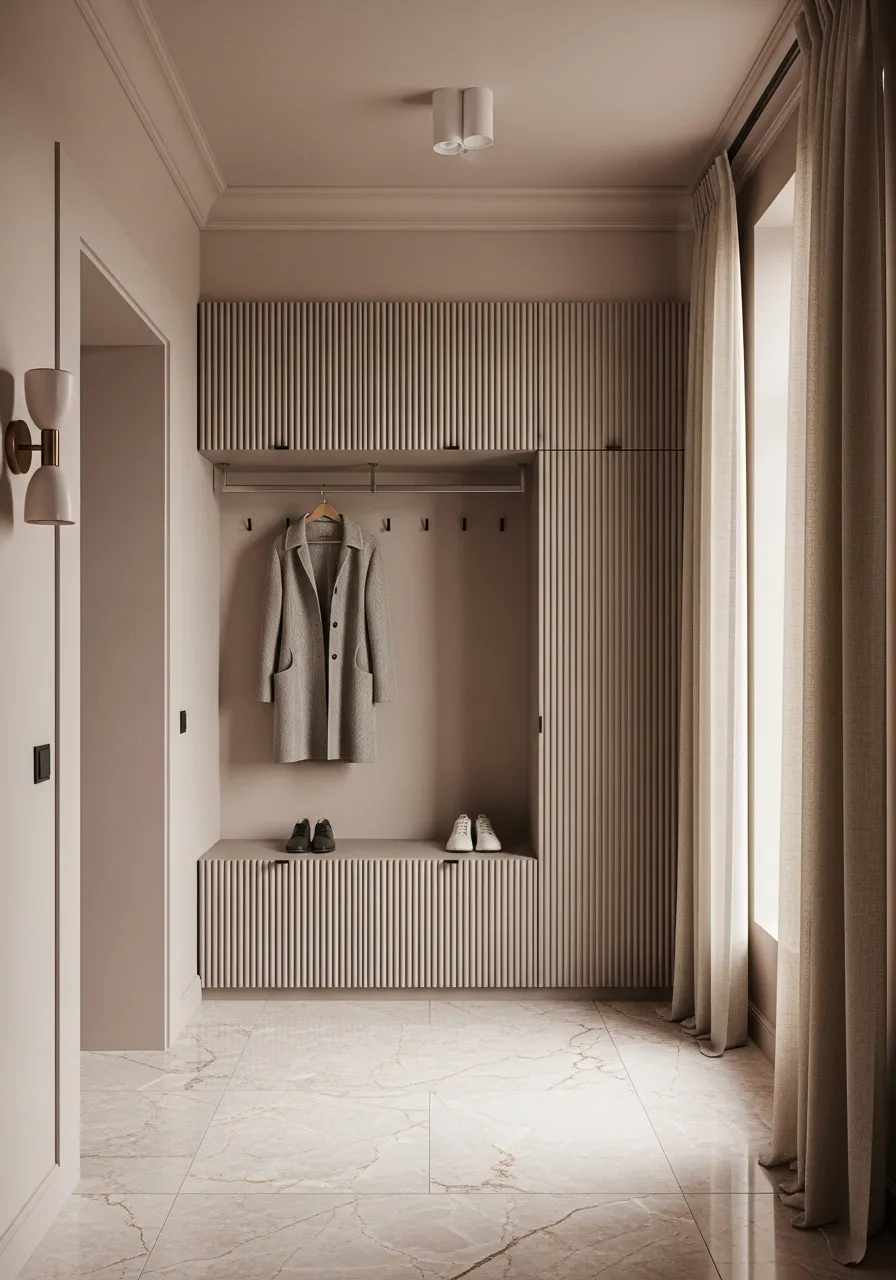
For buyers integrating a Smeg garment care cabinet, the sourcing decision often comes down to whether to purchase cabinetry directly from a factory like Fadior or through a local dealer. Direct factory sourcing, particularly from Foshan, offers potential cost savings and direct access to custom fabrication. However, it requires due diligence to verify the factory’s credentials and quality. As discussed, visiting the showroom and factory is essential. Fadior’s transparent approach—with a physical showroom, factory tours, and published project examples—makes direct sourcing feasible for international buyers who can travel or arrange virtual tours. The Kitchen & Bath Design News (https://www.kitchenbathdesign.com) emphasizes that direct relationships with manufacturers can streamline custom projects, but only when trust is established through verifiable proof.
Local dealers, on the other hand, offer convenience and on-site installation services. They may source from multiple suppliers and can handle logistics, but they often mark up prices and may not offer the same degree of customization. For a Smeg garment care cabinet, which has unique dimensional and functional requirements, a local dealer might not have experience with 304 stainless steel cabinetry. This could lead to compromises on material quality or integration details. The trend toward whole-home customization, as highlighted by House Beautiful (https://www.housebeautiful.com/room-decorating/kitchens/g63248714/kitchen-design-trends-2025), suggests that homeowners are increasingly willing to work with specialists who can deliver cohesive interiors, rather than relying on generalist dealers.
A hybrid approach is also possible: use a local installer for the Smeg appliance itself, while sourcing the cabinetry from a factory like Fadior. This allows you to leverage Fadior’s expertise in 304 stainless steel while benefiting from local knowledge for the appliance hookup. Fadior can ship components flat-packed or pre-assembled, and they can provide detailed installation instructions for their cabinetry. The key is to ensure that the local installer is comfortable working with stainless steel, which requires specialized tools (e.g., drill bits for metal) and techniques (e.g., avoiding cross-threading screws). Pre-fabrication from Fadior’s factory can minimize on-site adjustments, reducing installation time and errors.
Regardless of the route, always request a written contract that specifies the grade of stainless steel (304), the finish, dimensions, and warranty terms. Fadior offers clear documentation as part of their factory-proven processes, but be wary of suppliers who cannot provide similar guarantees. The Wikipedia article on kitchen cabinets (https://en.wikipedia.org/wiki/Kitchen_cabinet) notes that warranties vary widely, so clarity upfront prevents disputes. By verifying the cabinetry’s provenance, you protect your investment in both the Smeg appliance and the custom cabinetry.
Buyer Checklist and Next Step
To ensure a successful integration of a Smeg garment care cabinet with 304 stainless steel cabinetry, use this buyer checklist as a guide. First, confirm the appliance specifications: measure the Smeg unit’s height, width, depth, and weight, and note its ventilation, water, and electrical requirements. Second, identify a cabinetry supplier who specializes in 304 stainless steel and can provide proof of quality through a showroom visit, factory tour, and project examples. Fadior meets all these criteria, but you can also evaluate other suppliers using the same metrics. Third, request samples of the stainless steel finish to ensure it matches your interior palette. Fourth, discuss structural support and custom fit with the supplier to accommodate the appliance’s specific needs.
Fifth, review real project photos from the supplier to see how they have integrated similar appliances in the past. Sixth, obtain a detailed quote that includes materials, fabrication, shipping, and installation. Seventh, plan for logistics: if sourcing from a factory in Foshan, consider hiring a third-party inspector to verify the cabinetry before shipping. Eighth, confirm the warranty for both the cabinetry and its finish. Fadior’s whole-home approach often includes all cabinet categories, so you might also plan for coordinated cabinetry in other rooms to achieve a unified aesthetic. Finally, schedule the installation to minimize disruption, ensuring the Smeg appliance is installed per its manual and the cabinetry is properly secured.
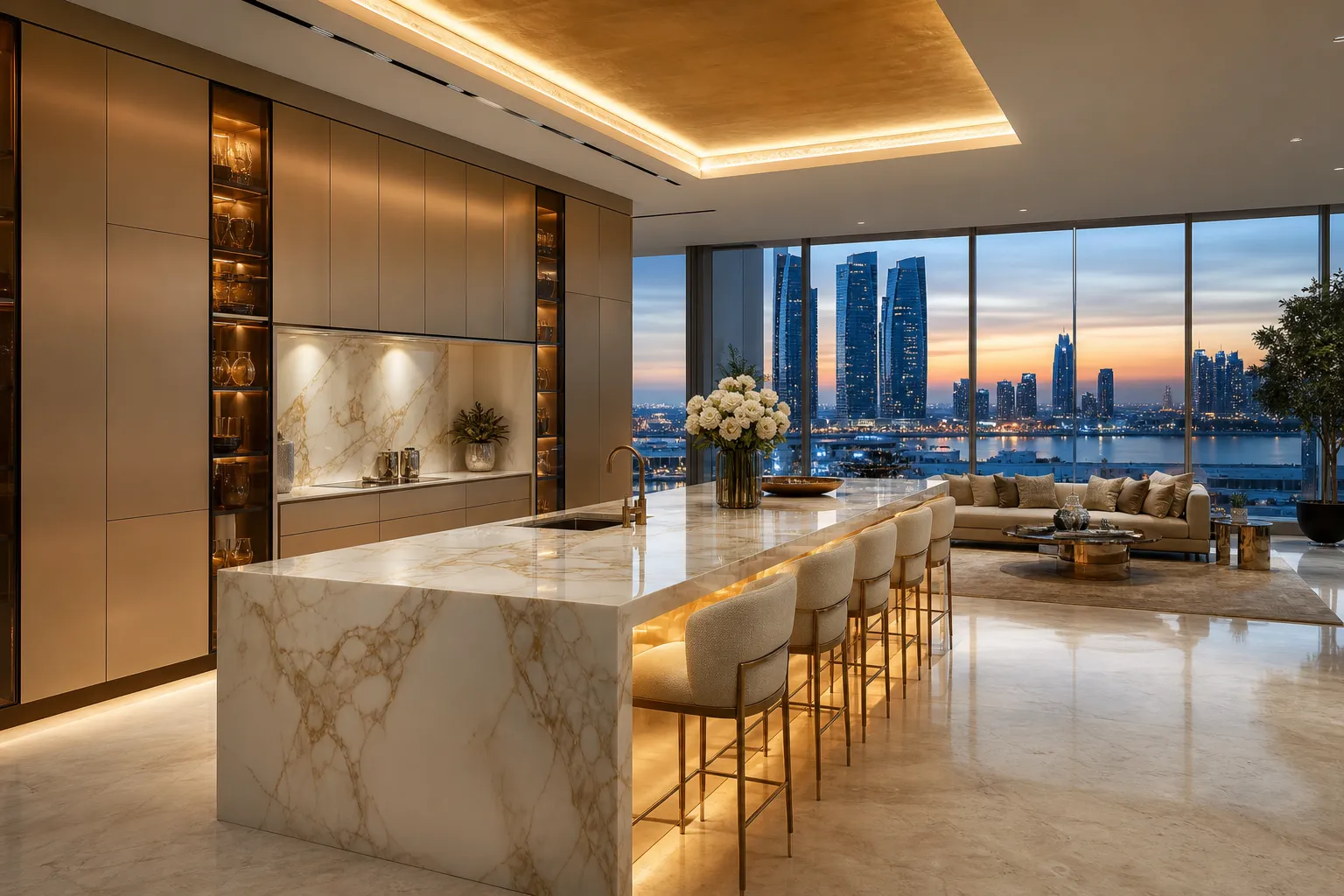
Your next step is to take concrete action. Begin by visiting the Fadior showroom in Foshan or reaching out for a virtual consultation to discuss your Smeg garment care project. Use the Fadior factory discussion to validate your material choice and design ideas. In parallel, contact Smeg or their authorized dealer to confirm the exact model you intend to purchase, and obtain its installation dimensions. Then, compile these specifications into a design brief for your cabinetry supplier. By following this checklist, you move from inquiry to implementation with confidence, ensuring your luxury home benefits from both Smeg’s garment care innovation and the durability of 304 stainless steel cabinetry.
Remember, the goal is not just to buy a cabinet, but to create an integrated environment where each element enhances the other. With the right supplier—one who offers transparency, expertise, and proven craftsmanship—you can achieve that vision. Fadior’s role as a 304 stainless steel specialist positions them as a logical partner for such projects, but the ultimate decision rests on your verification of their capabilities. The latest trends, as reported by Homes.com (https://www.homes.com/news/heres-the-latest-in-kitchen-design-as-seen-at-industrys-biggest-show/1586586982), show that personalized, durable materials are driving luxury design forward. By integrating Smeg’s garment care cabinet with premium cabinetry, you align with that trend while future-proofing your home for years to come.
Frequently asked questions
Can I integrate a Smeg garment care cabinet into existing cabinetry, or do I need custom new cabinets?
Ideally, you need custom cabinetry to accommodate the Smeg garment care cabinet, as its dimensions, weight, and ventilation needs rarely match standard cabinet sizes. Existing cabinetry may be modified, but it is often more reliable to commission new 304 stainless steel cabinetry from a specialist like Fadior, who can tailor the enclosure for a perfect fit.
Why is 304 stainless steel recommended for cabinetry around a Smeg garment care unit?
304 stainless steel is corrosion-resistant, non-porous, and does not off-gas formaldehyde, making it ideal for steam-producing appliances. It withstands moisture without swelling or warping, ensuring the cabinetry remains stable and hygienic even after years of use. Its zero formaldehyde also protects your clothing from chemical exposure.
How do I verify that a cabinet supplier in Foshan uses genuine 304 stainless steel?
Request a material test certificate or perform a simple magnet test (304 stainless steel is slightly magnetic after cold working). Visit the factory to observe raw material storage and production. A reputable supplier like Fadior will be transparent about their 304 grade sourcing and may provide samples for independent testing.
Does the Smeg garment care cabinet require special ventilation in the cabinetry?
Yes, Smeg units generate steam and heat, so ventilation is required. The cabinetry should include vents (hidden within design) to allow steam to escape and prevent condensation buildup. Your cabinetry supplier, particularly a 304 stainless steel specialist, can design integrated ventilation panels that maintain aesthetics while ensuring safety.
Can I use 304 stainless steel cabinetry for other rooms to create a cohesive look with my Smeg garment care unit?
Absolutely. Brands like Fadior offer whole-home stainless steel cabinetry, including kitchens, wardrobes, bathroom vanities, and wall panels. Using the same 304 stainless steel finish across rooms creates a unified aesthetic that complements high-end appliances like Smeg garment care cabinets. This approach is supported by trends in luxury interior design for continuity and durability.
What happens if my Smeg garment care cabinet needs service—can the cabinetry be easily removed?
Custom 304 stainless steel cabinetry can be designed with removable panels or service access points. It is important to discuss this with your supplier during the design phase, so that future maintenance does not require destroying the cabinetry. Fadior and similar specialists can incorporate access hatches or modular sections for this purpose.
Related products
Specific products worth reviewing next.
References
Authoritative sources cited in this article
- https://www.kitchenbathdesign.com
- https://www.housebeautiful.com/room-decorating/kitchens/g63248714/kitchen-design-trends-2025
- https://www.thespruce.com/kitchen-styles-no-longer-in-style-11982683
- https://www.homes.com/news/heres-the-latest-in-kitchen-design-as-seen-at-industrys-biggest-show/1586586982
- https://en.wikipedia.org/wiki/Kitchen_cabinet
- https://www.habitusliving.com/projects/multyflex-sub-zero-wolf
Ready to specify?