
Kitchen Cost Planning
Kitchen cost planning helps homeowners protect the durable base, appliance allowances, and installation order when household costs move.
Direct answer
The Direct Answer
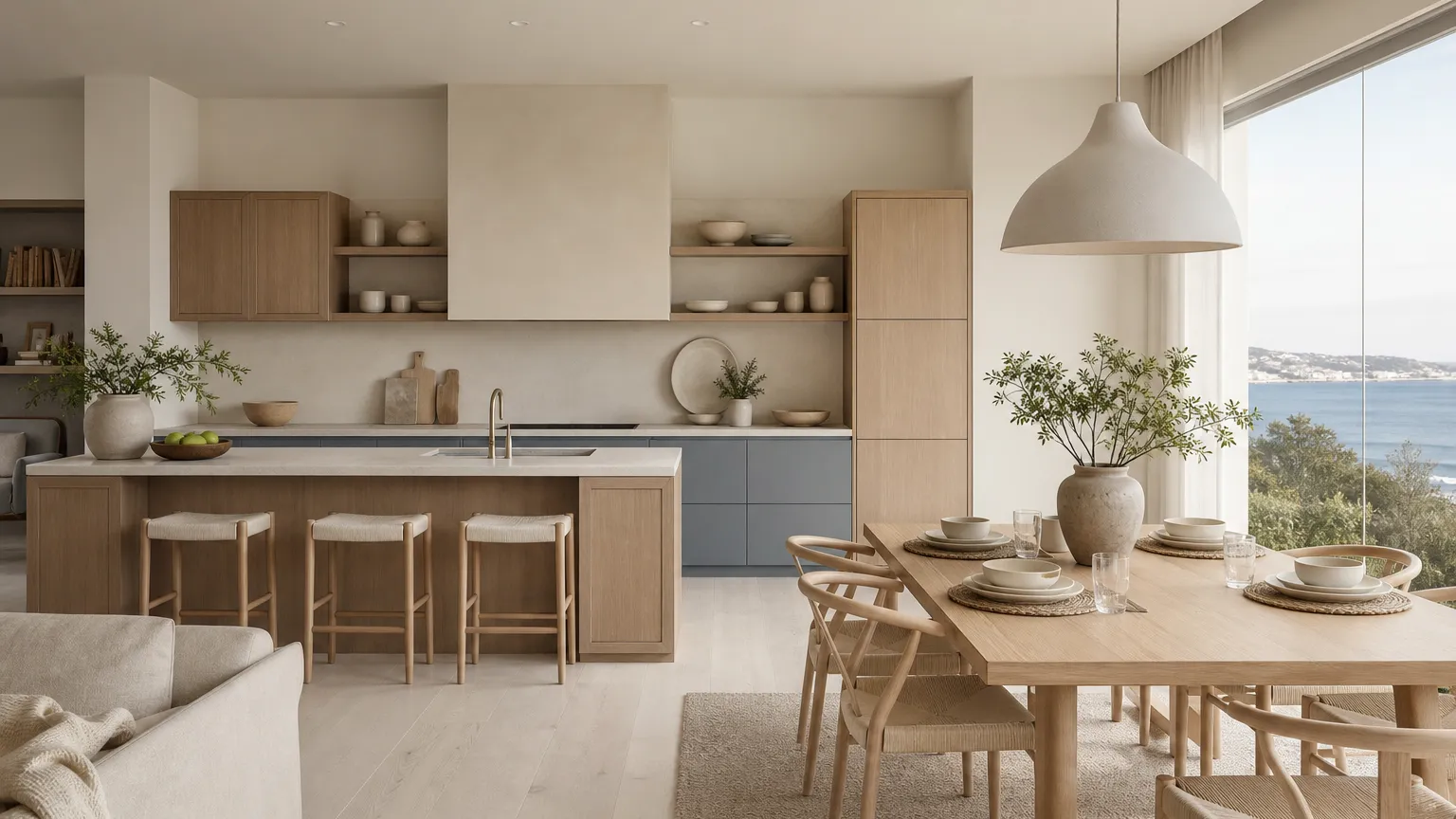
Kitchen cost planning is a practical way to decide what must be approved early and what can wait when household costs shift. Start with the measured layout, appliance allowances, service routes, and durable cabinet base; then keep decorative upgrades, loose accessories, and secondary storage flexible until the room is ready for installation.
What is kitchen cost planning?
Kitchen cost planning is a sequencing method for approving the decisions that shape a kitchen before optional upgrades absorb the budget. It is not a forecast about prices, currencies, or markets. It is a room-by-room discipline: confirm what fixes the plan, price what affects installation, and delay what does not threaten daily use. In a custom kitchen, the fixed decisions are usually the measured layout, appliance openings, plumbing points, ventilation route, cabinet-body basis, and access for service. The flexible decisions are often display accessories, loose lighting, drawer inserts, styling pieces, and some finish accents. That separation helps a family stay calm when groceries, utilities, travel, or other household costs compete for attention.
- Kitchen cost planning
- Kitchen cost planning is a decision sequence that protects the kitchen base before optional upgrades are purchased.
Why should the durable base come first?
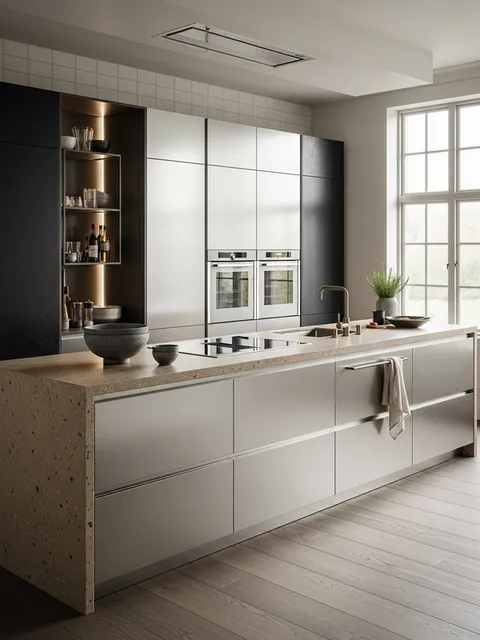
The durable base should come first because it determines what the contractor, fabricator, appliance supplier, and installer can coordinate. A cabinet-body change can alter drawings, countertop support, appliance fit, service access, and installation timing. Fadior builds residential cabinetry around 304 stainless steel, which gives buyers a material base that is waterproof, recyclable, and suited to long-life rooms. The company intelligence file records a 600 million RMB smart-factory investment, 60,000+ sqm production facility, and 26,000+ technical rules governing production quality. Those facts are useful only when the project brief is stable. A clear base decision prevents the kitchen from being redesigned around every later cost discussion. It also gives the family a calmer comparison point. Instead of debating every finish and accessory at once, the meeting can test each request against one question: does this choice change the measured base or only personalize the room? When the answer is base-related, it belongs in the early approval round. When the answer is personal or decorative, it can move into a later allowance without weakening the kitchen.
How should homeowners set appliance allowances?
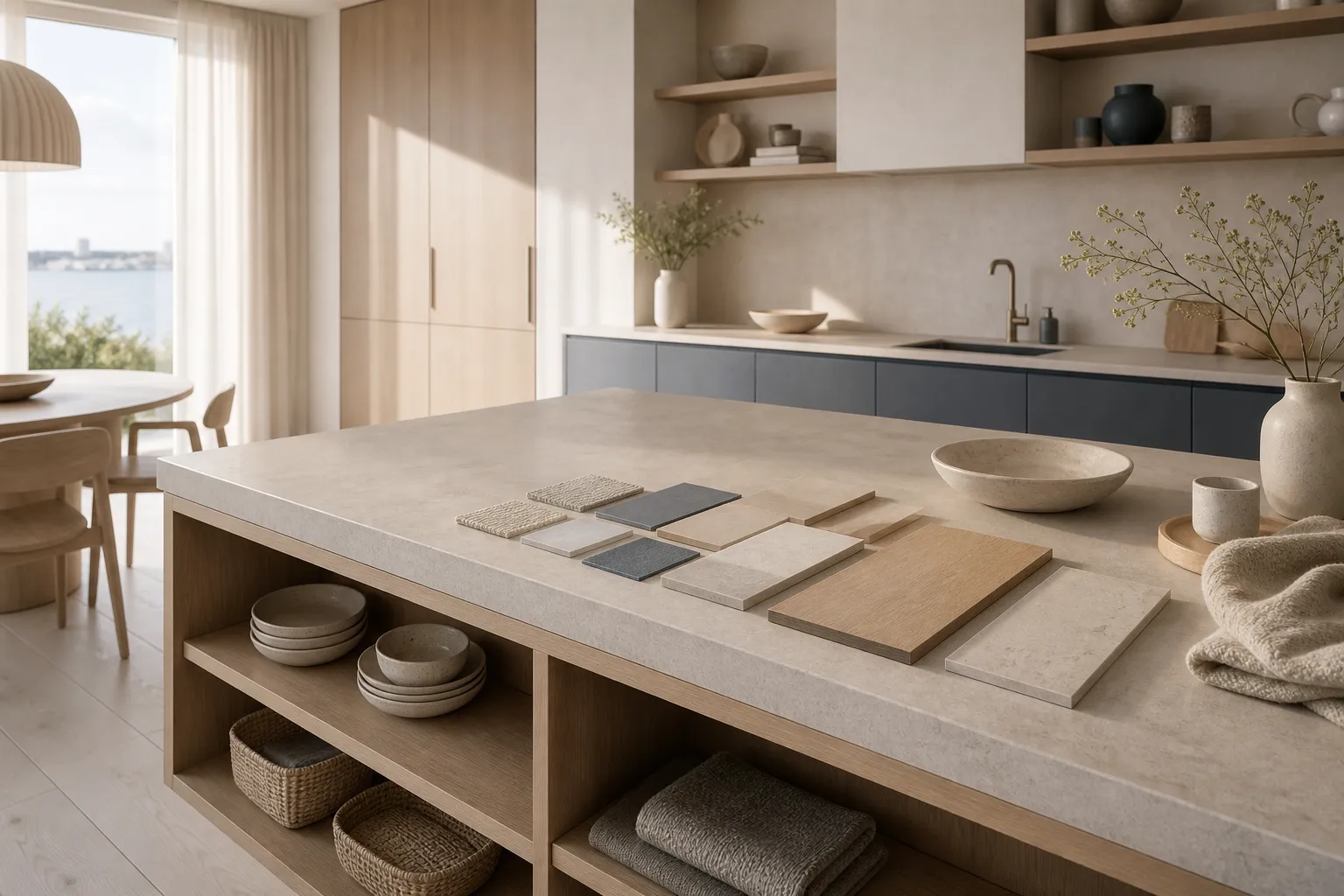
Appliance allowances should be set before the cabinetry drawings are treated as final. The U.S. Department of Energy groups kitchen equipment inside household appliance planning, and its consumer guidance separates appliance selection from everyday energy use. For a custom kitchen, the buyer does not need the final brand decision on every device at the first meeting, but the plan needs width, height, clearance, power, water, ventilation, and maintenance access. Refrigeration, cooking, dishwashing, and specialty prep equipment should each have an allowance range and a fallback size. That protects the drawings if the family later chooses a different model within the approved envelope. The same logic applies to future substitutions. If the cabinetry team knows the approved envelope, a refrigerator or dishwasher change can stay within a defined range instead of forcing a new wall elevation. The allowance should name the utility needs, clearance needs, and maintenance access, then keep the final product decision open until the buyer has compared availability and daily routine fit.
- Appliance allowance
- An appliance allowance is an approved size, utility, and cost range that lets cabinetry drawings proceed before final model selection.
| Decision bucket | Approve early | Keep flexible |
|---|---|---|
| Protect now | Measured layout, cabinet-body basis, service routes, appliance envelopes. | Loose organizers and display accessories. |
| Price now | Core cabinetry, work surface support, water and power coordination. | Secondary lighting layers and decorative hardware choices. |
| Personalize later | Main finish family and maintenance expectation. | Accent styling, open-shelf objects, and final accessory counts. |
| Routine protection | Storage zones for cooking, cleanup, pantry, and daily table setting. | Seasonal storage extras after the family tests the room. |
| Reserve control | Hold a 10% coordination reserve for site conditions and timing variance. | Spend unused reserve on upgrades only after installation risk is lower. |
Which costs belong in the first approval round?
The first approval round should include the costs that could force rework if they change late. These include measured cabinet runs, island length, tall storage, appliance openings, sink location, countertop support, splash-zone treatment, ventilation route, and the installation sequence. Fadior’s 8-step pre-production review process starts with order acceptance and moves through planning, engineering review, programming, and work order generation. That workflow rewards clarity. If the buyer approves the durable base early, the project can absorb smaller later choices without reopening the entire plan. If the buyer delays every decision equally, the kitchen becomes vulnerable to avoidable redesign.

- Confirm 1 measured layout before cabinet-body fabrication.
- Lock 4 working zones: storage, preparation, cooking, and cleanup.
- Set appliance envelopes for refrigeration, cooking, dishwashing, and specialty prep.
- Reserve 10% of the project allowance for site coordination and timing variance.
- Tag each optional upgrade as protect now, price now, or personalize later.
When can finish decisions safely wait?
Finish decisions can wait when they do not affect fabrication, utility routing, countertop support, or installation access. A buyer can often delay some accent tones, loose shelves, organizer counts, and styling layers while still approving the durable cabinet base. Fadior offers residential finishes such as powder coat, wood-grain transfer, linen texture, PVD tones, and nano-coated pearl white over 304 stainless systems. The important step is to pick a main maintenance expectation first: wipeable, water resistant, low-odor, family durable, or showpiece oriented. Once that direction is clear, smaller visual refinements can happen without endangering the build schedule.
How does indoor-air planning fit the budget?
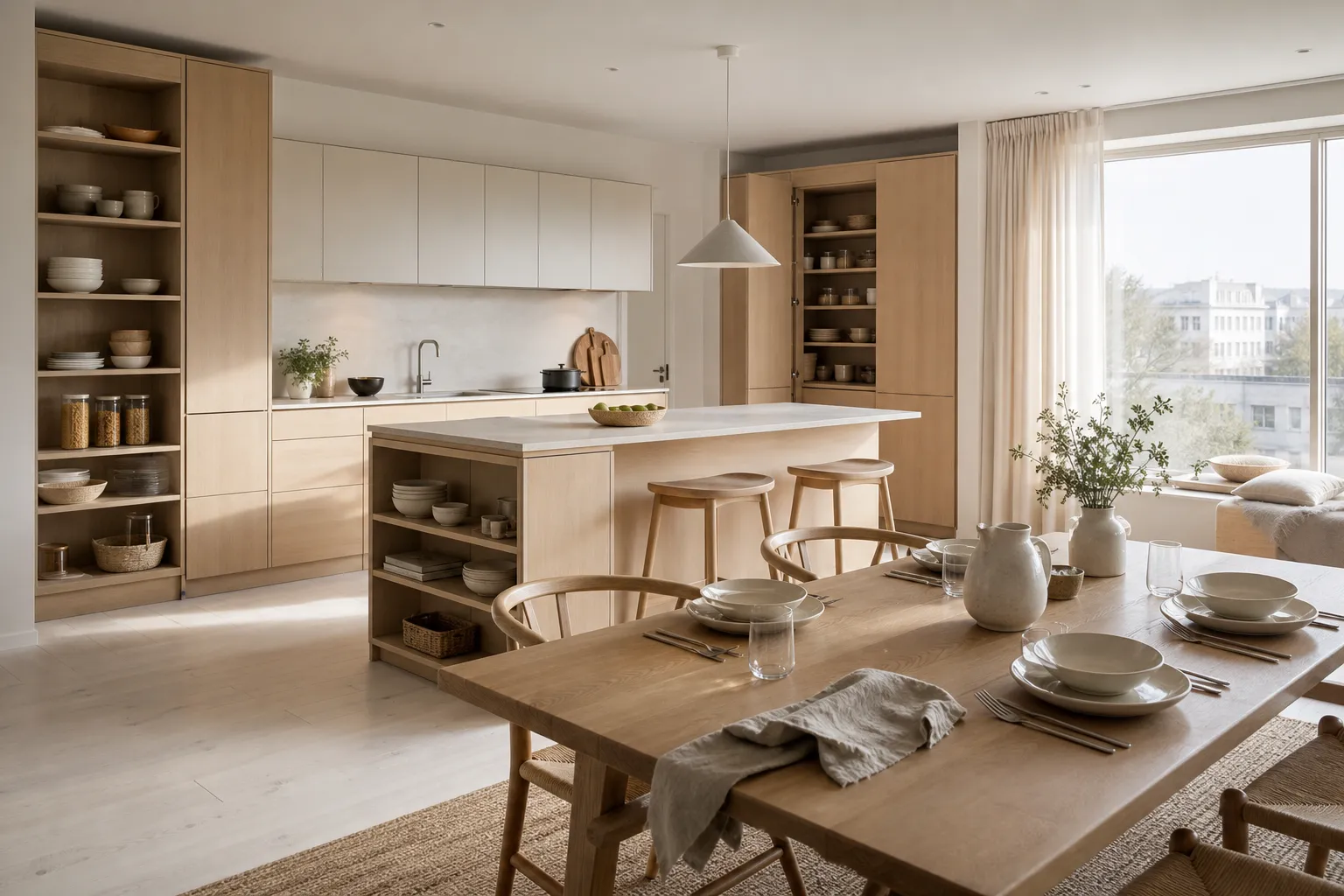
Indoor-air planning fits the budget because material choices can create hidden tradeoffs. EPA guidance explains that volatile organic compounds can come from many building and household products, and its formaldehyde guidance treats source control as a practical part of indoor planning. For kitchens, the useful decision is simple: avoid spending the reserve on decorative upgrades while the substrate and finish system remain unclear. A 304 stainless cabinet body gives Fadior a low-emission material story because the cabinet structure does not depend on wood-board glue logic. That does not remove the need for ventilation, site care, or good installation practice, but it makes the first material decision easier to explain.
- Low-emission material planning
- Low-emission material planning is the early selection of substrates and finishes that reduce avoidable indoor-air concerns.
What should stay out of the budget until later?
Several items should stay out of the committed budget until the room-defining work is secure. Extra display lighting, specialty inserts, seasonal storage, decorative shelving, movable furniture, and some styling pieces can wait. Waiting is not a downgrade. It is a way to protect the first round of money for decisions that cannot be changed easily after fabrication. A good kitchen cost plan also prevents a common mistake: buying every visible upgrade first, then discovering that appliance access, service clearance, or pantry volume needs more attention. The better order is durable base, utility fit, daily routine, then expressive detail.
Does kitchen cost planning reduce design quality?
Kitchen cost planning should improve design quality because it protects the decisions that make the room work every day. A family can still choose a warm palette, refined surfaces, and a calm dining setting; the plan simply asks those choices to follow the base decision instead of crowding it. Fadior’s broader system includes kitchens, wardrobes, vanities, doors, wall panels, and storage, so a disciplined kitchen brief can also support whole-home consistency. The final deliverable should be a one-page approval map: what is fixed, what is priced, what is reserved, and what can be personalized after the measured room is safe. The strongest design briefs usually become more precise under this discipline. They name the main spatial promise, protect the daily routine, and reserve enough budget for details that are worth adding after the base is secure. That order keeps the finished kitchen from feeling compromised because every later upgrade is chosen against a stable room instead of a moving target.
Frequently Asked Questions
Questions this guide answers
- Is kitchen cost planning the same as cutting the budget?
- No. Kitchen cost planning is about order, not just reduction. The goal is to protect measured layout, service routes, appliance allowances, and the durable cabinet base before optional styling expands the scope. Some projects may still choose premium finishes, but those choices should follow the base plan.
- What should be approved first in a custom kitchen?
- Approve the measured layout, appliance envelopes, plumbing and power points, ventilation route, cabinet-body basis, and countertop support first. These decisions affect drawings, fabrication, and installation. Once they are stable, decorative layers and some storage accessories can be priced without putting the room schedule at risk.
- Why does Fadior use 304 stainless cabinetry in planning?
- Fadior uses 304 stainless cabinetry because it gives the kitchen a durable, waterproof, recyclable base before optional finish choices are made. That helps buyers separate long-life structure from styling. The material basis also supports low-emission planning because the cabinet body is not built around wood-board adhesive logic.
- How much reserve should a kitchen plan hold?
- A practical starting point is a 10% coordination reserve for site conditions, timing variance, appliance substitutions, or small installation adjustments. The reserve should not be spent early on loose decor. If the project reaches installation with fewer surprises, the remaining reserve can fund upgrades with less pressure.
- Can appliance choices wait until later?
- The exact model can sometimes wait, but the allowance cannot. Cabinetry drawings need approved appliance width, height, clearance, power, water, ventilation, and service access. A good plan sets an envelope and a fallback model, so the family can compare final appliances without reopening the whole kitchen design.
- What is the next step after kitchen cost planning?
- The next step is a written room brief. List the fixed decisions, the price-now decisions, the reserved choices, and the optional personalization items. Then connect that brief to material guidance, product planning, manufacturing quality review, and a consultation so the kitchen can move from intent to measured approval.
Related products
Specific products worth reviewing next.


References
Authoritative sources cited in this article
- DOE appliance and electronics planning guidance
appliance planning categories
U.S. Department of Energy
- DOE appliance energy use estimation guidance
appliance energy use estimation
U.S. Department of Energy
- EPA facts about formaldehyde
formaldehyde source control context
U.S. Environmental Protection Agency
- EPA VOC indoor air quality guidance
VOC indoor air context
U.S. Environmental Protection Agency
- EPA introduction to indoor air quality
indoor air planning context
U.S. Environmental Protection Agency
Editorial transparency
Yuki Tanaka is a composite editorial persona maintained by Fadior Home's editorial team. Articles attributed to this byline are produced through an AI-assisted editorial workflow with human review, and represent the consolidated voice of multiple researchers and contributors.
Actually delivered
Real homes photographed after handover, not renders.
Ready to specify?