
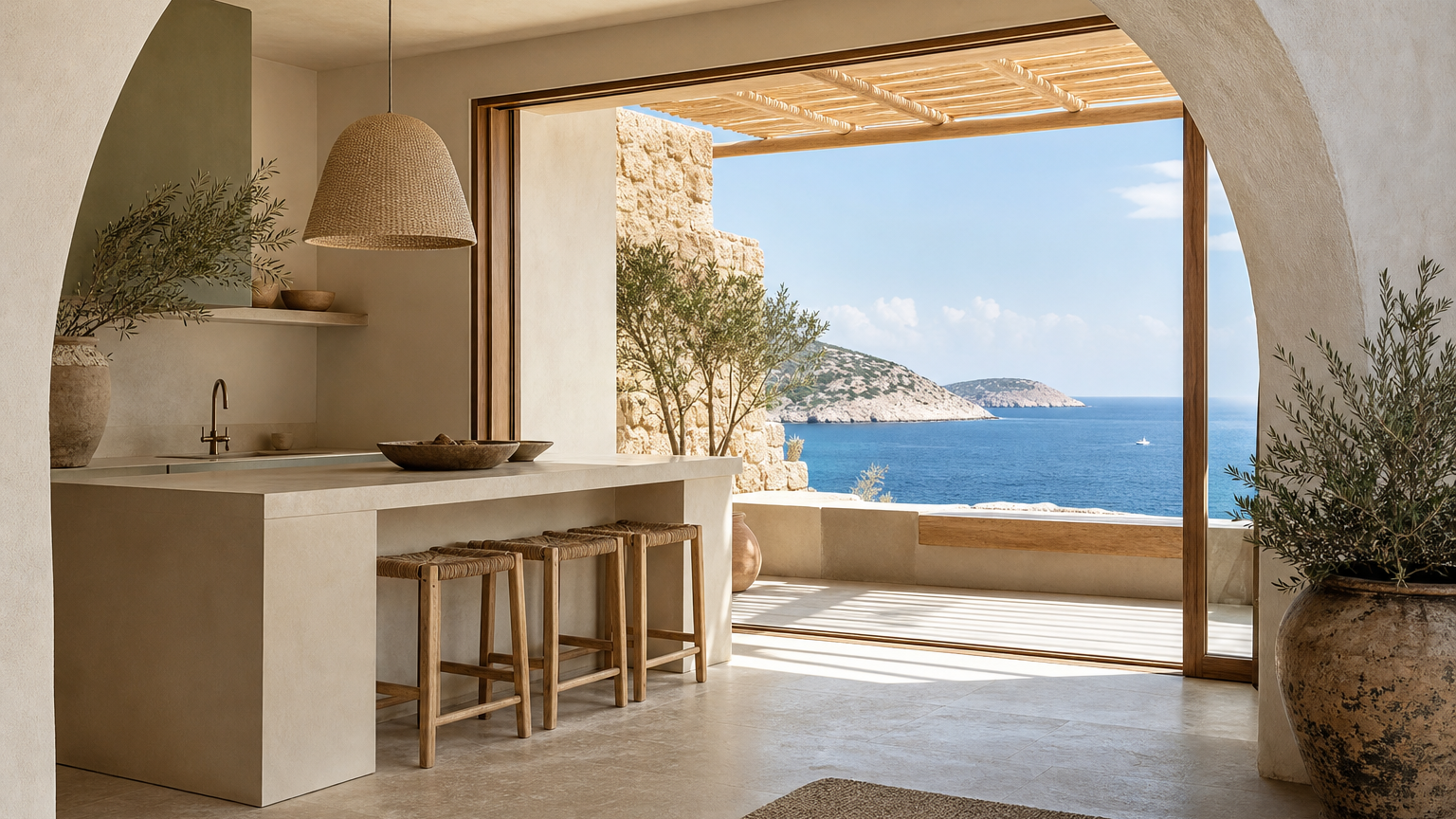
Matte 304 Stainless Kitchen Surfaces for Gulf Homes
Gulf kitchens can use matte 304 stainless steel without looking cold when finish, stone, light, and waterproof cabinet structure are planned together.
Direct answer
The Direct Answer
304 stainless steel cabinetry gives Gulf kitchens a durable way to use the matte, cold-rolled look without relying on raw industrial material. The safest approach is a finished 304 cabinet body, a low-sheen surface, mineral room context, and a cleaning-tested sample before the buyer approves production.
What is the safest way to use matte 304 in a Gulf kitchen?
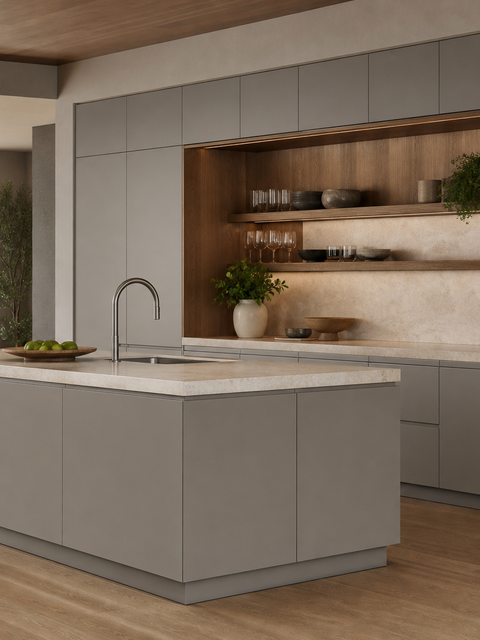
304 stainless steel cabinetry works best when the matte finish, room climate, and cleaning routine are planned together. For a Gulf villa or penthouse, the goal is not a raw industrial room. It is a quiet cabinet system that gives the buyer a calm surface, waterproof construction, and a warmer architectural setting around stone, wood tones, and soft daylight.
Why is cold-rolled coil showing up in kitchen conversations?
Cold-rolled coil has become a design phrase because it suggests a flatter, tighter, less reflective surface than the mirror-like kitchen language many buyers associate with older appliances. The important distinction is practical: cold rolling describes how sheet is formed, while the finished kitchen decision depends on grade, coating, edge control, corrosion behavior, and daily cleaning. Fadior should not ask a homeowner to buy raw cold-rolled carbon steel for residential cabinetry. The useful lesson is visual. A smooth matte surface can feel precise without looking sterile, especially in Dubai, Riyadh, Doha, and coastal UAE homes where sunlight is strong for 8 to 10 months of the year. Fadior translates that mood through 304 stainless steel bodies, powder-coated or textured finishes, and controlled factory fabrication rather than through an unfinished material claim.
How does matte 304 avoid the cold commercial look?
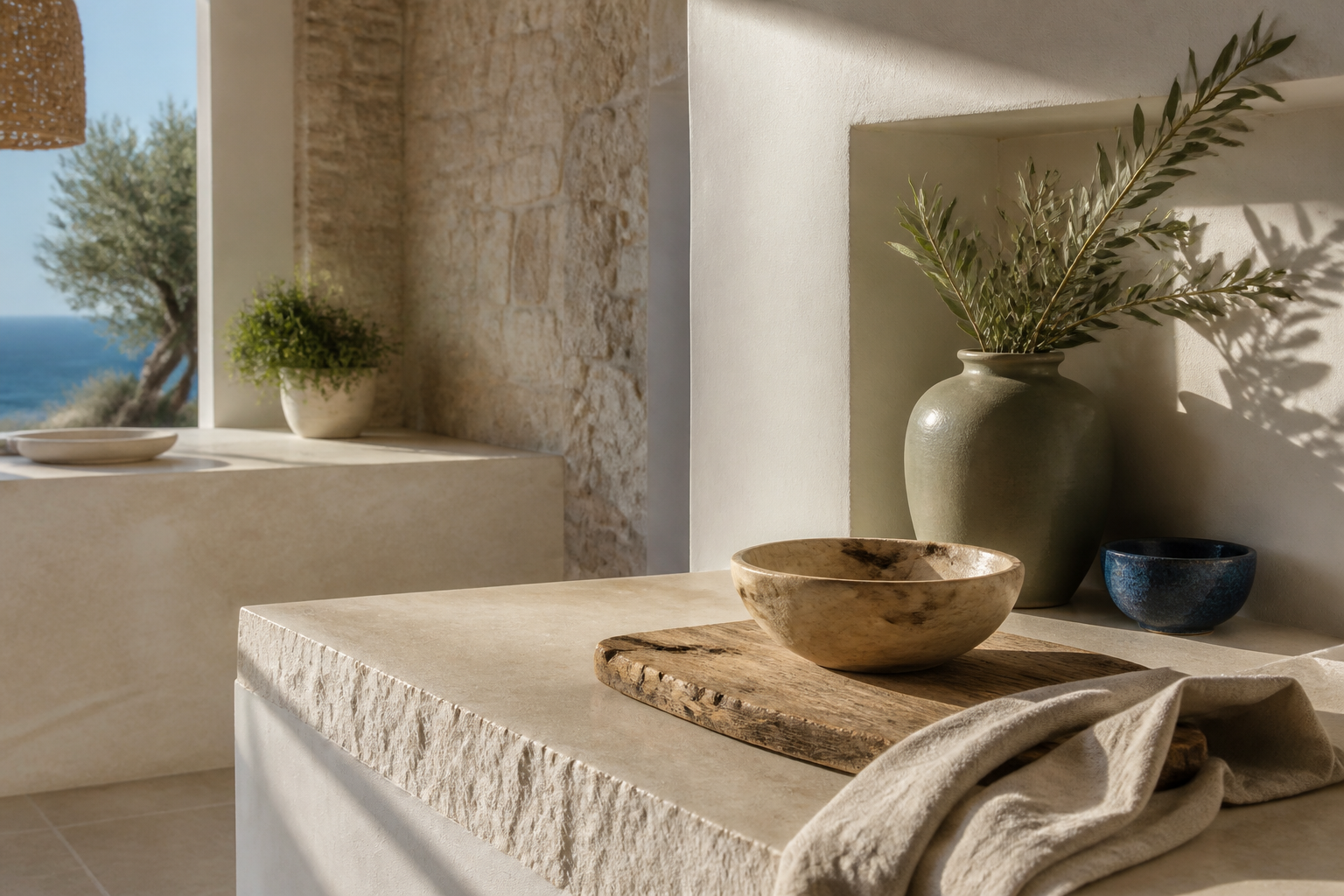
Matte 304 avoids the commercial look when the room reduces glare, adds mineral texture, and keeps the cabinet fronts simple. In a Gulf kitchen, harsh reflection can make a surface feel hot and clinical. A lower-sheen finish, a limestone or travertine counter, warm wood-grain accents, and a disciplined lighting plan change the reading immediately. The cabinet still carries the performance of 304 stainless steel: no particle board swelling at wet zones, no adhesive-heavy core, and a stable body around cooking, washing, storage, and cleaning. Fadior has 80 plus powder-coat colors, 3D wood-grain transfer, linen-embossed texture, and PVD accents, so the buyer can choose a soft architectural finish without giving up the waterproof cabinet body underneath.
Which finish choices matter before a buyer signs drawings?
Lock 6 finish choices before production: main cabinet tone, island contrast, counter material, splash-zone surface, handle or handle-free language, and lighting temperature. The wrong order creates expensive friction. If the buyer approves a pale matte front before checking the counter reflection at 12 noon, the room may still feel bright and sharp. If the island color is chosen before the appliance wall, the largest vertical plane may fight the rest of the room. Fadior can resolve these choices as one system because its factory works from a production plan rather than a site-only carpentry improvisation. That matters for villas where a kitchen may connect to dining, a back kitchen, outdoor prep, and a visible living area. The best test is not a perfect showroom photo. Ask for a physical sample, place it beside the stone and floor finish, view it at midday and at night, then clean it with the routine the household will actually use. A matte surface that still feels calm after that 7 day test is more useful than a dramatic surface that only looks good under controlled lighting.
How should buyers compare matte 304 with wood or lacquer?
Compare the materials by failure mode, not just by showroom mood. Wood and lacquer can be beautiful, but they rely on core quality, edge sealing, humidity control, and careful cleaning. Matte 304 stainless steel is chosen for a different reason: the cabinet body is waterproof, stable around heat and steam, and not dependent on wood-board behavior in wet zones. In a 5-bedroom villa or a serviced apartment, that can reduce replacement anxiety over a 10 to 30 year ownership horizon. The trade-off is emotional warmth. A matte 304 kitchen needs stone, texture, proportion, and light to avoid reading as a professional back-of-house room. The table below is the useful comparison a buyer should make before finalizing the finish package.
| Decision factor | Matte 304 stainless system | Wood veneer or lacquer system | Buyer implication |
|---|---|---|---|
| Wet-zone behavior | Waterproof cabinet body; suited to sink, dishwasher, and utility zones | Depends on core board and edge sealing | Use matte 304 where spills and cleaning are daily facts |
| Visual warmth | Needs stone, wood tone, and soft light to feel residential | Naturally warm but can age unevenly | Plan the room palette, not the cabinet color alone |
| Maintenance rhythm | Wipe-clean surface; finish choice controls fingerprint visibility | May need gentler cleaning and repair attention | Ask for a 7-day cleaning sample, not only a showroom swatch |
| Long-term risk | Stable body for 10, 20, and 30 year use goals | Risk varies by substrate, humidity, and edge quality | Choose based on failure mode, not trend photography |
| Gulf climate fit | Strong in humid, coastal, and high-cleaning homes | Requires careful humidity and water management | Prioritize waterproof structure near kitchens and service rooms |
When does Gulf climate make the material choice more serious?
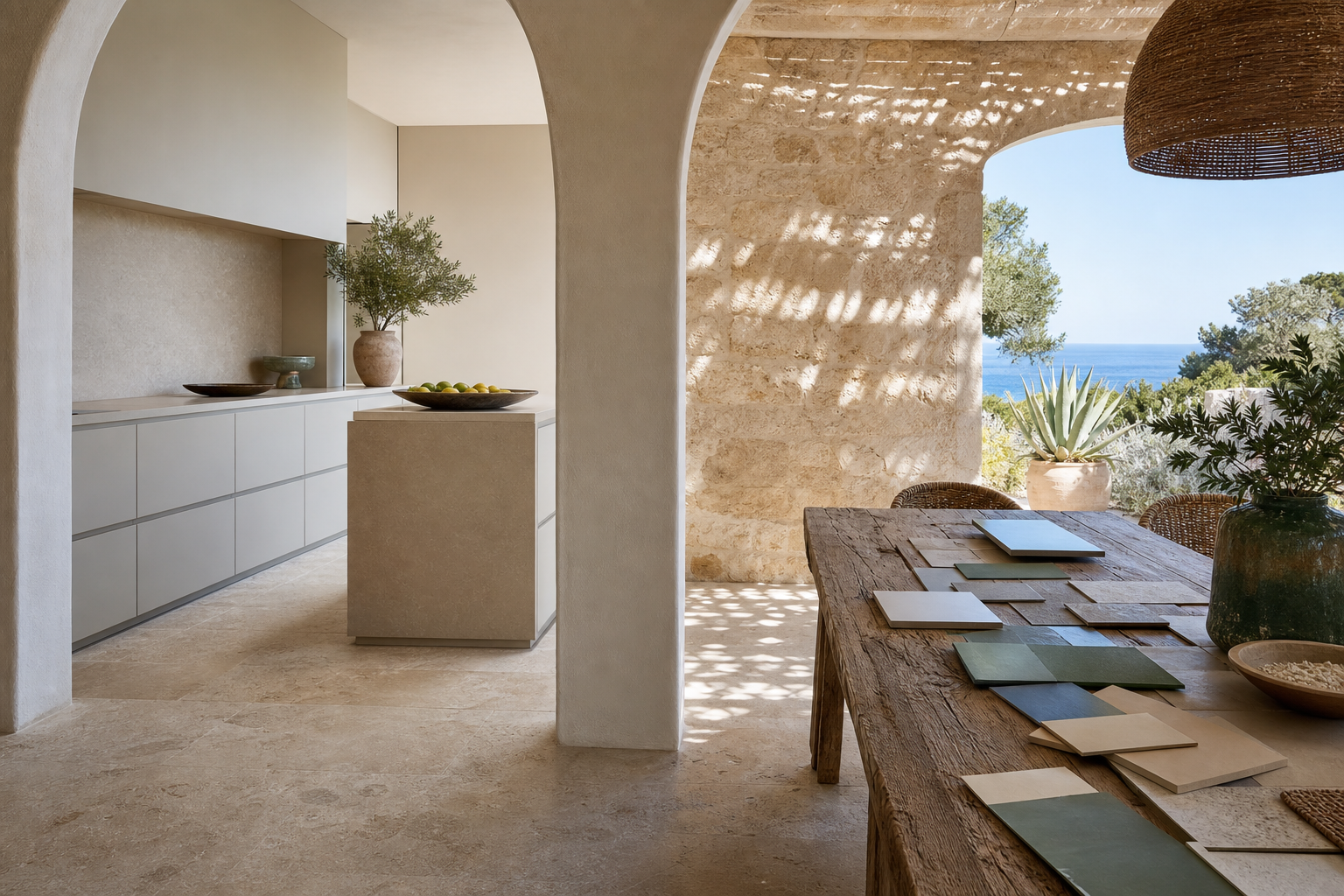
The material choice becomes more serious when the kitchen sits near sea air, heavy air-conditioning cycles, steam, service staff use, or daily family cooking. Gulf homes often move between outdoor heat and cooled interiors, and that can expose weak cabinet cores over time. A beachfront apartment in Dubai Marina, a Riyadh villa with a back kitchen, or a Doha family home with 2 cooking zones may all need a more resilient cabinet body than a light-use display kitchen. Fadior’s 304 stainless steel approach is relevant because the structure itself does not depend on a wood core. The buyer still has to choose the right finish, but the base system is designed for water, cleaning, heat, and repeated use. The same logic applies to maintenance staff and family use. If a kitchen will support catered dinners, children, multiple cooks, or a secondary prep area, the buyer should judge the cabinet as infrastructure. A warm room can still have a technical body, and a technical body can still be designed with restraint.
Should matte 304 be used everywhere or only in zones?
Most buyers should think in zones. Use matte 304 where performance matters most: sink base, dishwasher side, cooking wall, pantry cabinets, laundry storage, vanity zones, and outdoor-connected prep areas. Then decide whether to extend the same language into the visible dining or lounge side. A whole-home Fadior project can carry one 304 stainless steel system through kitchens, wardrobes, vanities, balcony cabinets, and wall panels, but every room does not need the same finish. A soft beige kitchen, a darker wardrobe, and a bronze-accent vanity can still belong to the same material system. The benefit is continuity without sameness: one durable body language, several residential moods.
How does Fadior turn a sheet material into a calm room?
Fadior’s difference is that the material story is tied to manufacturing. The company comes from 25 plus years of stainless processing through its parent company, uses 304 stainless steel as the primary cabinet body material, and operates a new smart factory with more than 60,000 square meters of production space. Its process includes laser cutting, bending, welding, powder coating at 220 degrees Celsius, assembly, and QC. The brand also points to 213 cumulative patents, including 12 related to glue-free manufacturing. Those numbers matter because a matte finish only looks calm when the body behind it stays square, dry, and consistent after years of use.
What should a buyer ask in the showroom?
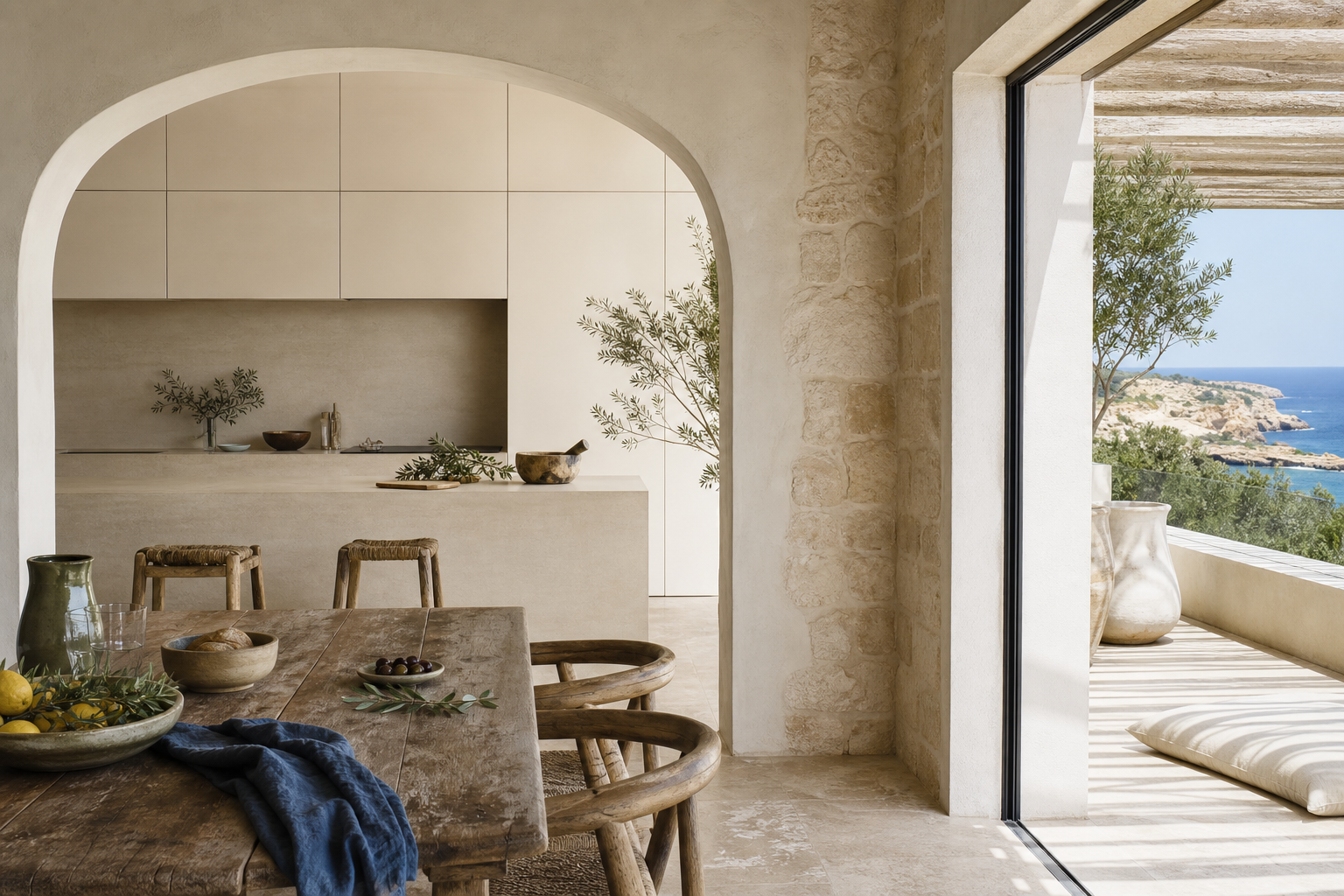
A good showroom visit should answer 5 questions before color selection becomes emotional. First, where will the wettest 2 zones sit? Second, which cabinet runs need full waterproof bodies? Third, how will the matte finish look under daylight, 3000K evening light, and task lighting? Fourth, what cleaning routine keeps the surface calm after 7 days of fingerprints and cooking residue? Fifth, which internal routes lead to commercial and trust proof, such as materials, manufacturing, projects, and consultation. If those answers are clear, the buyer can judge matte 304 as a long-life kitchen system rather than a fashion surface.
Which matte 304 kitchen questions do buyers ask most?
Buyers usually ask whether the surface will feel cold, whether the finish will show fingerprints, whether the cabinet body can handle Gulf humidity, whether the look can suit a warm villa, and whether the system is worth specifying beyond the main kitchen. Those questions are practical, not decorative.
How does this choice protect the finished room?
The choice protects the room by separating fashion from structure. A Gulf buyer may want the quiet look of cold-rolled minimalism, but the safer purchase is a finished 304 stainless steel system with a controlled matte surface, proven waterproof construction, and a room palette that softens the material. That is where Fadior is strongest. The buyer gets the visual restraint of a matte architectural kitchen, the durability of a 304 cabinet body, and a clear path from inspiration to production instead of a fragile finish trend.
Frequently Asked Questions
Questions this guide answers
- Is matte 304 stainless steel suitable for Gulf kitchens?
- Yes, when it is specified as a finished cabinet system rather than a raw industrial surface. Gulf kitchens face heat, air-conditioning cycles, humidity, and frequent cleaning. A 304 stainless steel cabinet body gives the buyer waterproof structure, while matte powder coating, textured finishes, stone, and warm room materials keep the kitchen residential.
- Does cold-rolled coil mean the cabinet should be raw steel?
- No. Cold-rolled coil explains a smooth sheet-making process, but a finished residential kitchen still needs the right grade, coating, edge control, and cleaning behavior. For Fadior, the safer buyer message is a cold-rolled visual language translated through 304 stainless steel cabinetry, not an exposed raw material promise.
- Will a matte kitchen show fingerprints?
- Any frequently touched kitchen surface can show marks, but sheen and texture change how visible they are. A matte or textured finish usually reads calmer than a mirror-like surface under strong sun. Buyers should ask for a sample, touch it for 7 days, clean it normally, and view it under daylight and warm evening light.
- Is matte 304 warmer than wood?
- Wood is naturally warmer in feeling, but it does not offer the same waterproof cabinet body. Matte 304 becomes warm when the room uses limestone, travertine, wood-grain accents, linen textures, and controlled lighting. The best comparison is not warmth versus durability; it is whether the room design can deliver both.
- Where should matte 304 be used first?
- Start with the zones where failure is most expensive: sink bases, dishwasher areas, cooking walls, utility cabinets, laundry zones, vanities, and outdoor-connected prep spaces. If the family likes the look, the same 304 system can extend into wardrobes, wall panels, and storage rooms with different surface finishes.
Related reading
Continue exploring the journal.
More guides, whitepapers, and insights from the Fadior journal.
Technical Whitepaper
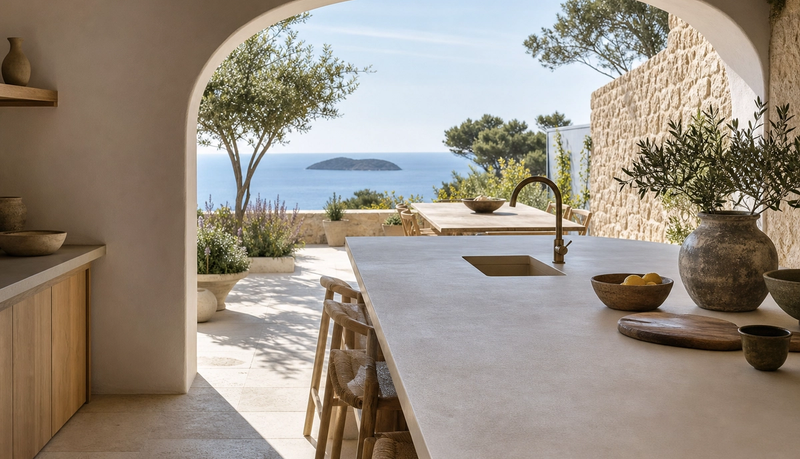
Stainless Steel Countertops for GCC Kitchens
A practical GCC buyer guide to choosing 304 stainless steel countertops where water, heat, citrus, salt air, and daily cleaning matter more than showroom fragility.
Buyer's Guide
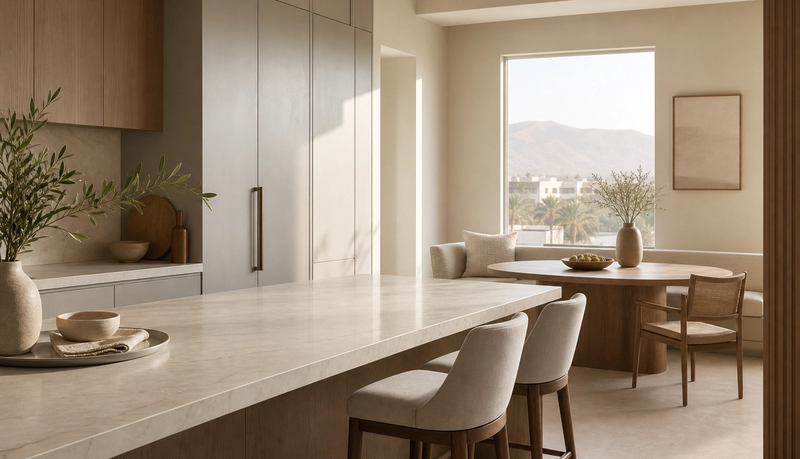
Solid Surface Kitchen Materials
A Gulf kitchen guide to choosing Staron, HIMACS, Cambria, natural stone, and 304 cabinet systems by hygiene, repair, heat, and daily use.
Related products
Specific products worth reviewing next.
References
Authoritative sources cited in this article
Editorial transparency
Jonas Weber is a composite editorial persona maintained by Fadior Home's editorial team. Articles attributed to this byline are produced through an AI-assisted editorial workflow with human review, and represent the consolidated voice of multiple researchers and contributors.
Ready to specify?