
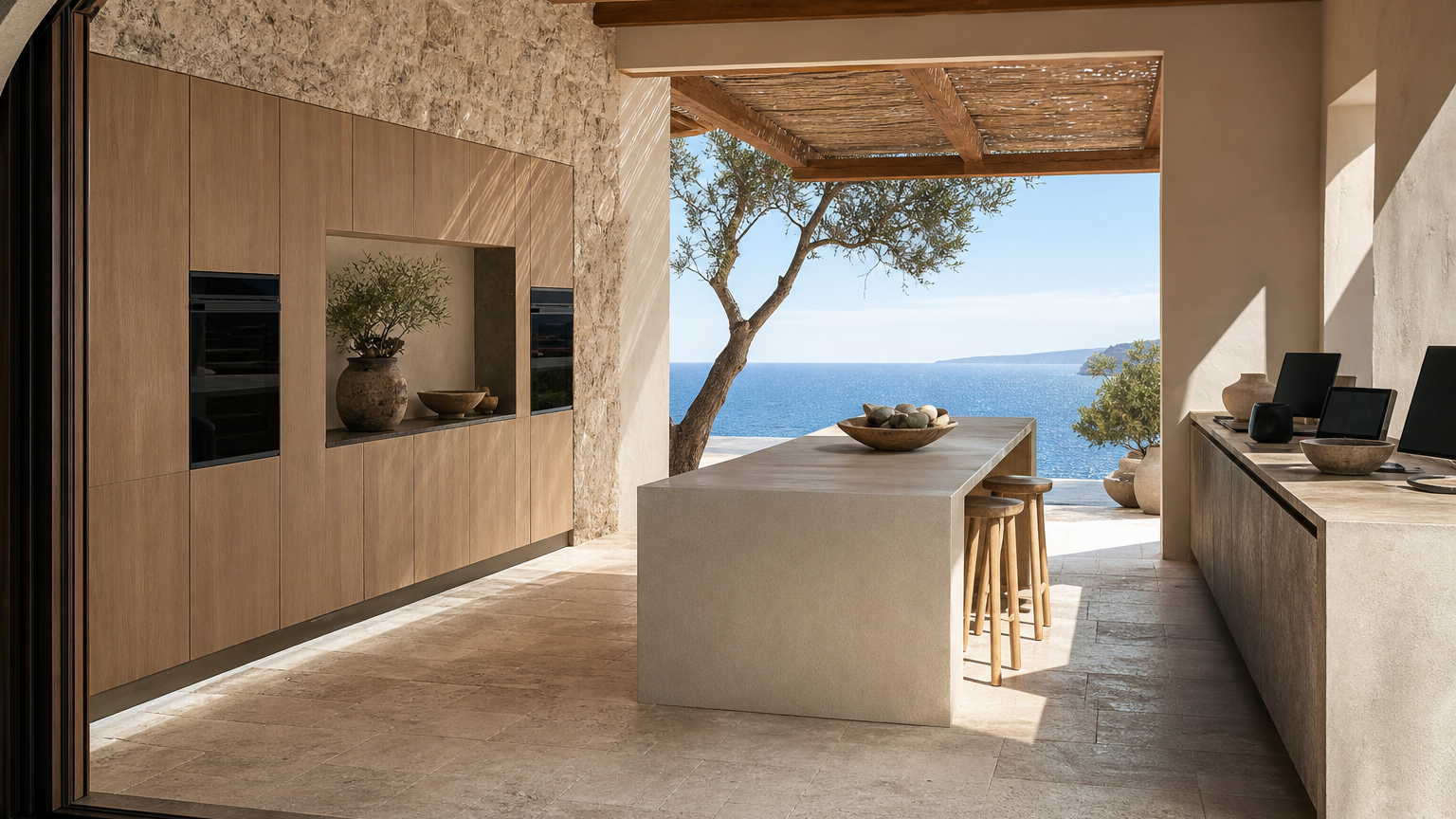
Miele Kitchen Appliances
Miele kitchen appliances make the strongest case when reliability, service access, and cabinet durability guide the room before smart features.
Direct answer
The Direct Answer
Miele kitchen appliances are strongest in a luxury kitchen when buyers treat them as long-life infrastructure, not gadgets. Plan cooking, cooling, washing, ventilation, water points, and service access before finishes. Then pair those appliances with a durable 304 stainless steel cabinet body so heat, moisture, and daily cleaning do not undermine the room around them.
What should buyers value most in Miele kitchen appliances?
Miele kitchen appliances earn their place when reliability, service access, and 20-year use expectations are planned before smart features. In a luxury kitchen, the oven, dishwasher, refrigerator, cooktop, and 304 stainless steel cabinet body should work as one quiet system, so a family can cook 7 days a week without the room feeling experimental.
Why does appliance reliability beat novelty in a luxury kitchen?
Connectivity can be useful, but reliability is what protects a finished room. A failed built-in oven can affect cabinetry, counters, ventilation, and the daily meal plan at the same time. Buyers often focus on screens, recipes, and remote controls because those features are easy to understand in a showroom. The harder question is whether the appliance will still feel ordinary to own after 5 years, 10 years, and 20 years. Miele has built its reputation around long-cycle testing and controlled engineering, which matters when the kitchen is part of an open living space. Fadior applies the same planning logic to the surrounding cabinet system: 304 stainless steel bodies, glue-free construction, and waterproof surfaces reduce the number of weak points around appliances that create heat, steam, vibration, and daily cleaning demands.
How should a buyer read Miele’s 125-year engineering story?
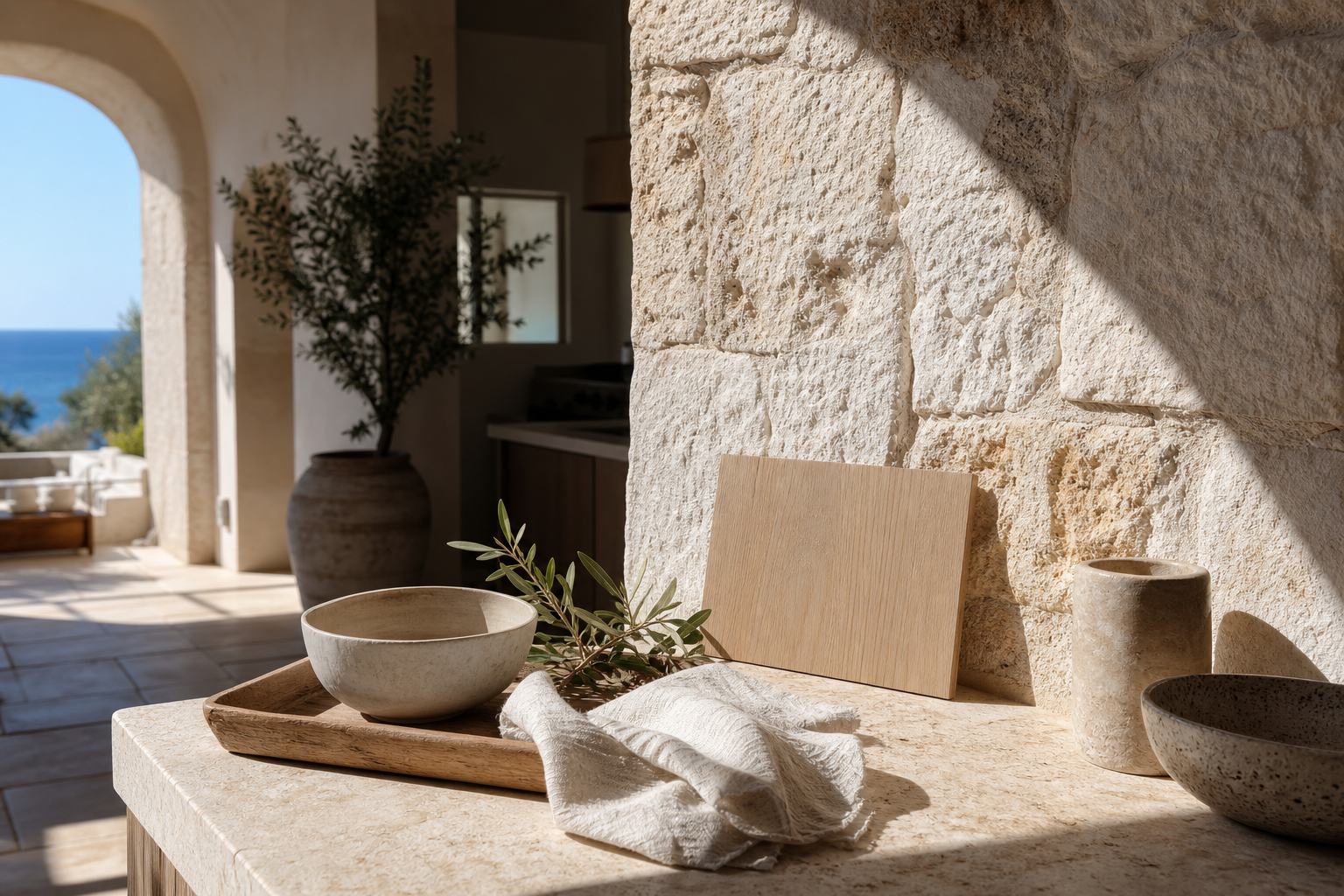
The useful point is not nostalgia. Miele’s 125-year history signals a company culture built around continuity, parts discipline, testing routines, and service reputation. For a homeowner, that history becomes practical only when the kitchen plan gives each appliance the right clearances, access path, ventilation route, and cleaning zone. A premium dishwasher installed in a damp cabinet run is still exposed to daily splash stress. A high-performing oven placed beside poor storage becomes inconvenient. A refrigerator column with blocked service access becomes expensive to repair. Fadior’s role is to make the fixed millwork around those appliances as stable as the appliances themselves, using 304 stainless steel, powder-coated finishes, PVD accent options, and factory-controlled dimensions rather than board-based bodies that can swell or soften around wet and warm zones.
Which appliance decisions should be locked before finishes?
Lock the five fixed decisions first: cooking format, refrigeration position, dishwasher side, ventilation route, and service access. Each one changes cabinet dimensions, counter seams, power planning, water points, and daily movement. If a buyer picks door color before choosing whether the kitchen needs 1 oven or 2 ovens, the visible finish can become a distraction from the real layout. A 600 mm dishwasher, a 760 mm oven stack, a 900 mm cooktop, or a full-height cooling column each changes the cabinet module. In a Fadior kitchen, those dimensions are resolved before fabrication so the 304 body, counter support, and front finish work as a single production plan rather than a late adjustment.
| Planning choice | Reliability value | Smart-feature risk | Fadior response |
|---|---|---|---|
| Oven stack | Keeps daily cooking at a comfortable reach for 10-20 years | Extra screens do not fix poor height or blocked service | Plan the module, heat zone, and 304 support before front finishes |
| Dishwasher side | Protects the wet work triangle used 1-3 times daily | Remote alerts matter less than drainage and splash control | Use waterproof cabinet bodies and clear loading paths |
| Refrigeration column | Stabilizes food storage and family rhythm 7 days a week | Large touch panels can age faster than core cooling needs | Reserve access clearance and align storage around the column |
| Induction or cooktop zone | Controls heat, ventilation, and counter workflow | App functions do not solve poor extraction or prep spacing | Map ventilation, counter support, and adjacent storage together |
| Coffee or combi appliance | Adds convenience when placed near water and cups | Novel modes become clutter if the station is misplaced | Build a dedicated morning zone with durable surrounding surfaces |
How do smart features fit without leading the plan?
Smart features should support repeatable use rather than define the kitchen. Remote monitoring, assisted cooking, and connected diagnostics can be helpful for busy homes, but they should sit behind a stronger question: what happens if the screen, app, or network is ignored for 30 days? The appliance must still cook, clean, chill, and vent well. A reliability-first plan ranks core performance first, then chooses smart features that reduce friction. That is especially important in a second home, rental villa, or family kitchen where different people use the same appliances. The best smart kitchen still needs simple daily touch points, clear maintenance access, and cabinet materials that are not weakened by heat, moisture, or cleaning chemistry.
When does Fadior’s 304 cabinet body matter around appliances?
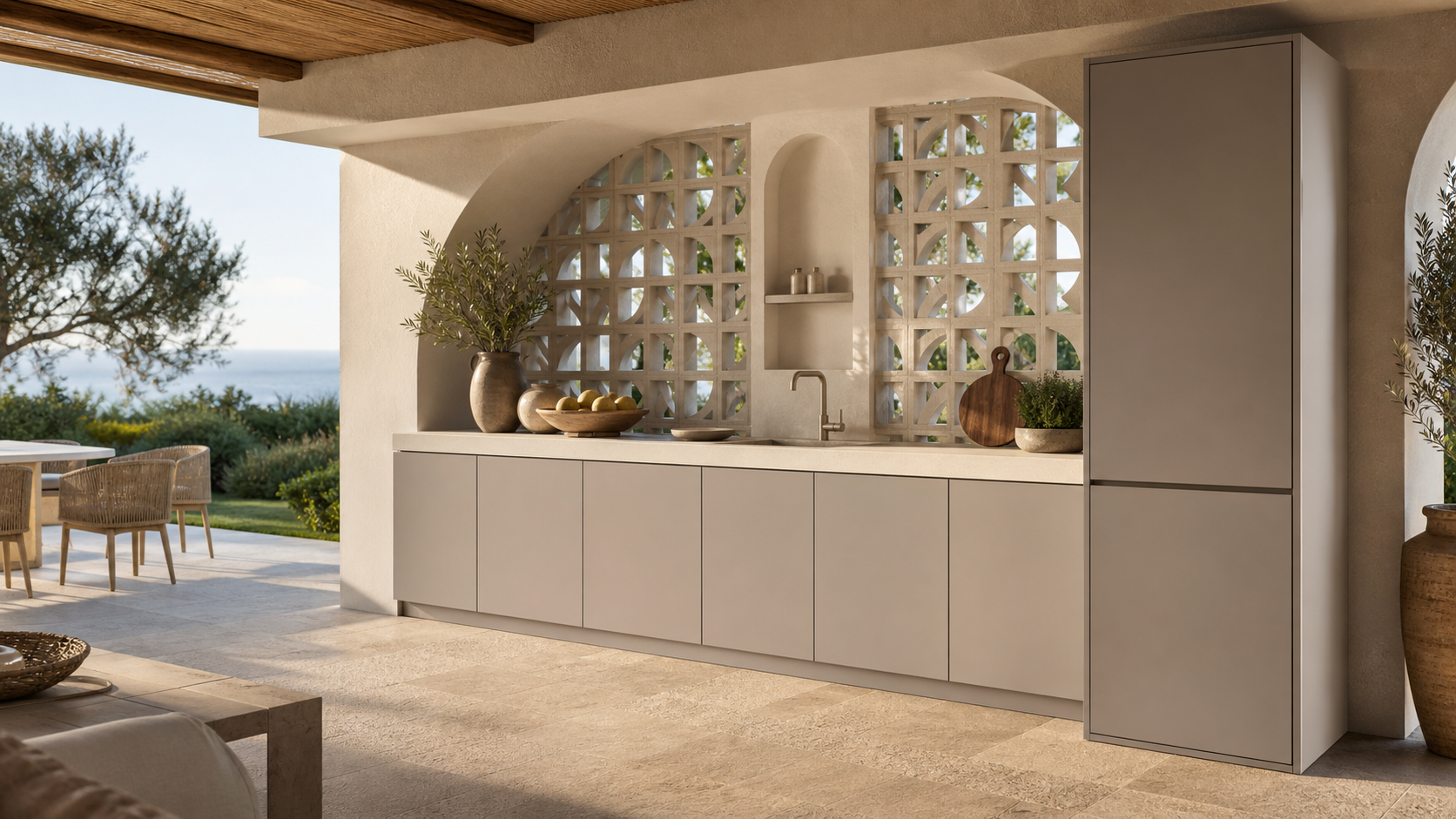
It matters most where appliances create stress: wet dishwasher zones, hot oven stacks, steam-heavy cooking walls, and refrigeration runs that need stable alignment. Traditional board cabinets can look perfect on day 1, but water leaks, repeated cleaning, or humidity can expose the substrate later. Fadior’s 304 stainless steel cabinet bodies are waterproof, glue-free, and designed for a 30-year surface warranty, so the appliance wall is not dependent on a fragile hidden material. The point is not to turn the home into a professional kitchen. The point is to let warm finishes, stone counters, and panel-ready appliances sit on a more durable internal system, so the visible design stays calm while the working layer handles use.
Should buyers choose panel-ready appliances or visible appliance fronts?
Choose panel-ready appliances when the room needs quiet continuity, and choose visible fronts when the appliance is meant to express performance. In a Mediterranean villa, city apartment, or open-plan family kitchen, panel-ready refrigeration can calm the wall and keep the focus on proportion. A visible oven stack can still be useful because cooking status, reach, and heat safety benefit from clarity. The wrong answer is treating every appliance the same. Miele’s built-in range gives buyers several ways to integrate cooking, cooling, washing, and coffee without making the room feel like a gadget wall. Fadior then adjusts the surrounding fronts, counter support, and storage so the appliance choice feels intentional instead of patched in later.
How should service access be planned in a finished kitchen?
Service access should be designed as a normal part of luxury, not an emergency compromise. A built-in appliance may need filter cleaning, hose inspection, hinge adjustment, firmware support, or component service during its life. If the cabinet wall traps the appliance too tightly, every repair becomes more expensive and more disruptive. A good plan leaves measurable access routes, protected water connections, and logical removal paths. The buyer may never see those details, but they decide how stressful ownership feels after year 3. In Fadior production, appliance dimensions and service logic belong in the pre-production review, before laser cutting, bending, surface finishing, and packaging. That keeps the finished room elegant while protecting future maintenance. The final test is operational, not decorative: can the person cooking open the refrigerator, unload the dishwasher, reach the oven, rinse the sink, and plate food while another person sits nearby? If the answer is yes, the appliance package is serving the room. If the answer depends on an app, a workaround, or a narrow clearance, the plan is still unfinished.
What questions should a showroom visit answer before purchase?
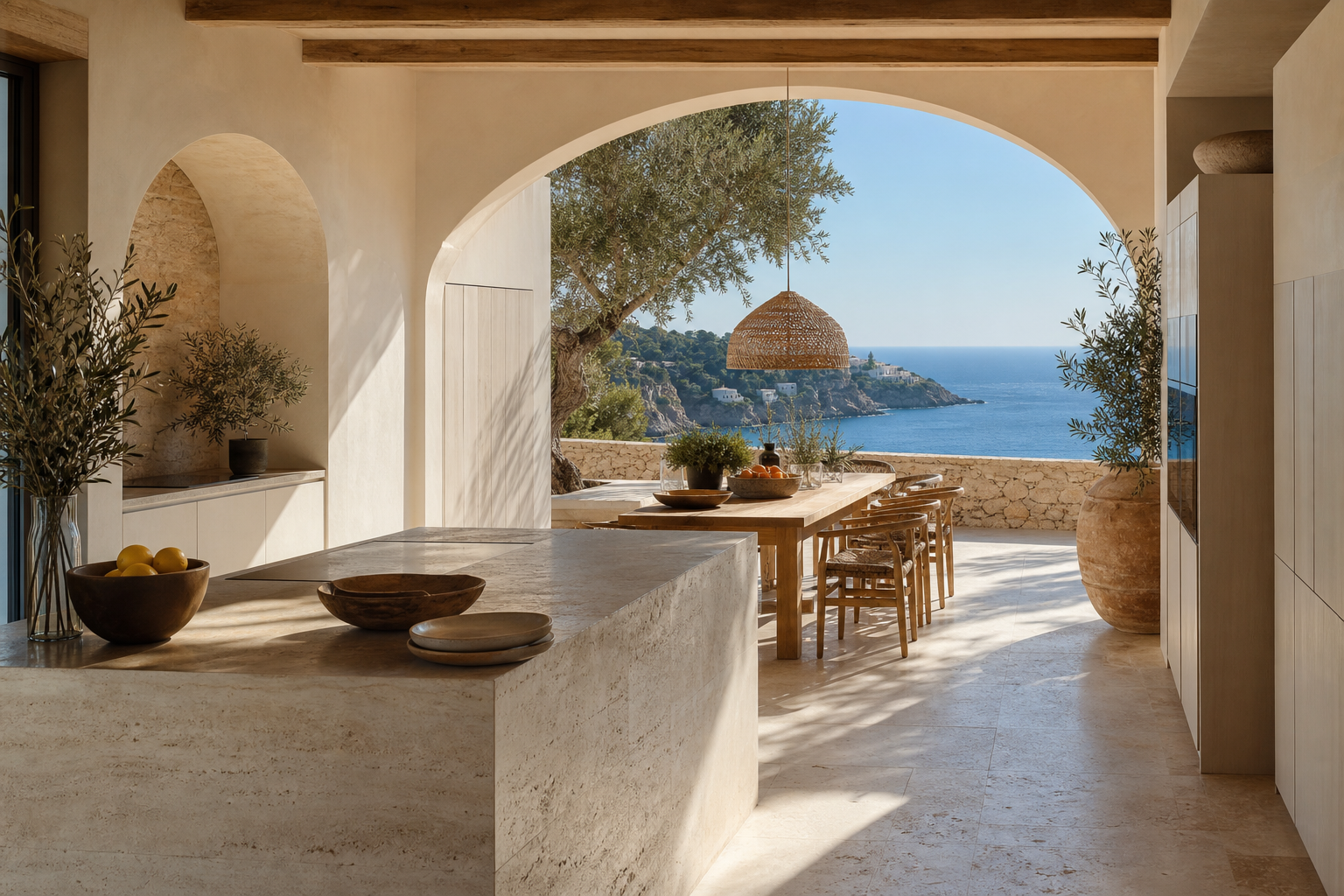
A showroom visit should answer practical ownership questions, not only style questions. Ask whether the selected appliance has local service coverage, what the expected parts route is, how many years the product family has been supported, how the dishwasher connects to water, how the oven ventilates, and whether replacement dimensions are realistic. Then test the surrounding kitchen: can 2 people move through the work zone, can a hot tray land safely, can tall storage open without blocking the dishwasher, and can the main prep route work when the refrigerator is open? A buyer who answers those questions before placing the order reduces the chance of mid-project substitution and avoids a beautiful kitchen that is difficult to live with.
Which Miele kitchen appliance questions do buyers ask most?
Use these questions to keep the decision focused on ownership, service, and room planning rather than novelty alone.
How does this decision protect the finished room?
A reliability-first appliance plan protects the kitchen by reducing surprises after the beautiful layer is complete. It keeps the oven stack reachable, the dishwasher zone waterproof, the ventilation path honest, the refrigerator serviceable, and the smart features secondary to daily use. For buyers comparing luxury kitchens, the important question is not whether the room can show the newest appliance interface. It is whether the room will still feel calm after thousands of cooking, cleaning, and storage cycles. Miele’s engineering reputation and Fadior’s 304 stainless steel cabinet system point to the same conclusion: the most durable luxury is planned before it becomes visible. The practical order is simple: confirm the appliance package, test the daily work path, reserve service access, check wet-zone protection, and only then approve the final finish palette. A buyer can ask for 5 drawings before production: the appliance elevation, water and drainage plan, ventilation path, service-clearance view, and cabinet module schedule. If those 5 drawings agree, the room is far less likely to need substitutions once stone, fronts, and built-ins arrive on site.
Frequently Asked Questions
Questions this guide answers
- Are Miele appliances worth planning around?
- They are worth planning around when the kitchen is intended to last beyond a short renovation cycle. The value is not only the brand name; it is the expectation that cooking, washing, cooling, and coffee appliances remain serviceable parts of the room. Plan the cabinet modules, water points, ventilation, and access clearances around the selected models before finishes are signed off.
- Should smart features decide the appliance package?
- Smart features should help the daily routine, but they should not be the first filter. Start with reliability, service coverage, cooking habits, cleaning load, ventilation, and layout. A connected feature is useful when it reduces real friction. It is weak when it distracts from heat, moisture, reach, or access problems that will affect the room every day.
- What matters most beside a dishwasher?
- The dishwasher zone needs water protection, drainage logic, loading space, and a cabinet body that can tolerate repeated splash and cleaning. A 304 stainless steel cabinet body gives the wet zone a more durable base than board-based construction. The premium appliance choice is stronger when the surrounding material does not become the weak point.
- How early should appliance dimensions be confirmed?
- Confirm dimensions before the cabinet body is engineered, not after the room design looks finished. Ovens, dishwashers, refrigerator columns, coffee systems, and cooktops all affect module widths, power, water, ventilation, counter support, and service paths. Late appliance changes can force awkward filler panels, blocked access, or compromised storage.
- Can a reliability-first kitchen still feel warm?
- Yes. Reliability is the hidden layer, not the visual style. Fadior can pair 304 stainless steel bodies with powder-coated fronts, PVD accents, 3D wood-grain finishes, stone counters, and soft residential palettes. The buyer sees a warm room; the working layer underneath resists moisture, heat, and daily cleaning better than fragile substrates.
Related reading
Continue exploring the journal.
More guides, whitepapers, and insights from the Fadior journal.
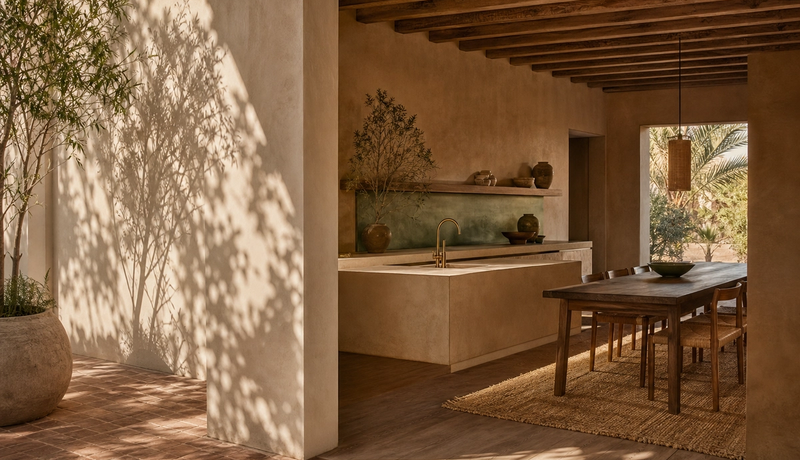
Buyer's Guide
Blum Kitchen Fittings
Blum kitchen fittings show why quiet cabinet movement, damping, and body stability define real luxury in open-plan kitchens.
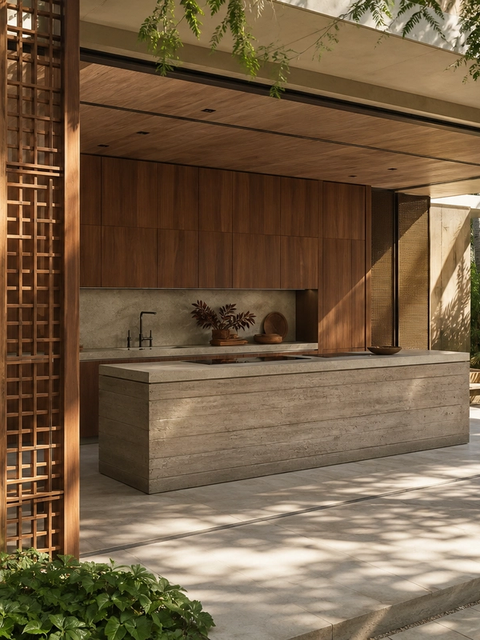
Buyer's Guide
Hansgrohe Kitchen Faucets
Hansgrohe shows why the most touched detail in a luxury kitchen should be planned for reach, splash control, finish restraint, and the wet cabinet zone below.
References
Authoritative sources cited in this article
- https://www.miele.com/en/c/miele-history-3696.htm
- https://www.mieleusa.com/cs/kitchen-56
- https://www.epa.gov/indoor-air-quality-iaq
- https://www.nsf.org/consumer-resources/articles/kitchen-appliances
- https://www.ul.com/services/greenguard-certification
- https://www.nkba.org/
- https://www.houzz.com/magazine/kitchen-design
- https://www.astm.org/
Editorial transparency
Sienna Park is a composite editorial persona maintained by Fadior Home's editorial team. Articles attributed to this byline are produced through an AI-assisted editorial workflow with human review, and represent the consolidated voice of multiple researchers and contributors.
Ready to specify?