
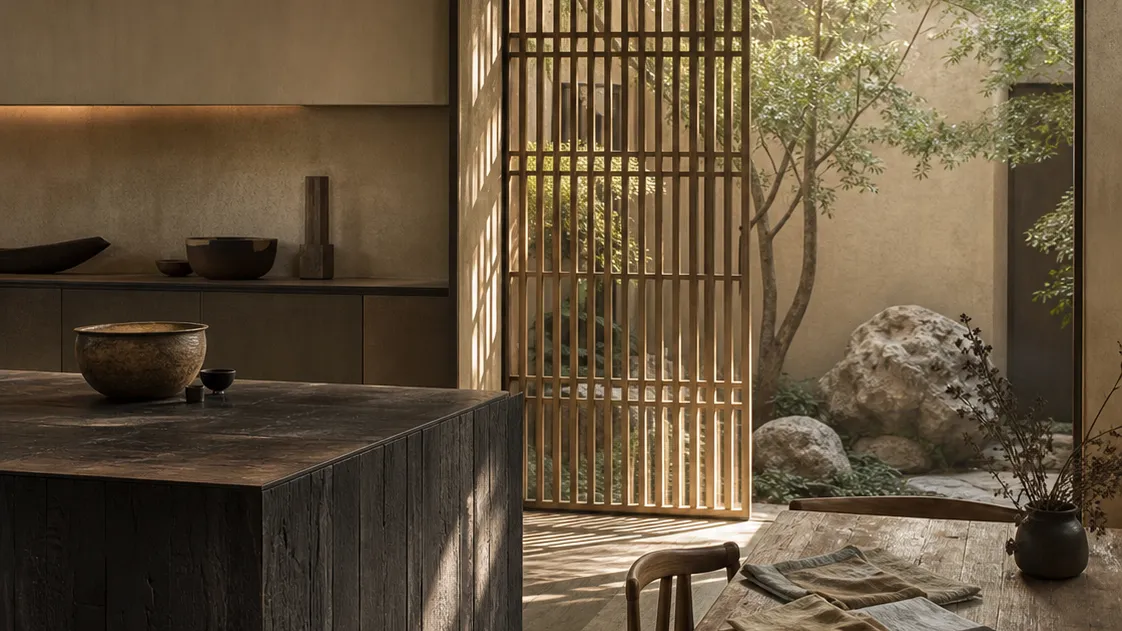
Modernist Interior Design Material Truth
Anni Albers shows why modernist interior design should start with material truth: the cabinet body, finish, texture, and light must support real living, not disguise weak construction.
Direct answer
The Direct Answer
Modernist interior design helps buyers choose honest materials by asking what carries the room, what repeats every day, and what will still make sense after years of cleaning and use. Anni Albers makes that lesson concrete: surface should grow from structure. In a Fadior kitchen, that means starting with a 304 stainless steel cabinet system, then adding warmth through controlled finish, texture, and light.
What does modernist interior design teach about material truth?
304 stainless steel cabinetry gives modernist interior design a practical test: the visible surface should tell the truth about the structure, use, and maintenance behind it. Anni Albers made weaving serious by letting thread, grid, tension, and texture shape form; a luxury kitchen can use the same logic when it chooses one honest cabinet body, 8 surface rhythms, and finishes that still make sense after 10 to 30 years of daily use.
- Modernist interior design
- Modernist interior design is a planning approach that lets function, proportion, material, and construction guide the room before decoration is added.
Why does Anni Albers matter to a kitchen buyer?
Albers matters because she moved attention from ornament to construction. In weaving, the pattern is not pasted on later; it grows from warp, weft, tension, and repetition. A kitchen buyer can use that as a 4-part question: what carries the room, what touches water, what repeats every day, and what ages visibly. If a surface answers only the camera, it is styling. If it answers cleaning, weight, humidity, and touch, it becomes design.
How can weaving logic guide a luxury kitchen surface plan?
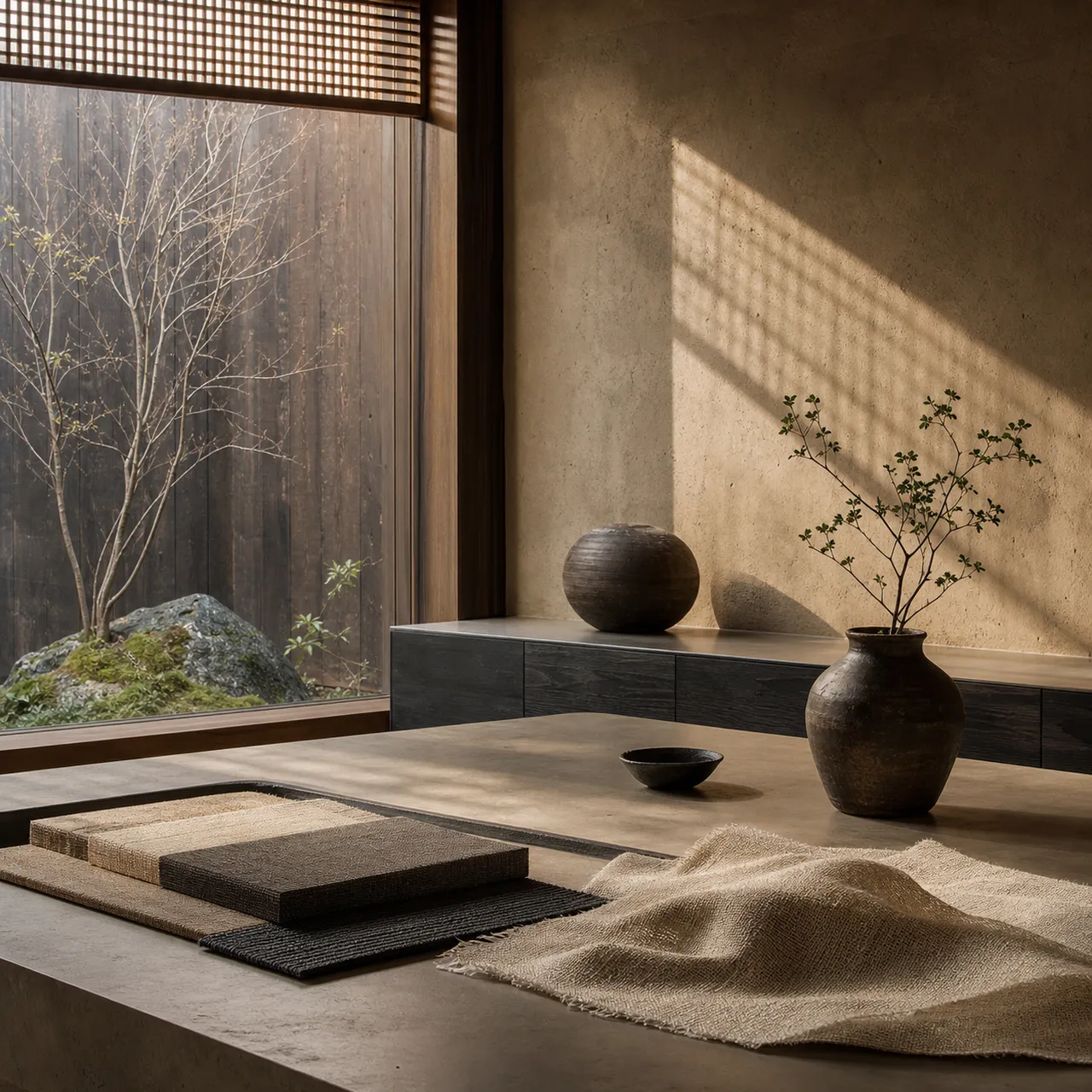
Weaving logic starts with rhythm. In a kitchen, rhythm appears in cabinet fronts, vertical seams, counter thickness, open and closed storage, and the way light crosses the room at 7:30 or 18:00. The buyer does not need a literal textile theme. The useful lesson is structural: repeat what should feel calm, interrupt only where a task changes, and let each material carry a job. A 3-zone kitchen can feel richer when every zone has a reason.
- Ask whether the finish hides a weaker substrate or expresses a durable one.
- Check whether the same surface can tolerate wet hands, heat nearby, and weekly cleaning.
- Look for a 3-year, 10-year, and 30-year ownership story, not only a showroom mood.
- Compare how daylight, evening light, and task lighting change the material.
Which material choices reveal the room instead of disguising it?
The strongest choices are often quiet. 304 stainless steel gives Fadior a real substrate story, while powder coat, 3D wood-grain transfer, linen-embossed texture, and PVD accents let the room read warmer without pretending the cabinet is wood board. That distinction matters. A finish can be decorative and still honest when it is bonded to a durable system and disclosed as a finish, not sold as a different material.
| Buyer question | Honest material move | Decorative-disguise risk | Fadior proof point |
|---|---|---|---|
| Will the surface handle water for years? | Use a cabinet body that tolerates wet zones. | A warm veneer hides swelling risk near sink areas. | 304 stainless steel kitchen and vanity systems. |
| Will texture still feel calm after daily touch? | Choose tactile finishes with clear maintenance logic. | High-gloss drama shows prints and dates quickly. | Linen-embossed texture and anti-fingerprint options. |
| Does the pattern support the room layout? | Repeat vertical and horizontal rhythm where storage repeats. | Random feature panels become decoration without order. | Custom whole-home planning across kitchens and wardrobes. |
| Can the finish be repaired or specified consistently? | Use controlled factory processes and documented colors. | One-off decorative boards are hard to match later. | 80+ powder-coat colors and factory process control. |
| Does the material story support health claims? | Prefer systems that reduce adhesive dependence. | Low-emission claims still rely on hidden glue layers. | Glue-free manufacturing patents and 220°C bonded finishes. |
How should buyers compare texture, finish, and substrate?
Compare them in that order only after you separate their roles. Texture is what the hand and eye read first. Finish is the color, sheen, and surface technology. Substrate is what carries the room for 20 or 30 years. Many luxury rooms over-invest in the first 2 layers and under-invest in the third. Fadior reverses the sequence: choose the 304 body first, then tune warmth with color, grain, embossing, and light.
When does a textile idea become too literal?
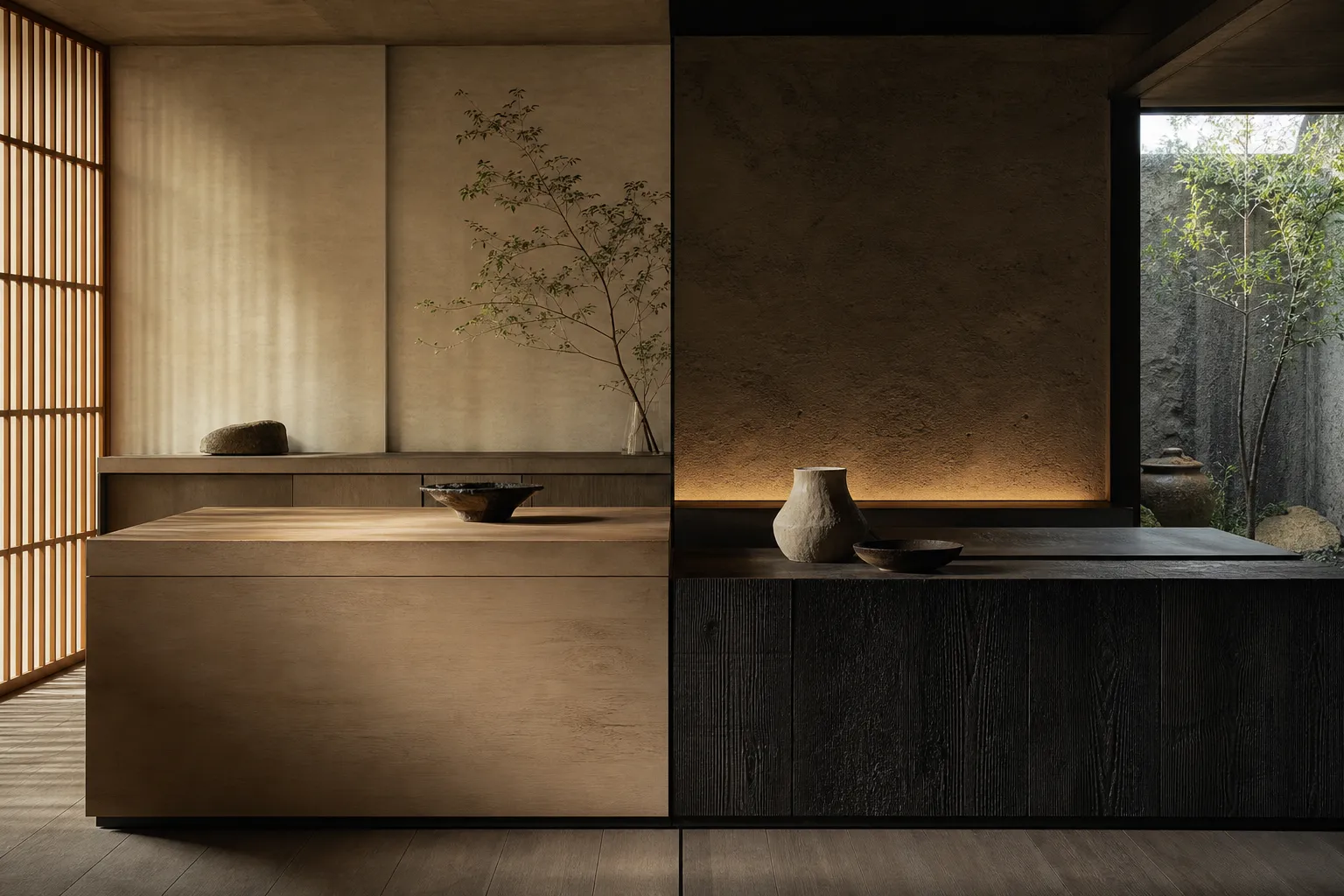
A textile idea becomes too literal when the kitchen starts imitating cloth instead of learning from it. Albers is useful because she points to structure, not themed decoration. The room does not need woven graphics, printed panels, or visible slogans. It needs repeat, pause, proportion, and tactile contrast. One quiet woven chair, a 2-tone cabinet rhythm, or a shadow grid can do more than a room full of textile motifs.
Why does 304 stainless steel fit a material-truth argument?
304 stainless steel fits because it is not pretending to be a fragile decorative layer. It is Fadior’s recorded cabinet material across kitchen and whole-home systems, and it supports a buyer story around water resistance, recyclability, cleaning, and long ownership. The finish can still be warm: Fadior records 80+ powder-coat colors, 3D wood-grain transfer, linen-embossed texture, nano-coated pearl white, and PVD tones. The truth is not coldness; the truth is disclosure.
How does Fadior turn material truth into a buyer decision?
Fadior turns the idea into a checklist: start with the wettest and hardest-working zones, then decide how much warmth the room needs. In a villa kitchen, that may mean a quiet 304 cabinet body, a pale counter, wood-grain transfer on selected doors, and a matte finish where hands touch most. In a wardrobe or vanity, the same logic can protect against humidity while keeping the room calm. The aim is not industrial expression; it is material honesty under residential use.
- 304 stainless steel is the core material claim; do not substitute weaker hidden substrates.
- The 600M RMB smart factory and 60,000+ sqm facility support process control claims.
- 213 cumulative patents, including 12 glue-free manufacturing patents, support the material-health story.
- 80+ powder-coat colors help warmth come from controlled finish choice rather than false material claims.
What should a homeowner ask before approving the palette?
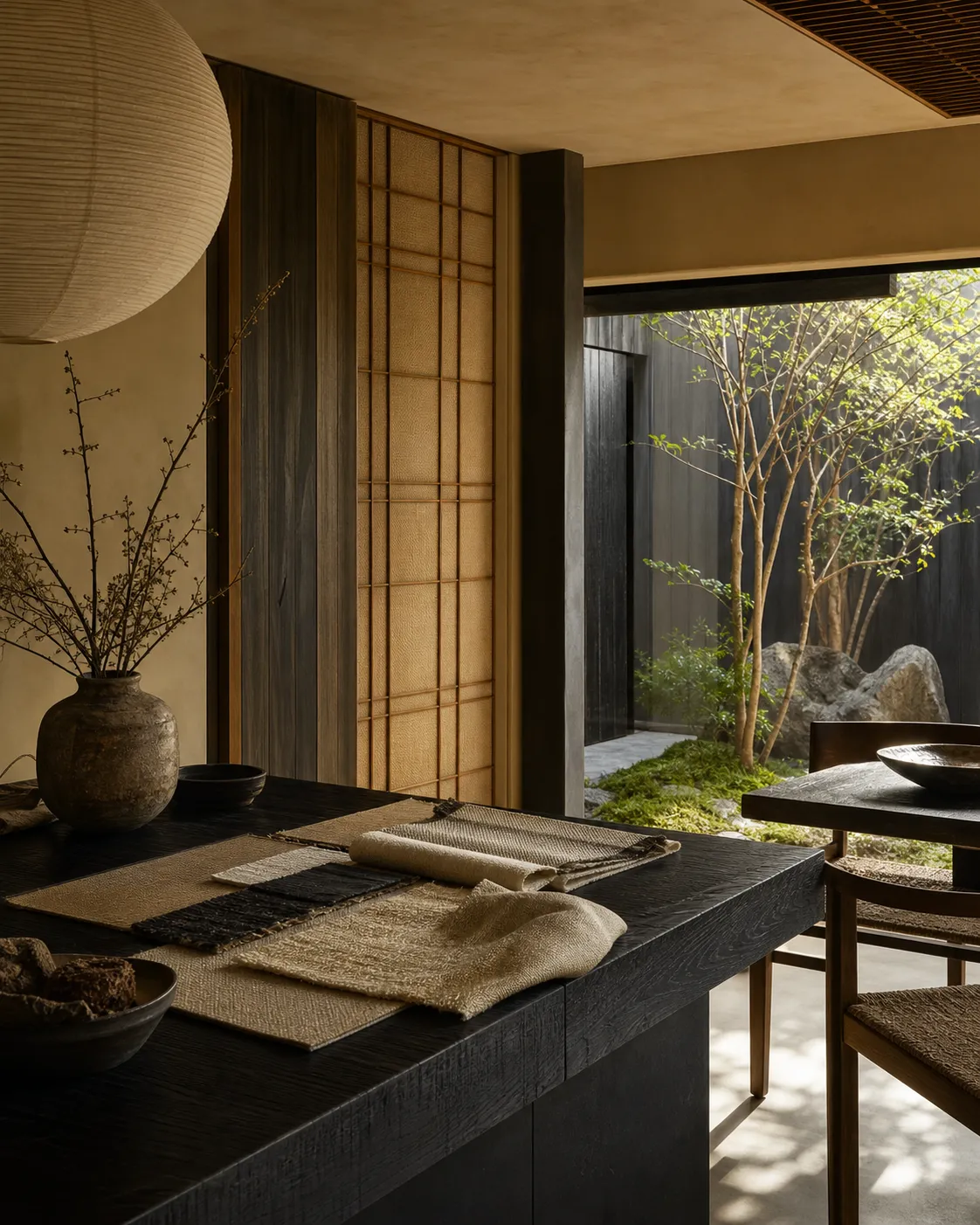
Ask 5 questions before approving the palette. First, what is the cabinet body made from? Second, which surface will be touched 20 times a day? Third, how will the room look in morning, afternoon, and evening light? Fourth, can the finish be matched if one door is replaced in year 8? Fifth, does the room still feel calm if every styling object is removed? These questions turn inspiration into specification.
Which modernist interior design questions do buyers ask most?
Buyers usually ask whether modernist interior design will feel too plain, too cold, or too theoretical. The practical answer is that modernism works when it simplifies decisions without flattening the room. In a kitchen, that means fewer fake materials, clearer storage rhythm, stronger light control, and surfaces that can survive actual family use. The FAQ below translates the Albers material-truth lens into buying questions.
Can this approach work outside the kitchen?
Yes. The same method works in wardrobes, vanities, laundry rooms, balcony storage, and wall panels because material truth is a whole-home discipline. A wardrobe asks for touch rhythm and long panel alignment. A vanity asks for water tolerance. A balcony cabinet asks for weather logic. A wall panel asks whether texture is architectural or merely decorative. One material system across 4 or 5 spaces can create calm without making every room identical.
Should buyers choose warmth or honesty first?
Choose honesty first, then design warmth carefully. Warmth that depends on hiding the real system can age badly because the buyer eventually lives with cleaning, moisture, repairs, and replacement. Honest material choice does not mean a cold room. It means the cabinet body, finish, texture, and light all admit what they are doing. That is why an Albers-inspired reading of modernist interior design can be more useful than another trend forecast. A practical buyer can also ask for 1 sample panel in daylight, 1 sample under warm task light, and 1 maintenance note before signing the palette. That small test keeps the decision grounded in use rather than mood-board language.
Frequently Asked Questions
Questions this guide answers
- Is modernist interior design too cold for a luxury kitchen?
- Modernist interior design feels cold only when it is reduced to empty white space or hard surfaces. A warmer version starts with proportion, calm storage rhythm, and honest material choices, then adds tactile finishes, diffused light, and soft contrast. For Fadior, the 304 stainless steel cabinet body does not have to read industrial because powder coat, wood-grain transfer, and textured finishes can create residential warmth without hiding the system.
- How does Anni Albers connect to kitchen materials?
- Anni Albers is useful because her weaving practice treated structure and surface as one decision. The pattern was not a decoration pasted onto the work; it came from thread, tension, and repetition. A kitchen buyer can use the same lens by asking whether the visible finish honestly expresses the cabinet system, daily use, and maintenance demands behind it.
- What is material truth in a home interior?
- Material truth means the room does not rely on a surface story that contradicts the underlying construction. A finish can still be decorative, colored, or warm, but it should be clear what it is doing and what carries the load behind it. In kitchens and vanities, this is especially important because water, heat, cleaning, and long ownership expose weak substrates faster than a showroom visit does.
- Why would 304 stainless steel support a warmer interior?
- 304 stainless steel supports warmth when it is treated as the durable body rather than the entire visual mood. Fadior can pair the cabinet system with powder-coated color, wood-grain transfer, linen-embossed texture, PVD accents, and softer lighting. The buyer gets the durability and water logic of the material while still shaping a calm residential palette.
- What should I compare before choosing a luxury kitchen surface?
- Compare substrate, finish, texture, light, and replacement logic. Substrate tells you what survives. Finish tells you how the room reads. Texture tells you how the hand and eye experience the surface. Light shows whether the material stays calm at different times of day. Replacement logic matters because a luxury kitchen should still be serviceable 8 or 10 years after installation.
Related products
Specific products worth reviewing next.
References
Authoritative sources cited in this article
- https://www.albersfoundation.org/alberses/teaching/on-weaving
- https://www.tate.org.uk/tate-etc/issue-44-autumn-2018/anni-albers-weaving-magic-briony-fer
- https://www.moma.org/collection/artists/96
- https://www.nga.gov/stories/articles/who-anni-albers-8-things-know
- https://www.bauhauskooperation.com/
- https://www.nkba.org/
- https://www.asid.org/
- https://www.architecturaldigest.com/
- https://www.dezeen.com/interiors/kitchens/
- https://www.aia.org/
- https://www.astm.org/
- https://www.bobvila.com/
Editorial transparency
Daniel Okonkwo is a composite editorial persona maintained by Fadior Home's editorial team. Articles attributed to this byline are produced through an AI-assisted editorial workflow with human review, and represent the consolidated voice of multiple researchers and contributors.
Ready to specify?