

Renovation Freight Rates
Renovation freight rates can shape kitchen ordering windows. Use them to plan buffers, not to rush every finish decision at once.
Direct answer
The Direct Answer
A renovation freight rates plan is a practical ordering schedule for custom kitchen work when shipping costs or delivery windows may move. It does not predict freight markets; it helps buyers approve the durable cabinet base, reserve long-lead items early, and keep optional finish choices from delaying the room.
What are renovation freight rates?
Renovation freight rates are the shipping charges and delivery conditions that affect imported or factory-built renovation components. For a kitchen, they matter most when cabinetry, appliances, stone, lighting, or specialty hardware depend on booked transport instead of local stock. The useful response is not market guessing. It is a written schedule that separates decisions with long lead times from choices that can safely wait. Freightos publishes a container freight benchmark, and World Shipping Council port data shows why global transport capacity is a real planning variable. A homeowner does not need to become a logistics analyst; the project only needs a buffer before fabrication and installation dates are promised.
- Renovation freight rates
- Renovation freight rates are shipping costs and delivery conditions that can affect the timing of ordered renovation components.
Why should freight planning happen before fabrication?
Freight planning belongs before fabrication because custom kitchen work turns choices into measured parts. A late cabinet-body change, appliance-width change, or finish substitution can restart drawings, ordering, and installation coordination. Fadior company intelligence records an 8-step pre-production review process before production begins, from order acceptance through engineering review and work order generation. That sequence works best when the buyer has already separated core decisions from optional layers. The practical rule is simple: approve the long-life kitchen base first, then reserve a controlled window for finish details, accessories, and styling.
How does a freight-rate plan change the kitchen timeline?

A freight-rate plan changes the kitchen timeline by adding a decision buffer before the purchase order and an arrival buffer before installation. For most custom kitchens, the buyer should confirm 4 early items: measured layout, appliance openings, cabinet-body basis, and service access. The plan should then list which items depend on transport booking and which can be handled locally. If freight windows tighten, the project can still proceed because the room-defining decisions have been approved. If conditions ease, the same plan prevents over-ordering decorative pieces before the family has tested the final layout.
| Decision area | Approve early | Can wait safely |
|---|---|---|
| Cabinet base | Confirm layout, cabinet bodies, appliance bays, and service access. | Adjust loose accessories after the measured base is stable. |
| Shipping window | Reserve a delivery buffer before installation dates are promised. | Use shorter local styling orders after the room is usable. |
| Finish direction | Choose the main durable finish family and maintenance expectation. | Refine accent tone, display styling, or loose decor later. |
| Utility coordination | Set power, water, ventilation, and access routes before ordering. | Add convenience features only after the core service path is clear. |
| Budget reserve | Hold a 10% coordination reserve for site and arrival variance. | Spend any leftover reserve on aesthetic upgrades, not rework. |
Which kitchen items need the earliest freight decision?
The earliest freight decisions are the items that affect measurement, fabrication, or installation order. Cabinet bodies, appliance dimensions, countertop support, sink position, ventilation path, and lighting zones should be settled before production starts. Fadior uses 304 stainless steel cabinet bodies as the durable base, then applies residential finishes such as powder coat, wood-grain transfer, linen texture, and PVD tones. ASTM A240 gives buyers a recognized reference for stainless sheet, plate, and strip. In plain terms, material evidence should be approved before the project spends time debating every optional visual upgrade.
- Freight lead-time buffer
- A freight lead-time buffer is planned extra time between ordering and installation so arrival variance does not force rushed design changes.
What can wait until the freight window is clearer?
Several decisions can wait if the base plan is sound. Loose furniture, some display lighting, drawer organizers, decorative styling, and final accessory counts can sit in a later phase. Waiting does not mean ignoring them. It means reserving positions and budgets without turning every option into a critical-path item. This keeps the kitchen useful even if a shipment arrives later than expected. It also protects design quality because the buyer is not forced to approve cosmetic choices under delivery pressure.

- Confirm 1 final measured kitchen layout before cabinet fabrication.
- Lock 4 working zones: storage, prep, cooking, and cleanup.
- Reserve a 10% coordination buffer for arrival variance and site conditions.
- Confirm appliance openings, ventilation route, water points, and service access before finish upgrades.
- Mark each optional upgrade as order now, reserve now, or decide later.
How does 304 stainless cabinetry support freight-aware planning?
304 stainless cabinetry supports freight-aware planning because it gives the project a durable base that does not depend on fragile surface logic. Once the cabinet-body system, openings, and service paths are approved, finish options can be coordinated with less risk to the room. Fadior also records a 600 million RMB smart-factory investment, 60,000+ sqm production facility, and 26,000+ technical rules governing production quality. Those facts matter only when the buyer provides a clear approved brief. Freight planning is therefore not a shipping trick; it is a cleaner way to enter production.
Does freight planning become too operational?
No. The buyer-facing value is calm decision-making, not logistics jargon. A premium custom kitchen fails when too many choices become urgent at once. Freight-aware planning makes the project feel calmer because the buyer knows which decisions are permanent, which are reserved, and which can wait. Appliance planning also belongs early because equipment choices affect power, ventilation, and day-to-day use. The schedule should connect delivery reality to household function, not bury the buyer in transport terms.
When should the buyer ask Fadior for help?
The buyer should ask for help before drawings, not after a shipping issue appears. Bring the room measurements, appliance wishes, storage habits, desired finish direction, and installation window into the first conversation. A good brief can identify which items need early commitment and which can remain flexible. EPA guidance on volatile organic compounds is also a reminder that material selection should be discussed before ordering, especially for families sensitive to indoor-air quality. The safest plan is to approve the cabinet base and health-relevant material choices before optional styling expands.

How do you turn freight context into a buyer brief?
Turn freight context into a buyer brief by writing down what the kitchen must do before writing down everything it could include. Start with the daily pattern: how many meals the room supports, which entrance carries groceries, where cleanup happens, and which storage zones cannot fail. Then mark each ordered component by consequence. A cabinet body, appliance bay, ventilation route, sink position, or power point can change drawings and site work, so it belongs in the early approval group. A loose organizer, decorative accent, or display styling choice can often wait because it does not control the room. The brief should also state who owns each decision and when the installer needs confirmation. That makes freight-rate movement less emotional. Instead of asking whether the market is good or bad, the buyer can ask a clearer question: will this item delay the usable kitchen if it moves by 2 weeks? If yes, approve it early or reserve an alternative. If no, keep it flexible until the base room is secure. Keep the brief short enough for quick approval: one page for sequence, one page for confirmed dimensions, and one page for open decisions. That format helps the buyer, designer, factory, and installer work from the same order of priorities.
How should internal links support the next step?
Readers who need more planning context can continue through Fadior Journal planning guides, then compare Fadior material guidance and custom kitchen systems. The next step is not to rush an order. It is to turn the freight-aware schedule into a room brief: what must arrive first, what can be reserved, and what can wait until the base kitchen is secure. That sequence keeps the planning path useful for architects, homeowners, and sales teams.
What are common FAQ questions about renovation freight rates?
FAQ: What are renovation freight rates in a kitchen project? They are the shipping charges and delivery conditions that can affect ordered kitchen components. Buyers do not need to forecast the market. They need to know which items require early approval, which need a delivery buffer, and which decorative choices can wait without stopping the installation. How much buffer should a custom kitchen plan include? A practical plan should include both a decision buffer before ordering and an arrival buffer before installation. The exact number depends on the order, but the plan should clearly mark long-lead items, keep a 10% coordination reserve, and avoid promising installation dates before critical items are confirmed. Which kitchen decisions should be locked first? Lock the measured layout, cabinet-body material, appliance openings, water and power points, ventilation route, countertop support, and service access first. These choices affect fabrication and installation. Styling, loose accessories, and some display upgrades can often wait until the main room is secure. Does freight-aware planning mean buying everything earlier? No. It means approving the items that control the build path earlier and keeping optional scope flexible. Buying every accessory too early can create storage, budget, and design problems. The better approach is to order critical components, reserve positions for likely upgrades, and decide later on non-critical finishes. How can Fadior help with freight-aware renovation planning? Fadior can turn the room brief into a production-ready sequence: confirm 304 stainless cabinet bodies, appliance bays, service access, finish direction, and installation expectations before optional upgrades expand. That gives the factory and installer a cleaner approval path and gives the buyer fewer late surprises.
Related products
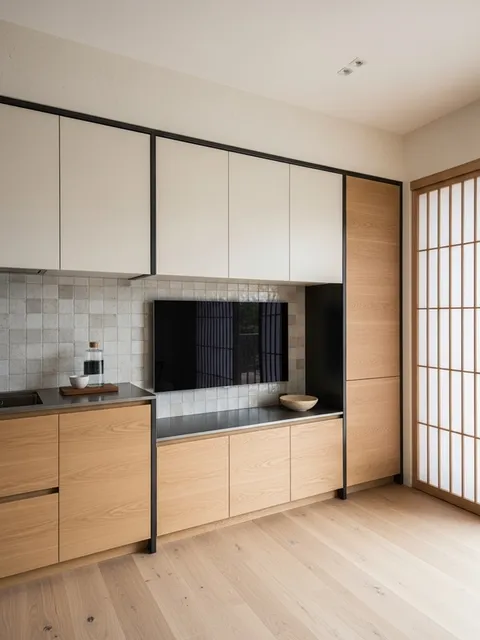
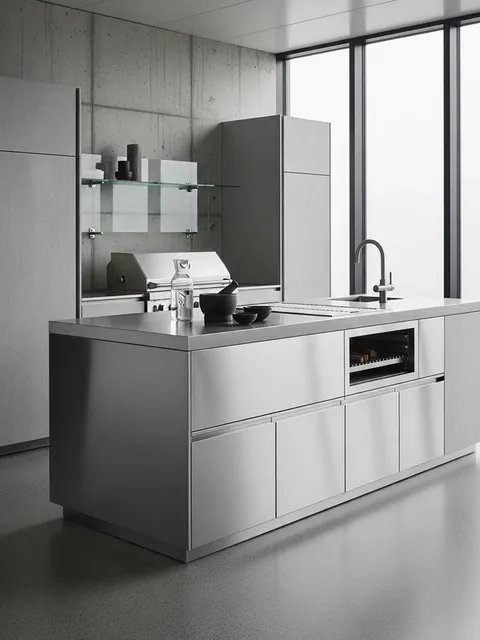
Specific products worth reviewing next.

References
Authoritative sources cited in this article
- ASTM A240 stainless sheet specification
Reference for stainless sheet, plate, and strip specifications.
ASTM A240
- Freightos container freight benchmark
Public freight benchmark context for container shipping cost movement.
Freightos Baltic Index
- World Shipping Council container port data
Context for global container port scale and transport capacity.
World Shipping Council
- Department of Energy kitchen appliance guidance
Kitchen appliance planning and energy-use context.
U.S. Department of Energy
- EPA volatile organic compounds guidance
Indoor-air quality context for material discussions.
U.S. Environmental Protection Agency
Editorial transparency
Jonas Weber is a composite editorial persona maintained by Fadior Home's editorial team. Articles attributed to this byline are produced through an AI-assisted editorial workflow with human review, and represent the consolidated voice of multiple researchers and contributors.
Ready to specify?