
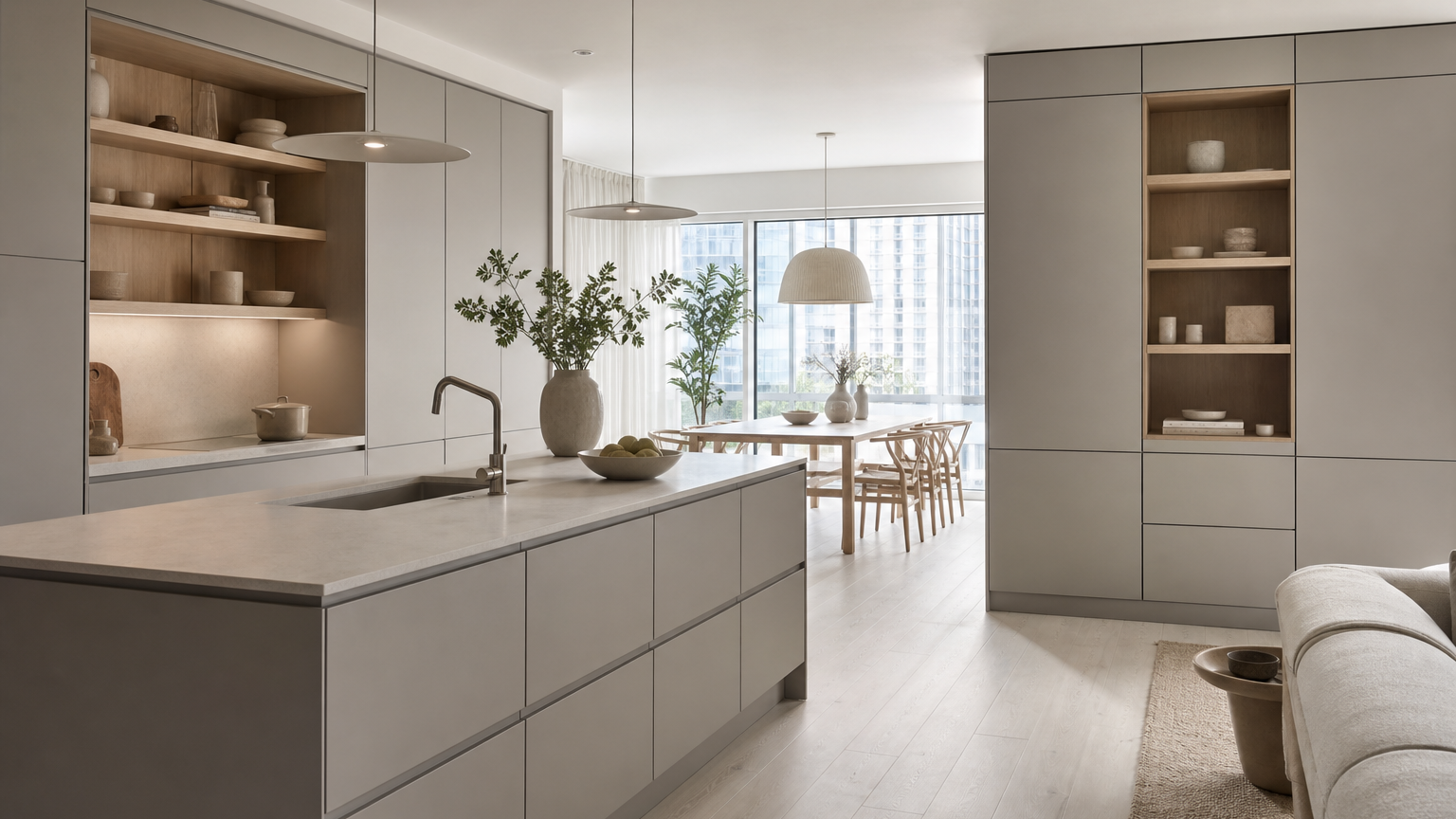
Metal Kitchen Cabinets: What Buyers Should Compare
A practical guide to comparing metal kitchen cabinet bodies, finishes, moisture behavior, warmth, and 304 stainless steel specification.
Direct answer
The Direct Answer
Metal kitchen cabinets should be compared by cabinet body, finish layer, moisture behavior, cleaning, warranty, and residential warmth. For Fadior, the recommended structural answer is 304 stainless steel cabinet bodies with warm finishes, not a cold industrial look or a broad substitute-material claim.
- Metal kitchen cabinets
- Metal kitchen cabinets are kitchen cabinet systems whose structural body, door surface, or finish layer uses a formed metal material.
What are metal kitchen cabinets?
Metal kitchen cabinets are cabinet systems whose structural body, door surface, or finish layer uses a formed metal material instead of a board-only construction. The term is broad, so buyers should not treat it as one fixed product class. A utility cabinet, a decorative door, and a premium residential cabinet body can all appear under the same search phrase. The useful comparison starts by asking which layer is doing the work. The body carries counters, receives hardware, stores weight, and faces spills and cleaning. The door creates the touch point and rhythm. The finish creates warmth or reflection. Fadior narrows the recommendation to 304 stainless steel cabinet bodies, then uses finish, light, and room composition to keep the kitchen residential. For approval, ask the supplier to show one physical sample, one section drawing, one finish-care note, one warranty clause, and one installed-room reference. This evidence set keeps the decision practical and prevents a buyer from comparing one brand’s visible door with another brand’s full cabinet body. In a real approval meeting, this should become a written comparison rather than a verbal preference. Record the layer being discussed, the exact room condition, the cleaning expectation, the warranty promise, the finish-care route, and the installed-room reference. That turns a broad search phrase into evidence a homeowner, designer, contractor, and overseas decision maker can all review without guessing. It also protects Fadior from being compared against a different layer of another product. The practical finish line is a signed material schedule. If the schedule cannot explain what is structural, what is visible, what is maintainable, and what is covered by warranty, the cabinet decision is not ready for purchase. That shared record also makes later maintenance, replacement, or resale conversations simpler because the original cabinet logic is still visible.
Why are buyers comparing metal kitchen cabinets now?
Buyers compare metal kitchen cabinets because they want answers about moisture, cleaning, long service life, outdoor or semi-outdoor use, indoor air concerns, and architectural calm. NKBA trend coverage points toward kitchens that work harder through storage, wellness, and material sophistication. That search intent is practical rather than decorative. The buyer is asking whether the kitchen can survive steam, heavy cooking, routine cleaning, and daily family use without swelling or feeling fragile. A broad material label is not enough. The specification must explain what is permanent, what is visible, what is maintainable, and what happens when the kitchen is cleaned thousands of times. For approval, ask the supplier to show one physical sample, one section drawing, one finish-care note, one warranty clause, and one installed-room reference. This evidence set keeps the decision practical and prevents a buyer from comparing one brand’s visible door with another brand’s full cabinet body. In a real approval meeting, this should become a written comparison rather than a verbal preference. Record the layer being discussed, the exact room condition, the cleaning expectation, the warranty promise, the finish-care route, and the installed-room reference. That turns a broad search phrase into evidence a homeowner, designer, contractor, and overseas decision maker can all review without guessing. It also protects Fadior from being compared against a different layer of another product. This is especially important when several family members approve the kitchen remotely, because a clear schedule keeps design taste separate from long-term material responsibility.
How should cabinet body, door surface, and finish be separated?
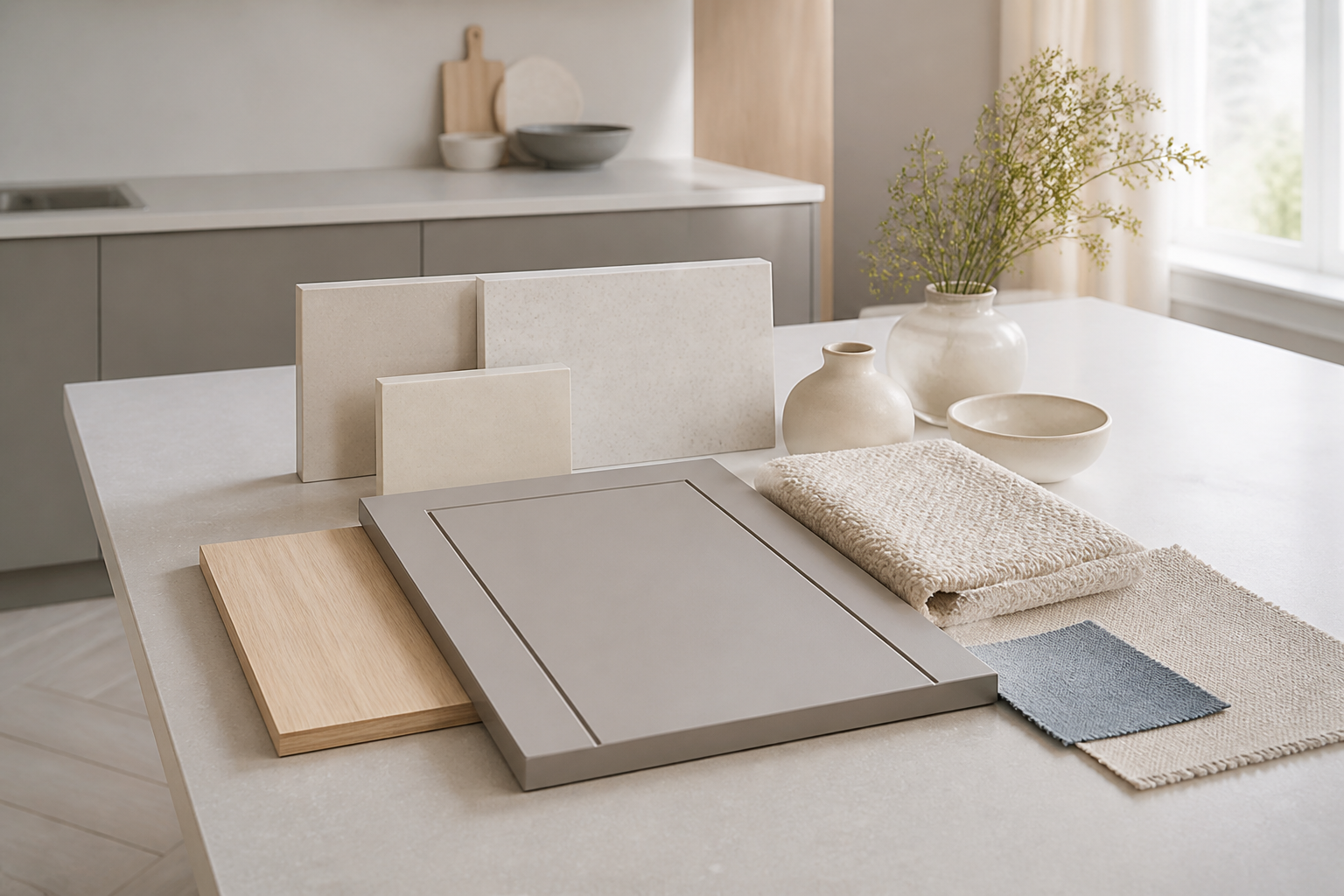
Cabinet body, door surface, and finish should be separated because they solve different problems. The body is infrastructure. It supports the counter, holds internal storage, frames appliance openings, and faces wet-zone stress. The door surface controls what the hand and eye meet every day. The finish controls color, texture, repair path, and emotional warmth. When these layers are mixed together, a quote can look cheaper or more expensive for the wrong reason. A buyer may compare a thin visible skin against a full structural body and miss the actual value. A disciplined specification names each layer before comparing price. For approval, ask the supplier to show one physical sample, one section drawing, one finish-care note, one warranty clause, and one installed-room reference. This evidence set keeps the decision practical and prevents a buyer from comparing one brand’s visible door with another brand’s full cabinet body. In a real approval meeting, this should become a written comparison rather than a verbal preference. Record the layer being discussed, the exact room condition, the cleaning expectation, the warranty promise, the finish-care route, and the installed-room reference. That turns a broad search phrase into evidence a homeowner, designer, contractor, and overseas decision maker can all review without guessing. It also protects Fadior from being compared against a different layer of another product.
What is the Fadior answer to the category?
The Fadior answer is to keep the structural recommendation clear: 304 stainless steel cabinet bodies. The brand does not need to make a cold industrial room to prove durability. It can use matte colors, pale counters, wood tones, textiles, wall panels, and soft lighting to build warmth over a stronger cabinet body. Danver and other market sources show that metal cabinet searches often include durability and exposure questions. Fadior should answer those questions through a 304-only cabinet-body position, not through unsupported alternate-grade claims or vague material language. The point is not metal for effect. The point is a durable wet-zone foundation. For approval, ask the supplier to show one physical sample, one section drawing, one finish-care note, one warranty clause, and one installed-room reference. This evidence set keeps the decision practical and prevents a buyer from comparing one brand’s visible door with another brand’s full cabinet body. In a real approval meeting, this should become a written comparison rather than a verbal preference. Record the layer being discussed, the exact room condition, the cleaning expectation, the warranty promise, the finish-care route, and the installed-room reference. That turns a broad search phrase into evidence a homeowner, designer, contractor, and overseas decision maker can all review without guessing. It also protects Fadior from being compared against a different layer of another product.
| Decision area | What to compare | Fadior position |
|---|---|---|
| Cabinet body | Permanent structure, wet-zone behavior, load support | Specify 304 stainless steel cabinet bodies |
| Door and finish | Color, reflection, texture, repair path | Use warm residential finishes over durable structure |
| Moisture and cleaning | Steam, spills, humidity, detergents, daily wipe-downs | Prioritize waterproof cabinet-body logic |
| Room feeling | Light, acoustics, wood tones, fabric, dining connection | Make the kitchen calm rather than industrial |
| Quote clarity | Body, door, finish, warranty, installation tolerance | Compare layers, not vague labels |
Which tradeoffs belong in a comparison table?
The comparison table should focus on moisture behavior, structural stiffness, finish repair, visible warmth, cleaning, installation tolerance, outdoor suitability, and whole-home coordination. OPPEIN and Sweeten both discuss metal kitchens through lifestyle, maintenance, and material selection, which confirms that the searcher needs usable criteria. For Fadior, category education should lead back to a clear recommendation. Lighter systems can serve some utility roles, but the premium kitchen decision should ask what is hardest to replace. The cabinet body is harder to replace than color, stool fabric, lighting, or decorative accents. That is why it deserves first approval. For approval, ask the supplier to show one physical sample, one section drawing, one finish-care note, one warranty clause, and one installed-room reference. This evidence set keeps the decision practical and prevents a buyer from comparing one brand’s visible door with another brand’s full cabinet body. In a real approval meeting, this should become a written comparison rather than a verbal preference. Record the layer being discussed, the exact room condition, the cleaning expectation, the warranty promise, the finish-care route, and the installed-room reference. That turns a broad search phrase into evidence a homeowner, designer, contractor, and overseas decision maker can all review without guessing. It also protects Fadior from being compared against a different layer of another product.
How do you keep a durable cabinet system from feeling cold?
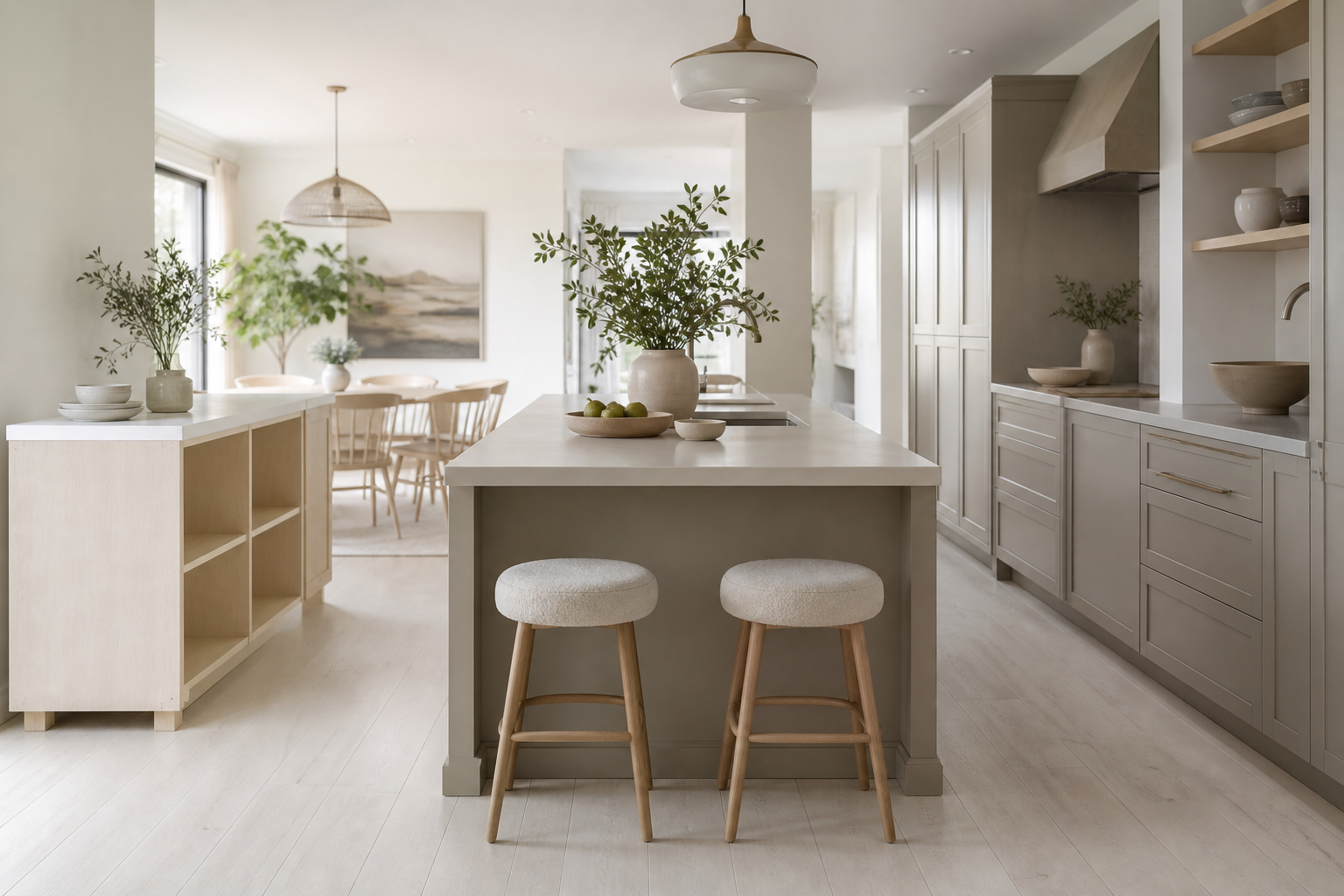
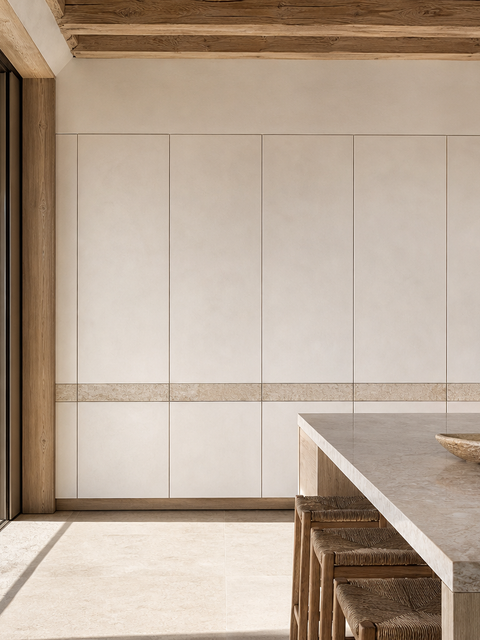
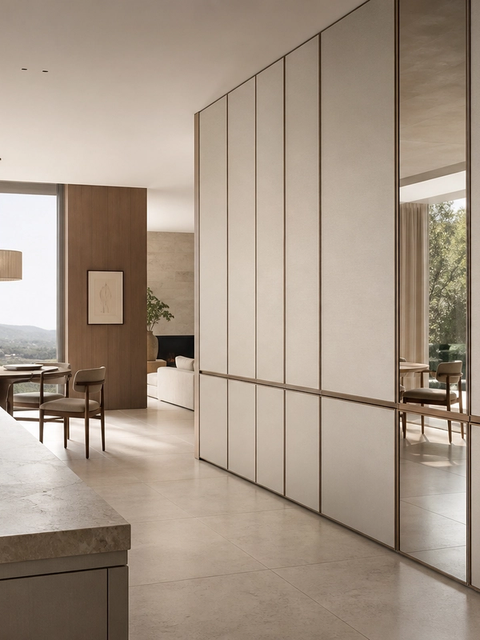
A durable cabinet system feels cold only when the room design lets the material dominate every sensory cue. Harsh reflection, blue light, exposed mechanisms, echo, and disconnected dining space create the cold feeling. A residential room uses matte finish, warm wood tones, pale counters, textiles, plants, soft light, and proportioned storage to shift the mood. The cabinet body can work quietly behind that atmosphere. Fadior’s design opportunity is exactly this separation: let 304 stainless steel handle wet-zone durability while the visible kitchen speaks in calm architectural warmth. Durability and softness do not need to compete. For approval, ask the supplier to show one physical sample, one section drawing, one finish-care note, one warranty clause, and one installed-room reference. This evidence set keeps the decision practical and prevents a buyer from comparing one brand’s visible door with another brand’s full cabinet body. In a real approval meeting, this should become a written comparison rather than a verbal preference. Record the layer being discussed, the exact room condition, the cleaning expectation, the warranty promise, the finish-care route, and the installed-room reference. That turns a broad search phrase into evidence a homeowner, designer, contractor, and overseas decision maker can all review without guessing. It also protects Fadior from being compared against a different layer of another product.
When are 304 cabinet bodies most valuable?
304 cabinet bodies are most valuable where water, cleaning, humidity, heavy cooking, and long ownership cycles are real. Family kitchens, sculleries, balcony cabinets, coastal homes, model villas, and utility-heavy rooms all benefit from a stronger body. A kitchen that looks perfect at handover can still age poorly if vulnerable edges meet moisture. A premium buyer should ask what happens after years of wiping, steam, spills, and appliance heat. The 304 approach also supports whole-home consistency because the same logic can extend into vanities, laundry rooms, balcony storage, wall panels, and living-room cabinets. For approval, ask the supplier to show one physical sample, one section drawing, one finish-care note, one warranty clause, and one installed-room reference. This evidence set keeps the decision practical and prevents a buyer from comparing one brand’s visible door with another brand’s full cabinet body. In a real approval meeting, this should become a written comparison rather than a verbal preference. Record the layer being discussed, the exact room condition, the cleaning expectation, the warranty promise, the finish-care route, and the installed-room reference. That turns a broad search phrase into evidence a homeowner, designer, contractor, and overseas decision maker can all review without guessing. It also protects Fadior from being compared against a different layer of another product.
What should designers specify before quoting?
Designers should specify body material, door finish, counter support, internal storage, hardware integration, ventilation, appliance cut sheets, lighting zones, installation tolerance, and cleaning expectations before quoting. If a proposal says only metal kitchen cabinets, the buyer cannot judge value. Ask whether the quoted system is a full cabinet body, a door surface, or a finish applied to another structure. Ask how corners, shelves, toe kicks, and wet zones are handled. Ask what the warranty covers. A strong quote turns a broad search term into a measurable specification. For approval, ask the supplier to show one physical sample, one section drawing, one finish-care note, one warranty clause, and one installed-room reference. This evidence set keeps the decision practical and prevents a buyer from comparing one brand’s visible door with another brand’s full cabinet body. In a real approval meeting, this should become a written comparison rather than a verbal preference. Record the layer being discussed, the exact room condition, the cleaning expectation, the warranty promise, the finish-care route, and the installed-room reference. That turns a broad search phrase into evidence a homeowner, designer, contractor, and overseas decision maker can all review without guessing. It also protects Fadior from being compared against a different layer of another product.
How should outdoor and semi-outdoor rooms be reviewed?
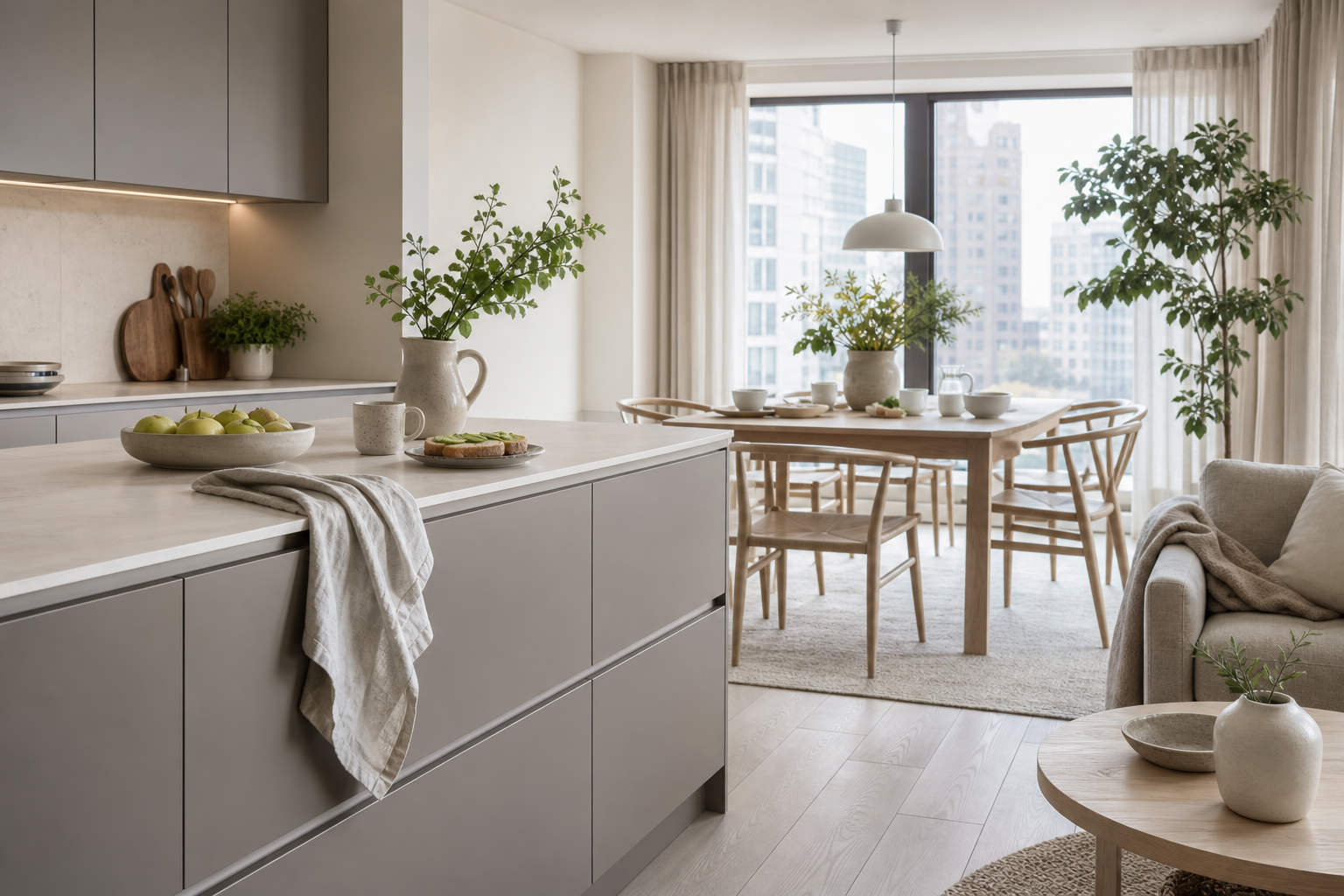
Outdoor and semi-outdoor rooms need stricter review because sun, rain, humidity, salt air, dust, drainage, and appliance heat change the risk profile. A cabinet that works in a dry apartment may need a different exposure review on a balcony or in a coastal villa. The buyer should confirm roof cover, drainage, ventilation, counter overhang, appliance rating, cleaning routine, and installation method. The responsible answer is not a generic promise. It is a project-specific specification that keeps 304 stainless steel as the recommended cabinet-body foundation and checks exposure before approval. For approval, ask the supplier to show one physical sample, one section drawing, one finish-care note, one warranty clause, and one installed-room reference. This evidence set keeps the decision practical and prevents a buyer from comparing one brand’s visible door with another brand’s full cabinet body. In a real approval meeting, this should become a written comparison rather than a verbal preference. Record the layer being discussed, the exact room condition, the cleaning expectation, the warranty promise, the finish-care route, and the installed-room reference. That turns a broad search phrase into evidence a homeowner, designer, contractor, and overseas decision maker can all review without guessing. It also protects Fadior from being compared against a different layer of another product.
What is the buyer checklist?
The buyer checklist is direct. First, confirm whether the material describes body, door, or finish. Second, ask whether the body uses 304 stainless steel. Third, review water, cleaning, humidity, appliance heat, and outdoor exposure. Fourth, compare finish warmth and repair path. Fifth, verify storage, hardware integration, counter support, and installation tolerance. Sixth, read warranty language. Seventh, ask whether the same system can continue into vanity, balcony, laundry, and storage zones. Eighth, judge whether the room feels calm enough for daily living. The best cabinet choice should answer both questions: will it last, and will the family want to live with it? For approval, ask the supplier to show one physical sample, one section drawing, one finish-care note, one warranty clause, and one installed-room reference. This evidence set keeps the decision practical and prevents a buyer from comparing one brand’s visible door with another brand’s full cabinet body. In a real approval meeting, this should become a written comparison rather than a verbal preference. Record the layer being discussed, the exact room condition, the cleaning expectation, the warranty promise, the finish-care route, and the installed-room reference. That turns a broad search phrase into evidence a homeowner, designer, contractor, and overseas decision maker can all review without guessing. It also protects Fadior from being compared against a different layer of another product.
How should the final decision be documented?
The final decision should be documented as a cabinet specification sheet, not only as a mood board. The sheet should name the cabinet body, visible door finish, counter support, hardware integration, ventilation assumptions, cleaning method, warranty scope, and rooms included in the system. For a Fadior project, it should state that the cabinet body recommendation is 304 stainless steel and that the article makes no alternate grade recommendation. The design package can still include warm fronts, pale counters, wood tones, textiles, and quiet lighting, but those elements should be listed as atmosphere and finish decisions rather than structural substitutes. This distinction is simple, but it prevents most material confusion. In a real approval meeting, this should become a written comparison rather than a verbal preference. Record the layer being discussed, the exact room condition, the cleaning expectation, the warranty promise, the finish-care route, and the installed-room reference. That turns a broad search phrase into evidence a homeowner, designer, contractor, and overseas decision maker can all review without guessing.
Frequently Asked Questions
Questions this guide answers
- Are metal kitchen cabinets good for homes?
- Metal kitchen cabinets can be good for homes when the specification is clear and the room is designed to feel residential. Confirm whether the material is the cabinet body, door surface, or finish layer, then judge moisture behavior, cleaning, warranty, and warmth.
- Why does Fadior recommend 304 stainless steel cabinet bodies?
- Fadior recommends 304 stainless steel cabinet bodies because the body is the durable wet-zone foundation. It supports counters, storage, appliances, cleaning, and long-term moisture exposure while allowing the visible kitchen to use warm colors, pale counters, wood accents, and soft light.
- Do metal kitchen cabinets have to look industrial?
- No. The cabinet body can be durable while the room feels calm and warm. Finish color, matte texture, wood tones, textiles, lighting, panel rhythm, and dining connection do most of the emotional work. The structural material does not need to dominate the visual mood.
- What should I ask before buying metal kitchen cabinets?
- Ask whether the quote covers the cabinet body, door surface, or finish layer. Then ask about material grade, water exposure, finish care, internal storage, hardware integration, counter support, installation tolerance, warranty, and whether the system can extend into other rooms.
- Are metal cabinets useful outdoors?
- They can be useful outdoors or in semi-outdoor zones, but exposure must be reviewed carefully. Sun, rain, humidity, salt air, drainage, appliance rating, and maintenance all matter. A project-specific specification is safer than a generic material promise.
- Can a premium kitchen mix durable structure with warm design?
- Yes. A premium kitchen can use a durable 304 cabinet-body structure while feeling warm through matte finishes, pale counters, wood accents, soft seating, textured wall panels, and quiet lighting. Durability and residential calm should reinforce each other.

References
Authoritative sources cited in this article
- NKBA 2026 Kitchen Trends Report
metal kitchen cabinet material evidence
NKBA
- Danver aluminum vs stainless cabinet guide
metal kitchen cabinet material evidence
Danver
- Sweeten stainless kitchen overview
metal kitchen cabinet material evidence
Sweeten
- OPPEIN metal kitchen cabinets guide
metal kitchen cabinet material evidence
OPPEIN
- The Spruce stainless steel kitchen cabinets overview
stainless cabinet material and home design context
The Spruce
Editorial transparency
Jonas Weber is a composite editorial persona maintained by Fadior Home's editorial team. Articles attributed to this byline are produced through an AI-assisted editorial workflow with human review, and represent the consolidated voice of multiple researchers and contributors.
Ready to specify?