
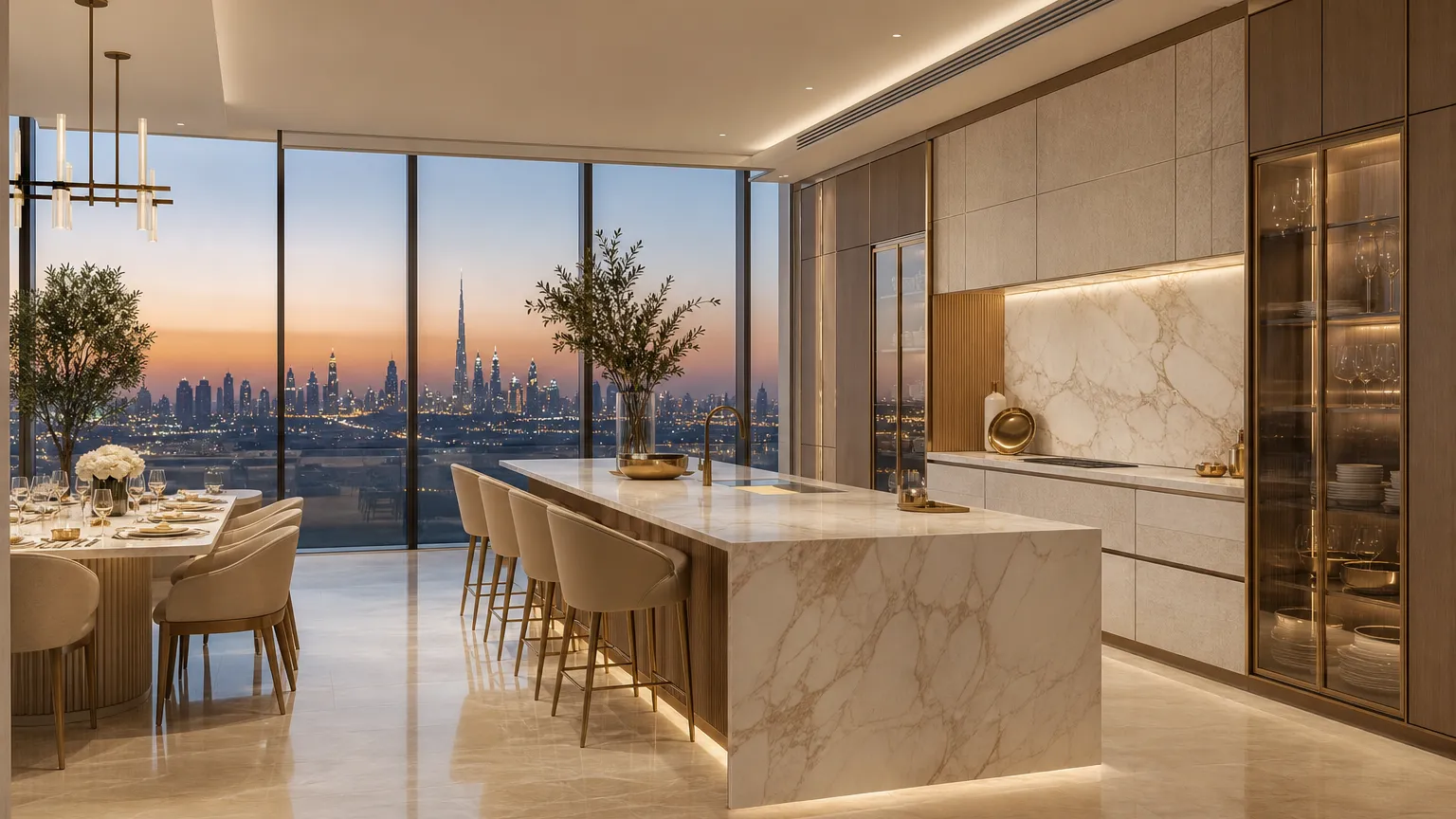
Modern Kitchen Cabinets: Materials, Finishes, and Layout Fit
A practical buyer guide to modern kitchen cabinets: layout fit, finish warmth, storage jobs, lighting, and durable 304 cabinet bodies.
Direct answer
The Direct Answer
Modern kitchen cabinets are flat, disciplined cabinet systems planned around clean lines, useful storage, durable finishes, and a room layout that supports daily cooking. The best 2026 version starts with the plan: decide circulation, appliance support, storage jobs, lighting, and 304 stainless steel cabinet bodies before choosing the final visible finish.
- Modern kitchen cabinets
- Modern kitchen cabinets are integrated cabinet systems with simple fronts, controlled proportions, practical storage, and durable room-scale finish planning.
What are modern kitchen cabinets in 2026?
Modern kitchen cabinets in 2026 are not just flat doors. They are a complete storage and surface system that makes the kitchen feel calm while still doing heavy daily work. The modern look usually comes from broad planes, consistent reveals, concealed storage, integrated lighting, and a limited palette. The practical result depends on what sits behind that look. A buyer should ask what the cabinet body is made from, how wet cleaning is handled, where tall pantry items live, how recycling and cleaning tools are hidden, and whether appliances interrupt the cabinet rhythm. In a high-end home, modern cabinetry also has to connect the kitchen to dining, lounge, and entertaining zones. That is why the finish should feel residential, but the specification should stay disciplined. For Fadior, the permanent layer is the 304 stainless steel cabinet body; visible finishes can bring warmth, grain, stone, color, or gloss without turning the room into a fragile display surface.
Why should layout fit come before door style?
Layout fit comes before door style because cabinet fronts cannot fix a poorly planned route. A modern kitchen often looks simplest after the hardest planning decisions are solved: where the sink sits, how many steps separate storage from prep, whether the island blocks traffic, and which cabinet wall can absorb tall storage without making the room feel heavy. A good plan leaves at least 3 clear working routes: refrigerator to prep, prep to cooking, and cooking to serving. It also protects a quieter social route from dining or lounge seating. When those routes cross at one narrow point, the kitchen may photograph well but feel tense during hosting. Before approving elevations, mark appliance doors, drawer extensions, stool positions, cleaning routes, and service panels on the same plan. This is especially important for high-rise apartments and GCC villas where kitchens often open directly to dining rooms. The cabinet wall must look composed from the living space while still carrying food storage, cookware, small appliances, and cleanup support.
How do modern cabinet finishes stay warm, not clinical?
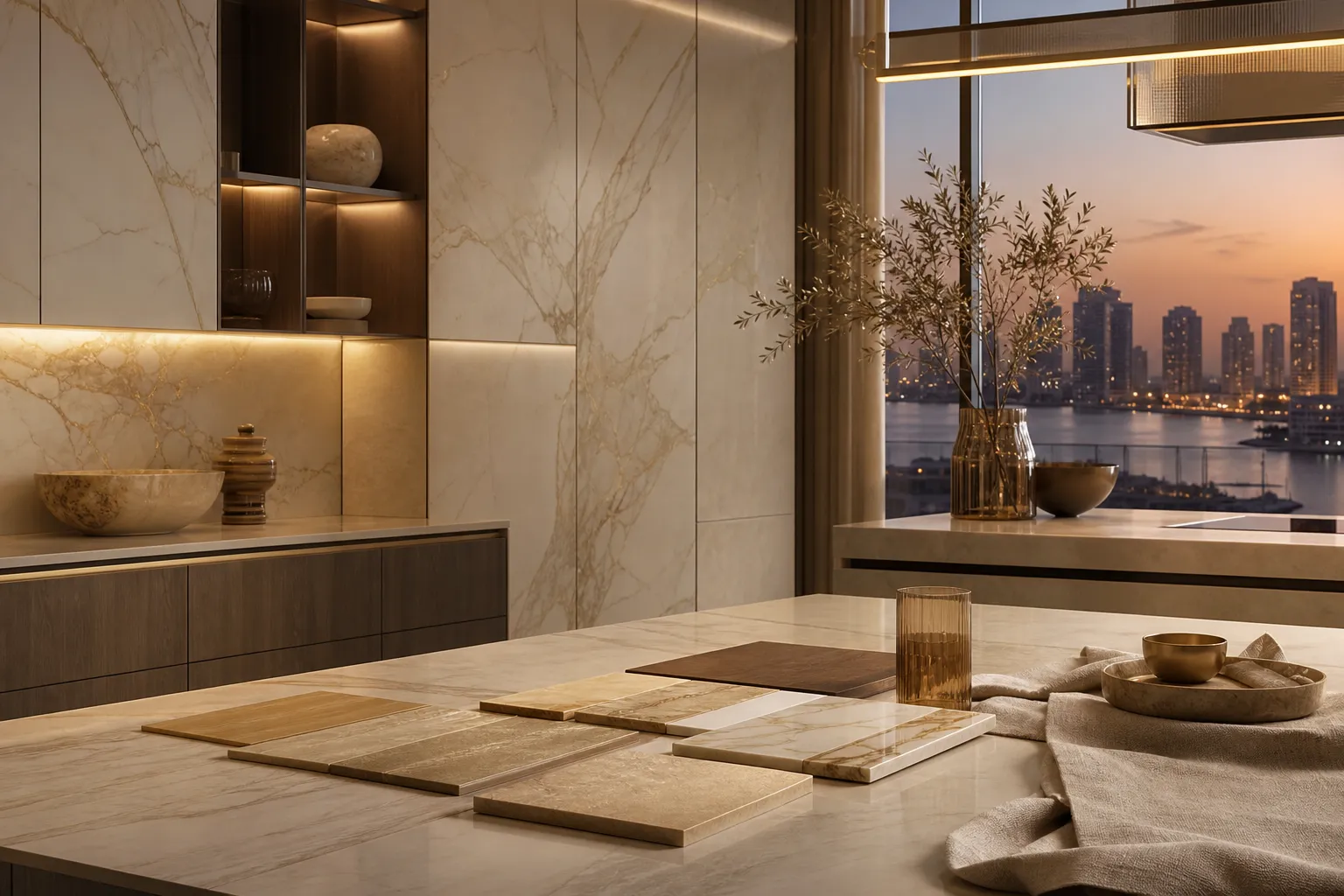
Modern cabinet finishes stay warm when the visual surface and the permanent body are treated as separate decisions. The visible surface can use walnut tones, pale stone, matte color, ribbed texture, or soft reflective panels to connect with furniture and architecture. The hidden structure should answer a different question: how does the cabinet survive water, steam, detergent, impact, and repeated cleaning? Buyers often make the mistake of judging modern cabinetry from a sample door alone. A sample door cannot show how the finish behaves across a 5 meter wall, how it reflects under evening lighting, or how it looks beside stone, flooring, and dining furniture. Build a finish board with at least 4 neighboring materials: cabinet front, counter, floor, and wall. Then view it in morning, afternoon, and warm evening light. If the palette still feels calm, the finish is doing its job. If it depends on one showroom spotlight, keep refining before production.
Which storage zones should modern cabinets include?
Modern cabinets should include storage zones by job rather than by leftover space. Start with daily cooking tools near the cooking point, then give prep items a home near the counter where they are actually used. Place dry goods where a full drawer can open without blocking the main aisle. Give cleanup supplies a closed wet-zone cabinet, and separate serving pieces from heavy cookware. A modern kitchen also needs a place for the things that normally ruin clean lines: chargers, pet bowls, water bottles, cutting boards, trays, coffee accessories, and recycling. If those jobs are not named, they will sit on the counter within 2 weeks. For a premium project, write the storage list before the cabinet count. This prevents a common mistake: too many identical wide drawers and too few dedicated tall or narrow functions. The goal is not more storage by volume alone; it is less visible friction in the daily routine.
When do modern kitchen cabinets need custom sizing?
Modern kitchen cabinets need custom sizing when the room has unusual proportions, a tall ceiling, a long island, a display wall, or a need to align with architecture. Standard cabinet sizes can work for simple remodels, but a high-end modern room often needs exact panel rhythm. A 20 mm reveal that looks minor on one cabinet becomes highly visible across an entire wall. Tall doors may need different internal divisions than they show outside. Island drawers may need different depths for cookware, serving pieces, and small appliances. Custom sizing also helps hide structural columns, align cabinet tops with door heads, or keep a ceiling shadow line continuous. Use standard dimensions where they protect function and service access, then customize the visible rhythm where architecture demands it. The practical test is simple: if a cabinet size forces a weak filler strip, a blocked appliance door, or a broken sightline from the dining room, it is not the right size.
How should lighting be planned with modern cabinets?
Lighting should be planned with modern cabinets as part of the cabinet system, not as decoration added after installation. Clean fronts and large stone planes can look flat if the room has only ceiling downlights. A better plan uses task light at prep zones, soft light inside selected display niches, toe or under-counter glow where it clarifies movement, and warmer ambient light for dining. The cabinet finish matters here. Pale glossy surfaces can create glare; dark matte surfaces can absorb too much light; glass display sections can double every bright point in the room. Test the cabinet finish under the same color temperature planned for the home. Fadior projects often use motion, door-touch, or remote lighting ranges from 3000K to 6000K, so the specification should state which zones need warm evening light and which need clear prep visibility. Lighting is one of the fastest ways to make modern cabinetry feel residential rather than showroom-flat.
Which cabinet body specification matters most?
The cabinet body specification matters most because it is the layer that carries moisture, weight, cleaning, and long-term alignment. Door style is easy to discuss; body performance is easier to forget. In wet kitchens, family kitchens, coastal homes, and homes with heavy entertaining, the cabinet body sees more stress than the visible panel. Fadior uses 304 stainless steel cabinet bodies because the material supports waterproof performance, hygiene, and long service life. The article stays with 304 only because that is the brand rule and the relevant residential specification here. Buyers should still ask practical body questions: what is the panel thickness, how are corners formed, how is the counter supported, where can water escape, and how is the cabinet cleaned after installation? A modern cabinet line should not rely on delicate boards near sinks, dishwashers, or wet cleanup zones. The modern look is strongest when the hidden structure is more serious than the surface suggests.
How do you compare modern cabinet options before ordering?
Compare modern cabinet options with a table that separates appearance, structure, storage, and service. Do not compare only 3D renderings. A rendering can make almost any cabinet wall look calm, but it does not prove drawer access, cleaning behavior, glare, pantry capacity, or long-term service access. Ask each supplier for a finish sample, body material explanation, drawer and hinge specification, lighting plan, moisture strategy, and installation tolerance. Then compare those answers against the way the household actually cooks. A family that hosts weekly dinners needs a different cabinet plan from a single owner who wants a quiet coffee bar and minimal cleanup. A villa with staff support needs back-of-house storage clarity. A compact apartment needs fewer display zones and more concealed daily tools. The winner is the option that keeps the room calm under use, not the one with the most dramatic showroom photo.
What should be checked before production drawings are approved?
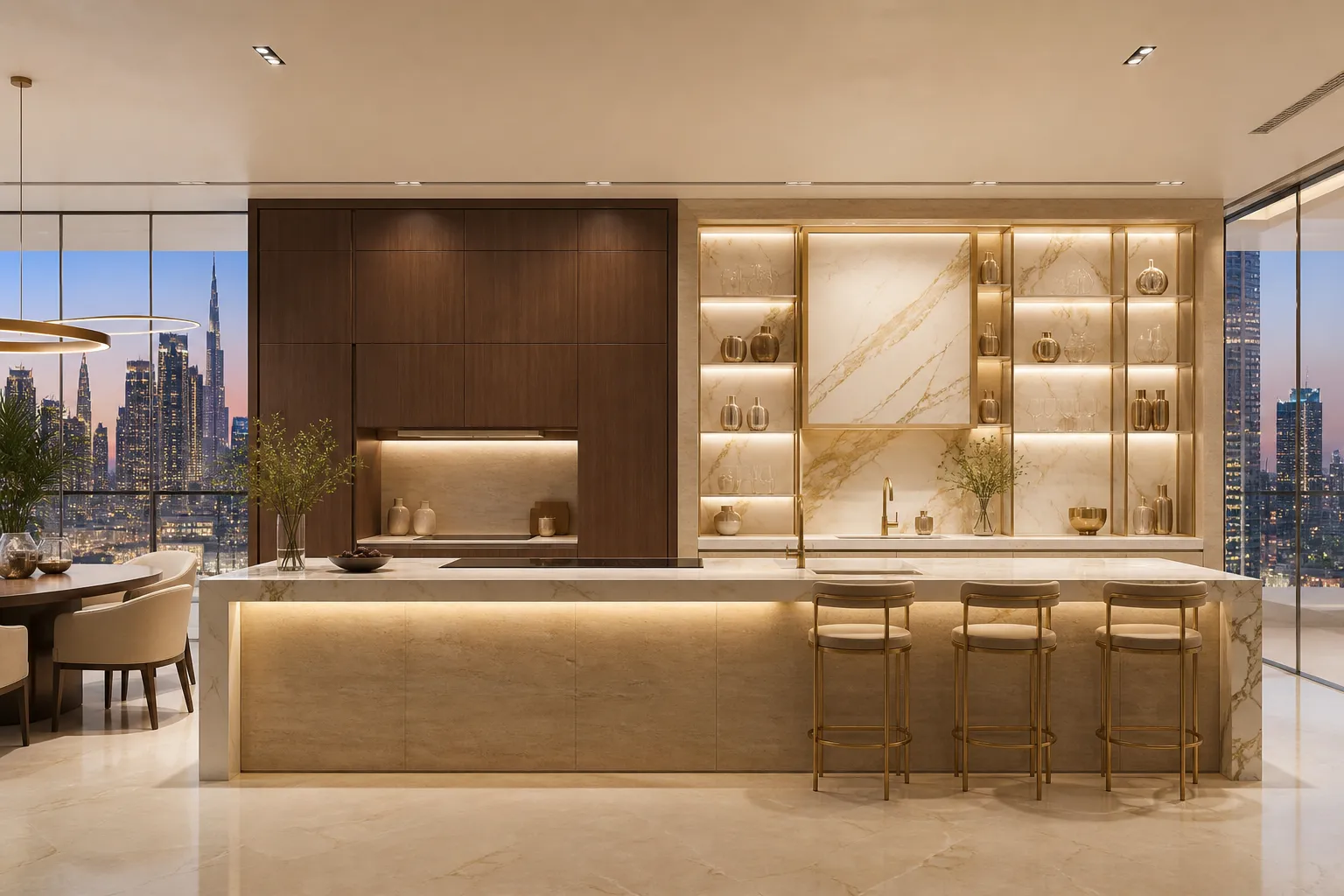
Before production drawings are approved, check the cabinet package as a complete room. Confirm all appliance door swings and drawer extensions. Confirm the island overhang, stool count, and walkway width. Confirm tall storage divisions, wet-zone cabinet bodies, cleaning access, lighting controls, and any display shelving. Confirm where small appliances live when they are not in use. Confirm whether the finish direction, grain, or panel pattern changes across doors. Confirm that the cabinet wall still looks balanced from the dining table and living room, not only from the kitchen entry. Finally, confirm after-sales access: filters, valves, sockets, water lines, lighting drivers, and movable shelves should not require dismantling the kitchen. This review is not bureaucracy. It is the last affordable moment to fix modern cabinetry before small planning errors become permanent daily irritations.
How should modern cabinets support open-plan living?
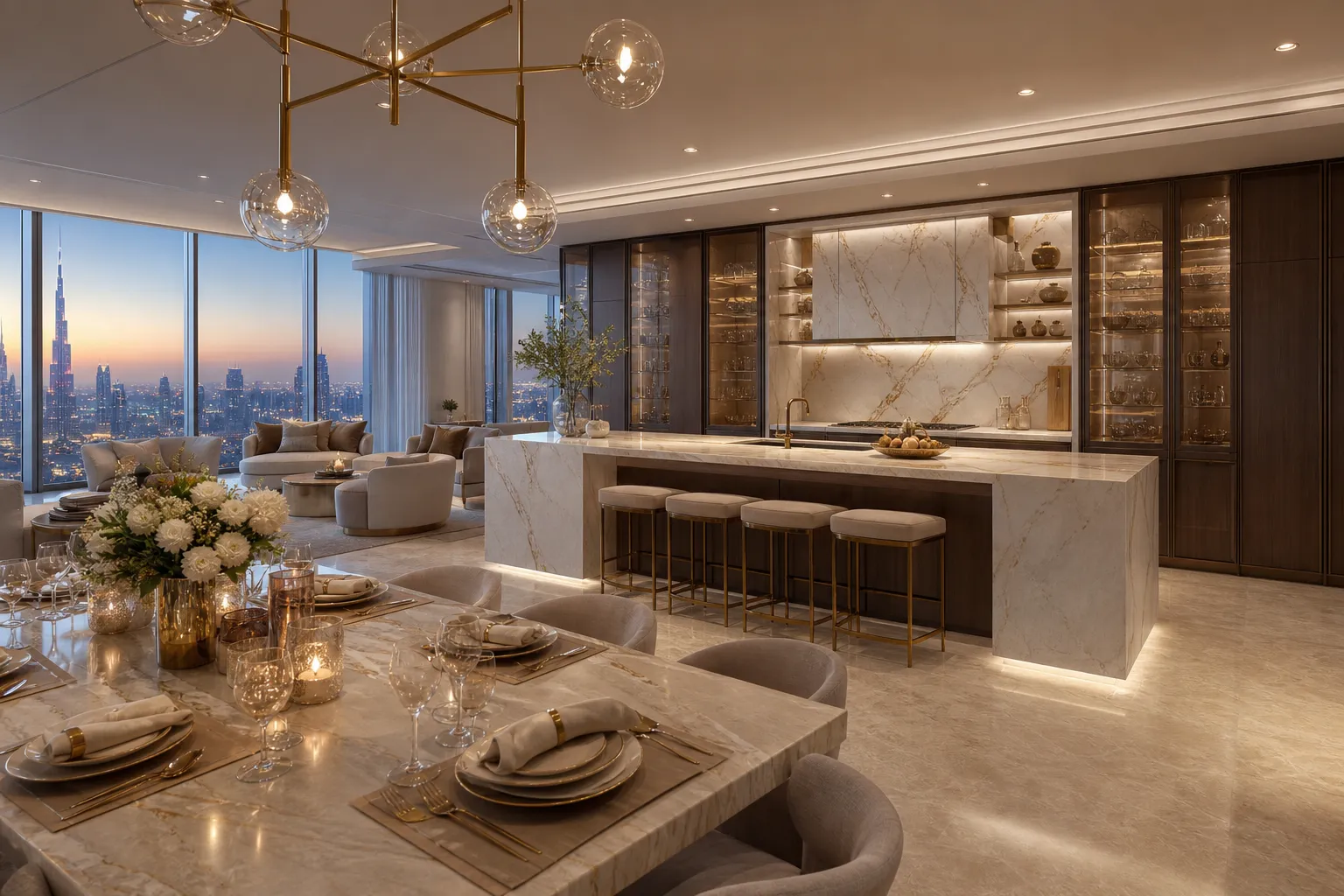
Modern cabinets in an open-plan home have to work as furniture and infrastructure at the same time. From the dining table, the cabinet wall should read as calm architecture: aligned panels, controlled lighting, limited visual clutter, and finishes that sit comfortably beside sofas, rugs, and artwork. From the cooking side, the same wall must carry practical loads. It may need pantry storage, a coffee station, a warming drawer, tall trays, cleaning tools, a waste sequence, and space for occasional serving pieces. The best open-plan cabinet design uses quiet exterior rhythm with more specific interior planning. This is where modern cabinetry often succeeds or fails. If every door hides a generic shelf, the room may look beautiful on day one and become chaotic by week three. If each zone has a task, the kitchen can stay visually calm without asking the household to live unnaturally. For high-end apartments, also check acoustics and reflection: large hard planes can amplify sound unless soft dining, lounge, or textile elements balance the room.
What mistakes make modern kitchen cabinets age quickly?
Modern kitchen cabinets age quickly when the design depends on a single fashionable surface and ignores daily wear. Ultra-dark fronts can show dust and fingerprints if the finish is wrong. Highly reflective doors can double every pendant, appliance, and countertop object. Oversized doors can sag or feel heavy if the internal support is not specified. Open display shelves can look elegant in renderings but collect visual noise unless the homeowner owns the right objects and keeps them edited. Another mistake is under-planning small appliances. A toaster, coffee grinder, rice cooker, blender, or water filter will find the counter if it has no assigned home. The fastest way to protect a modern kitchen is to specify storage for the unglamorous objects first. Put beauty on top of solved routines. Also avoid copying showroom spacing without checking the home. A cabinet wall that works in a 500 square meter villa may overwhelm a compact apartment, while a minimalist apartment solution may not store enough for a family that hosts every weekend.
How can Fadior make modern cabinetry feel durable and residential?
Fadior can make modern cabinetry feel durable and residential by separating the structural promise from the visual mood. The structural promise is the 304 stainless steel cabinet body, waterproof performance, hygiene, and long-service engineering. The visual mood can be warmer: wood-grain finishes, stone counters, PVD tones, matte color, glass display, textile seating, and layered light. This separation helps a buyer avoid a false choice between durability and comfort. The cabinet does not need to look industrial to behave seriously. In a family kitchen, the durable layer supports cleaning, wet zones, heavy cookware, and years of drawer movement. In the living space, the visible layer supports calm. The most convincing modern Fadior kitchen should therefore be judged twice. First, inspect the body, corners, counter support, water behavior, and service access. Second, view the finished room from dining and lounge positions. If both tests pass, the kitchen has moved beyond a trend image into a real specification.
What is the simplest decision sequence for buyers?
The simplest decision sequence is route, body, storage, finish, light, then elevation. Start with the route because circulation errors are expensive and obvious after installation. Confirm the body because it defines long-term resilience in wet and high-use zones. Assign storage because modern kitchens only stay clean when every daily object has a destination. Choose finishes after those decisions so the palette supports the actual room instead of hiding unsolved problems. Plan lighting next because surfaces change dramatically under different color temperatures and reflections. Only then approve the final elevation. This sequence may feel slower than choosing a style first, but it reduces expensive changes. It also gives the designer a clearer brief: the kitchen should look modern because its logic is modern, not because it imitates a flat-panel picture. Buyers who follow this order usually make fewer compromises during production drawings and fewer apologies after move-in.
Which finish tests should a homeowner request?
A homeowner should request finish tests that match the way the kitchen will actually be used. First, view the cabinet sample next to the counter, floor, wall color, and dining furniture, because a modern kitchen usually reads as one continuous room. Second, test fingerprints and water marks with the type of cleaning cloth the household will use. Third, look at the sample under both 3000K warm light and cooler task light, because a finish that feels elegant at noon can look flat or harsh at night. Fourth, ask how corners, exposed ends, and tall doors are finished; weak edge details make modern cabinets age faster than decorative details do. Fifth, review a larger sample if possible. Small chips hide repetition, glare, and directional pattern changes. These tests do not slow the project; they prevent costly production drawings from being approved around a surface that only worked in a showroom.
How should modern cabinets handle appliances?
Modern cabinets should handle appliances by deciding which appliances are architectural, which are daily tools, and which should disappear. A refrigerator column, oven stack, or wine cabinet can become part of the cabinet rhythm when its height, handle line, and neighboring panels are planned early. Small appliances need a different strategy. Coffee machines, rice cookers, toasters, mixers, and water systems should not be treated as afterthoughts, because they are often the first objects to break a clean counter. Use an appliance garage, pocket-door zone, tall pantry shelf, or dedicated counter recess only when ventilation and access are real. Also check the service side: water filters, sockets, drainage, and heat clearance need reachable locations. A modern kitchen should not ask the owner to choose between beauty and practical use. The appliance plan is where that promise becomes visible.
What makes a cabinet wall look genuinely modern?
A cabinet wall looks genuinely modern when proportion, shadow, and repetition are controlled. The eye notices small inconsistencies across large simple planes: one awkward filler, one misaligned vertical reveal, one display niche that is too bright, or one upper door that breaks the ceiling line. Modern design therefore rewards restraint and precision. Keep the number of front types limited. Align tall panels with appliances and adjacent architecture where possible. Use display glass or open shelving only where the contents will stay intentional. Let one material carry the main rhythm, then use stone, texture, or light as punctuation rather than constant decoration. This approach also helps SEO readers understand the practical point: modern kitchen cabinets are not defined by emptiness. They are defined by fewer, better-resolved decisions. The room should feel quiet because the specification is complete, not because the rendering removed the evidence of daily life.
| Layout fit | Drawer swings, appliance doors, island route, dining sightline | Prevents a clean elevation from becoming awkward in daily use. |
| Visible finish | Color, texture, glare, sample size, evening light behavior | Keeps the modern room warm and residential. |
| Cabinet body | 304 stainless steel body, water behavior, cleaning access | Protects the permanent structure behind the finish. |
| Storage jobs | Cooking, prep, dry goods, cleanup, serving, small appliances | Stops counter clutter from returning after move-in. |
| Lighting | Task, display, ambient, and night movement layers | Makes flat modern planes feel usable and dimensional. |
Pre-order specification checklist
- Map refrigerator-to-prep, prep-to-cooking, cooking-to-serving, and cleanup routes on one plan.
- Confirm all appliance doors, drawers, stools, and cabinet doors can open without blocking the main aisle.
- Assign every storage zone by job: cooking, prep, dry goods, cleaning, serving, or small appliances.
- View cabinet, counter, floor, and wall samples together in morning, afternoon, and evening light.
- Specify 304 stainless steel cabinet bodies for wet, high-use, and long-service kitchen zones.
- Confirm lighting color temperature, controls, and service locations before production drawings.
- Check panel rhythm, filler strips, grain direction, reveal widths, and sightlines from dining areas.
- Record access points for valves, sockets, filters, lighting drivers, and adjustable shelves.
Frequently Asked Questions
Questions this guide answers
- Are modern kitchen cabinets always handle-free?
- No. Many modern kitchen cabinets use handle-free fronts, but the real modern quality is disciplined proportion, clean storage, and a cabinet system that supports daily use. Slim pulls, recessed channels, or integrated grip details can still feel modern when they protect function and keep the room visually quiet.
- What is the best material for modern kitchen cabinet bodies?
- For Fadior projects, the cabinet body specification is 304 stainless steel. It supports waterproof performance, hygiene, and long service life in wet and high-use kitchen zones. Visible finishes can be warmer or softer, but the permanent body should answer durability and cleaning requirements.
- How do I keep modern kitchen cabinets from feeling cold?
- Use finish warmth, lighting, and proportion together. Pair calm cabinet planes with stone, wood-tone surfaces, soft upholstery, and warm evening light. Also avoid over-polishing every surface. A modern room feels residential when tactile finishes and storage planning reduce visual noise.
- Should modern cabinets reach the ceiling?
- Ceiling-height cabinets work when the room can support the vertical mass and the upper storage has a real job. In smaller rooms, a shadow gap or mixed-height composition may feel lighter. The decision should follow ceiling height, ventilation, access, and the view from adjacent rooms.
- How many internal links should a modern cabinet article include?
- For this Fadior journal article, internal links point readers toward cabinet sizing, custom cabinet specification, renovation cost, island planning, finish guidance, products, projects, and contact routes. The goal is contextual navigation, not generic link stuffing.
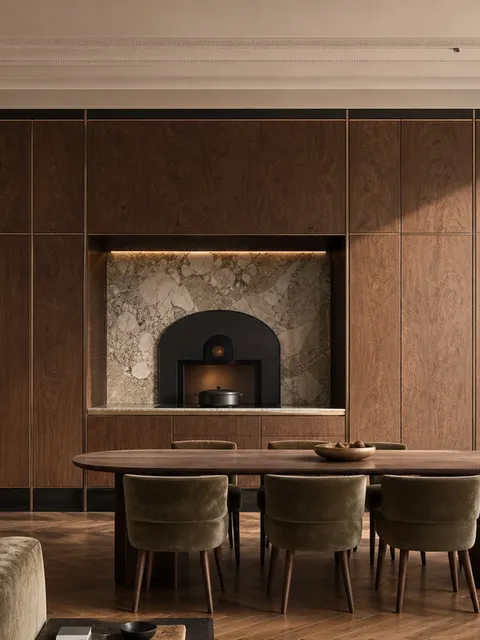
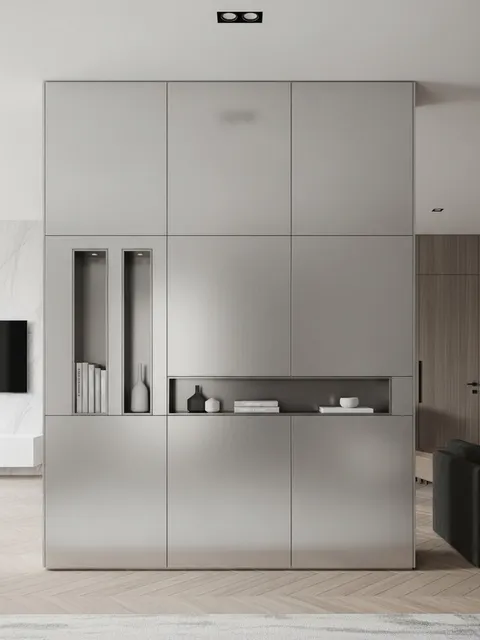
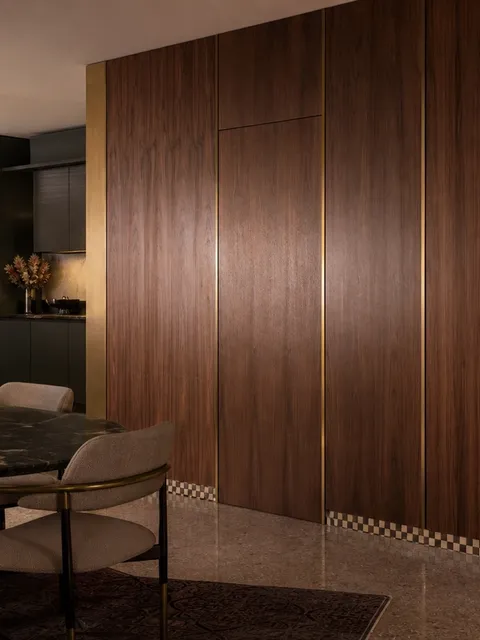
Related products
Specific products worth reviewing next.
References
Authoritative sources cited in this article
- https://kb.nkba.org/research/nkba-kbis-2026-kitchen-trends-report/
- https://nkba.org/press/nkba-kbis-releases-annual-2026-kitchen-trends-report/
- https://www.houzz.com/magazine/10-kitchen-remodeling-trends-to-know-for-2026-stsetivw-vs~184007085
- https://www.livingetc.com/ideas/kitchen-storage-trends-for-2026
- https://www.fadiorhome.com/about
Editorial transparency
Marco Rinaldi is a composite editorial persona maintained by Fadior Home's editorial team. Articles attributed to this byline are produced through an AI-assisted editorial workflow with human review, and represent the consolidated voice of multiple researchers and contributors.
Actually delivered
Real homes photographed after handover, not renders.
Ready to specify?