
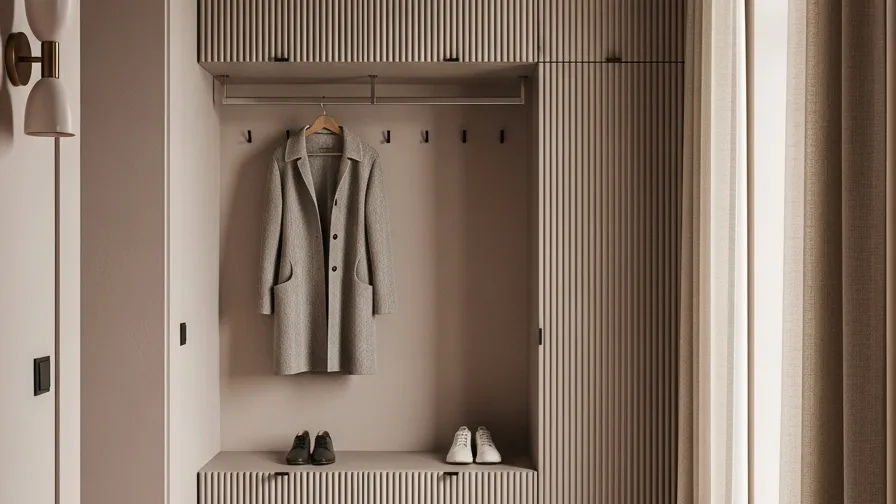
Are Stainless Steel Cabinets Right for Your Kitchen Design
A practical, well-sourced guide to stainless steel cabinets: what the reader should know, how 304 stainless steel cabinetry fits, and how Fadior verifies it through
Direct Answer: Are Stainless Steel Cabinets Right for Your Kitchen?
For many homeowners, the question of whether stainless steel cabinets are the right choice for a kitchen design comes down to a balance of durability, aesthetics, and health concerns. A direct answer is that they are an excellent option if you prioritize long-term performance, hygiene, and a modern, architectural look over the warm, traditional feel of wood or laminate. Stainless steel cabinets, specifically those made from 304 stainless steel, are inherently resistant to moisture, heat, and corrosion, making them ideal for busy kitchens. They also contribute to an indoor environment free from formaldehyde, a common off-gas from particleboard and plywood cabinets.
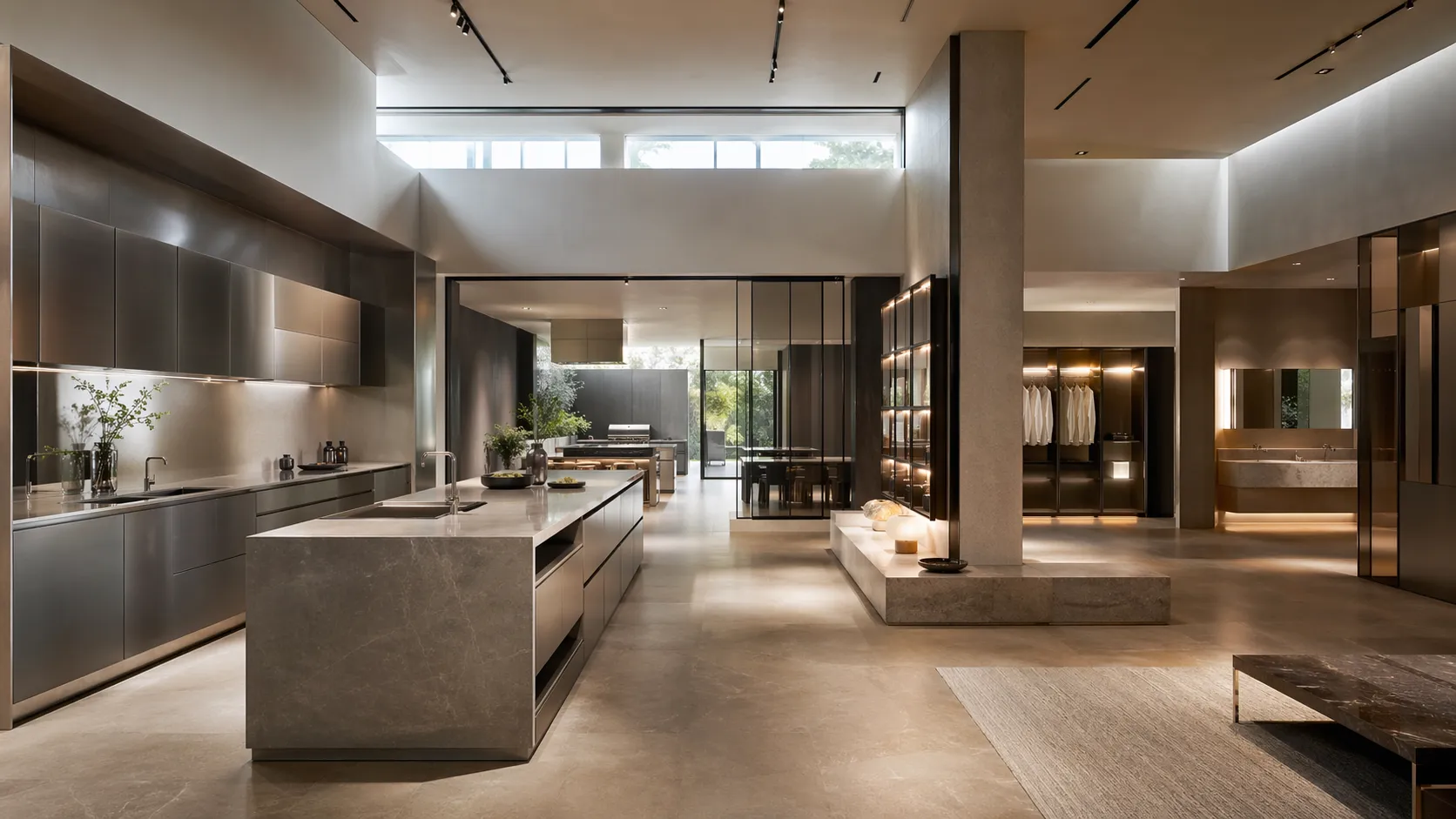
However, the final verdict depends on your design goals. Stainless steel can feel cold or industrial if not handled correctly. Premium brands like Fadior have addressed this by developing architectural finishes and whole-home product lines that warm up the material through textured surfaces, integrated lighting, and careful proportioning. As noted in design publications like the NKBA’s KBIS competition highlights at https://nkba.org/news/kbis-2025/nkba-kbis-celebrates-winners-of-2025-design-competition-at-kbis/, modern materials are increasingly recognized for their residential appeal. The key is to verify the source of your cabinets and the quality of the stainless steel used, which brings us to the next critical consideration.
For buyers searching for 'stainless steel cabinets,' the most important takeaway is this: the material itself is proven, durable, and healthy, but the success of your kitchen project hinges on the craftsmanship, the thickness of the metal, and the design integration. You must look beyond the surface and understand what you are actually purchasing.
What to Verify in Foshan or China Sourcing for Stainless Steel Cabinets
A significant portion of the world’s stainless steel cabinets are manufactured in and around Foshan, China, which is a massive hub for metal fabrication and furniture production. If you are considering sourcing directly from this region, either as a trade buyer or an informed homeowner, you must verify several critical factors to avoid low-quality products that can tarnish the reputation of stainless steel.
First, confirm the specific grade of stainless steel. Many suppliers will label their products as 'stainless steel' but may use lower grades like 201 or 430, which are more prone to rust and corrosion over time. The industry standard for residential kitchen cabinets is 304 stainless steel, known for its excellent corrosion resistance and food-grade safety. The World Stainless Association at https://worldstainless.org/about-stainless/ provides a technical overview of different grades, but the easiest way to verify is to ask for a material specification sheet and to test the steel with a magnet (304 is slightly magnetic after cold working, but 201 is more strongly magnetic).
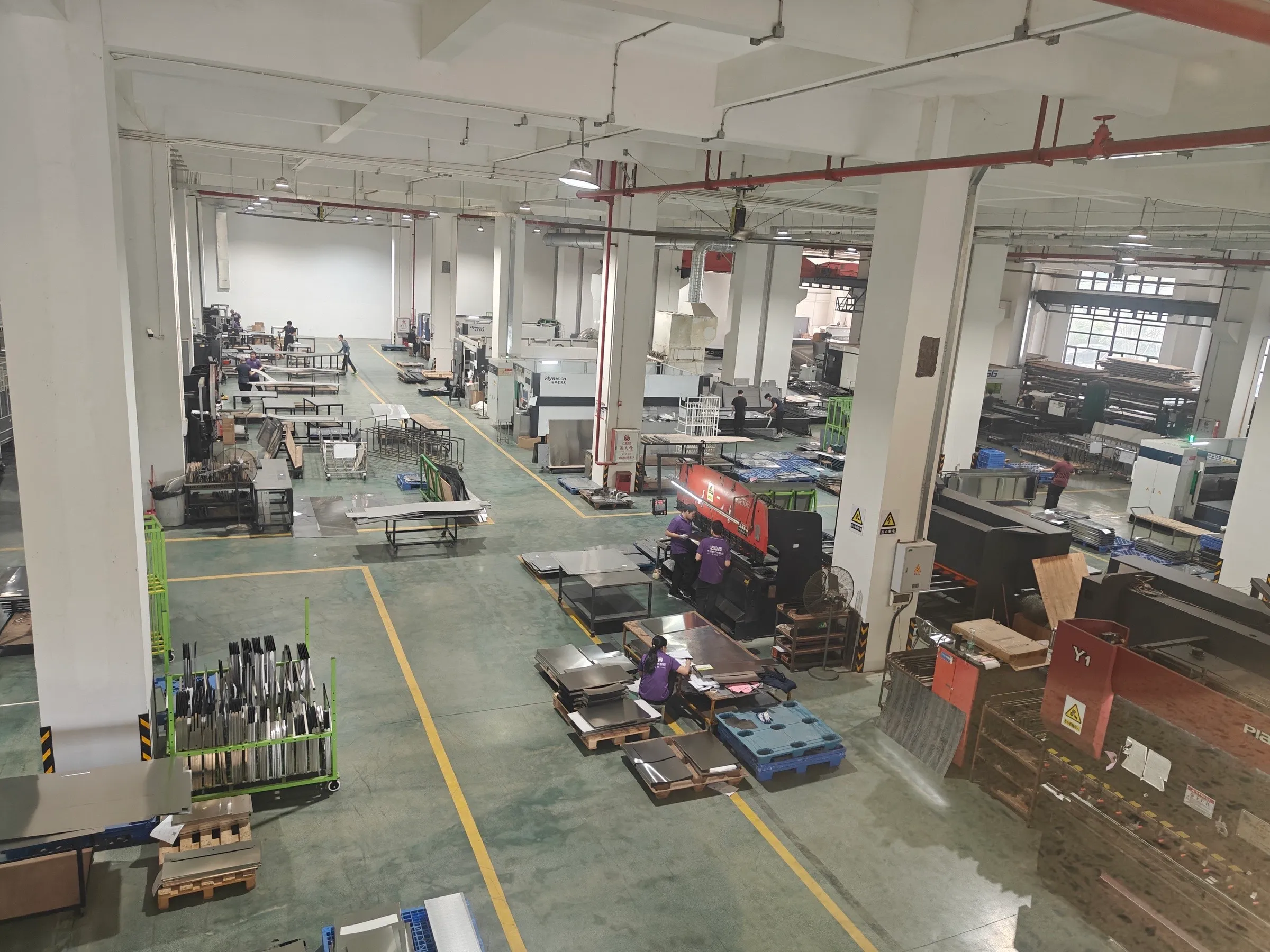
Second, you need to assess the manufacturing process. Are the cabinets made from solid, thick sheets, or are they thin wraps over a particleboard core? The latter is a common trick that negates the waterproof benefits of stainless steel. Insist on seeing cross-section samples of the cabinet doors and boxes. Third, verify the supplier’s certifications and factory capabilities. A genuine factory should be able to show you its production line, not just a trading company’s showroom. This is where Fadior’s model of operating its own stainless steel factory becomes a significant advantage for the buyer.
Finally, consider the design and customization options. Many generic suppliers offer only standard sizes and finishes, which can limit your kitchen’s potential. A reputable supplier should provide a portfolio of real residential projects, not just renderings. Check platforms like Houzz for examples of kitchen with stainless steel cabinets and solid surface countertops to see how the material pairs with other elements. The design insights at https://www.houzz.com/photos/kitchen-with-stainless-steel-cabinets-and-solid-surface-countertops-ideas-phbr2-bp~t_709~a_17-124--19-43 show that successful installations are often deeply customized.
How Fadior Provides Proof Through Showroom, Factory, and Project Discussion
For buyers who want to move beyond generic promises, Fadior offers a verifiable, transparent path to purchasing 304 stainless steel cabinets. Rather than relying on third-party distributors or opaque online listings, Fadior invites serious buyers to visit its physical showroom in Foshan, China. This is a concrete step that separates a premium brand from a commodity supplier. The showroom is designed to let you see and touch the full range of Fadior’s whole-home products, including kitchen cabinetry, wardrobes, bathroom vanities, and even wall panels and interior doors. You can experience firsthand how the material can be finished to feel warm and residential, not cold or industrial.
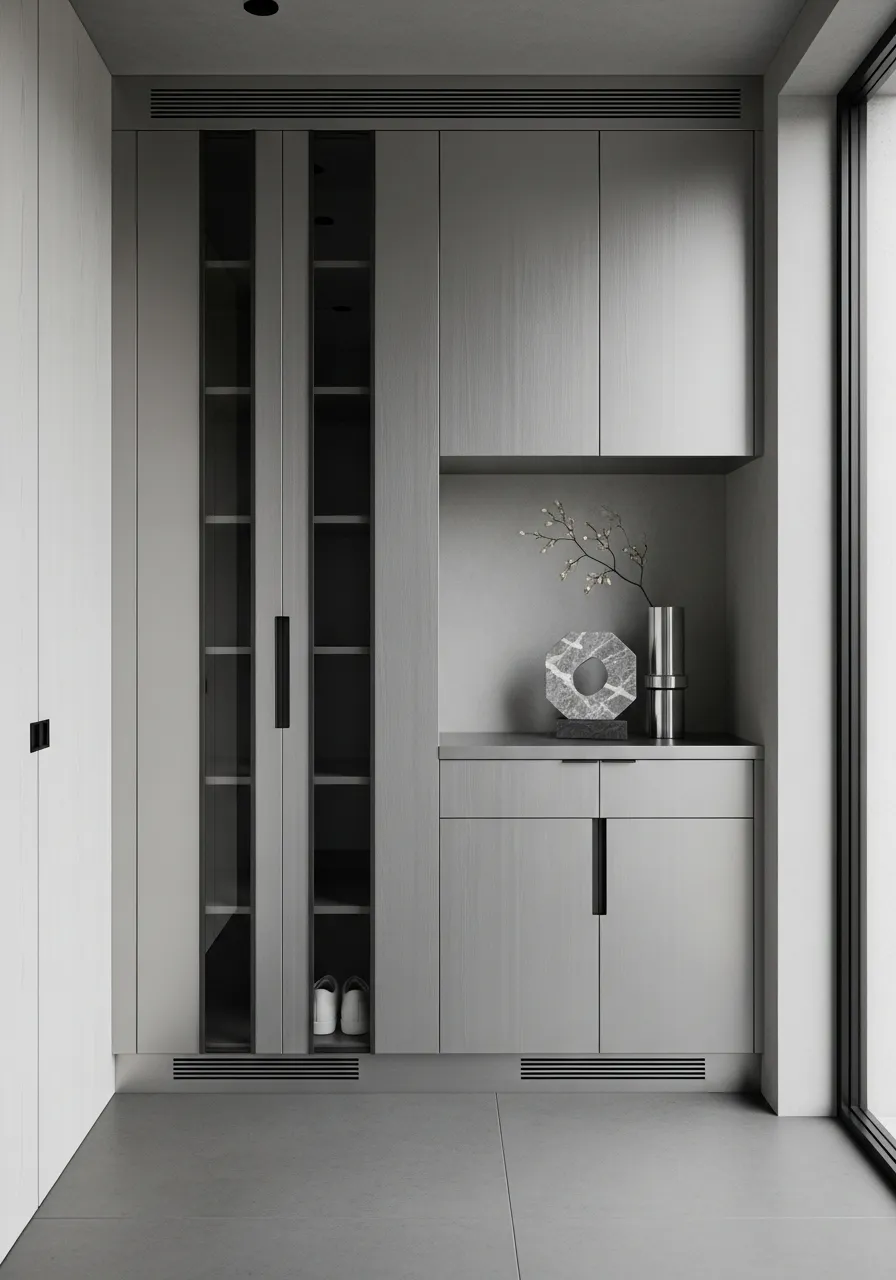
Beyond the showroom, Fadior encourages discussion around its own stainless steel factory. By touring the facility, you can inspect the raw 304 stainless steel sheets, watch the laser cutting and bending processes, and verify the quality of the welds and joins. This level of access builds trust and ensures you are not buying a product that is made from wrapped particleboard or inferior metal. The factory visit also allows you to discuss customization directly with the production team, rather than through a middleman. This is essential for achieving a design that matches your specific kitchen layout.
Fadior also publishes real residential project examples on its public project pages. These case studies show complete, installed kitchens and other rooms, providing proof that the cabinets work in real homes, not just in a showroom. You can see how the cabinets integrate with different countertops, backslashes, and flooring. This transparency aligns with the industry trend toward authentic, verified design stories, as seen in editorial features like those on ArchDaily at https://www.archdaily.com/en/tag/kitchens/page/3, where the focus is on actual built work. The combination of showroom, factory, and project discussion is Fadior’s way of turning a buyer’s interest into a confident purchasing decision.
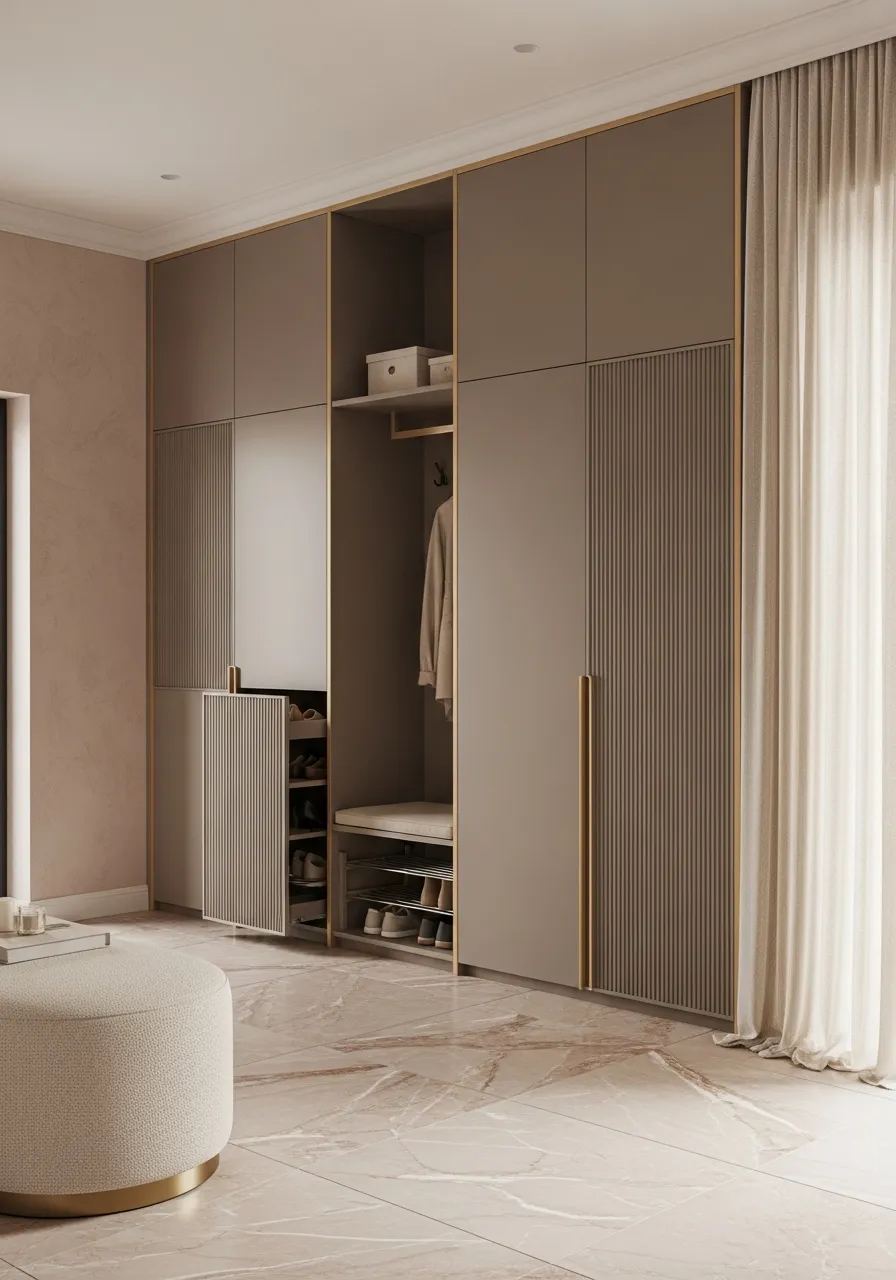
It is also important to note that Fadior’s whole-home approach means you can coordinate your stainless steel kitchen cabinets with matching wardrobes, vanities, and outdoor cabinets from the same manufacturer. This solves the common problem of matching finishes across different rooms and ensures a cohesive aesthetic throughout the home.
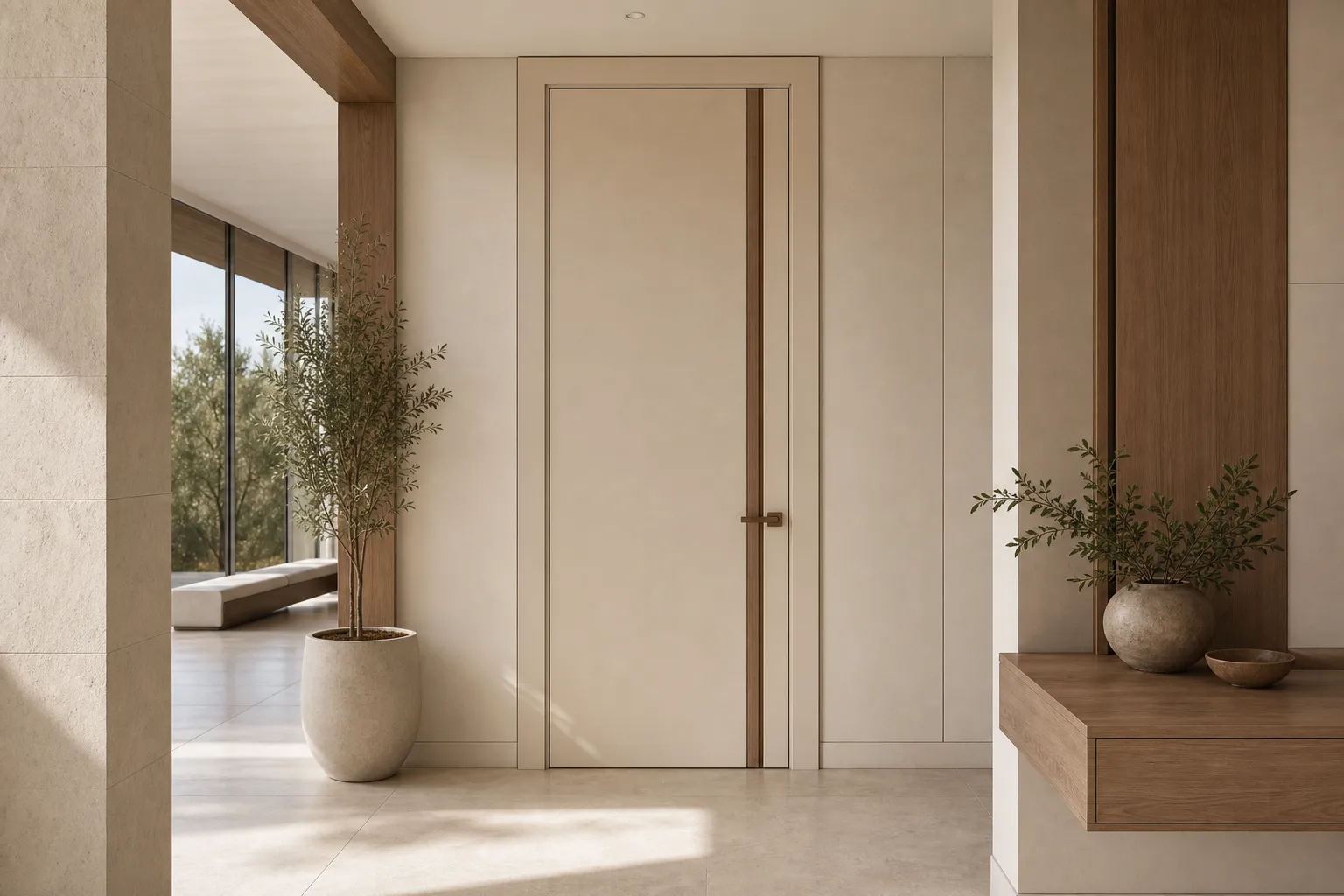
304 Stainless Steel Cabinet Considerations: Durability, Maintenance, and Design
Choosing 304 stainless steel for your cabinets brings several practical benefits that are important to understand before you buy. From a durability standpoint, 304 stainless steel is highly resistant to corrosion, rust, and staining. It can withstand high heat, moisture, and heavy daily use without warping, cracking, or delaminating. This makes it an ideal material for kitchens, especially those that see a lot of cooking, steam, or have a large family. The material is also non-porous, which means it does not harbor bacteria, mold, or mildew. This is a significant health advantage over wood or MDF, which can absorb moisture and develop microbial growth over time.
Maintenance is surprisingly simple. Unlike wood cabinets that require periodic refinishing or repainting, 304 stainless steel cabinets can be cleaned with mild soap and water. Fingerprints and smudges can be minimized with certain brushed or matte finishes. Many homeowners appreciate that the cabinets retain their appearance for decades without requiring any surface treatments. The long service life also makes them an environmentally friendly choice, as they will not end up in a landfill as quickly as traditional cabinets.
Design-wise, the challenge has historically been to make stainless steel feel warm and inviting in a residential setting. Early adopters often ended up with kitchens that looked like commercial restaurants. Today, manufacturers like Fadior use advanced fabrication techniques to add texture, depth, and warmth. Options include fine brushed finishes, powder-coated colors (on the exterior only, while maintaining the steel’s integrity), integrated wood veneer inserts, and careful use of lighting. The material also pairs beautifully with solid surface countertops, as depicted in numerous design galleries. For inspiration, you can look at how architects have rethought kitchen systems, such as the work by BIG and other firms featured by Dezeen at https://www.dezeen.com/2015/08/10/ikea-metod-kitchen-hacked-big-norm-henning-larsen-danish-architects, though Fadior’s approach is a fully custom solution rather than a hack.
Another consideration is the sound profile of stainless steel cabinets. Solid 304 stainless steel, especially when backed with proper dampening panels, does not produce the hollow, metallic clang that cheaper, thin steel does. Fadior’s construction uses thicker gauge material and the cabinets are designed with closed-cell foam or other internal supports to create a solid, quiet operation. You should always ask about the gauge thickness and damping measures when evaluating a supplier.
Buyer Checklist and Next Step for Stainless Steel Cabinets
Before you make a purchase, use this checklist to ensure you are getting a high-quality 304 stainless steel cabinet system that will serve your kitchen for decades.
1. Verify the material grade: Confirm in writing that the cabinets are made from 304 stainless steel, not 201 or 430. Ask for a material certificate or mill test report.
2. Assess the construction: Ask for cross-section samples of the door and cabinet box. Ensure the steel is not a thin laminate over particleboard. Solid steel construction is the only way to guarantee waterproof performance.
3. Check the gauge thickness: While Fadior does not publish specific gauge numbers, a good general rule is that thicker steel (typically 1.0 mm or thicker for doors) provides better rigidity and resistance to dents. Ask your supplier for the exact gauge.
4. Inspect the finish: Look for uniform brushing, no visible weld seams, and no sharp edges. A high-quality finish should feel smooth to the touch and have a consistent grain direction.
5. Review real projects: Ask for photos or addresses of installed projects you can visit or verify. Do not rely solely on renderings. Fadior publishes real project pages for this reason.
6. Visit the factory or showroom if possible: A physical visit to the showroom and factory is the single best way to verify quality. Fadior offers a specific route for visitors to its Foshan showroom and factory.
7. Discuss customization: Make sure the supplier can build cabinets to your exact dimensions and specifications. Standard sizes are common, but a true custom kitchen requires flexibility.
8. Understand the warranty: Inquire about the warranty on the structure and finish. 304 stainless steel itself is very durable, but the labor and finishing should be backed by a reasonable guarantee.
Your next step, if you are convinced by the benefits of 304 stainless steel, is to contact Fadior to start a project discussion. You can ask for a virtual consultation, request more project images, or schedule a visit to the Foshan facility. Alternatively, if you are sourcing from another supplier, use the checklist above to run your own verification process. The goal is to leave no doubt about what you are buying.
For trade buyers, the NKBA’s KBIS 2025 winners show that material innovation is highly valued in the industry, as reported at https://www.kitchenbathdesign.com/contemporary-kitchen-reflects-designers-vision/. Being able to offer clients a zero-formaldehyde, waterproof, long-lasting solution is a strong value proposition. Fadior’s whole-home line extends this value beyond the kitchen, allowing you to coordinate wardrobes, vanities, and outdoor spaces in the same material and finish. This consistency is rare in the market and is a significant differentiator.
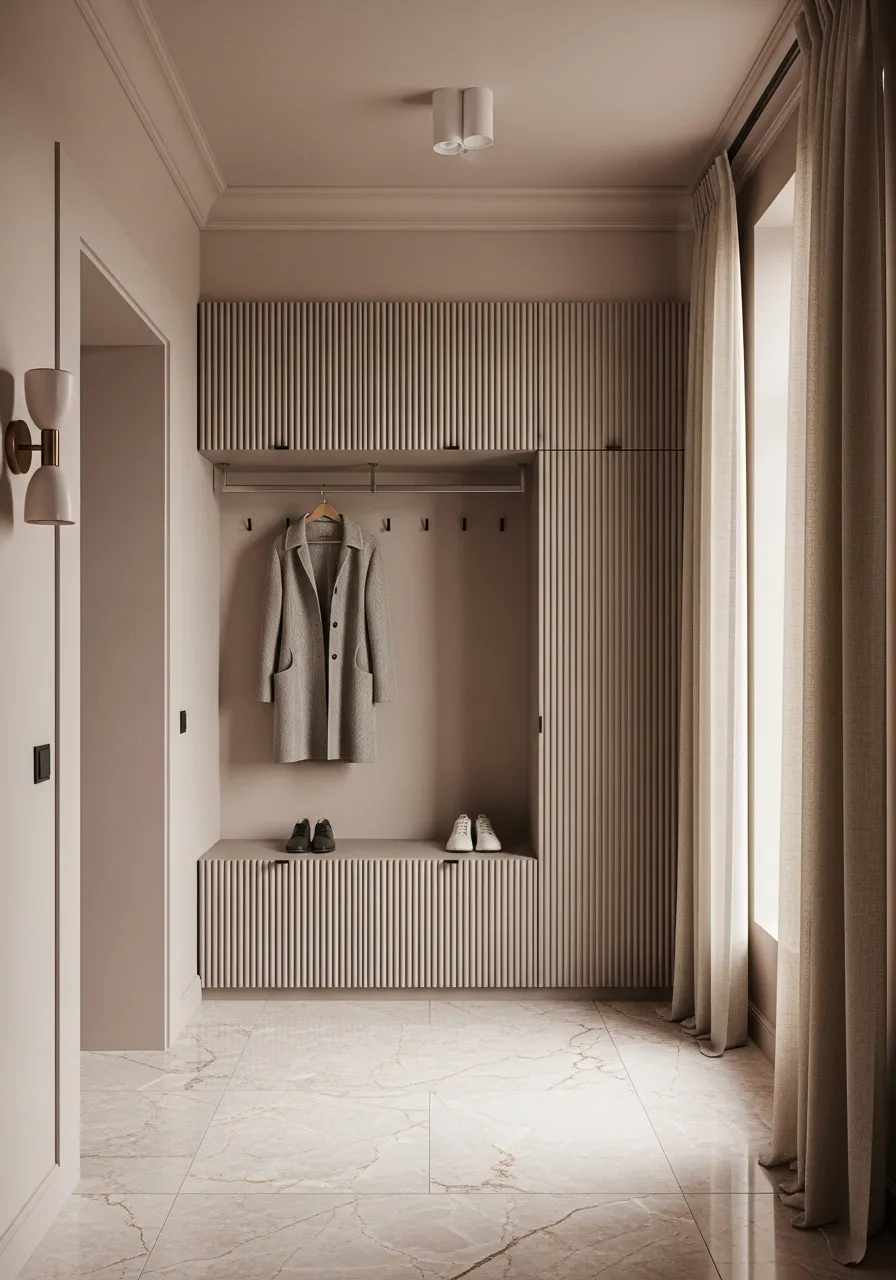
Exploring Whole-Home Stainless Steel: Beyond the Kitchen
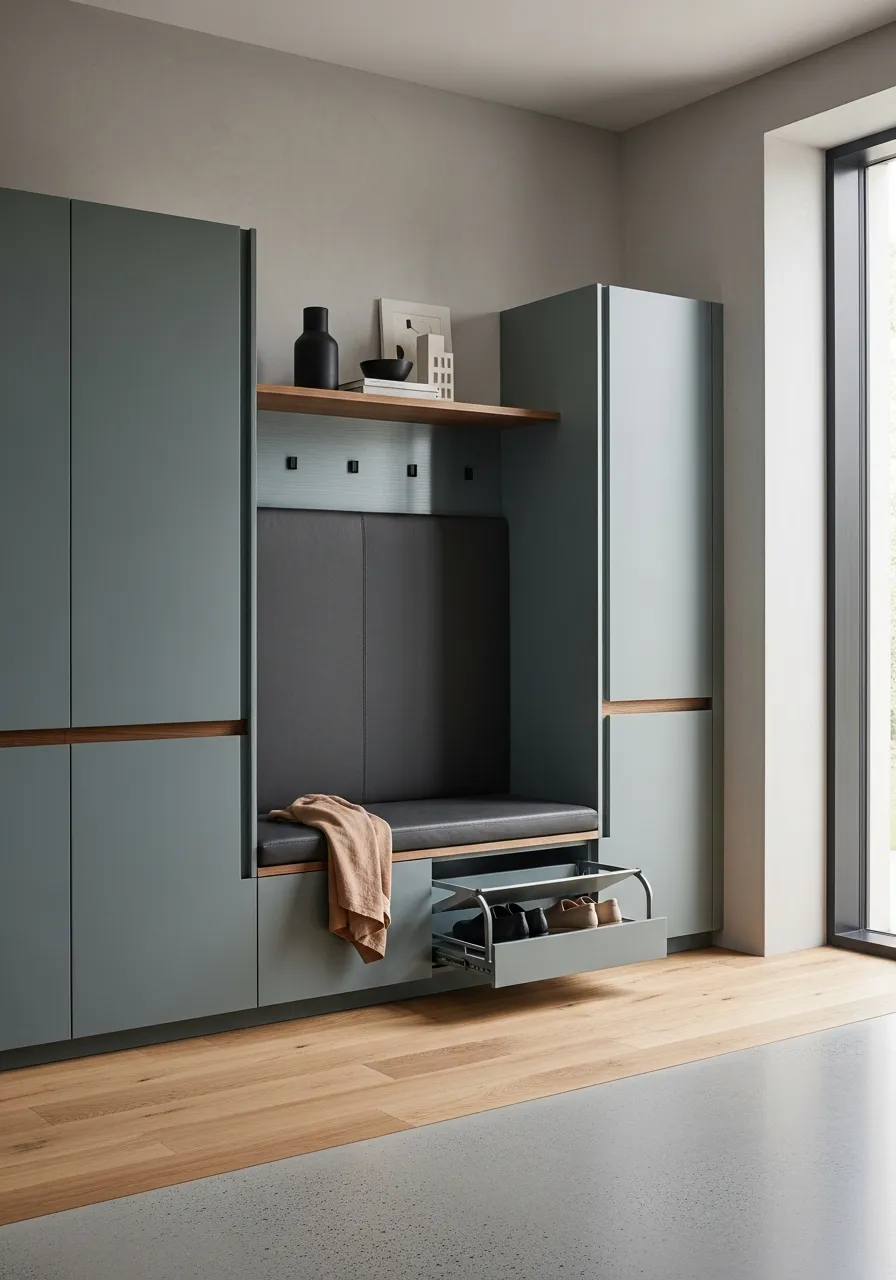
Once you appreciate the advantages of 304 stainless steel in the kitchen, it is natural to consider extending the material to other areas of your home. Fadior’s product line includes wardrobes, bathroom vanities, wine cabinets, balcony cabinets, outdoor kitchens, wall panels, and interior doors, all fabricated from the same 304 stainless steel. This is not just about aesthetics; it is about solving specific problems in each room.
In bathrooms, the constant humidity and temperature changes can cause wood vanity cabinets to swell, peel, or develop mold. Stainless steel vanities eliminate these issues entirely. They are 100% waterproof and easy to clean, making them ideal for master baths, powder rooms, and even spa-like wet areas. In wardrobes, the material provides a dust-free, moth-resistant, and hygienic interior that is particularly beneficial for storing high-value clothing or for allergy sufferers.
Outdoor kitchens and balcony cabinets are another natural application. Traditional wood or MDF cabinetry will not survive exposure to rain, sun, or humidity. Stainless steel, especially when properly sealed at the edges, is virtually impervious to the elements. Fadior’s outdoor cabinets are designed to handle full sun and direct rain without rusting or fading. This extends your living space and increases your home’s functionality.
Wall panels and interior doors made from 304 stainless steel offer a unique architectural statement. They are extremely durable, fire-resistant, and maintain their appearance for years. They can be finished to mimic the look of wood grain or to provide a sleek, modern aesthetic. This whole-home approach ensures that your interior design language remains consistent from room to room, creating a sense of flow and cohesion that is difficult to achieve with mixed materials. The design possibilities are vast, and as seen in the diverse kitchen projects on ArchDaily at https://www.archdaily.com/en/tag/kitchens/page/3, the trend toward durable, sustainable materials is global.
Frequently asked questions
Are stainless steel cabinets prone to scratching?
304 stainless steel cabinets are durable, but they can scratch over time, especially if abrasive cleaners or metal scouring pads are used. However, many finishes, such as a fine brushed or matte texture, help hide minor scratches. Fadior’s cabinets use high-quality surface treatments that reduce the visibility of wear. With normal use and proper cleaning, scratching is minimal and the cabinets maintain their appearance for decades.
Can stainless steel cabinets be painted or changed in color later?
While 304 stainless steel itself is not easy to paint due to its smooth, non-porous surface, Fadior offers powder-coated finishes on the exterior of the cabinets during manufacturing. These provide a durable, colored surface that does not chip easily. Changing the color later is not recommended, as it requires professional refinishing. It is better to choose your desired finish from the start, including wood-grain or solid-color options that Fadior can apply directly to the steel.
Do stainless steel cabinets dent easily?
No, 304 stainless steel cabinets, particularly those built with thicker gauge material (such as Fadior’s solid construction), are quite resistant to dents. However, like any metal, they can be dented by a very heavy impact. The door and box construction methods, including internal bracing and solid steel sheets, minimize this risk. The material is far more durable than wood, MDF, or particleboard alternatives.
How do stainless steel cabinets compare in cost to wood cabinets?
High-quality 304 stainless steel cabinets are generally more expensive than standard particleboard or laminate cabinets, but they can be competitive with premium solid wood or custom cabinetry. The total cost of ownership is lower because stainless steel never needs to be refinished or replaced due to water damage, mold, or rot. Additionally, the material’s durability means it will last the lifetime of the home, offering better long-term value.
Are all stainless steel cabinets the same quality?
No, there is a wide variation in quality. The primary differentiators are the grade of stainless steel (304 vs. 201 or 430), the thickness of the steel sheets, the construction method (solid steel vs. wrapped particleboard), the quality of welds and finishing, and the design capabilities. Fadior only uses 304 food-grade stainless steel, operates its own factory, and publishes real residential projects, ensuring a consistently high standard that is verifiable by the buyer.
References
Authoritative sources cited in this article
- https://nkba.org/news/kbis-2025/nkba-kbis-celebrates-winners-of-2025-design-competition-at-kbis/
- https://www.kitchenbathdesign.com/contemporary-kitchen-reflects-designers-vision/
- https://www.dezeen.com/2015/08/10/ikea-metod-kitchen-hacked-big-norm-henning-larsen-danish-architects
- https://www.archdaily.com/en/tag/kitchens/page/3
- https://www.houzz.com/photos/kitchen-with-stainless-steel-cabinets-and-solid-surface-countertops-ideas-phbr2-bp~t_709~a_17-124--19-43
- https://worldstainless.org/about-stainless/
Actually delivered
Real homes photographed after handover, not renders.
Ready to specify?