
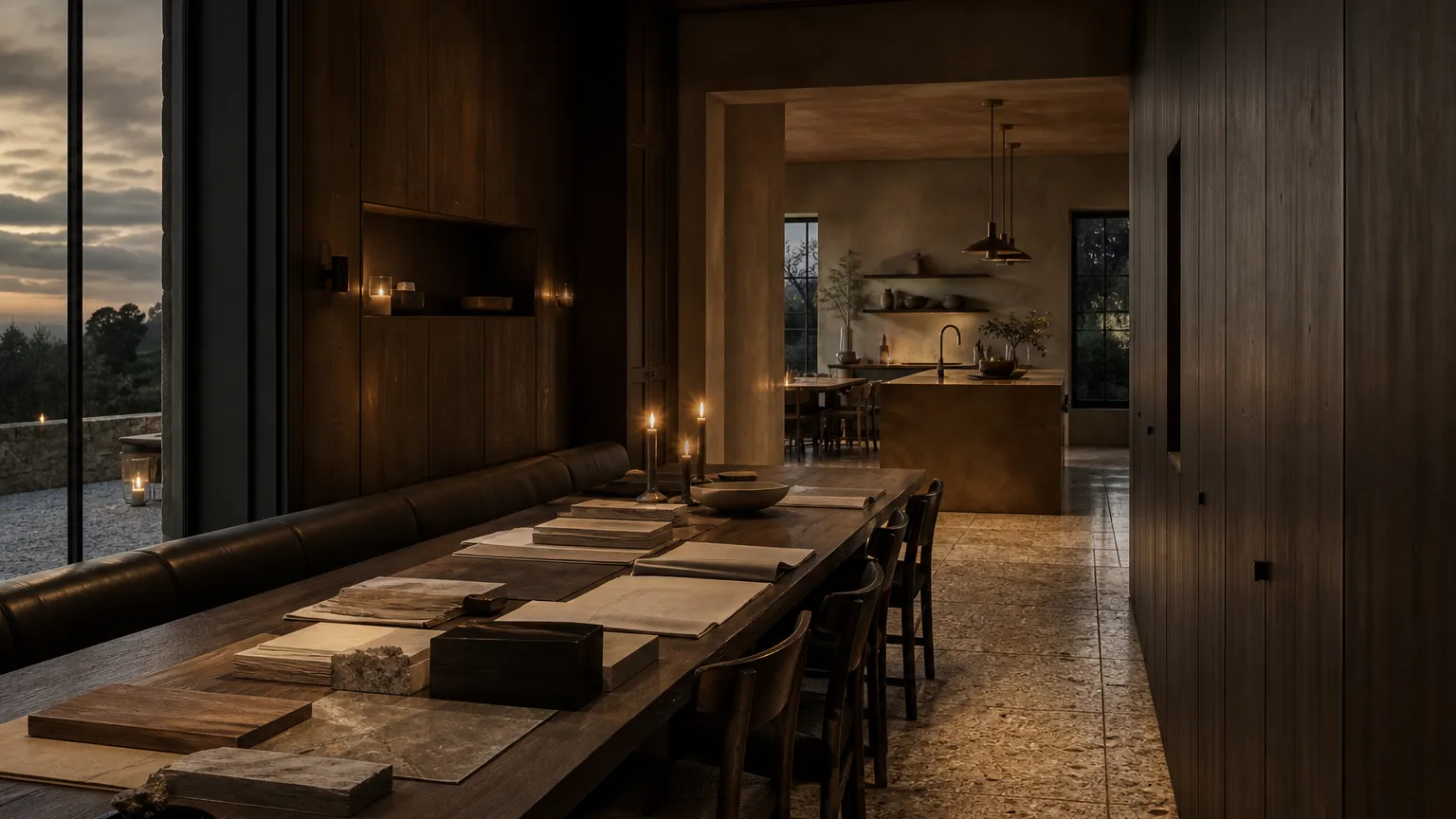
Renovation Scope Buffer
A renovation scope buffer separates fixed kitchen decisions from optional upgrades before fabrication, helping premium buyers protect daily routines and budget discipline.
Direct answer
The Direct Answer
A renovation scope buffer is a written reserve of time, cost, and approval discipline built into a kitchen project before fabrication starts. For a premium custom kitchen, it protects the non-negotiables first: cabinet bodies, service access, appliance openings, ventilation path, countertop support, and daily cooking routes. Optional finish upgrades can then be judged later without reopening the durable base.
What is a renovation scope buffer?
A renovation scope buffer is a pre-approved reserve for decisions that may move during design, ordering, or installation. It is not a vague emergency fund. It is a practical boundary that says which choices are locked, which choices can still move, and which upgrades wait until the durable base is safe. In a kitchen, the buffer protects storage, prep, cooking, cleanup, ventilation, appliance clearances, and the route a household uses every day. The June 7 pulse brief described a wider financing mood, but the buyer-facing lesson is simple: a home project becomes calmer when the plan separates essentials from optional scope before money and measurements are committed.
- Renovation scope buffer
- A renovation scope buffer is a defined reserve of time, money, and decision room used to protect essential kitchen work from late optional changes.
Why does scope need a buffer before fabrication?
Scope needs a buffer before fabrication because custom cabinetry converts drawings into measured components. Once cabinet bodies, appliance openings, countertop support, and wall alignments are approved, a late change can affect several trades at once. Fadior uses an 8-step pre-production review before work enters production, moving from order confirmation through engineering review, process completion, equipment programming, and work order generation. That sequence rewards clarity. A buyer who adds every attractive idea to phase one creates more decisions than the project can absorb. A buyer who reserves 10% of budget and 2 weeks of decision room for controlled changes gives the factory, designer, and installer a more stable brief.
How should the first buffer be sized?
The first buffer should be sized around the decisions most likely to affect measured work. For many premium kitchens, that means holding roughly 10% of the project allowance for late clarifications, shipping variance, accessory swaps, and installation conditions that cannot be fully seen from drawings. Time needs a buffer as well. A 2-week approval reserve before fabrication helps the household review appliance specifications, sink position, ventilation route, lighting zones, and wall conditions without forcing rushed corrections. This is not a promise that every project needs the same reserve. It is a planning floor: enough room to protect essentials without turning every optional preference into an immediate order.
Phase-one lock list
- Lock cabinet body dimensions before finish upgrades are added.
- Confirm appliance openings and ventilation routes before countertop templates are final.
- Reserve 10% of the allowance for controlled scope movement.
- Keep at least 2 weeks of approval space before fabrication begins.
- Separate daily-use routes from later decorative changes.
| Decision area | Lock in phase one | Leave for later review |
|---|---|---|
| Cabinet base | Room layout, tall storage, island position, service access | Extra display niches or secondary decorative panels |
| Appliance fit | Opening width, ventilation path, power position | Brand-specific trim preferences that do not change openings |
| Counter support | Substrate support, sink position, cook zone clearance | Decorative edge profile or accessory rail choices |
| Daily routine | Prep, cooking, cleanup, and pantry routes | Occasional entertaining add-ons |
Which kitchen decisions should never be postponed?
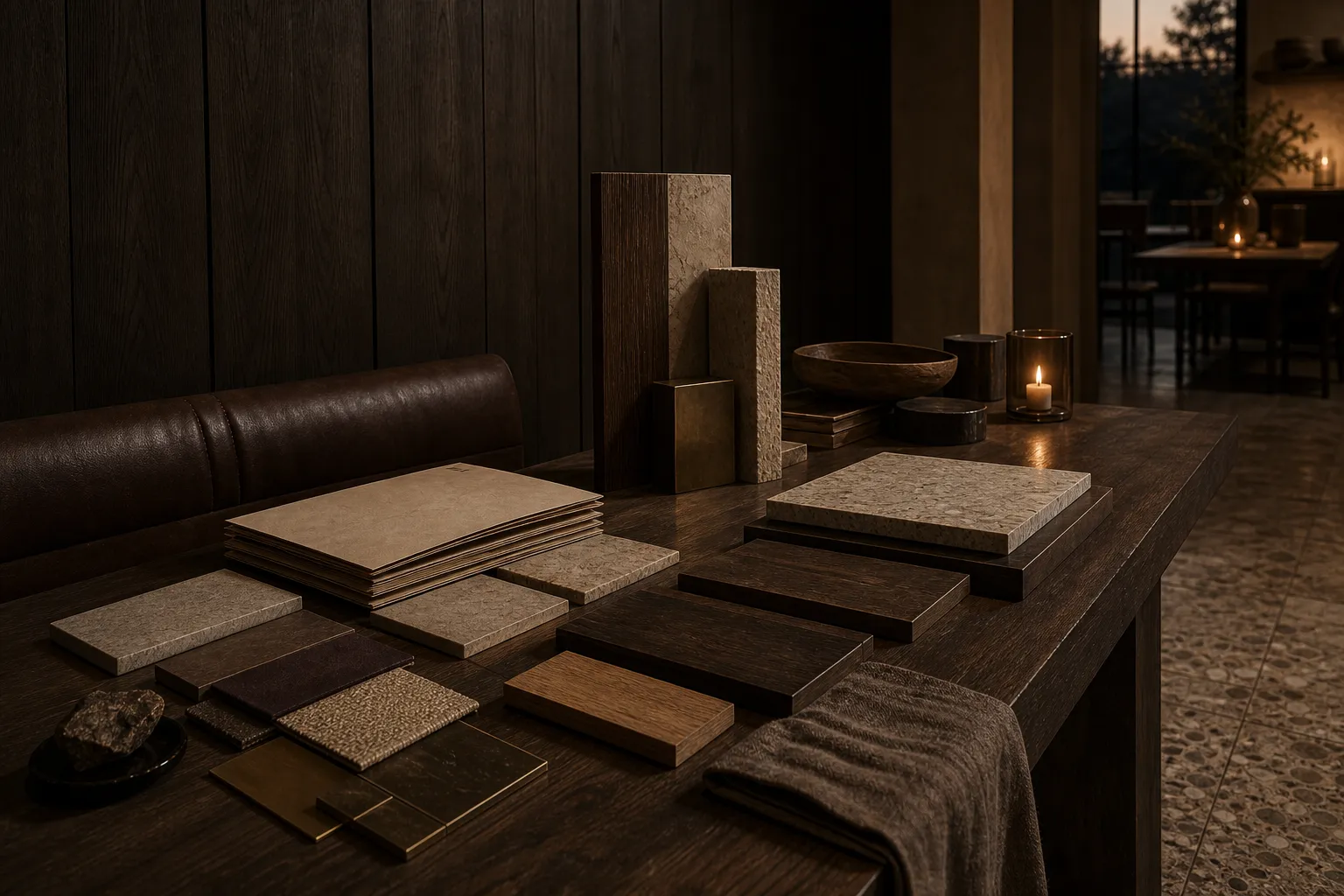
The decisions that should never be postponed are the ones that define the durable base. Cabinet body material, room layout, appliance openings, ventilation, sink position, wall condition, and countertop support belong in the first approval set. Fadior builds cabinet systems around 304 stainless steel, a food-grade material listed in ASTM A240 sheet specification references. The reason to decide the base early is not only durability. It is coordination. A 304 cabinet body, a sink cabinet, a cook zone, and a tall storage wall all interact with power, water, ventilation, and daily movement. If those decisions remain open, optional finishes start carrying too much risk.
- 304 stainless steel
- 304 stainless steel is an austenitic grade commonly used for food-contact and corrosion-resistant applications; Fadior uses it as the core material for cabinetry.
When can finish upgrades wait?
Finish upgrades can wait when they do not change room geometry, service routes, or cabinet body dimensions. A door finish, a display layer, a decorative wall surface, a lighting accessory, or a later storage insert can often be reviewed after the first base package is protected. Fadior offers 80+ powder-coat colors, wood-grain transfer, linen-embossed texture, PVD tones, bead-blasted matte surfaces, and nano-coated pearl white finishes. Those options are valuable, but they should not compete with the base approval. The scope buffer keeps the buyer from treating every aesthetic preference as a structural decision.
How does a buffer protect daily routines?
A buffer protects daily routines by preserving a usable path through the project. Before fabrication, the plan should identify where cooking, storage, cleanup, temporary dining, and access will happen during installation. A kitchen is not a decorative room that can simply be closed for weeks without consequence. The household still needs food storage, water access, and safe movement. A disciplined buffer keeps essential zones first and pushes low-impact upgrades later. That is why the plan should include at least 4 routine zones: storage, prep, cooking, and cleanup. If those zones are protected, the project can absorb a delayed finish choice without making the home feel unfinished.
What does Fadior add to scope discipline?
Fadior adds scope discipline through material consistency and factory process. The brand is built around 304 stainless cabinetry across kitchens, wardrobes, vanities, wall panels, doors, and storage systems. For a kitchen buyer, that means the durable base can be planned as one material logic instead of a patchwork of board furniture, coatings, and separate moisture assumptions. The company records 500-1000 employees, 600+ domestic store and dealer points, 100+ international partners, 213 cumulative patents, and a 60,000+ sqm smart factory investment cycle. Those facts do not remove the need for a buffer; they make the buffer more valuable because a clear brief lets the factory turn complex customization into measured production.
Which standards help buyers ask better questions?
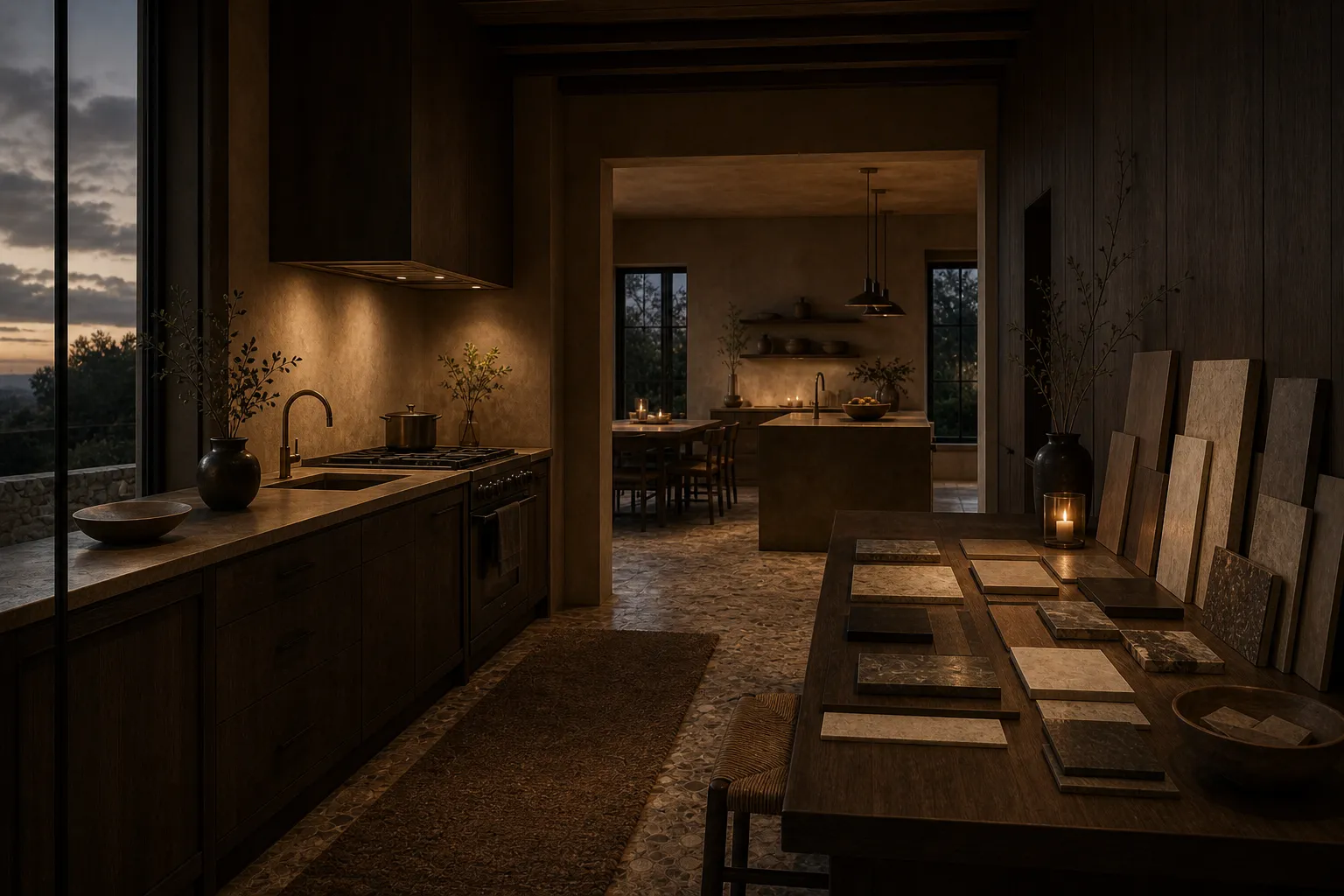
Standards and manufacturer references help buyers ask better questions without turning the kitchen into a technical exam. ASTM A240 gives a public reference point for stainless sheet specification. ISO 9001 explains why documented quality management matters when decisions pass between sales, design, engineering, production, and installation. UL GREENGUARD offers a useful reference for emissions documentation, especially when buyers are comparing adhesive-heavy interiors with glue-free construction claims. The World Steel circular economy guidance is also useful because long-life materials only deliver value when the room is planned for years of use, not only for first photographs.
How should a buyer use the buffer in a consultation?
A buyer should use the buffer as a consultation checklist. Bring the desired layout, appliance list, cooking habits, storage pain points, preferred finishes, and any timing limits. Then mark each item as fixed, flexible, or optional. Fixed items shape fabrication. Flexible items need price or timing confirmation. Optional items wait until the first package is stable. The method helps both sides: the buyer sees what is truly essential, while the Fadior design team can protect the 304 cabinet base, service access, finish pathway, and installation sequence. The result is a premium kitchen plan that feels calmer because the project has already decided what must not move.
What are the warning signs of weak scope control?
Weak scope control usually appears before installation. Warning signs include a title-level budget number with no contingency, finish decisions made before appliance openings, a layout that changes after countertop support is discussed, and a household routine plan that is assumed rather than written. Another warning sign is a mood-board stack that has more detail than the engineering notes. Premium kitchens need atmosphere, but atmosphere should not outrun measurements. If a buyer cannot name the fixed decisions, flexible decisions, and optional decisions in one page, the project needs a scope buffer before fabrication starts.
Why does the buffer improve the final room?
The buffer improves the final room because restraint creates better choices. When the durable base is protected, the buyer can judge finishes against daily use instead of panic. A wood-grain surface can be chosen because it warms the dining route, not because it hides an unresolved layout. A PVD tone can support a vanity or accent layer without changing the kitchen body. A lighting accessory can be added where it helps prep, not where it tries to rescue a late design conflict. The best premium kitchens look calm because the difficult decisions were sequenced before the visible finishes were celebrated.
Frequently asked questions
These questions summarize how to use a renovation scope buffer before approving a premium kitchen package. They repeat the decision rules in plain language so the checklist can be shared with a designer, contractor, or family decision-maker.
How much reserve should a premium kitchen plan hold?
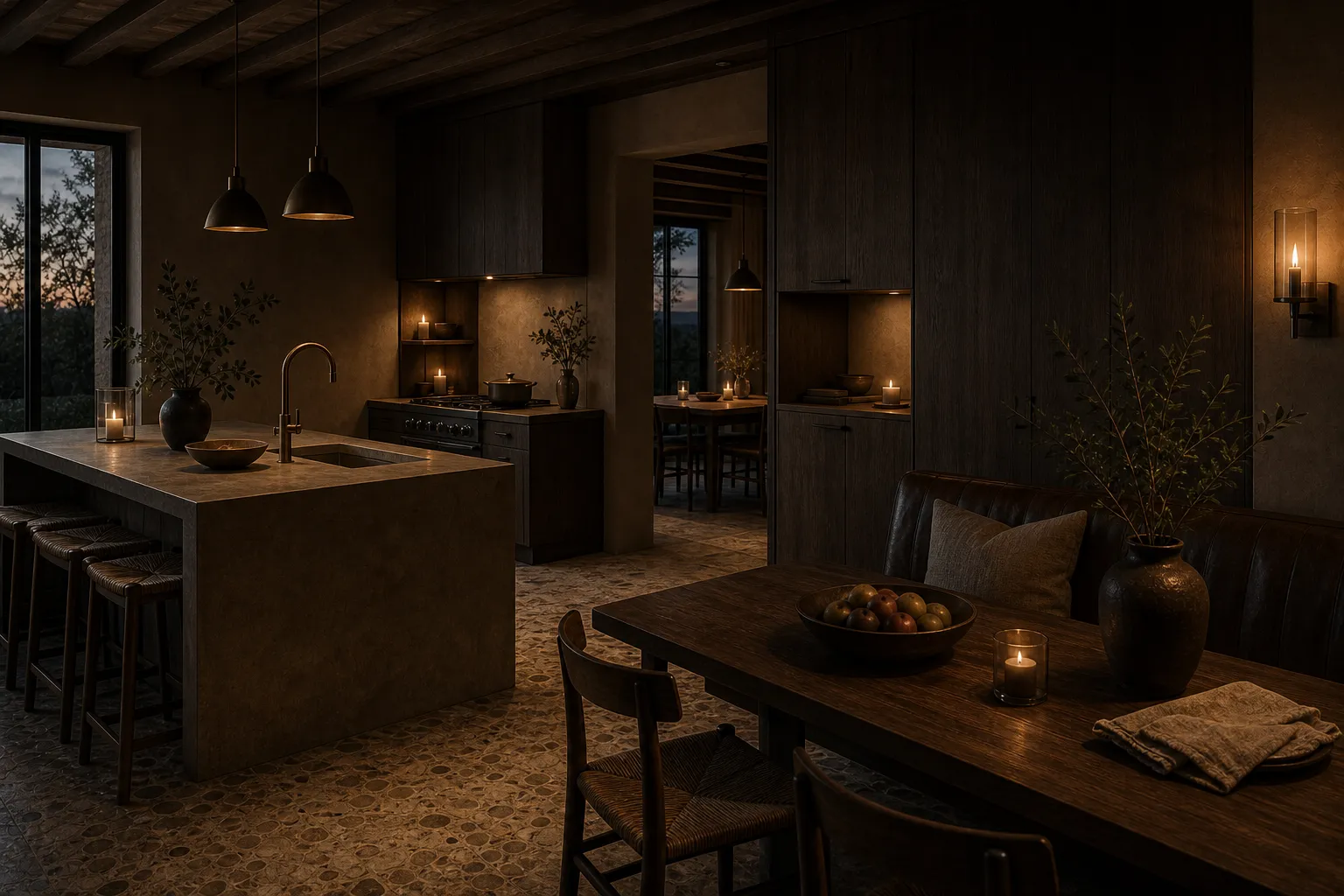
A practical starting point is 10% of the project allowance, reserved for controlled changes rather than decorative drift. The exact number depends on site conditions, appliance complexity, and installation timing, but a written reserve keeps late decisions from disturbing the approved cabinet base.
What decisions should be fixed before fabrication?
Fix the room layout, cabinet body dimensions, appliance openings, ventilation path, sink position, countertop support, and service access before fabrication. These decisions shape measured components and trade coordination. Finish tones and accessory layers can often wait if they do not change those fixed points.
Can a scope buffer reduce project quality?
A scope buffer should improve quality because it protects the essential package from rushed optional changes. It does not mean buying less. It means deciding which work must be built now, which choices need confirmation, and which upgrades can wait until the durable base is secure.
Why does Fadior emphasize early approval clarity?
Fadior uses an 8-step pre-production review before work enters production, from order confirmation through engineering and work order generation. Early approval clarity helps the factory translate a custom kitchen brief into measured parts, surface decisions, and installation-ready coordination.
Does the buffer replace professional project advice?
No. A renovation scope buffer is a home-project planning method. It helps buyers sequence fixed, flexible, and optional design decisions. It does not forecast markets, recommend financing choices, or make claims about rates, returns, or ideal purchase timing.
What is the practical next step?
The practical next step is to write a 1-page scope buffer before approving the kitchen package. List the fixed base, the flexible details, the optional upgrades, the contingency allowance, and the approval deadline. Then bring that page into a Fadior consultation. Use the 304 stainless material overview to confirm the base logic, the custom kitchen product systems page to map storage and room type, and the factory process and manufacturing proof page to understand how decisions move into production. A strong plan does not remove uncertainty. It makes uncertainty smaller than the room.
Frequently Asked Questions
Questions this guide answers
- How much contingency should a premium kitchen plan hold?
- A practical starting point is 10% of the project allowance, reserved for controlled changes rather than decorative drift. The exact number depends on site conditions, appliance complexity, and installation timing, but a written reserve keeps late decisions from disturbing the approved cabinet base.
- Is a renovation scope buffer financial advice?
- No. A renovation scope buffer is a home-project planning method. It helps buyers sequence fixed, flexible, and optional design decisions. It does not forecast markets, recommend financing choices, or make claims about rates, returns, or ideal purchase timing.

References
Authoritative sources cited in this article
- ASTM A240 stainless sheet specification
Specification reference for stainless sheet, plate, and strip.
ASTM A240
- ISO 9001 quality management reference
Quality management reference for documented process control.
ISO 9001
- UL GREENGUARD certification overview
Certification reference for emissions documentation.
UL GREENGUARD
- World Steel circular economy guidance
Circular economy reference for long-life material planning.
World Steel Association circular economy
Editorial transparency
Yuki Tanaka is a composite editorial persona maintained by Fadior Home's editorial team. Articles attributed to this byline are produced through an AI-assisted editorial workflow with human review, and represent the consolidated voice of multiple researchers and contributors.
Ready to specify?