
Which city in China is known for furniture? Start with Foshan
Foshan is the short answer, but the useful answer is regional. Foshan is widely used as a furniture sourcing base because buyers can combine showrooms, wholesale buildings, production areas and logistics conversations in one trip. Public guides describe Lecong as the broad cluster, while Longjiang adds production depth. The shopping route is usually in Foshan and Shunde rather than central Guangzhou. Begin with a room list and a buyer question—design discovery, repeatable wholesale supply, custom cabinetry or a whole-home order—before choosing a district.
Why start with Lecong Furniture City?
Lecong International Furnishing City is the practical starting point for a first visit. Public market guides describe a large, connected concentration of showrooms and furniture malls, including Louvre International Furniture Exhibition Center and Sunlink Furniture City areas. Treat “Lecong furniture city” as a district cluster rather than a single store with one universal opening-hours sign. Stores, floors and brands change, so save the exact showroom name, building, floor and contact before returning for a sample or quotation. If your question is “what are the Lecong furniture city stores?”, the answer is a set of buildings with different price and style positions, not one canonical directory.
When should a market visit add Longjiang and Shunde?
Longjiang is useful when the brief moves from browsing to manufacturing questions: repeatability, custom dimensions, upholstery or production coordination. Shunde is the wider district context around Lecong, and it matters to buyers comparing furniture markets with cabinetry factories. A good route does not assume that every furniture showroom makes every product. Record which company designs, makes, sources, packs and ships each item. For a whole-home project, separate movable furniture and built-in cabinetry into different lines before asking for a combined offer.
What should a three-day Foshan furniture itinerary look like?
Day one can be discovery in Lecong: shortlist styles and mark buildings worth a second pass. Day two can combine a narrower Lecong comparison with a Shunde factory or showroom appointment. Day three is for rechecking samples, freezing room-by-room quantities and reviewing packing, freight and receiving responsibilities. This is a planning template, not a promised tour schedule. “Foshan furniture tour price” has no universal answer because a guided walk, interpreter, factory appointment and logistics service are different scopes. Ask for the itinerary, inclusions, transport and payment terms in writing.
| Area | Best use | Check before you go |
|---|---|---|
| Lecong | Broad showroom and furniture-mall discovery | Exact building, floor, store contact and return route |
| Longjiang | Production and factory-depth questions | Whether the company makes, sources or only sells the item |
| Fadior Chencun site (Shunde) | Fadior headquarters/new-factory location | Appointment, scope, samples and contact |
Where should you stay near the market district?
Choose a hotel from the route you will actually repeat, not from a generic “near me” result. Lecong works when showroom access is the priority; a Shunde base can reduce backtracking when factory or cabinetry appointments matter. Check the current address, transport time at the hours you plan to travel, then map the exact showroom buildings. “the best hotel near the market” is therefore a route decision, not a fixed ranking.
What are the market opening hours and closed days?
There is no single market opening-hours clock. Buildings, stores, holidays and private showrooms can differ, and a market can look “closed” when one venue is shut while another is operating. Confirm the exact building or showroom one day before travel, especially around public holidays. Save a contact who can confirm the appointment, and keep a second venue in the same district. This avoids turning an outdated listing or a “the market is closed” search result into a wasted travel day.
How should you use a Foshan catalogue, price sheet and online buying?
A catalogue is useful for narrowing a style and a price conversation; it is not a complete order. Ask for dimensions, finish, packaging basis and whether the item is stock or made to order. A “a Foshan market price sheet” is rarely comparable across suppliers unless the unit and scope match. Before paying, confirm samples, drawings and a written quote. For cabinets, ask for a room schedule.
Is it cheap to buy furniture in China? Compare the complete order
Foshan can be competitive, but “cheap” is not a safe universal conclusion. Compare the same dimensions, materials, finish, hardware, packing, export documents, freight basis and destination charges. A low showroom number can omit hidden costs. Build one comparison row per room or item, then list freight, customs and delivery separately. Keep the quote dated and match the same unit and scope.
Who is the best China sourcing agent, and what does one cost?
There is no single best China sourcing agent for every buyer. Compare the agent’s exact service boundary: translation, supplier introduction, factory audit, sample consolidation, quality inspection, export paperwork, freight coordination and after-sales handover. Ask for the agent’s service fee to be listed in writing. A sourcing-agent price has no universal number without a defined service scope and fee structure. A market guide can help you find candidates; it cannot verify a private agent’s independence.
What is manufactured in Foshan—and what does Fadior make?
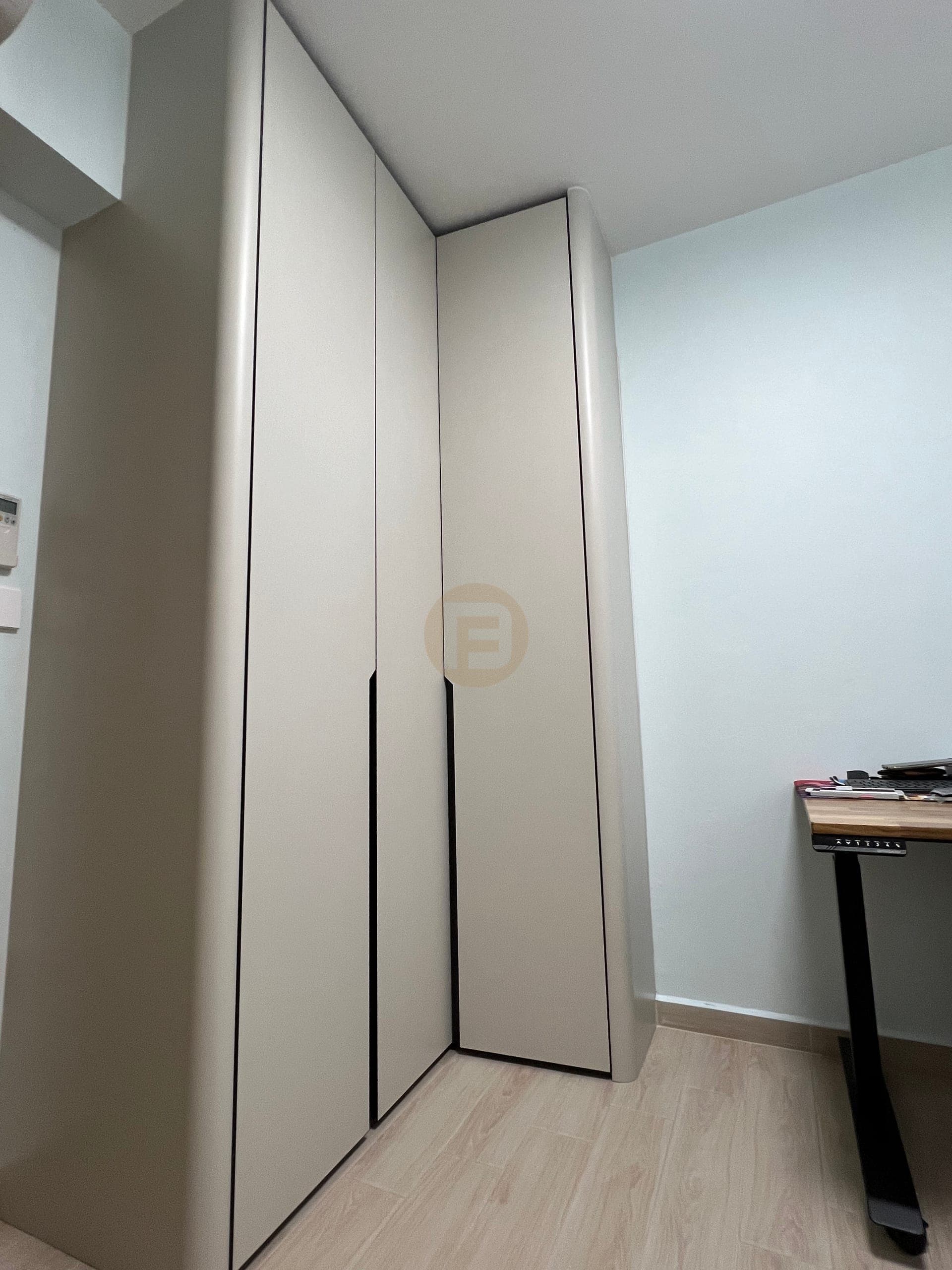
Fadior is positioned as a premium whole-home cabinetry brand from China. Foshan sources furniture and building-material products through several market districts. Keep maker and sourcing roles clear. Fadior’s kitchens, wardrobes, baths and storage systems use 304 stainless steel cabinet bodies. Doors in glass, mirror or sintered stone follow their own material specification and are not called stainless steel. Movable sofas and dining furniture remain separate sourcing choices unless the scope says otherwise. For manufacturing evidence, read the earlier Foshan visit sequence and the Foshan China experience hub.
How should an India, Gulf or global buyer handle tariffs?
A furniture order from China requires checking the destination’s current duty treatment for the actual goods and HS classification. The US International Trade Administration explains that HS codes classify traded goods and form the basis for assessing duties; it also notes that countries add longer national codes. Read the destination government tariff tool on the date you quote; the ITA guide also points to official classification and ruling paths. Do not reuse a rate from another market; check the destination’s current rules. This guide gives no universal tariff percentage.
How do you turn a market visit into a factory-ready cabinet brief?
Write the rooms first: kitchen, wardrobes, vanities, storage, doors and any movable furniture. Add measured walls, preferred fronts, hardware, finish samples, target quantities, delivery destination and target handoff date. For a Fadior enquiry, the China cabinet manufacturer page and the factory verification checklist help separate factory evidence from a showroom impression. Ask every supplier for the same schedule so the comparison remains meaningful.
What should you verify before paying a deposit?
Verify the legal identity, address, contact, sample, drawing revision, payment milestones, packing list, shipping responsibility and remedy for missing parts. Keep a dated folder with links, drawings and changes. Do not treat a market review, social post or catalogue image as a quality certificate. For an overseas order, the the pre-visit factory audit checklist is a useful next decision after the market walk.
How do you compare a Foshan market review with real evidence?
Reviews can reveal what a buyer noticed, but they are not a substitute for a current specification. Compare the date, the exact venue, the item or room, the writer’s scope and whether the statement is first-hand. Compare the date, exact venue, item or room, writer’s scope and whether the statement is first-hand. Use those limits honestly. Keep one row for each claim: source, date, scope and next check.
What should you bring home from Foshan?
Leave with a controlled shortlist rather than a pile of screenshots: the exact showroom and building, product or cabinet code, sample reference, dimensions, finish, quote scope, packing basis, destination and named follow-up owner. For the next stage, connect your market notes to the Foshan fair planning guide if a fair is part of the trip, then use the import-order checklist for the landed-order sequence. See the Fadior Real Homes portfolio for documented room scope, then keep your handoff comparable.