
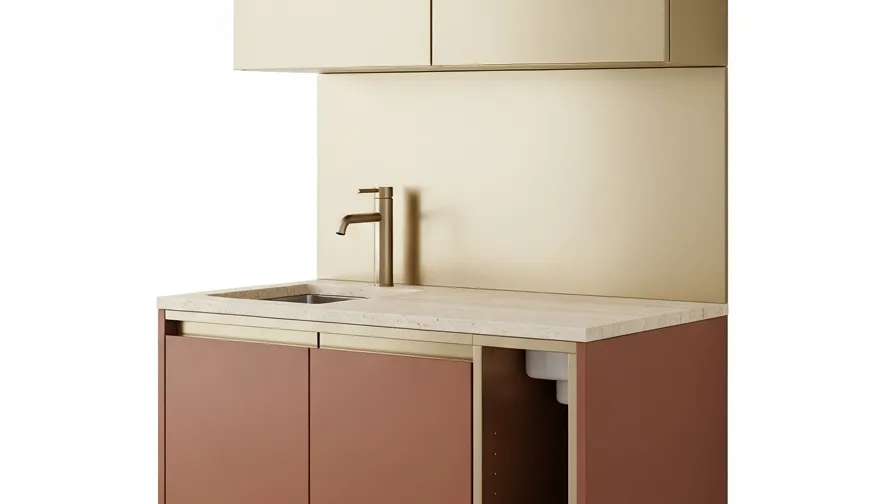
Steel Cabinets vs Aluminum Cabinets: Which is Right for Your Kitchen?
A practical, well-sourced guide to steel cabinets vs aluminum cabinets: what the reader should know, how 304 stainless steel cabinetry fits, and how Fadior verifies
Direct Answer: Steel vs Aluminum Cabinets – Which Should You Choose?
If you are searching for 'steel cabinets vs aluminum cabinets,' you likely want a kitchen that lasts, resists moisture, and avoids the hidden problems of particleboard or plywood. The direct answer is that steel cabinets, particularly those made from 304 stainless steel, are generally the superior choice for homeowners who prioritize durability, hygiene, and long-term value over initial cost. Aluminum cabinets are lighter and less expensive, but they are prone to denting and may not offer the same structural integrity or aesthetic warmth. For a whole-home investment, 304 stainless steel cabinets provide a stronger, more permanent solution that outlasts aluminum in almost every residential environment.
Steel cabinets—specifically those fabricated from 304 stainless steel—are the gold standard for modern, healthy kitchens. As noted by worldstainless, stainless steel is an alloy that contains a minimum of 10.5% chromium, which gives it exceptional corrosion resistance (https://worldstainless.org/about-stainless/). This makes 304 stainless steel cabinets ideal for kitchens where water, heat, and heavy use are daily realities. Aluminum cabinets, while resistant to rust, are softer and can warp or dent under pressure, and they often lack the same level of fire resistance and overall rigidity.
However, the decision is not one-size-fits-all. If you are on a tight budget or need cabinets for a lightweight application like a recreational vehicle or a temporary rental, aluminum may be a practical choice. But for a permanent, high-end kitchen that adds value to your home, 304 stainless steel is the clear winner. The British Stainless Steel Association explains that stainless steel's unique properties—including its ability to be recycled indefinitely without losing quality—make it a sustainable choice for premium cabinetry (https://bssa.org.uk/bssa_articles/what-is-stainless-steel/). This article will guide you through every factor, from sourcing to customization, so you can make an informed decision backed by real-world facts.
Understanding the Difference Between Steel and Aluminum Cabinets
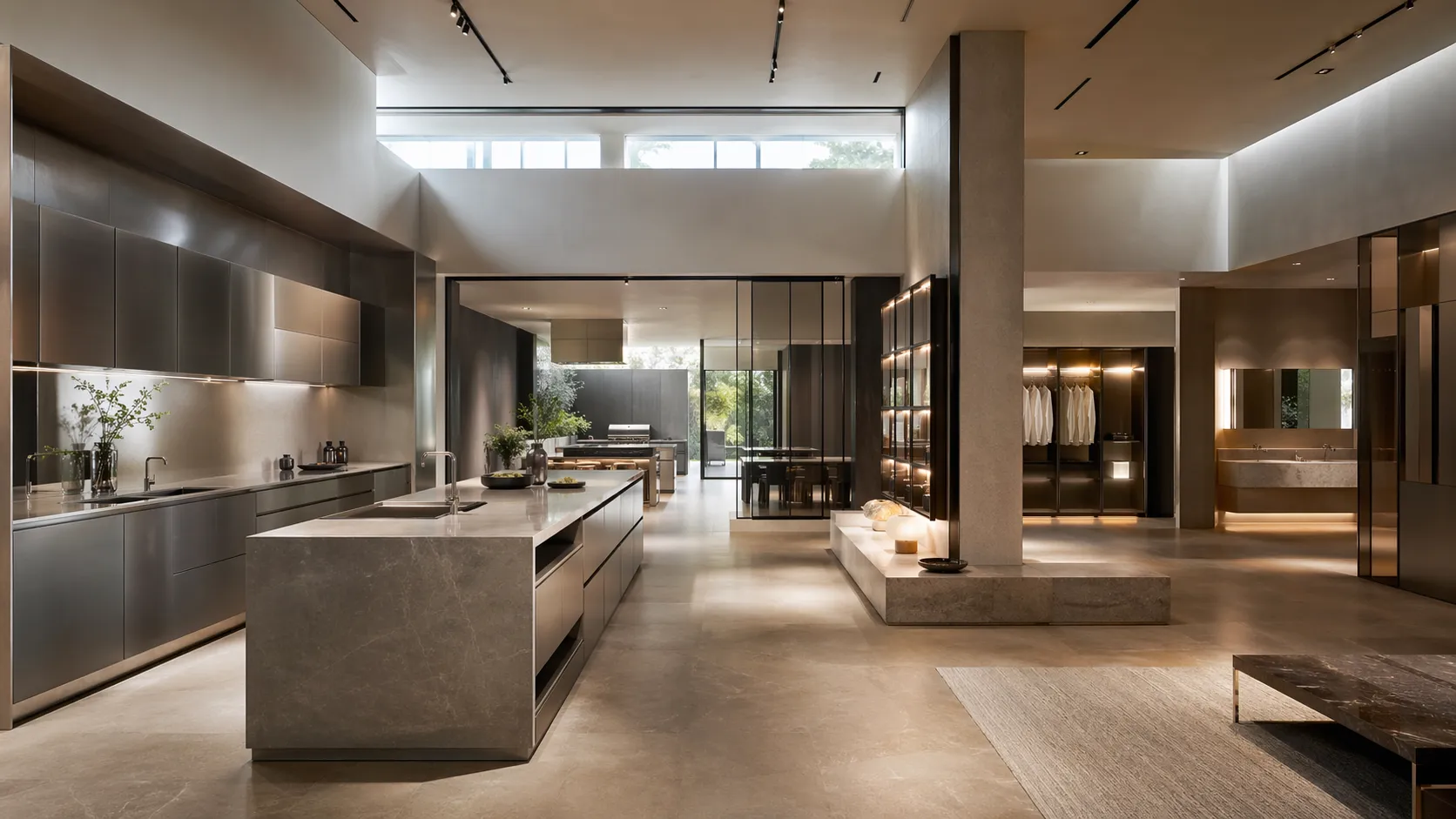
At the most basic level, 'steel cabinets' and 'aluminum cabinets' refer to the frame and door material. Steel cabinets are typically made from stainless steel, often 304 grade, which is composed of iron, chromium, nickel, and other elements. Aluminum cabinets are made from aluminum alloy, which is lighter and naturally corrosion-resistant but much softer. The choice between them affects not only cost but also the cabinet's lifespan, resistance to physical damage, and overall feel in your kitchen.
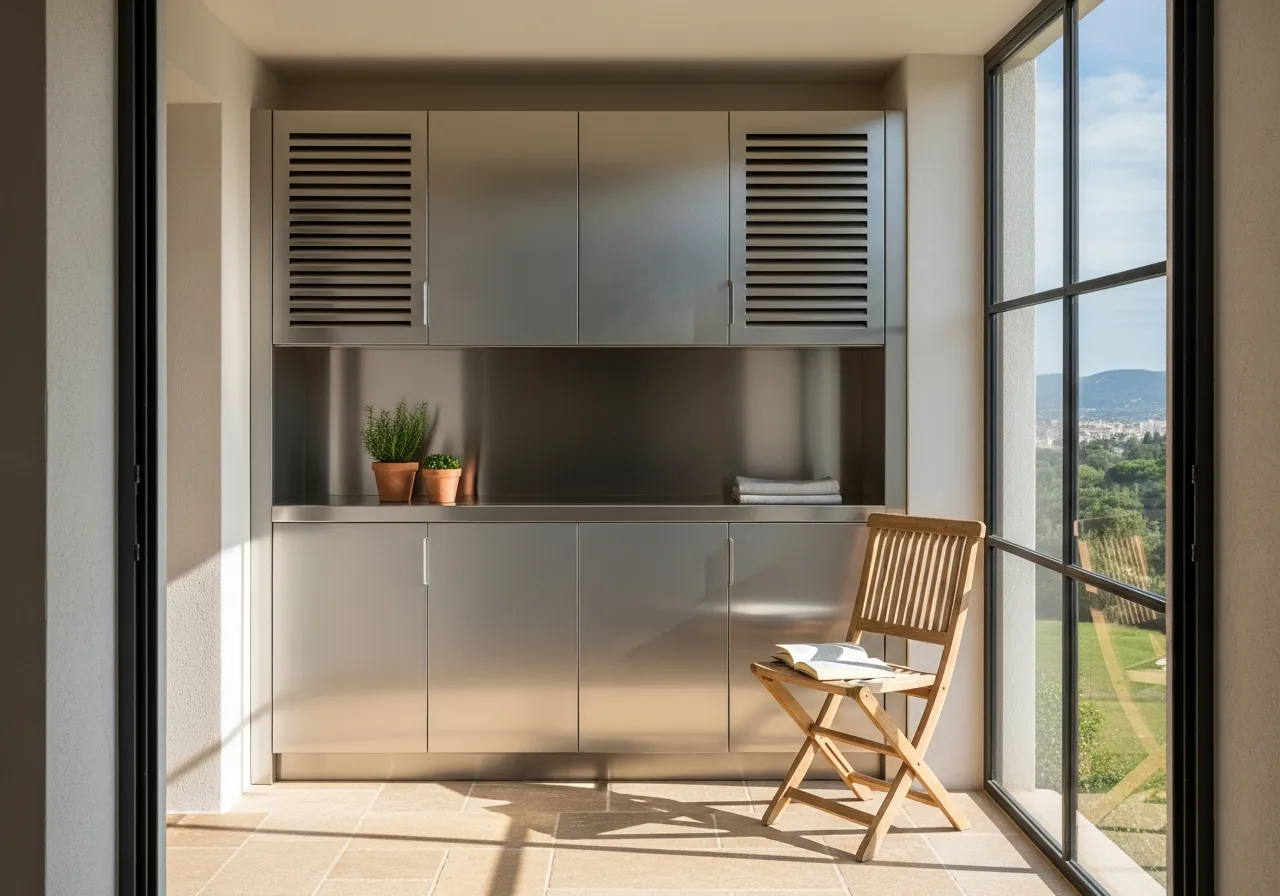
Steel cabinets, especially those using 304 stainless steel, are denser and heavier. This weight translates to a solid, premium feel that many homeowners appreciate. Aluminum cabinets, by contrast, feel hollow and can be prone to scratching and denting. In a kitchen, where cabinets take daily abuse from pots, pans, and cleaning, the resilience of 304 stainless steel is a significant advantage. According to Wikipedia, stainless steel is defined by its corrosion resistance, which is superior to that of aluminum in many contexts (https://en.wikipedia.org/wiki/Stainless_steel). This is why commercial kitchens almost exclusively use stainless steel—it withstands steam, acids, and constant cleaning without degrading.
Another key difference is thermal performance. Steel handles high heat better than aluminum, which can warp under prolonged exposure to oven or stove heat. For a kitchen with a hot cooktop or oven integrated into cabinetry, 304 stainless steel is the safer, more stable option. A recent kitchen design article from Homes.com highlights that high-performance materials like stainless steel are becoming a top trend in high-end kitchens (https://www.homes.com/news/heres-the-latest-in-kitchen-design-as-seen-at-industrys-biggest-show/1586586982). This shift reflects a growing awareness among homeowners that material quality directly impacts kitchen longevity and functionality.
Key Factors to Consider When Choosing Between Steel and Aluminum Cabinets
When evaluating steel vs aluminum cabinets, consider these five critical factors: durability, weight, cost, maintenance, and aesthetics. Each factor will influence how the cabinets perform in your home over the next decade or more. Homeowners often focus only on cost, but the true value lies in the lifespan and maintenance requirements of the material you choose.
Durability: 304 stainless steel cabinets are incredibly strong. They resist rust, dents, and scratches far better than aluminum. Aluminum cabinets, while rust-proof, are prone to bending and denting from everyday impacts. In a busy family kitchen, this can mean visible damage within a few years. A report from Homes and Gardens on 2025 kitchen trends notes that durability is a key driver for material selection, with stainless steel leading in 'forever' kitchens (https://www.homesandgardens.com/news/kitchen-trends-202526). This aligns with Fadior's focus on whole-home interiors built to last a lifetime.
Weight: Steel is heavier, which means it requires sturdy support, such as a reinforced floor or wall. Aluminum is lighter and easier to install, but this lightness can make cabinets feel flimsy. For a permanent kitchen installation, the weight of 304 stainless steel is actually a benefit—it signals quality and stability. For wall-mounted or floating cabinets, the weight difference may be a concern, but proper installation hardware can easily accommodate steel cabinets.
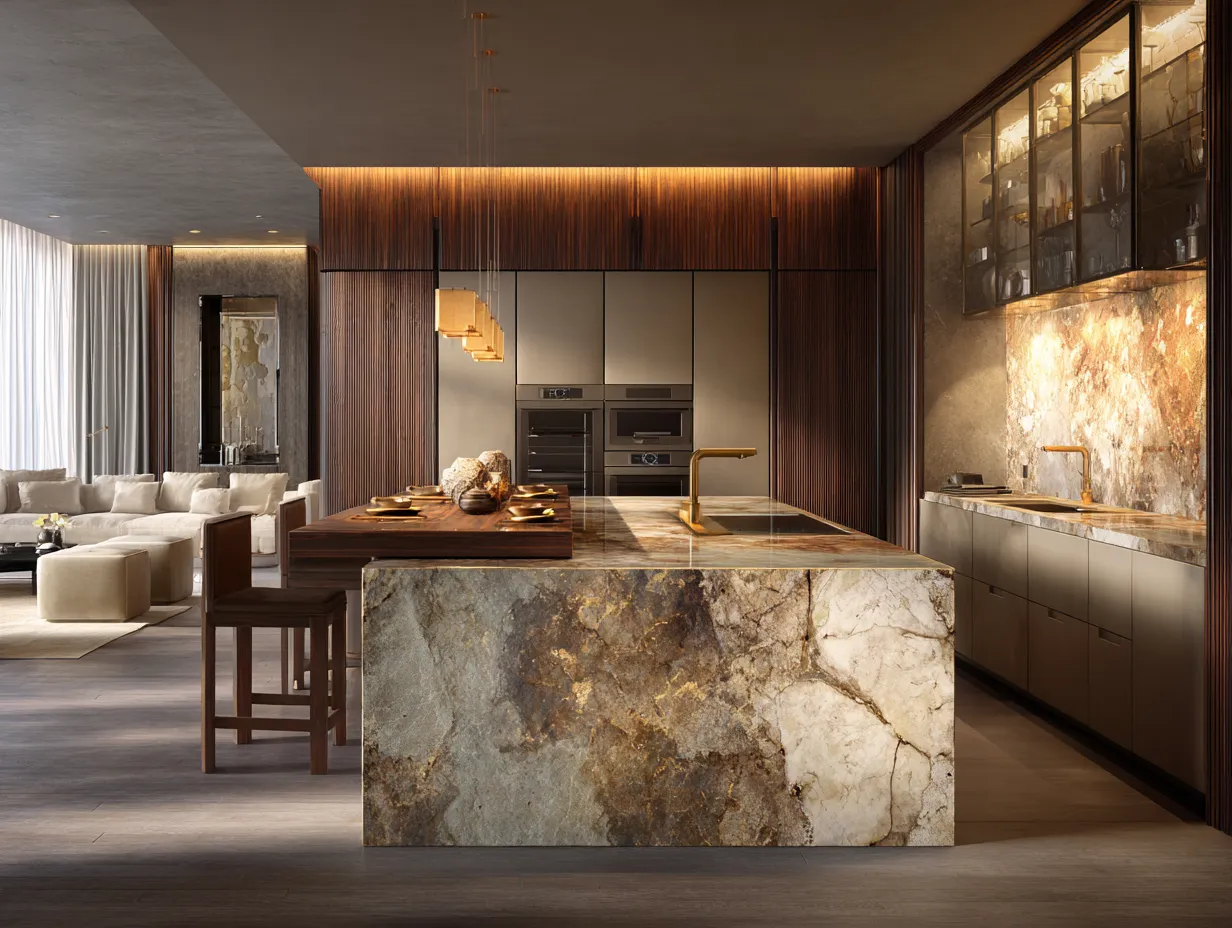
Cost: Aluminum cabinets are generally less expensive upfront than 304 stainless steel cabinets. However, the lower cost often comes with trade-offs in longevity and resale value. Steel cabinets hold their value better and require less frequent replacement. When you calculate total cost of ownership over 20 years, 304 stainless steel is often the more economical choice, as you avoid the need for replacements or significant repairs. Designers advise skipping trend-driven materials that don't stand the test of time, as noted by The Spruce (https://www.thespruce.com/kitchen-trends-designers-regret-trying-11982679).
Maintenance: Both materials are easy to clean, but steel requires occasional polishing to maintain its shine, while aluminum can show water spots and oxidation more easily. 304 stainless steel is inherently non-porous and hygienic, making it ideal for food preparation areas. Aluminum, over time, can develop a chalky oxidation layer if not sealed properly. In a kitchen, where hygiene is paramount, the non-porous nature of 304 stainless steel is a clear advantage.
Aesthetics: Aluminum cabinets tend to have a more industrial, less warm appearance. Steel cabinets, particularly when designed with craftsmanship, can be made to feel residential and inviting. Fadior specializes in this—using 304 stainless steel to create architectural aesthetics that feel warm, not cold. The material's ability to accept various finishes, including matte and textured surfaces, allows it to integrate seamlessly into any kitchen design, from modern to traditional.
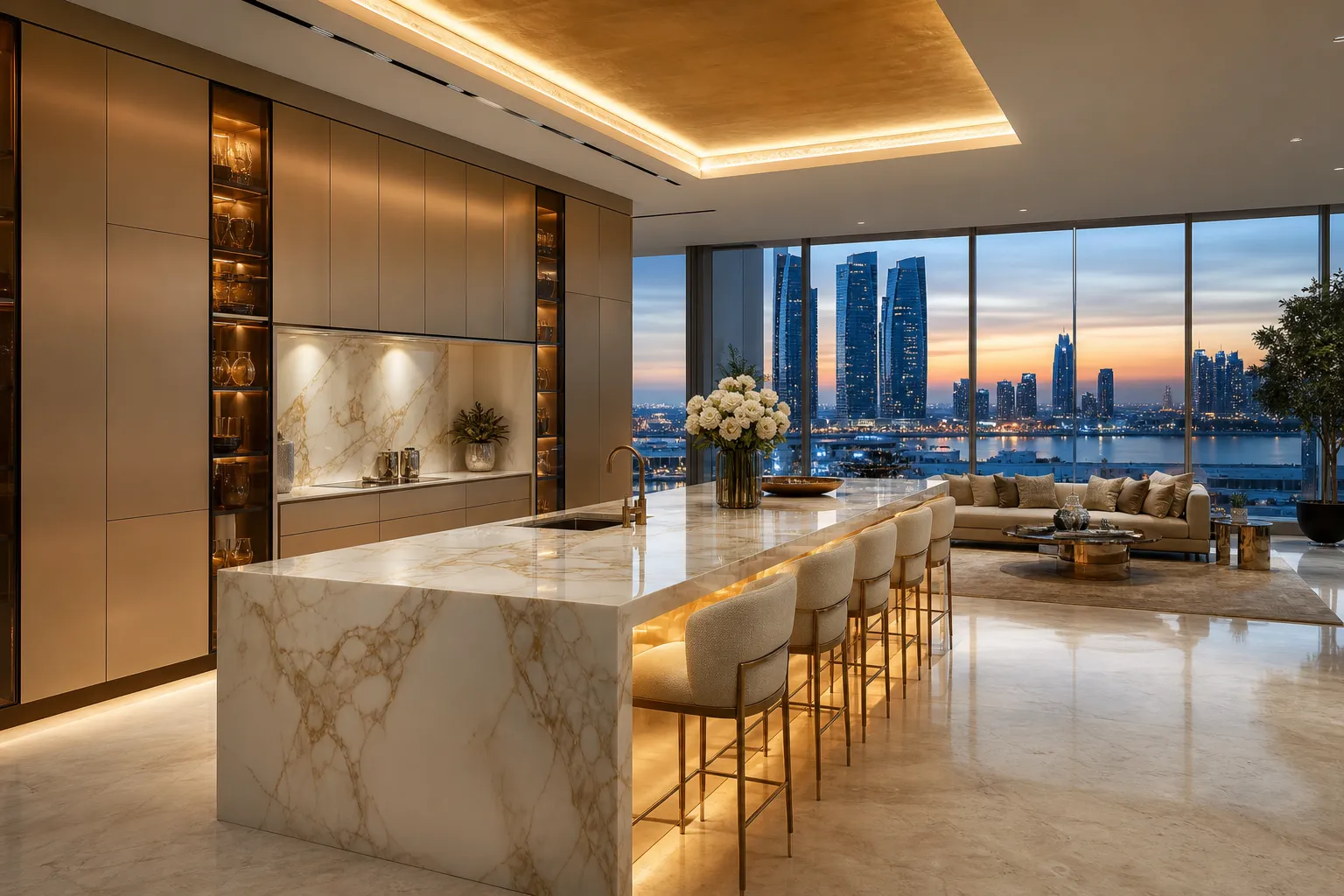
What to Verify When Sourcing Steel or Aluminum Cabinets from Foshan or China
Many buyers shopping for steel or aluminum cabinets look to Foshan, China, a global hub for cabinetry production. When sourcing from this region, it's essential to verify three things: the actual material grade, the quality of laser welding or joinery, and the authenticity of the supplier's capability. The term 'stainless steel' can be misleading, as some suppliers use lower-grade alloys or only apply a stainless steel veneer to thin aluminum or mild steel frames.
First, ask for a material certification for 304 stainless steel. This ensures the cabinets are made from food-grade, corrosion-resistant material. Avoid any supplier that cannot provide a mill test certificate or a third-party analysis. Second, inspect the construction quality. Look for full-weld joints rather than glued or riveted ones; welding is stronger and more durable. Finally, verify the supplier's factory existence. Many online listings are trading companies that source from multiple factories, leading to inconsistent quality. A factory tour—even virtual—is a must.
Fadior provides proof through its own physical showroom and factory in Foshan. The Fadior Foshan showroom visit route allows buyers to see real 304 stainless steel cabinets in person, test the quality, and discuss customization. Additionally, Fadior's stainless steel cabinet factory discussion enables buyers to understand the production process, from cutting and bending to welding and finishing. This transparency is rare in the industry and gives buyers confidence that the cabinets are genuinely made from 304 stainless steel, not a substitute.
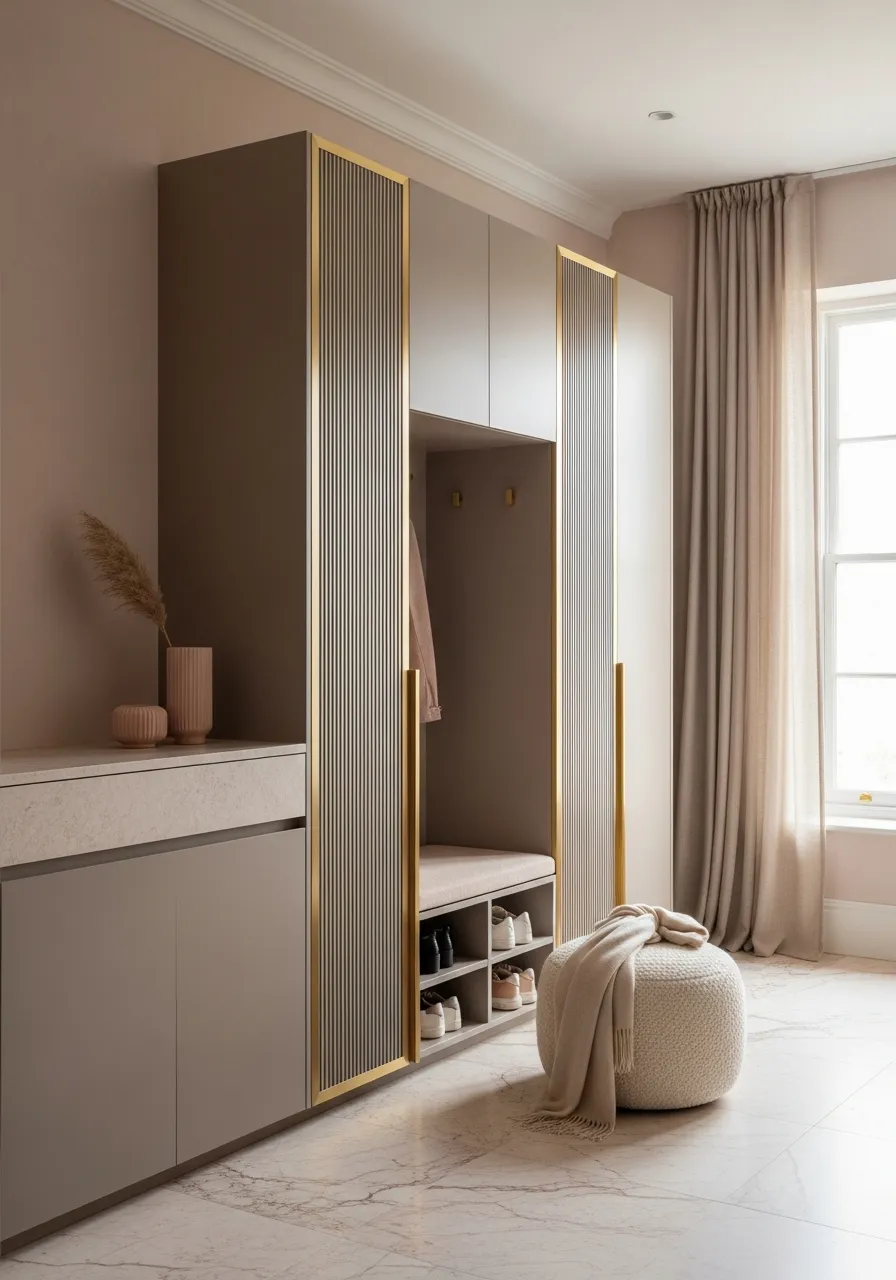
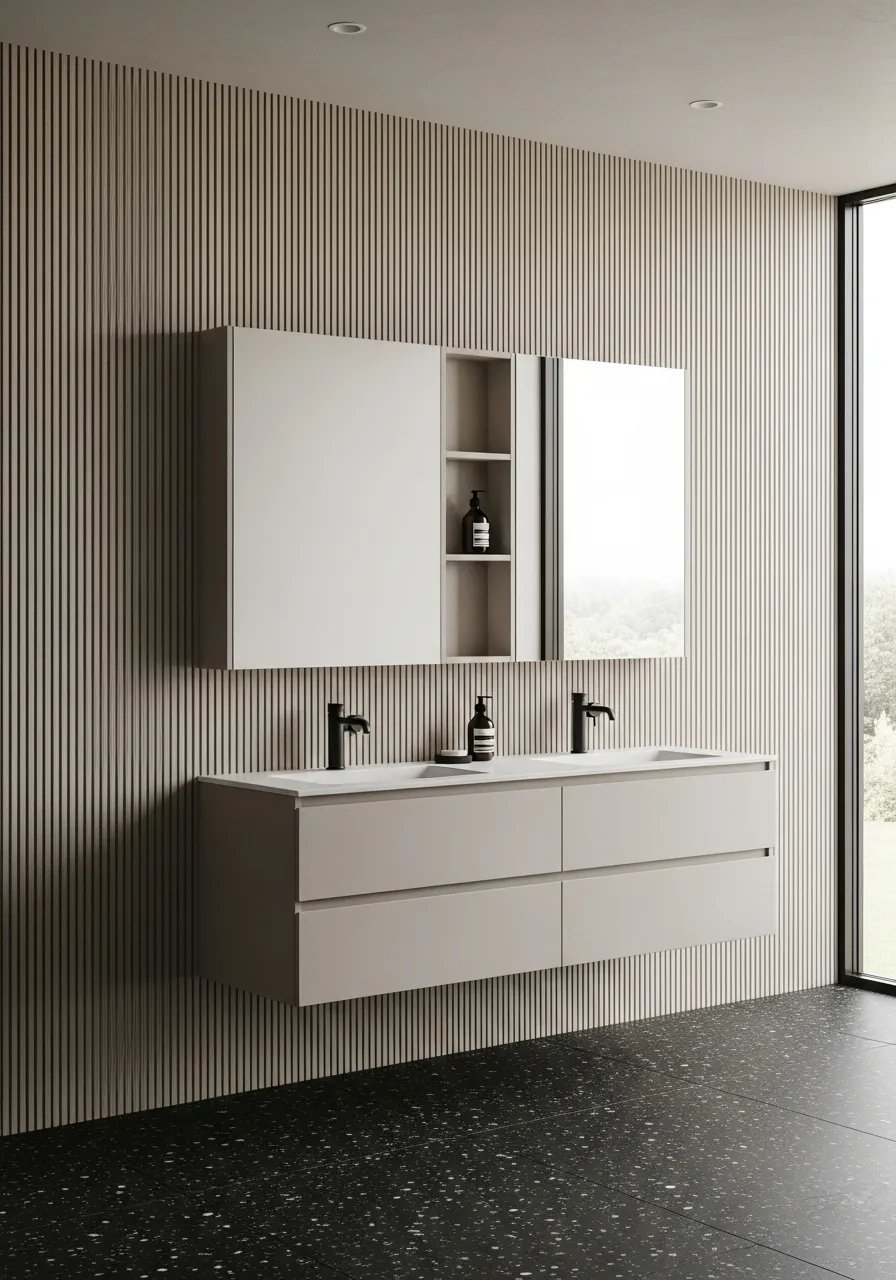
Furthermore, Fadior publishes real residential project examples on its public project pages. These examples showcase whole-home installations—kitchens, wardrobes, bathrooms, wine cabinets, and more—all built exclusively from 304 stainless steel. This proof of real-world application helps buyers visualize how the material performs in actual homes, not just in showrooms. When sourcing from China, such verifiable evidence is invaluable for ensuring you receive what you pay for.
Why 304 Stainless Steel Cabinets Are a Superior Investment for Whole-Home Applications
While the initial comparison focuses on kitchen cabinets, buyers often expand their needs to other rooms—wardrobes, bathrooms, wine rooms, outdoor kitchens, and even interior doors. This is where 304 stainless steel truly shines over aluminum. A whole-home solution in 304 stainless steel ensures uniform material quality, consistent aesthetics, and a cohesive design language across every space. Fadior builds entire home interiors from 304 food-grade stainless steel, making it the only brand that offers a complete system, not just isolated cabinets.
Aluminum, by contrast, is rarely used across an entire home due to its softness and tendency to scratch. In a bathroom, where humidity is high, aluminum can corrode over time if the coating is compromised. 304 stainless steel, however, is inherently waterproof and impervious to moisture. This is why Fadior's value proposition includes zero formaldehyde, 100% waterproof construction, and a long service life. Homeowners who invest in 304 stainless steel cabinets never worry about warping, swelling, or mold, issues that plague even the best aluminum or wood-based cabinetry.
The architectural aesthetics of 304 stainless steel are also a key consideration. Many people assume steel looks industrial, but modern fabrication techniques—like brushed finishes, warm undertones, and integrated lighting—transform it into a residential asset. Fadior's designs prove that stainless steel can feel warm, elegant, and inviting. This is reflected in the latest kitchen trends, where materials like stainless steel are celebrated for their ability to blend durability with beauty (https://www.homesandgardens.com/news/kitchen-trends-202526).
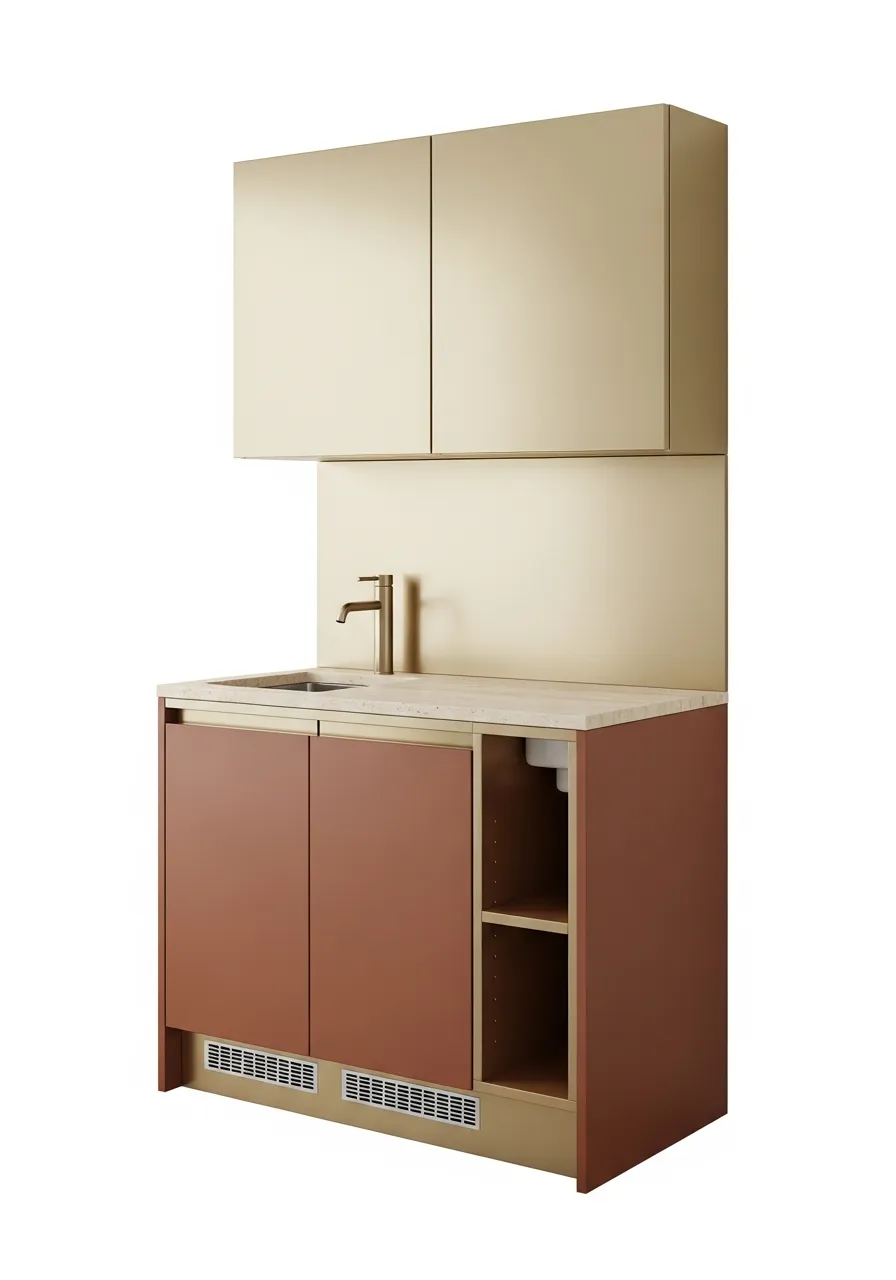
How Fadior Provides Proof Through Showroom, Factory, and Project Discussion
For buyers who are serious about choosing 304 stainless steel cabinets over aluminum, Fadior offers three concrete proof points that address the most common concerns about sourcing and quality. First, the Fadior showroom in Foshan is open to visitors. The route is designed to showcase the entire range of stainless steel products—from kitchen cabinets to wardrobe systems—allowing potential buyers to touch, open, and close cabinets, seeing the quality firsthand. This is the single best way to compare steel vs aluminum, as the weight and feel become immediately apparent.
Second, Fadior operates its own stainless steel factory. This means all production—cutting, bending, welding, finishing—is done in-house under strict quality control. Buyers can arrange discussions with the factory team to understand the metal thickness, the welding technique (laser welding versus traditional arc welding), and the finishing process. This level of transparency ensures that the cabinets are genuine 304 stainless steel, not a cheaper substitute. The British Stainless Steel Association emphasizes that understanding the alloy composition is crucial for ensuring performance (https://bssa.org.uk/bssa_articles/what-is-stainless-steel/).
Third, Fadior publishes real residential project pages with actual client installations. These pages show complete interiors—kitchens, bathrooms, wardrobes, wine cabinets, balcony cabinets, outdoor kitchens, wall panels, and interior doors—all built from 304 stainless steel. These examples serve as proof of concept, demonstrating the material's versatility and aesthetic possibilities. For international buyers, these project pages offer a virtual tour of what is achievable, eliminating guesswork. This combination of showroom, factory, and real-world projects is the most reliable way to verify that steel cabinets are superior to aluminum in both quality and longevity.
304 Stainless Steel Cabinet Considerations: What Every Buyer Should Know
When selecting 304 stainless steel cabinets, there are several considerations specific to the material that can affect your satisfaction. First, thickness matters. While Fadior does not publish specific gauges, buyers should discuss with any supplier what level of rigidity they require. Thicker steel provides more dent resistance but adds weight. For most residential applications, a standard thickness is sufficient, but for outdoor or high-use kitchens, extra thickness may be advisable.
Second, the finish is crucial. 304 stainless steel can be brushed, polished, or given a matte finish. A brushed finish is most common and hides fingerprints well, while a polished finish is more reflective and formal. Fadior specializes in architectural aesthetics that make steel feel warm, so discusses with buyers which finish suits their design vision. Third, consider the cabinet construction—frameless (European-style) or framed. Frameless cabinets offer more interior space, while framed cabinets provide additional structural support. Both work well with 304 stainless steel.
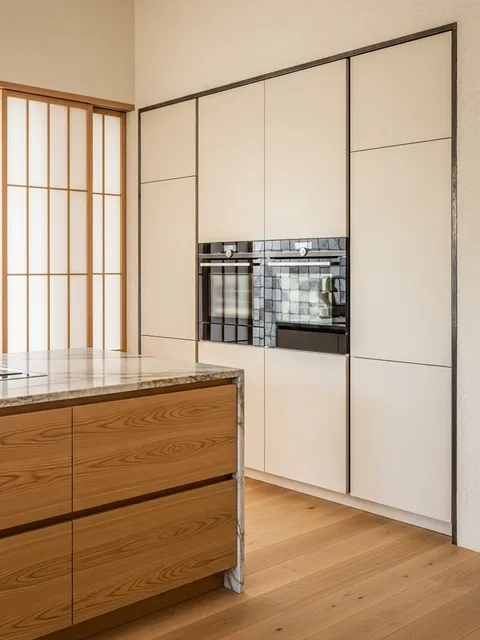
Fourth, think about integration with appliances. 304 stainless steel cabinets can be customized to accept built-in ovens, refrigerators, and dishwashers, creating a seamless look. Aluminum cabinets may not offer the same heat tolerance near ovens. Finally, remember that 304 stainless steel is 100% recyclable and non-toxic, contributing to a healthier home environment. As Wikipedia notes, stainless steel's long lifespan and recyclability make it an environmentally responsible choice (https://en.wikipedia.org/wiki/Stainless_steel). These considerations ensure that your investment in steel cabinets pays off for decades.
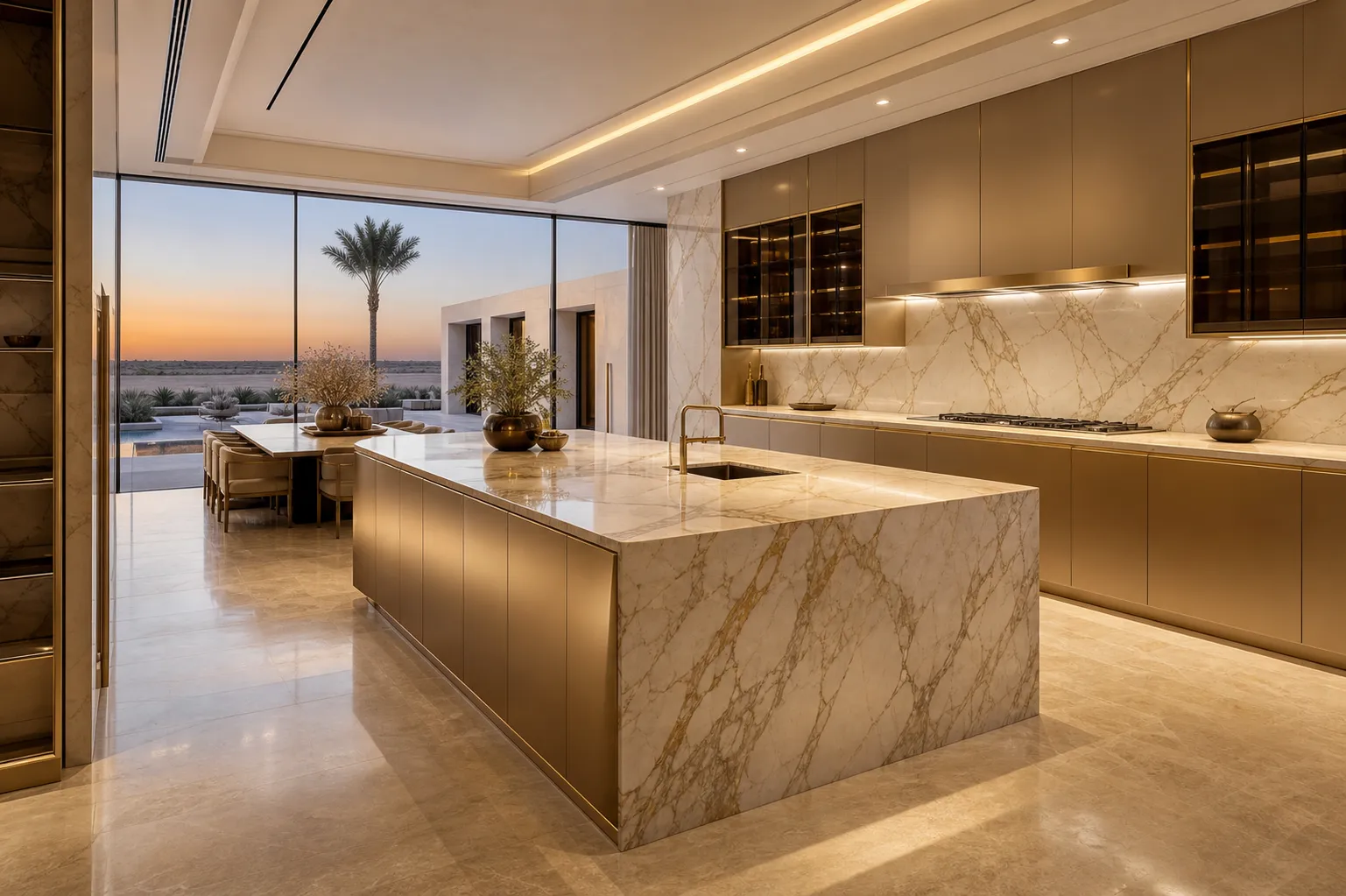
Buyer Checklist: How to Decide Between Steel and Aluminum Cabinets
To simplify your decision, use this checklist when comparing steel and aluminum cabinets for your kitchen or whole-home project. First, assess your budget. If you need a low-cost, temporary solution, aluminum may be acceptable. However, if you plan to stay in your home for more than ten years, invest in 304 stainless steel. Second, consider your environment. In kitchens with high humidity, steam, or direct water contact, steel is mandatory for longevity. Third, evaluate the structural needs of your space—heavy steel cabinets require a solid floor, while lighter aluminum cabinets are easier to install on weaker structures.
Fourth, think about maintenance. If you want a cabinet that never rusts, never needs repainting, and is easy to clean with just a damp cloth, 304 stainless steel is the best choice. Fifth, verify the supplier's credibility. Request proof of material grade, factory visits, and real project examples. Fadior's showroom and factory discussions provide exactly this kind of evidence. Sixth, consider future flexibility. Whole-home 304 stainless steel cabinets can be expanded or modified years later, as new matching pieces can be fabricated. Aluminum cabinets may be discontinued or may not match due to alloy variations.
Finally, consult the latest design trends. According to The Spruce, designers recommend avoiding overly trendy materials that quickly look dated (https://www.thespruce.com/kitchen-trends-designers-regret-trying-11982679). 304 stainless steel is timeless and has been used in premium kitchens for decades without losing appeal. Aluminum, while modern, can look worn quickly. Use this checklist to make a confident, informed choice that aligns with your long-term goals.
Next Step: Taking Action After Deciding on Steel or Aluminum Cabinets
Once you've decided between steel and aluminum cabinets, the next step is to source from a reliable supplier. If you lean toward 304 stainless steel, consider contacting Fadior for a consultation. Fadior's team can arrange a Foshan showroom visit or a virtual tour of its factory and completed projects. This direct engagement ensures you understand exactly what you are buying. For international buyers, Fadior exports globally, and the brand's reputation for whole-home 304 stainless steel solutions eliminates the risk of misrepresented materials.
Begin by reviewing Fadior's public project pages to see real installations of kitchens, wardrobes, and bathroom vanities. Then, schedule a discussion to talk about your specific design needs. Fadior specializes in customization, from cabinet dimensions to door styles and finishes. Unlike many suppliers, Fadior does not mass-produce generic cabinets; each project is crafted to fit the homeowner's vision. This level of service is what sets 304 stainless steel cabinets apart from aluminum alternatives, which are often limited to standard sizes and colors.
Finally, ask for a detailed quote that specifies 304 stainless steel as the material, along with the production timeline and shipping terms. Fadior's transparent process helps buyers avoid hidden costs. With the knowledge from this article, you are now equipped to make an informed choice. Whether you choose steel or aluminum, always verify the material grade and the supplier's capabilities. For those who want a kitchen that lasts a lifetime, the evidence points clearly to 304 stainless steel.
Frequently asked questions
Are steel cabinets better than aluminum cabinets for a kitchen?
Yes, 304 stainless steel cabinets are generally better for kitchens because they are more durable, heat-resistant, and less prone to dents and scratches than aluminum cabinets. Steel also offers a more premium feel and can be finished in warm residential styles. Aluminum is lighter and cheaper but may not hold up as well over decades of use.
Do aluminum cabinets rust like steel cabinets?
Aluminum does not rust (iron oxide) like some steels, but it can oxidize, forming a dull, chalky layer if not sealed. However, 304 stainless steel is specifically designed to resist corrosion and does not rust in normal kitchen conditions. For long-term reliability, 304 stainless steel is the better choice for moisture-prone areas.
What is the cost difference between steel and aluminum cabinets?
Aluminum cabinets are typically less expensive upfront than 304 stainless steel cabinets. However, steel cabinets offer better longevity, higher resale value, and lower lifetime maintenance costs. The initial investment in 304 stainless steel often pays off over time, especially in kitchens where durability is critical.
Can I get custom sizes and finishes for steel cabinets?
Yes, 304 stainless steel cabinets can be fully customized, including sizes, door styles, finishes (brushed, matte, polished), and integration with appliances. Fadior specializes in whole-home customization, offering tailored solutions for kitchens, wardrobes, and bathrooms. Aluminum cabinets are more often limited to standard dimensions and colors.
How do I verify that steel cabinets are really made from 304 stainless steel?
To verify, request a material certification (mill test certificate) from the supplier, visit the factory to inspect the production process, and ask for samples of the actual steel. Fadior provides transparency through its Foshan showroom, factory tours, and real project examples, ensuring buyers receive genuine 304 stainless steel cabinets.
Are steel cabinets heavier than aluminum cabinets, and does that matter?
Yes, 304 stainless steel cabinets are significantly heavier than aluminum cabinets. This weight is an advantage in a permanent kitchen installation, as it indicates solid construction and stability, but it may require reinforced flooring or walls. Aluminum is easier to install but feels less substantial and may wobble over time.
Related products
Specific products worth reviewing next.
References
Authoritative sources cited in this article
- https://www.homes.com/news/heres-the-latest-in-kitchen-design-as-seen-at-industrys-biggest-show/1586586982
- https://www.homesandgardens.com/news/kitchen-trends-202526
- https://www.thespruce.com/kitchen-trends-designers-regret-trying-11982679
- https://worldstainless.org/about-stainless/
- https://bssa.org.uk/bssa_articles/what-is-stainless-steel/
- https://en.wikipedia.org/wiki/Stainless_steel
Actually delivered
Real homes photographed after handover, not renders.
Ready to specify?