
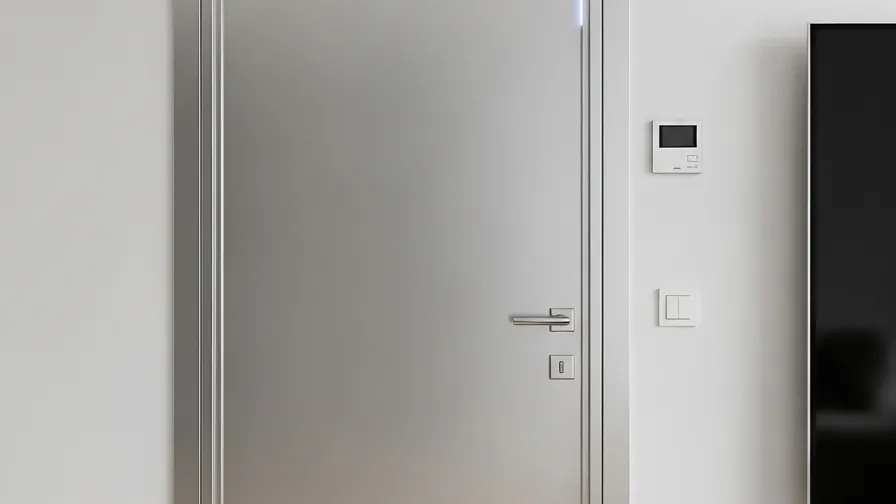
The Art of Custom Kitchen Cabinets: Elevating Your Luxury Kitchen
Learn how to buy custom kitchen cabinets that last. This guide covers supplier verification, 304 stainless steel options, and how to avoid sourcing pitfalls.
Direct Answer: What Are Custom Kitchen Cabinets and How Do You Get Them Right?
Custom kitchen cabinets are built to your exact specifications—size, layout, material, finish, and hardware—rather than pulled from a standard size catalog. According to Wikipedia's entry on kitchen cabinets, custom cabinets are distinct from stock or semi-custom options because they are fabricated for a specific space and client (https://en.wikipedia.org/wiki/Kitchen_cabinet). For the homeowner who typed this search, the direct answer is this: custom cabinets give you total control over material, storage, and design, but they also require a deeper verification of your supplier. You are not just buying a product; you are commissioning a construction project that will live in your home for decades.
The key to getting custom kitchen cabinets right is not merely choosing a style—it is choosing a builder who can deliver on precision, material quality, and long-term durability. The NKBA’s 2024 Kitchen and Bath Market Outlook Report confirms a long-term strength in the kitchen and bath market, noting that homeowners continue to invest in quality renovations even amidst economic shifts (https://nkba.org/research/kitchen-bath-market-outlook/nkbas-2024-kitchen-and-bath-market-outlook-report-long-term-strength-in-kb-market-despite-expected-dip-in-residential-spending). This means your investment in custom cabinetry is sound, but only if you partner with a manufacturer that offers real craftsmanship rather than assembly-line output.
This article will walk you through everything you need to know to buy custom kitchen cabinets with confidence: what to verify when sourcing globally, the material considerations that matter, and the proof points that separate genuine custom shops from middlemen.
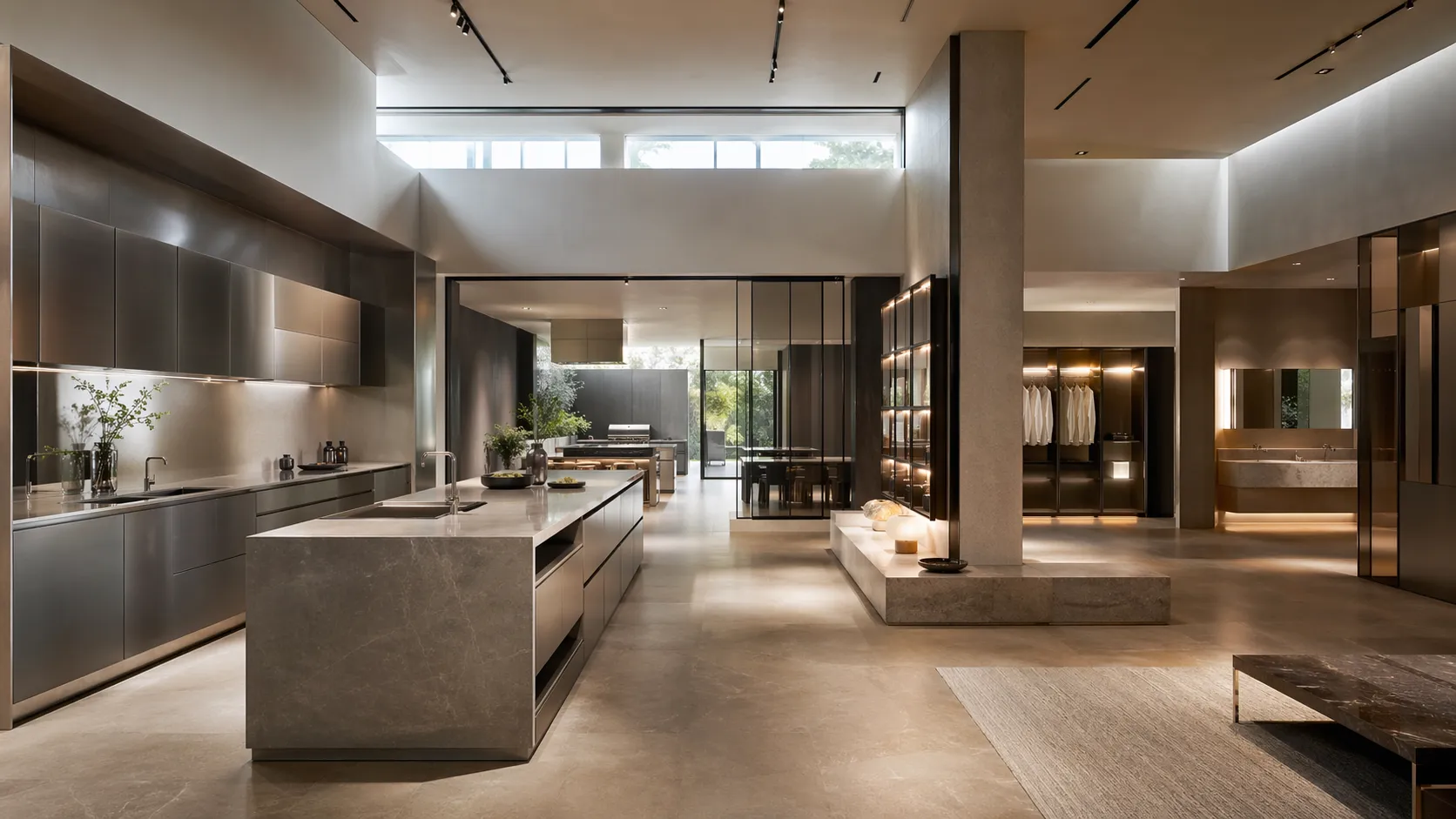
What to Verify in Foshan or China Sourcing for Custom Kitchen Cabinets
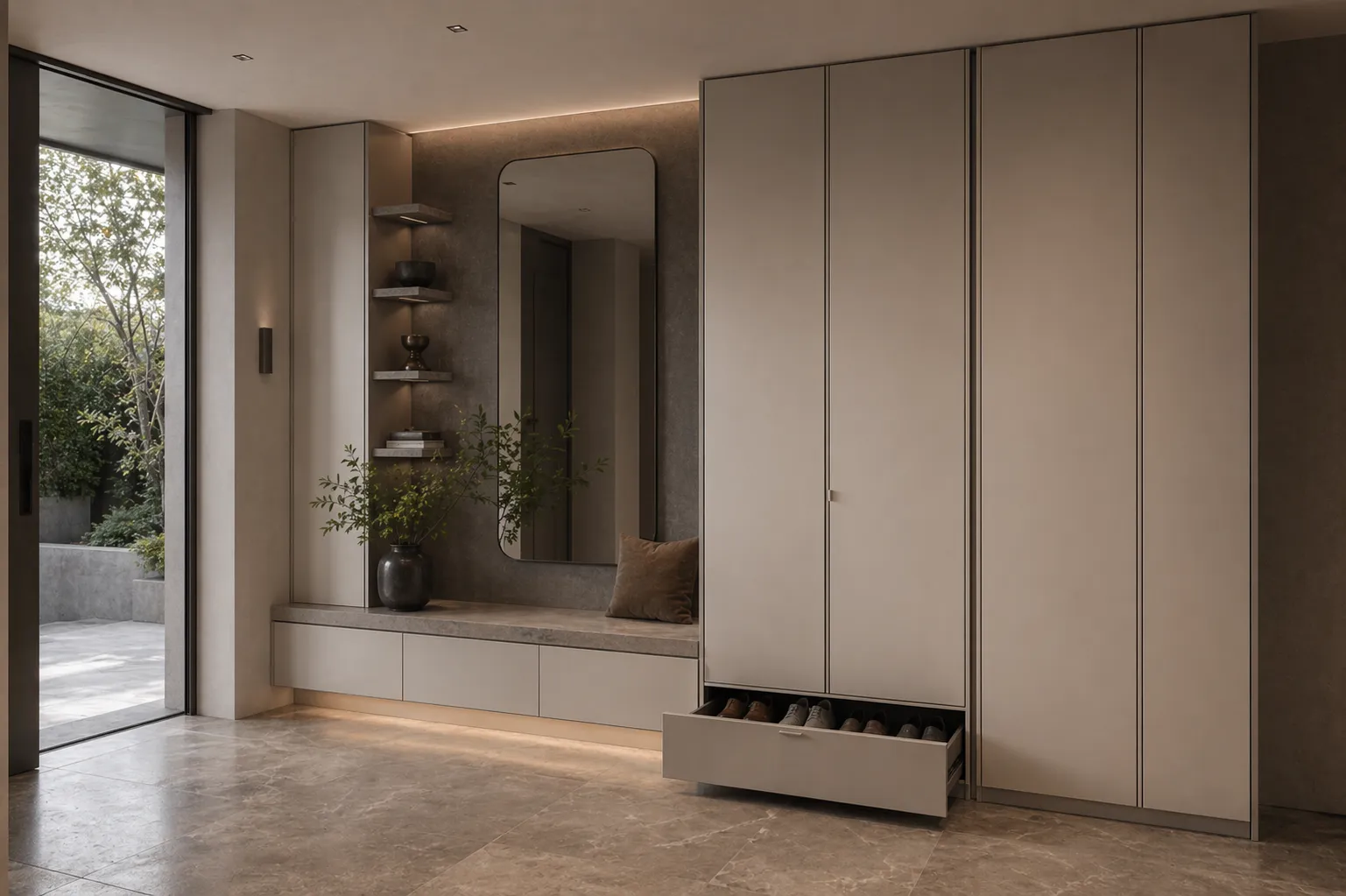
Foshan, China, is the global hub for furniture and cabinetry manufacturing, including custom kitchen cabinets. Many buyers are drawn to Foshan for its pricing and production scale, but the landscape varies dramatically from one supplier to the next. When sourcing from Foshan, you must verify three things: whether the supplier owns a factory, whether they have a physical showroom you can visit or virtually tour, and whether they can provide documented examples of real residential projects. Without these verifications, you are buying blind.
The first thing to verify is factory ownership. Many suppliers in Foshan are trading companies that take orders and then subcontract production to a third party. This creates a gap in quality control. You need to ask: Do you own your own factory? Can I see a video of the production line? A supplier that operates its own stainless steel factory can answer yes. For example, Fadior runs its own stainless steel cabinet factory, which allows for direct quality oversight and consistent material sourcing. Always request a live or recorded factory tour to see the equipment, dust collection systems, and finishing stations.
Second, confirm the showroom is real and accessible. A showroom is not a luxury—it is a necessity for evaluating finish samples, door profiles, and hardware in person. Many suppliers claim to have a showroom but instead show a small office with a few samples. Ask for the showroom address and, if possible, schedule a visit. Fadior maintains a physical showroom in Foshan with a documented visit route, allowing buyers to see complete kitchen, wardrobe, and bathroom vanity installations in real space rather than on a screen. If you cannot travel, request a 360-degree video walkthrough.
Finally, demand project proof. A supplier that has completed custom kitchen cabinet projects for real homeowners will have a portfolio with photos, floor plans, and even client testimonials. Look for variety—not just one style of cabinet but different layouts, finishes, and room types. Fadior publishes real residential project examples on its public pages, covering whole-home interiors from kitchens to wall panels, which demonstrates their capability to execute custom work at scale. If a supplier cannot show you three or more distinct custom projects, move on.
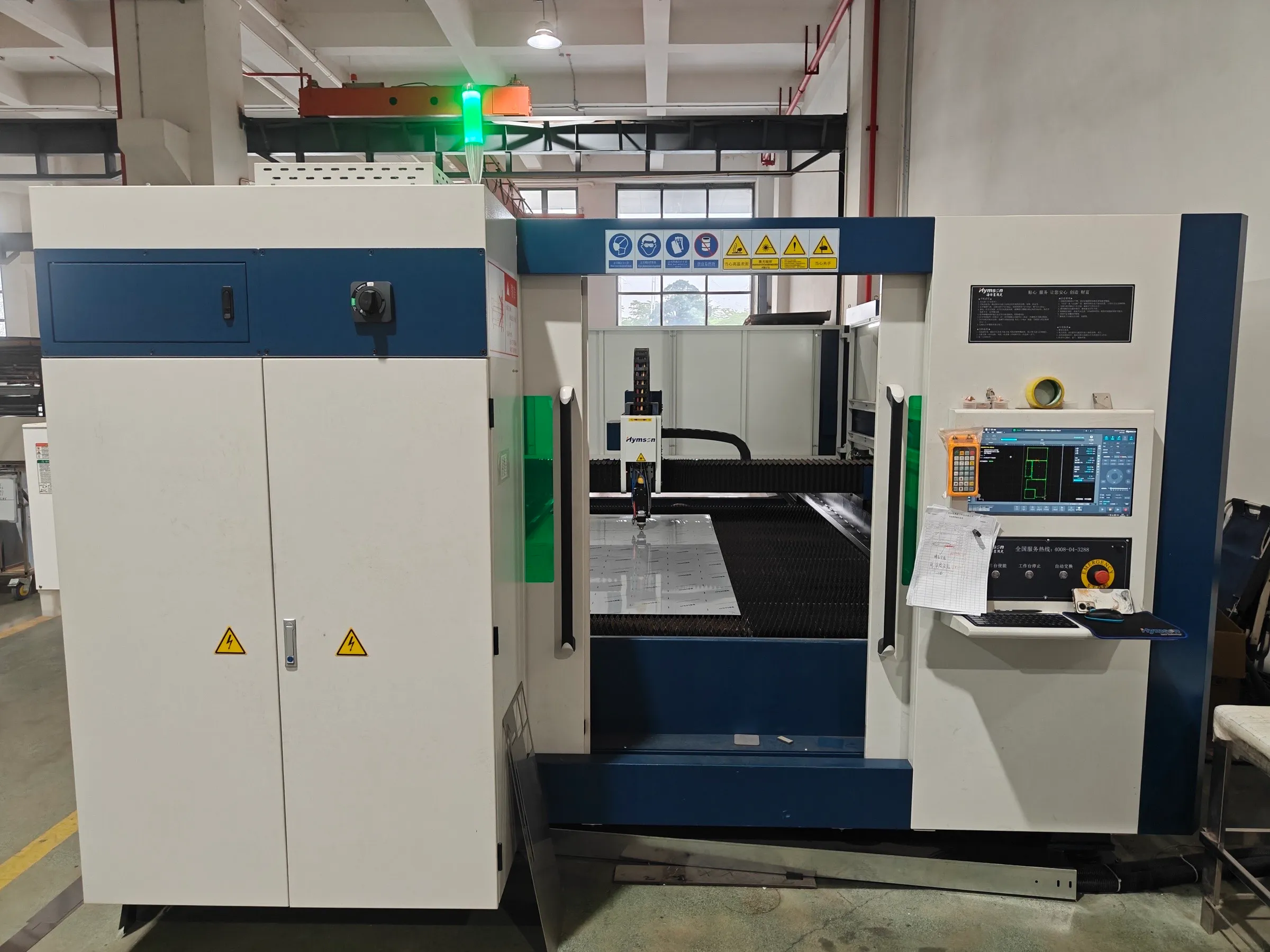
How Fadior Provides Proof Through Showroom, Factory, and Project Discussion
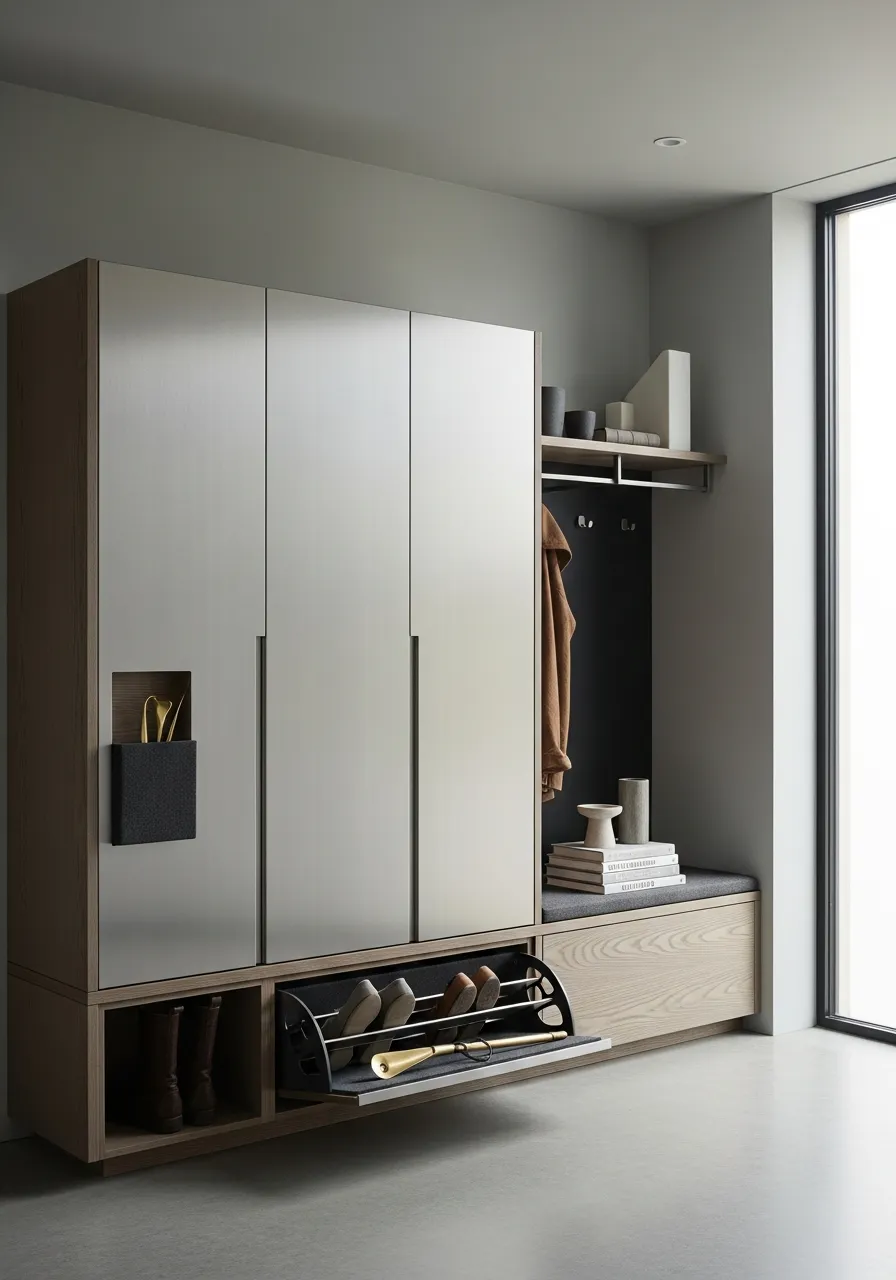
Fadior's approach to transparency is built on three pillars: the showroom, the factory, and the project archive. These are not marketing claims—they are verifiable touchpoints that any serious buyer can use to evaluate whether Fadior is the right partner for their custom kitchen cabinets. Starting with the showroom, Fadior operates a physical location in Foshan that is open to international buyers and designers. This showroom is not a catalog display; it is a full-scale walkthrough of whole-home interiors made exclusively from 304 stainless steel. Visitors can open drawers, test soft-close mechanisms, and feel the surface finish of the steel. This tactile evaluation is critical because custom cabinets are not just seen—they are touched, used, and lived with every day.
The factory is the second pillar. Fadior owns and operates its own stainless steel cabinet factory, which means every sheet of 304 stainless steel is cut, bent, welded, and finished under one roof. This vertical integration reduces lead times and ensures that the material grades are consistent. During a factory discussion, you can see the raw 304 stainless steel coils, the laser cutting machines, and the assembly stations. You can also ask about the welding technique and the surface treatment process. Fadior's factory tour gives buyers confidence that the cabinets are not being subcontracted to an unknown third party.
The third pillar is real project discussion. Fadior publishes examples of completed residential projects on its website, covering kitchens, wardrobes, bathroom vanities, wine cabinets, balcony cabinets, outdoor kitchens, wall panels, and interior doors. These are not renderings — they are photographs of installed cabinets in actual homes. Seeing a 304 stainless steel kitchen in a warm residential setting, rather than a cold commercial kitchen, shows that the material can achieve architectural aesthetics suitable for a luxury home. This project proof is the most reliable indicator that Fadior can handle your custom requirements.
304 Stainless Steel Cabinet Considerations for Custom Kitchen Cabinets
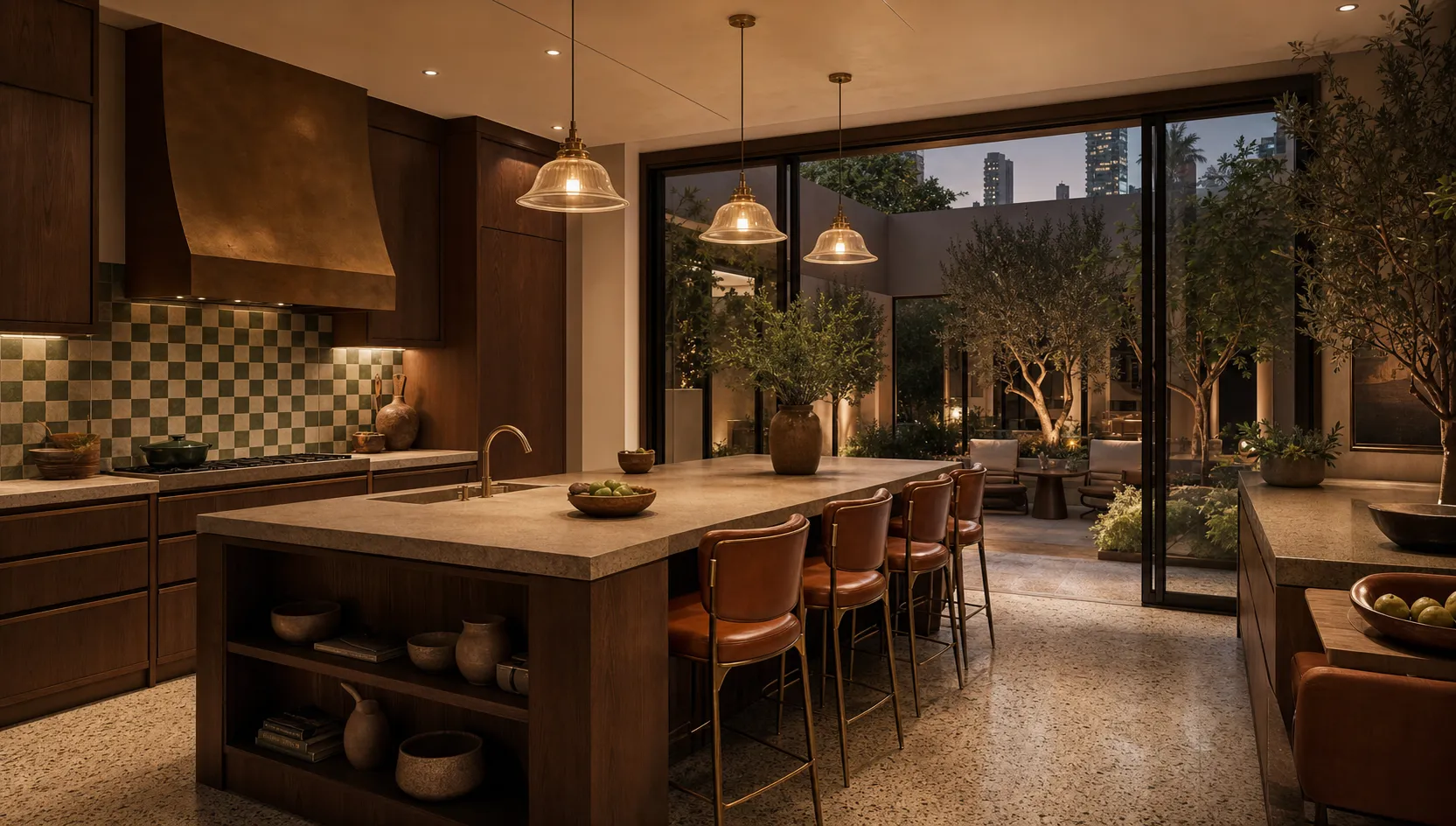
When choosing a material for custom kitchen cabinets, 304 stainless steel stands out for its durability, hygiene, and aesthetic versatility. According to the British Stainless Steel Association, 304 stainless steel contains 18% chromium and 8% nickel, which gives it excellent corrosion resistance and formability (https://bssa.org.uk/bssa_articles/what-is-stainless-steel/). Worldstainless further explains that stainless steel is fully recyclable and its surface can be finished in numerous ways, from brushed to mirrored to patterned (https://worldstainless.org/about-stainless/). This makes it ideal for kitchen cabinetry, where surfaces must withstand moisture, heat, and daily impact.
However, there are important considerations. First, 304 stainless steel is a metal, and it conducts sound differently than wood. To reduce noise, quality manufacturers apply sound-dampening materials inside the cabinet panels. Fadior addresses this with construction techniques that make stainless steel feel warm and residential rather than industrial. Second, the thickness of the steel matters. Thicker steel (e.g., 1.0 mm or more) is more rigid and less prone to dents. When discussing your custom kitchen cabinets, always ask for the gauge of the 304 stainless steel being used. Thinner steel (0.5 mm or less) may be cheaper but can warp over time.
Third, the finish affects both appearance and maintenance. Brushed finishes hide fingerprints better than polished mirror finishes. Some manufacturers offer patterned or embossed steel that mimics wood grain or linen texture. Fadior’s approach emphasizes architectural aesthetics—their 304 stainless steel cabinets are designed to feel warm and residential, with finishes that integrate into living spaces rather than standing out as utilitarian. Finally, consider edge profiles and door construction. A full-wrapped door, where the steel wraps around an inner core, is more stable than a simple cladding. Custom kitchen cabinets in 304 stainless steel are an investment, and understanding these details ensures you get a product that performs for decades.
Buyer Checklist for Custom Kitchen Cabinets
To help you evaluate any supplier, here is a checklist derived from industry best practices and the verification points discussed above. Use this when you contact a custom kitchen cabinet manufacturer, whether in Foshan or elsewhere. First, confirm factory ownership: ask directly, and request a video of the production line. Second, verify the showroom: get the address, ask for a live video tour if you cannot travel, and check that they display multiple room types. Third, review real projects: ask for at least three examples of completed residential installations with photos. Fourth, specify material grade: for metal cabinets, insist on 304 stainless steel and ask for material certificates. Fifth, discuss lead times and shipping logistics: custom cabinets take longer than stock, so understand the timeline from design approval to delivery.
Sixth, understand the warranty: what does it cover, and for how long? A reputable manufacturer will stand behind their work. Seventh, request samples: even if you cannot see the full showroom, ask for physical swatches of the 304 stainless steel finish and hardware. Eighth, check for certifications: while not mandatory, ISO quality management certifications indicate a systematic approach. Ninth, read the NKBA market outlook (https://nkba.org/research/kitchen-bath-market-outlook/nkbas-2024-kitchen-and-bath-market-outlook-report-long-term-strength-in-kb-market-despite-expected-dip-in-residential-spending) to understand the economic context of your purchase. Tenth, trust your instincts: if a supplier is evasive about any of these points, it is a red flag.
Your next step after completing this checklist should be to reach out to a shortlist of suppliers. Start with a simple inquiry: ask for a quote for your specific kitchen layout, and see how they respond. A professional custom cabinet supplier will ask you for your floor plan, style preferences, and material requirements before quoting. Fadior, for instance, engages buyers in a design discussion that covers the whole home, not just the kitchen. This approach reflects their whole-home interior capability, which can be a significant advantage if you plan to also customize wardrobes, vanities, or other rooms. Ultimately, the right supplier will make you feel informed, not rushed.
Real-World Examples of Custom Kitchen Cabinets in Action
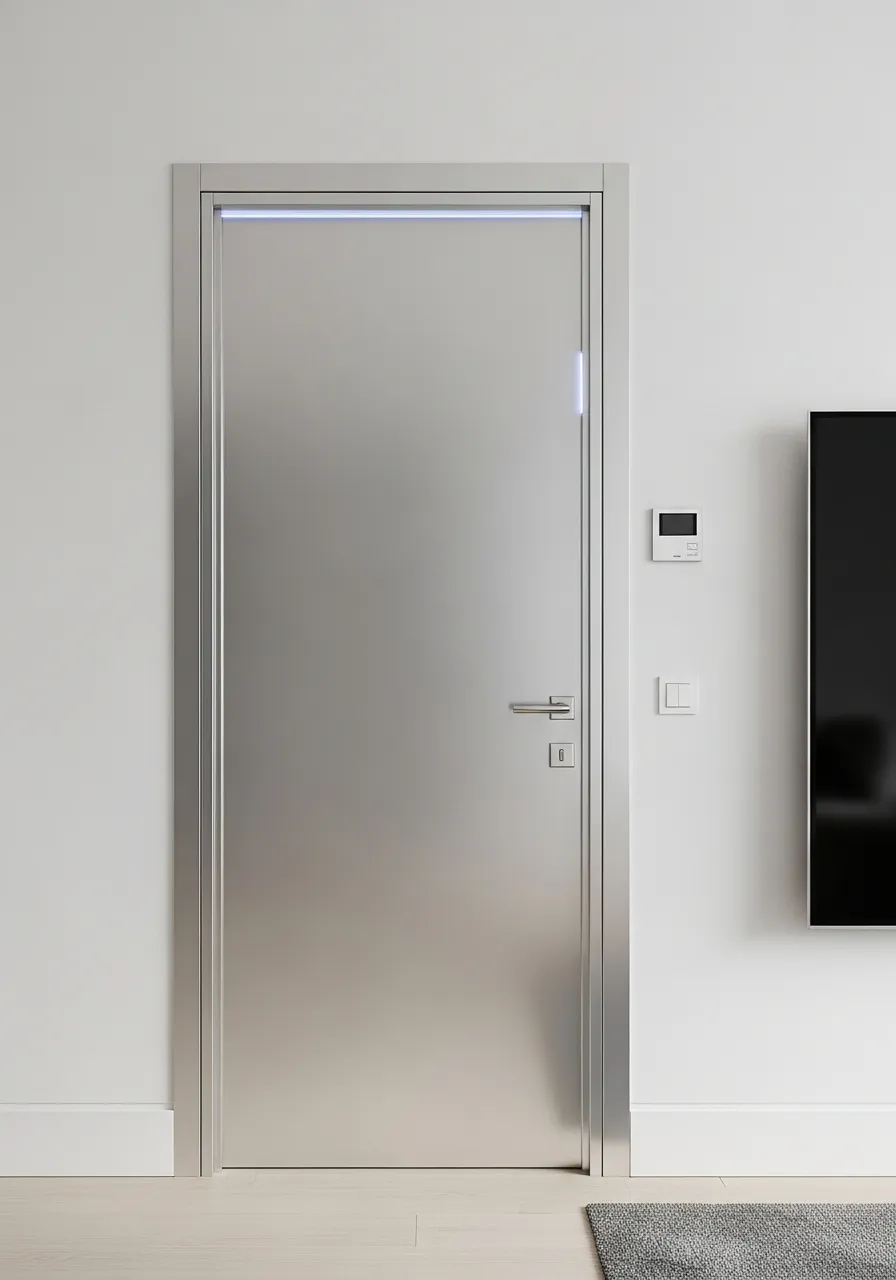
To ground these considerations in reality, let us look at what the kitchen design industry is showcasing. A recent article from Homes.com covered the latest in kitchen design as seen at the industry's biggest show, noting a trend toward natural materials, integrated appliances, and personalized storage solutions (https://www.homes.com/news/heres-the-latest-in-kitchen-design-as-seen-at-industrys-biggest-show/1586586982). Custom kitchen cabinets are the vehicle for these trends because they allow for built-in spice racks, pull-out pantries, and hidden charging stations that stock cabinets cannot accommodate. The same article highlights that homeowners are moving away from purely minimalist designs and toward warmer, more textured environments. This aligns with Fadior's approach to using 304 stainless steel in ways that feel warm and residential.
Another perspective comes from Kitchen & Bath Design News, which regularly covers innovative kitchen cabinetry solutions (https://www.kitchenbathdesign.com). Their editorial focus on design and function reinforces that custom cabinetry is not just about storage—it is about the architectural integration of the kitchen into the home. In a luxury kitchen, cabinets are furniture. They must stand up to daily use while also being visually cohesive with the adjacent living and dining spaces. Custom cabinets in 304 stainless steel meet this need because they can be fabricated in any size, with any door profile, and matched to specific hardware finishes.
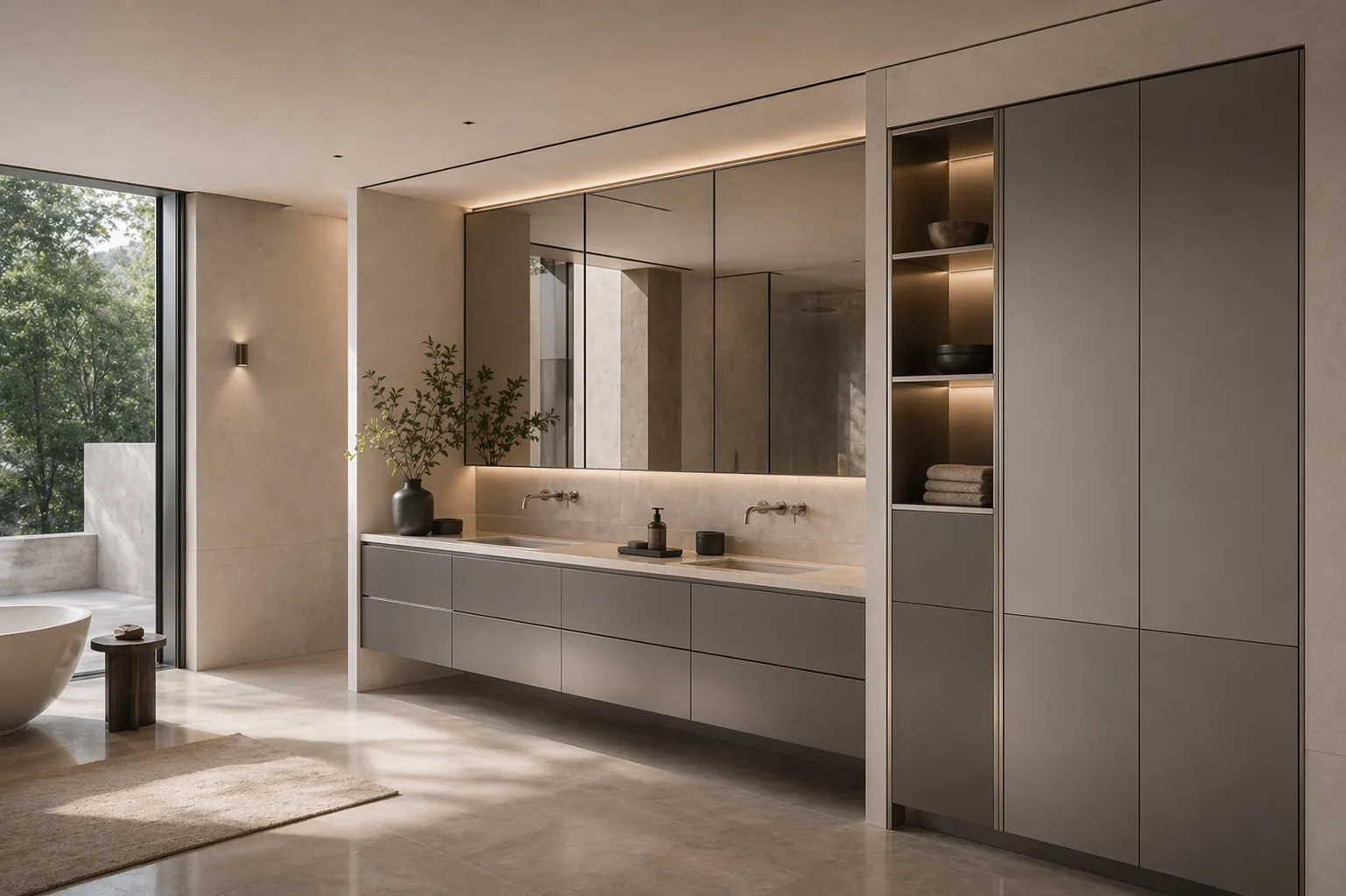
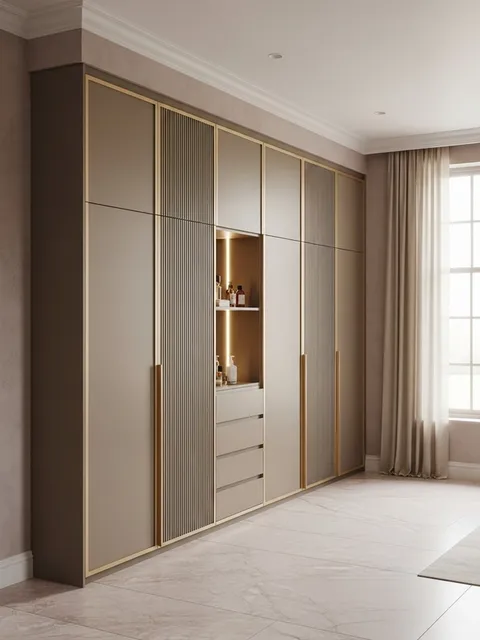
For a real-world example of a whole-home stainless steel interior, consider the Fadior project gallery. You can see a kitchen with 304 stainless steel cabinets that incorporate wood-grain-etched panels, soft-close drawers, and integrated ambient lighting. The cabinets are not the sterile metal boxes of a commercial kitchen; they have the warmth of natural materials while providing the waterproof and zero-formaldehyde benefits of steel. This is the direction of luxury custom kitchen cabinets: materials that perform at a technical level but look like they belong in a home. When you select a supplier, ask to see a comparable project that matches your vision.
How to Start the Custom Kitchen Cabinet Design Process
Starting the custom kitchen cabinet design process requires a clear brief. First, measure your kitchen carefully, including ceiling height, window and door locations, and any obstructions such as pipes or ductwork. If you are not confident in your measurements, hire a local kitchen designer or architect to produce accurate as-built drawings. Second, decide on your storage priorities: do you need deep drawers for pots, a pull-out pantry for dry goods, or a dedicated space for small appliances? Custom cabinets can accommodate all of these, but you need to list them in advance to inform the design.
Third, select your materials early. If you are considering 304 stainless steel, understand that the decision will affect not only the cabinet boxes but also the doors, hardware, and countertop materials. Stainless steel pairs well with quartz, solid surface, or even concrete countertops. The NKBA market outlook notes that kitchen renovation spending remains strong because homeowners see the kitchen as a long-term investment (https://nkba.org/research/kitchen-bath-market-outlook/nkbas-2024-kitchen-and-bath-market-outlook-report-long-term-strength-in-kb-market-despite-expected-dip-in-residential-spending). This reinforces the importance of choosing materials that will last, rather than trendy options that may need replacing in a few years.
Fourth, research suppliers comprehensively. Use the checklist above to evaluate each candidate. Prepare a list of questions about material sourcing, lead times, and quality control. If you are considering a supplier like Fadior, ask specifically about the fabrication process for 304 stainless steel cabinets, the types of finishes available, and how they handle custom door dimensions. Fifth, request a design consultation. A good supplier will not just quote you a price; they will discuss your lifestyle, your kitchen layout, and the overall aesthetic of your home. This collaborative approach is the hallmark of true custom cabinet work.
The Long-Term Value of Investing in Custom Kitchen Cabinets
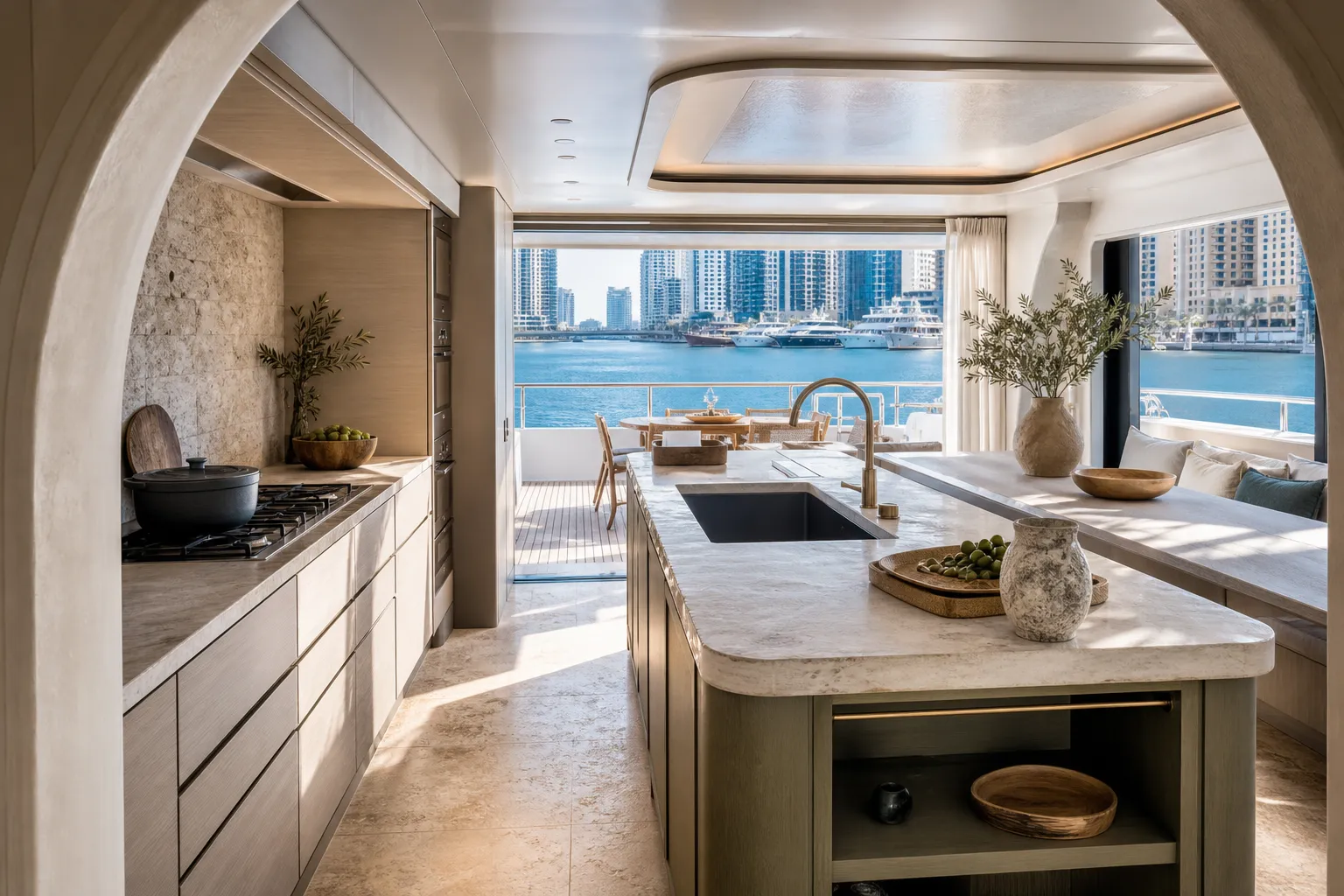
Custom kitchen cabinets are a significant financial commitment, but they offer long-term advantages that stock cabinets cannot. First, they maximize every inch of your kitchen. Because they are built to your exact measurements, you eliminate wasted space and can incorporate storage solutions that fit your specific cooking and living habits. Second, the quality of materials and construction is typically higher. When you choose 304 stainless steel cabinets, you get a product that resists water damage, does not emit formaldehyde, and will not warp or delaminate over time. This longevity is supported by the British Stainless Steel Association’s information on the durability of stainless steel (https://bssa.org.uk/bssa_articles/what-is-stainless-steel/).
Third, custom cabinets increase the resale value of your home. Luxury kitchen buyers recognize the difference between standard cabinets and fully bespoke installations. The NKBA report confirms that the kitchen and bath market shows long-term strength, which means that a premium kitchen is a sound investment for future resale. Fourth, custom cabinets allow you to express your personal style. Whether you prefer a modern, handle-less look or a traditional framed cabinet, custom fabrication gives you the freedom to design exactly what you want. Fadior's whole-home interior collection, including wall panels and doors, allows for a cohesive design language throughout your home, which is a hallmark of luxury living.
Finally, the peace of mind that comes from knowing your cabinets are built to last cannot be overstated. A supplier that owns its factory, maintains a showroom, and publishes real projects offers a level of accountability that is rare in the import market. When you invest in custom kitchen cabinets, you are investing in a room that will serve you for decades. Taking the time to verify every aspect of the supplier and the material ensures that your kitchen becomes the heart of your home, not a source of future repairs.
Frequently asked questions
What makes a kitchen cabinet truly custom versus semi-custom?
A truly custom kitchen cabinet is built from scratch to your exact dimensions, material choices, storage needs, and design details. Semi-custom cabinets are based on a standard size and construction system but allow some modifications like door style or finish. Custom cabinets offer unlimited flexibility, while semi-custom is limited to the manufacturer's existing design modules. The Wikipedia entry on kitchen cabinets explains that custom units are designed and built for a specific location (https://en.wikipedia.org/wiki/Kitchen_cabinet).
Is 304 stainless steel a good choice for custom kitchen cabinets?
Yes, 304 stainless steel is an excellent choice for custom kitchen cabinets because it is 100% waterproof, corrosion-resistant, and does not off-gas formaldehyde. It is also extremely durable and can be finished in multiple ways to suit residential aesthetics. According to the British Stainless Steel Association, 304 stainless steel has excellent formability and corrosion resistance (https://bssa.org.uk/bssa_articles/what-is-stainless-steel/). It is a premium material that works best in custom fabrication where precise sizing and fit are required.
How do I verify that a custom cabinet supplier actually owns their factory?
Ask the supplier directly for a video tour of their production facility, or request a live video call during their working hours. Look for signs of consistent operations, such as active machinery, staff in uniform, and materials in process. A supplier like Fadior, which operates its own stainless steel cabinet factory, can provide this transparency. Avoid suppliers who only show photos or offer vague answers about their production location.
Can custom kitchen cabinets in 304 stainless steel look warm and residential, not like a commercial kitchen?
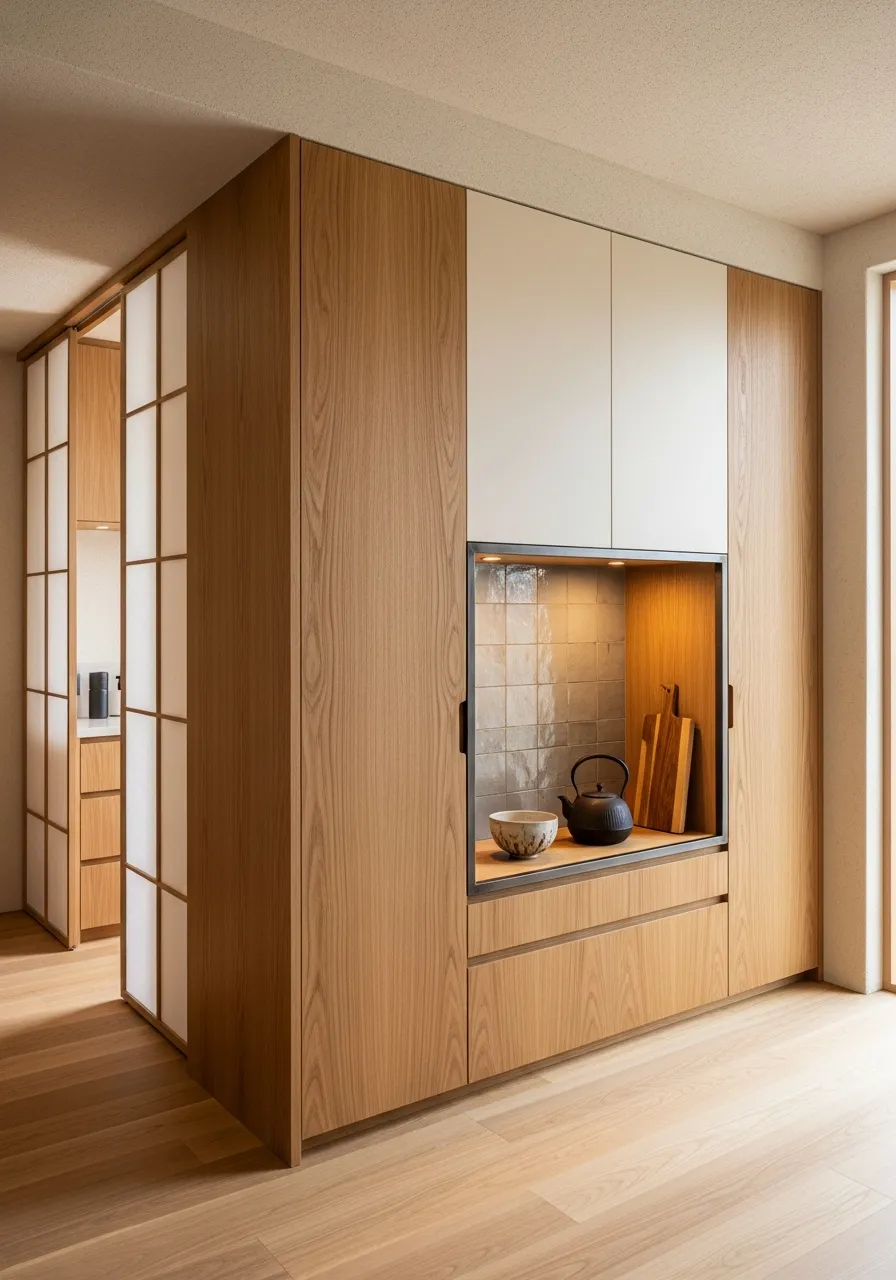
Absolutely. The key is in the surface finish, door profile, and integration with other materials. Brushed, etched, or patterned finishes on 304 stainless steel can mimic the warmth of natural wood or linen. Fadior's approach, for example, emphasizes architectural aesthetics that make stainless steel feel warm and residential, using design details like soft-close hinges, integrated lighting, and custom hardware. A professional custom cabinet builder can show you project examples that achieve this look.
What should I ask during a custom kitchen cabinet design consultation?
During a consultation, ask about the material grade (insist on 304 stainless steel), the thickness of the steel, the construction method (full-wrapped or cladded doors), the warranty terms, and the lead time. Also, ask to see real project portfolios and request references if possible. Discuss storage solutions specific to your cooking habits, like pull-out spice racks or vertical pan dividers. A good supplier will guide you through these decisions based on your kitchen layout and lifestyle.
Related products
Specific products worth reviewing next.
References
Authoritative sources cited in this article
- https://www.kitchenbathdesign.com
- https://www.homes.com/news/heres-the-latest-in-kitchen-design-as-seen-at-industrys-biggest-show/1586586982
- https://en.wikipedia.org/wiki/Kitchen_cabinet
- https://worldstainless.org/about-stainless/
- https://bssa.org.uk/bssa_articles/what-is-stainless-steel/
- https://nkba.org/research/kitchen-bath-market-outlook/nkbas-2024-kitchen-and-bath-market-outlook-report-long-term-strength-in-kb-market-despite-expected-dip-in-residential-spending
Actually delivered
Real homes photographed after handover, not renders.
Ready to specify?