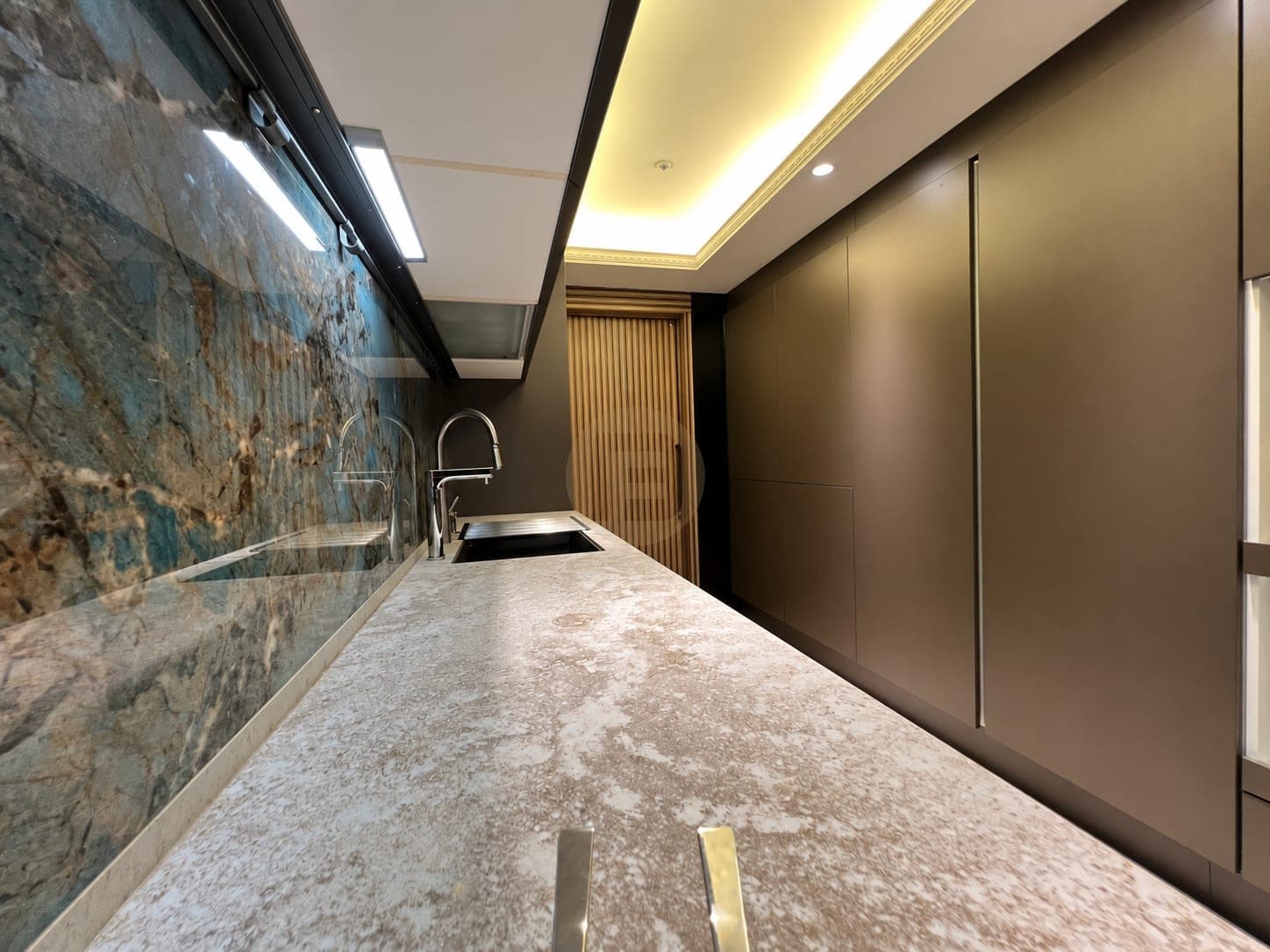

- 304 stainless steel is a standardised austenitic stainless-steel grade used when a solid, corrosion-resistant cabinet-body material is required.
What is 304 stainless steel in plain language?
Stainless steel is an alloy, not a single metal. The family is defined by chromium and contains grades with their own properties and standards. 304 is an established austenitic grade. The British Stainless Steel Association maps 1.4301 to AISI 304, so both references can appear in one specification.
That shared designation narrows the conversation. State which cabinet component uses the grade and which parts have another material or finish. A line such as “cabinet body: AISI 304 / EN 1.4301” is more useful than a broad promise about an entire room. Read the Fadior 304 material guide for the published cabinet-body scope. Read the Fadior 304 material guide when you need the published cabinet-body scope. Read the Fadior 304 material guide when you need the published cabinet-body scope. Read the Fadior 304 material guide when you need the published cabinet-body scope. Read the Fadior 304 material guide when you need the published cabinet-body scope.
How is 304 different from a coating or a decorative finish?
The grade describes the solid body material. A finish describes what you see and touch: a brushed direction, a bead-blasted texture, a powder coat colour, a PVD tone, a wood-grain transfer or another surface treatment. World Stainless makes the distinction clear: stainless steel itself is not a coating applied over ordinary steel.
In a quote, keep the body, doors, finish, worktop, hardware, lighting and installation as separate lines. Fadior's material guide keeps the 304 cabinet body separate from doors, finishes and pairing surfaces.
| Specification line | Question it answers | Buyer check |
|---|---|---|
| Cabinet body | What is the structural material? | AISI 304 / EN 1.4301 or the named grade |
| Door and visible finish | What will I see and touch? | Finish family, colour, texture and sample |
| Worktop and backsplash | What meets heat, water and preparation? | Named material, edge and joint detail |
| Hardware and lighting | What moves or powers the room? | Brand, model, warranty and fitting scope |
| Installation | Who makes the room work on site? | Measurement, coordination, fitting and handover |
Where does the grade matter in a home?
The grade matters where a cabinet body must stay stable through repeated use and cleaning. In a kitchen, connect it to heat, water, storage, appliances and the daily route. In a wardrobe or vanity, keep the body baseline consistent while the visible finish changes.
The grade does not set a worktop edge, guarantee a finish or replace a site measurement. Check it against drawings, samples and the final contract. Use Fadior kitchen planning guidance to connect the material decision to the room. Use Fadior kitchen planning guidance to connect the material decision to the room. Use Fadior kitchen planning guidance to connect the material decision to the room. Use Fadior kitchen planning guidance to connect the material decision to the room. Use Fadior kitchen planning guidance to connect the material decision to the room. Use Fadior kitchen planning guidance to connect the material decision to the room. Use Fadior kitchen planning guidance to connect the material decision to the room.
What should a buyer ask a cabinet supplier to specify?
Ask for five lines in writing: the body grade and designation; the components that use it; the visible finish, colour, texture and sample; worktops, backsplashes, hardware, lighting and appliances; and measurement, delivery, fitting, care and variation rules. A good specification lets two suppliers answer the same question. Keep room drawings and the material schedule together so a layout change is not silently treated as a material change. Compare the Fadior cabinet materials reference before approving a finish family.
How should finishes be chosen after the grade?
Start with the room rather than a colour name. Compare the floor, worktop, backsplash, windows, appliances and natural light. Test large samples vertically beside those fixed surfaces at more than one time of day. A matte surface can soften reflections; a deeper colour can anchor an island; a wood-grain transfer can change the visual temperature while the body specification stays clear. Fadior publishes powder coat colours, PVD tones, wood-grain transfer, linen embossing, anti-fingerprint treatments, bead-blasted matte textures and stone pairing surfaces. A sample, finish schedule and care note should travel together. See the Fadior cabinet materials reference.
Does 304 remove every maintenance question?
No. Corrosion resistance is a material property, while maintenance depends on the selected finish, room, contaminants and cleaning method. World Stainless training covers surface finish, cleaning, care, fabrication and corrosion as separate topics.
Request care instructions for the actual finish, including suitable cleaners, mark removal, abrasive exclusions and checks for joins, edges and hardware. Correct selection and ordinary care support a low-maintenance result; a grade name alone is not a maintenance-free promise. See the stainless steel specialist course for the separate roles of finish, cleaning and care. See the stainless steel specialist course for the separate roles of finish, cleaning and care.
See the stainless steel specialist course for the separate roles of finish, cleaning and care. See the stainless steel specialist course for the separate roles of finish, cleaning and care. See the stainless steel specialist course for the separate roles of finish, cleaning and care. See the stainless steel specialist course for the separate roles of finish, cleaning and care.
What does Fadior specify as 304?
Fadior's residential material guide identifies AISI 304 / EN 1.4301, an austenitic grade, as the cabinet-body material. The body is the baseline; finishes and pairing surfaces have separate specifications. The kitchen guide connects it to heat, water, storage, workflow, appliances and cleaning.
Fadior also publishes an 80,000+ square metre smart factory, Salvagnini automated bending centres, MES tracking, AGV movement and five production lines. The Fadior manufacturing overview gives the public process context. Those facts do not replace a measured drawing, finish sample or delivery contract. The Fadior manufacturing overview gives the public process context. The Fadior manufacturing overview gives the public process context. The Fadior manufacturing overview gives the public process context. The Fadior manufacturing overview gives the public process context. The Fadior manufacturing overview gives the public process context. The Fadior manufacturing overview gives the public process context.
When is a 304 cabinet system a sensible choice?
It is sensible when a project benefits from a named body material, room-to-room consistency and coordinated fitting. It lets a buyer compare rooms using one body baseline while keeping finishes appropriate.
Compare the measured plan, door and finish schedule, worktops, hardware, delivery, fitting and care handover. Request a Fadior measured consultation when the room scope is ready. Request a Fadior measured consultation when the room scope is ready. Request a Fadior measured consultation when the room scope is ready. Request a Fadior measured consultation when the room scope is ready. Request a Fadior measured consultation when the room scope is ready. Request a Fadior measured consultation when the room scope is ready. Request a Fadior measured consultation when the room scope is ready.
- Body: AISI 304 / EN 1.4301, with covered components named.
- Visible surfaces: finish family, colour, texture and approved sample.
- Room interfaces: worktops, backsplash, sink, appliances, lighting and ventilation.
- Handover: dimensions, care notes, warranty terms and variation record.
What should be checked before approval?
Read the material schedule beside the elevations. Check the body material, finish sample, worktop, hardware, delivery and fitting. Confirm who measures the room, coordinates services and records changes.
Then ask: can doors open, can people pass, can a hot item land safely, and can surfaces be cleaned? Keep the final pack beside the Fadior kitchen collections you are comparing. Keep the final pack beside the Fadior kitchen collections you are comparing. Keep the final pack beside the Fadior kitchen collections you are comparing. Keep the final pack beside the Fadior kitchen collections you are comparing. Keep the final pack beside the Fadior kitchen collections you are comparing. Keep the final pack beside the Fadior kitchen collections you are comparing. Keep the final pack beside the Fadior kitchen collections you are comparing.