
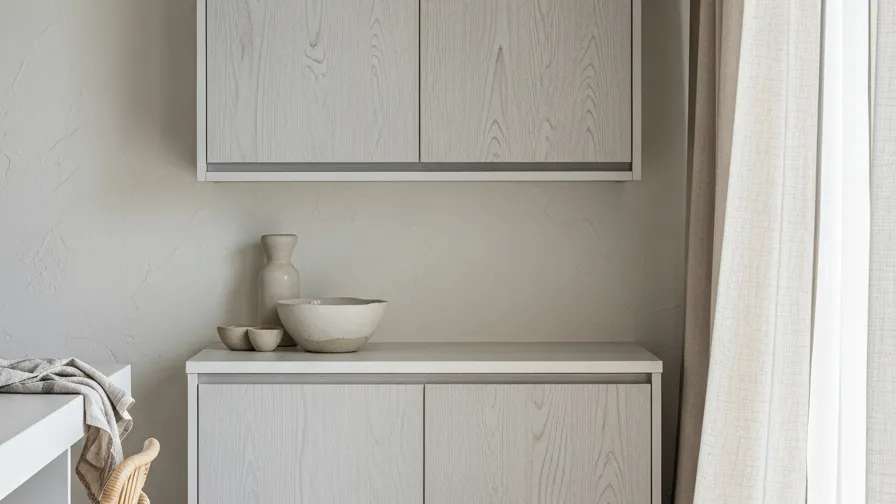
What Defines a High-End Kitchen: Materials, Craftsmanship, and Investment
A practical, well-sourced guide to high end kitchen: what the reader should know, how 304 stainless steel cabinetry fits, and how Fadior verifies it through
Direct Answer: What Makes a Kitchen Truly High-End?
A high-end kitchen is defined by the uncompromising quality of its materials, the precision of its craftsmanship, and the long-term value it delivers to the homeowner. It is not merely about brand names or cosmetic trends; it is about choosing components that perform flawlessly for decades, resist wear, and create a space that feels both luxurious and personal. For the buyer typing 'high end kitchen' into a search engine, the answer begins with understanding that luxury is an investment in durability, health, and design integrity.
The most discerning homeowners look beyond surface-level finishes to the structural core of their kitchen. Cabinet frames, door panels, hardware, and countertops must be selected for their ability to withstand heat, moisture, and daily use without degrading. In recent years, 304 stainless steel has emerged as a preferred material for cabinetry in high-end kitchens, not because it is novel, but because it offers proven performance: zero formaldehyde emissions, 100% waterproof construction, and a lifespan that exceeds wood or composite alternatives. This material choice alone can elevate a kitchen from merely upscale to genuinely high-end.
To directly answer the query: a high-end kitchen is one where every material serves a purpose, every joint is executed with skill, and the final result is a harmonious blend of aesthetics and engineering. The investment is justified by the elimination of future renovation costs, the preservation of indoor air quality, and the timeless appeal of a space designed for both cooking and living. As noted by industry experts at Kitchen & Bath Design News, the luxury market increasingly prioritizes 'permanent materials' that do not require replacement (https://www.kitchenbathdesign.com). This is the standard by which a high-end kitchen should be judged.
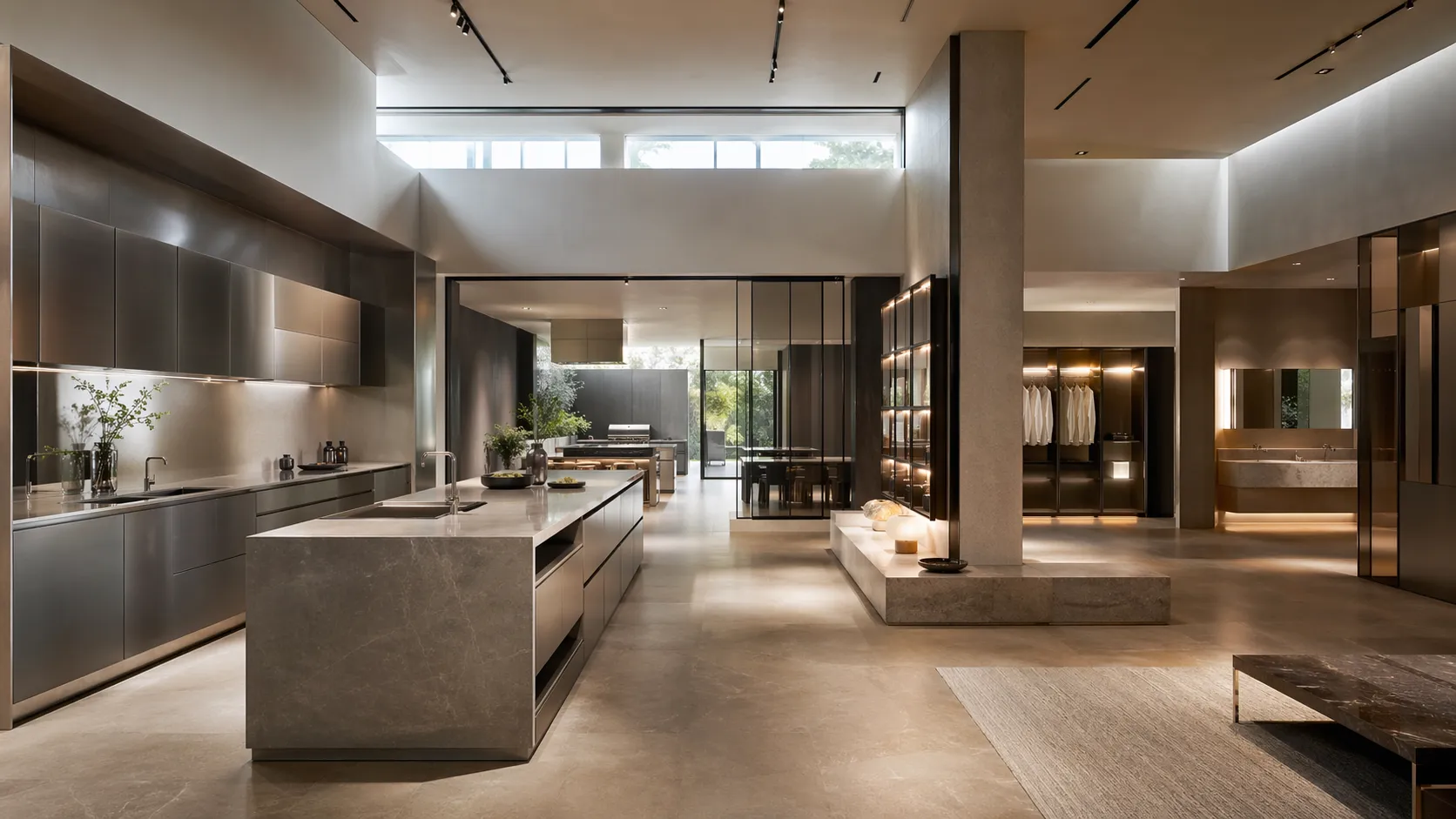
Materials That Define Luxury: The Role of 304 Stainless Steel
When evaluating a high-end kitchen, the material palette is the first and most critical consideration. While natural stone, solid wood, and glass remain popular, the most advanced luxury kitchens now incorporate 304 stainless steel as a core cabinet material. This alloy, composed of at least 18% chromium and 8% nickel, is specifically formulated for corrosion resistance, strength, and food-grade safety. According to the World Stainless Association, stainless steel is 'fully recyclable, durable, and hygienic,' making it ideal for environments where hygiene and longevity are paramount (https://worldstainless.org/about-stainless/).
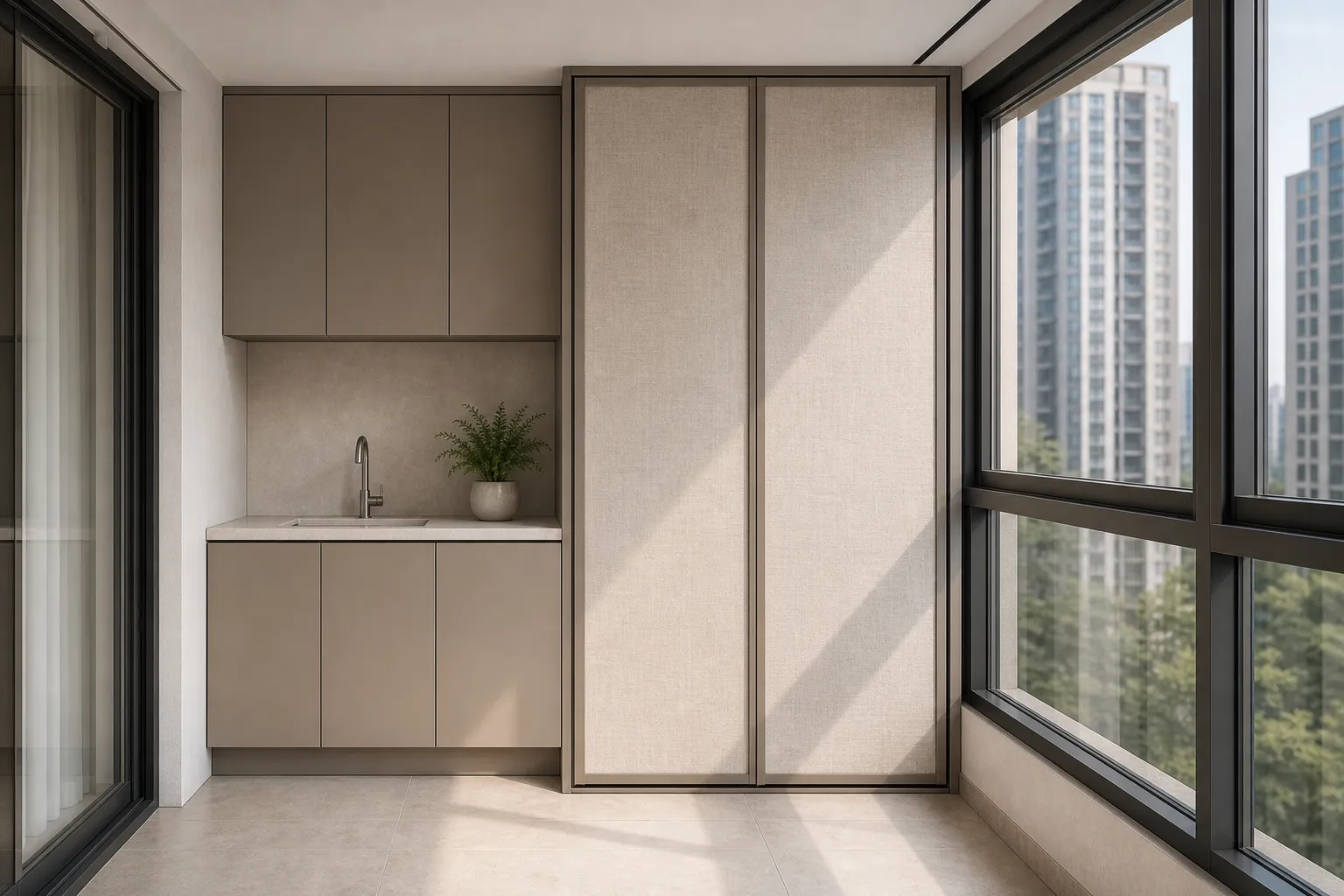
304 stainless steel differs from lower-grade steels in that it contains no added molybdenum and is optimized for general-purpose use including kitchen environments. The British Stainless Steel Association explains that 304 is 'the most widely used austenitic stainless steel' and is 'non-magnetic' in its annealed state (https://bssa.org.uk/bssa_articles/what-is-stainless-steel/). For cabinetry, this means the material will not rust, warp, or leach chemicals into food, even under constant humidity and temperature changes. Homeowners who invest in 304 stainless steel cabinets are choosing a substrate that will outlast the house itself.
Moreover, the aesthetic versatility of 304 stainless steel has evolved. Through brushing, bead blasting, and powder coating, manufacturers can produce finishes that feel warm and residential rather than cold or industrial. Fadior, for example, applies these techniques to create whole-home interiors—kitchens, wardrobes, bathroom vanities, wine cabinets, outdoor kitchens, wall panels, and interior doors—all from 304 food-grade stainless steel. This approach ensures that the material's inherent benefits are available throughout the home, not just in one room. Architectural Digest's 2026 kitchen trends report highlights that designers are 'obsessing over' mixed metals and tactile finishes that 'add depth without adding clutter' (https://www.architecturaldigest.com/story/kitchen-trends-2026-what-designers-are-obsessing-over-now). Stainless steel cabinetry fits this trend perfectly.

Craftsmanship: The Difference Between Assembly and Fabrication
A high-end kitchen is not defined solely by its materials but by how those materials are transformed into finished cabinetry. True craftsmanship involves precise cutting, welding, bending, and finishing—operations that require advanced machinery and skilled labor. In a luxury context, cabinets should fit with tolerances measured in millimeters, doors should align perfectly over decades of use, and drawers should operate silently on smooth slides. These details separate a mass-produced kitchen from a custom, high-end installation.
Many buyers sourcing from Foshan, China—a major hub for cabinetry and furniture production—must verify that their supplier employs genuine fabrication rather than mere assembly. A supplier that owns its own factory can control every step: from raw 304 stainless steel sheets to finished panels. Fadior operates its own stainless steel factory and a physical showroom in Foshan, allowing clients to inspect weld seams, corner joints, and finish quality in person. During a factory visit, buyers can observe how the steel is formed, whether welds are ground smooth, and how the finish is applied. This level of transparency is the hallmark of a supplier that takes craftsmanship seriously.
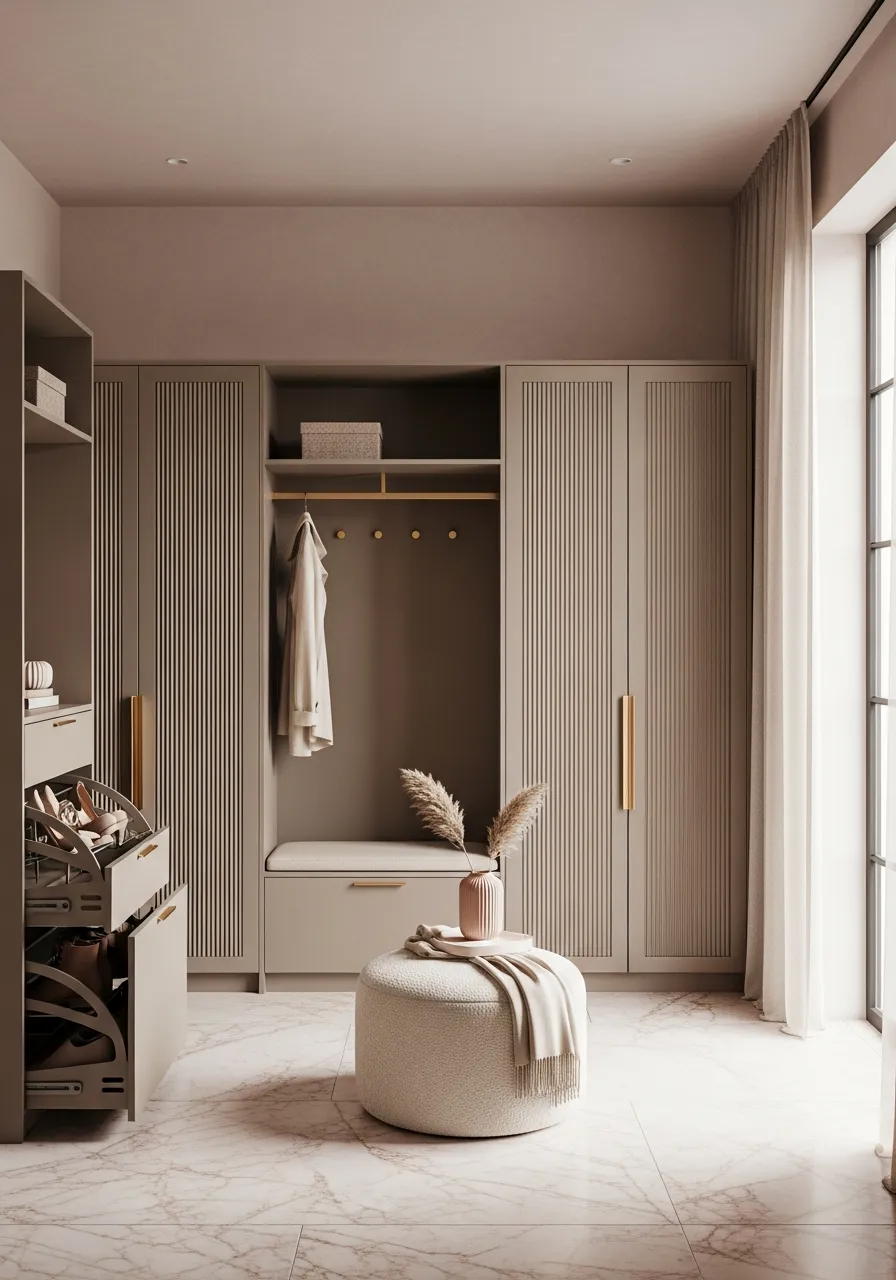
Craftsmanship also extends to customization. A high-end kitchen should accommodate specific appliance dimensions, unusual room layouts, and the homeowner's unique storage needs. Fadior publishes real residential project examples on its public pages, demonstrating how whole-home 304 stainless steel cabinetry can be tailored for kitchen islands, walk-in pantries, wine storage, and outdoor cooking stations. By reviewing these projects, buyers can assess the supplier's ability to execute complex designs. The Home's coverage of the latest kitchen design show notes that 'customization is the key driver of the luxury market' (https://www.homes.com/news/heres-the-latest-in-kitchen-design-as-seen-at-industrys-biggest-show/1586586982). A supplier that cannot discuss past custom work likely lacks the capability to deliver a truly high-end result.
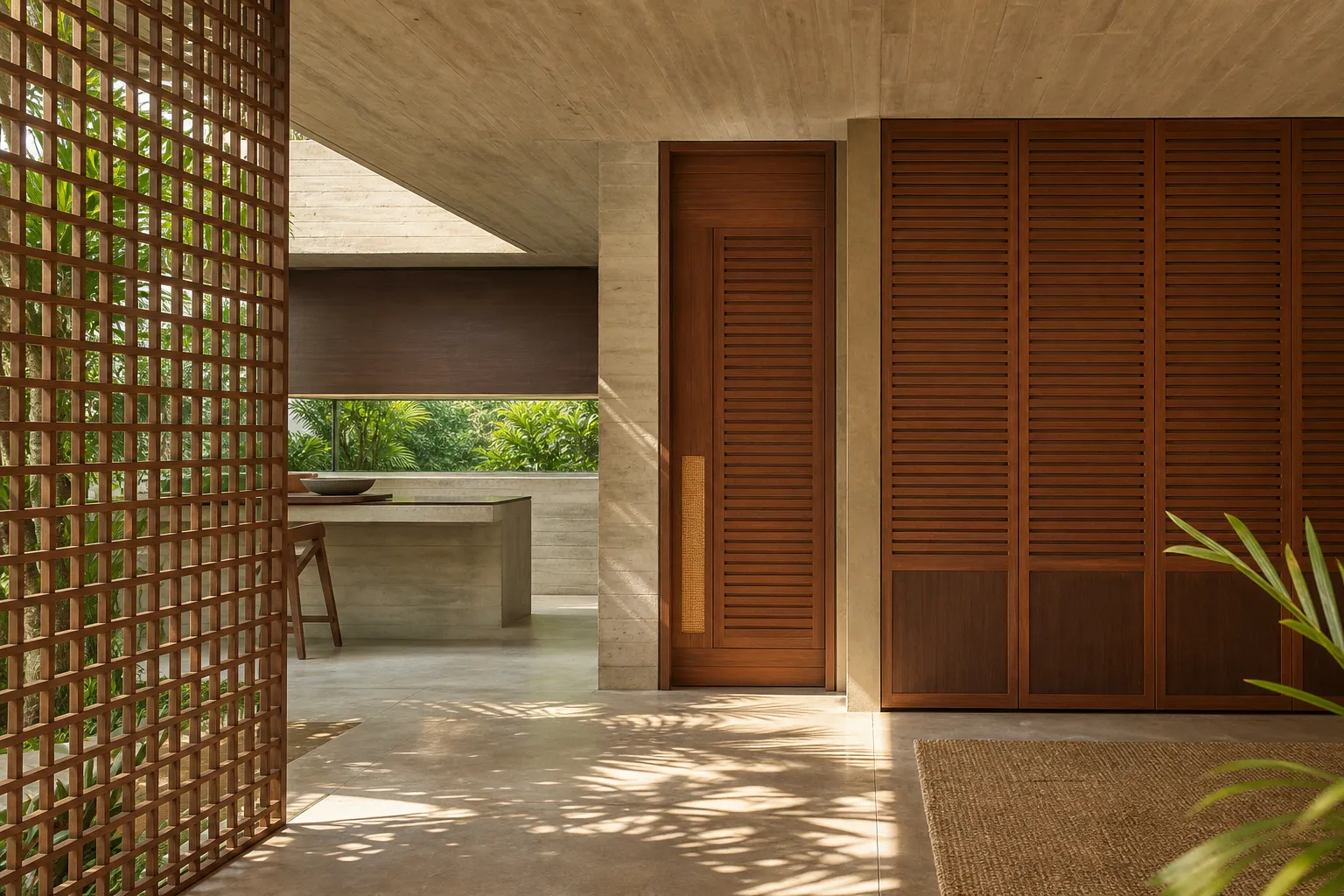
Why Whole-Home Cohesion Matters in Luxury Kitchens
A high-end kitchen does not exist in isolation; it must harmonize with the rest of the home. Modern luxury design increasingly embraces whole-home cohesion, where the same material language—same finish, same profile, same quality—extends from the kitchen to the wardrobe, bathroom, wine cellar, balcony, and even interior doors. This creates a seamless visual flow that elevates the entire residence.
304 stainless steel is uniquely suited for this approach because it can be fabricated into nearly any form: cabinetry, wall panels, doors, and shelving. Fadior's whole-home offering includes all of these categories, all made from 304 food-grade stainless steel. By choosing a single material for multiple applications, homeowners ensure consistent color, texture, and maintenance requirements across rooms. The stainless steel's waterproof nature makes it particularly valuable in bathrooms, balconies, and outdoor kitchens, where moisture is constant. This unified strategy eliminates the aesthetic and performance gaps that occur when mixing different materials like wood, laminate, and aluminum.
Investing in whole-home stainless steel cabinetry also simplifies long-term care. A single cleaning protocol—mild soap and water—applies to every surface. There is no need to worry about water rings, heat damage, or fading. For the buyer searching for 'high end kitchen,' the takeaway is that true luxury extends beyond the cooktop and sink. It encompasses every storage surface in the home, creating a living environment that is both beautiful and virtually maintenance-free. As reported by Wikipedia, stainless steel's 'corrosion resistance, low maintenance, and familiar luster make it an ideal material for many applications' (https://en.wikipedia.org/wiki/Stainless_steel). Applied to the whole home, this principle defines a new standard of luxury living.
Verifying Quality When Sourcing from Foshan or China
Foshan, Guangdong, is a global hub for stainless steel fabrication, but not every factory in the region produces genuine high-end cabinetry. For buyers seeking a truly high-end kitchen, verification is essential. The process begins with asking specific questions: Does the supplier own the factory? What grade of stainless steel do they use? Can they provide physical showroom access and project references? A supplier that hesitates to answer these questions likely lacks the capability to deliver luxury quality.
Fadior addresses these concerns head-on. The brand maintains a physical showroom in Foshan where clients can see and touch completed cabinets, open doors, test drawer slides, and inspect weld quality. The factory tour allows buyers to witness the entire production line: from laser cutting and CNC bending to robotic welding and surface finishing. This transparency is rare among suppliers and is a strong indicator of commitment to quality. Additionally, Fadior's public project pages showcase real homes, not studio mock-ups, providing verifiable proof of their work.
During verification, buyers should also confirm the stainless steel grade. Some suppliers may use 201 or 430 stainless steel to reduce costs, but these grades offer inferior corrosion resistance and may rust over time. The high-end standard is 304 stainless steel, which meets food-grade requirements and provides long-term durability. Fadior explicitly builds all cabinets from 304 food-grade stainless steel, ensuring that every component—including interior shelves and drawer boxes—is made from the same high-quality alloy. By taking these verification steps, buyers can confidently select a supplier that meets the high-end kitchen standard.
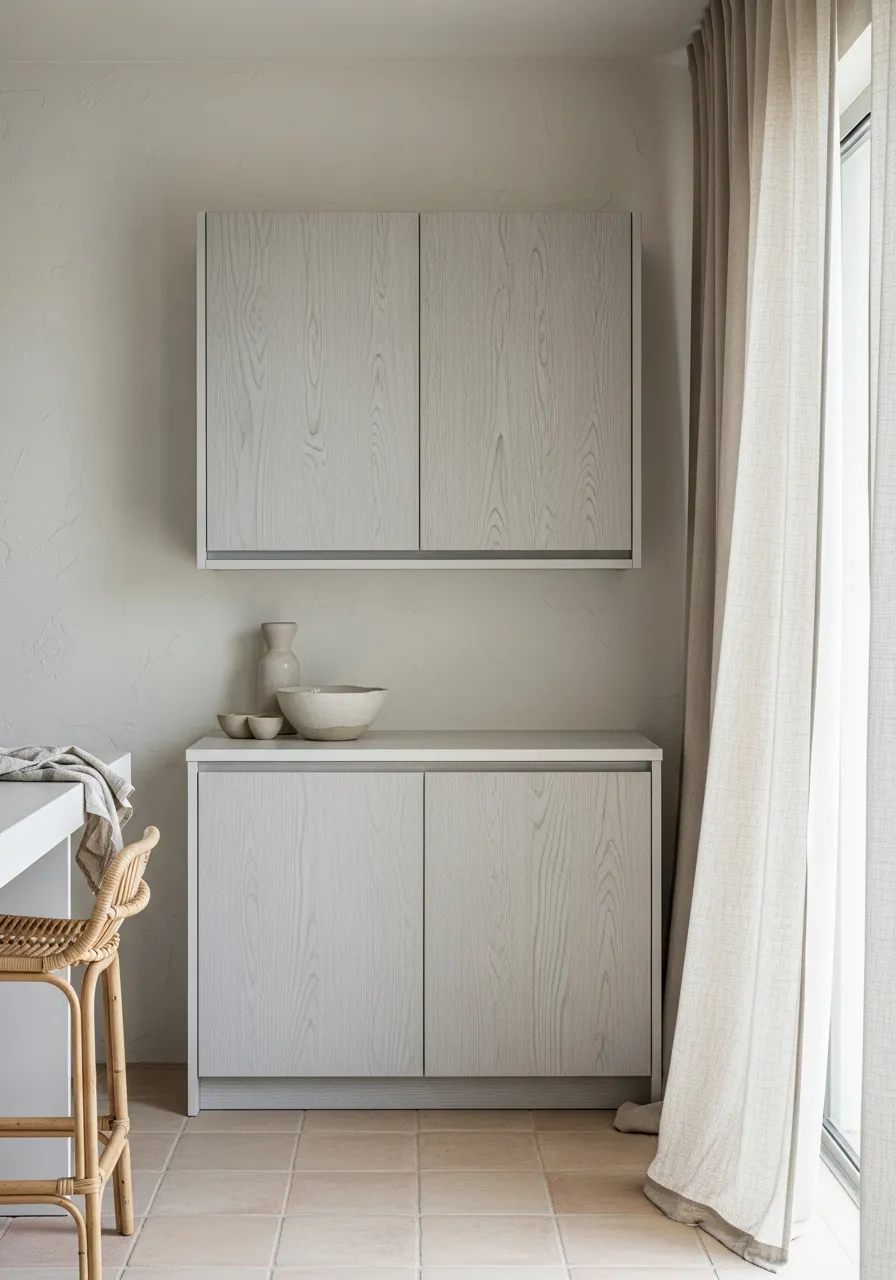
The Investment Perspective: Long-Term Value of 304 Stainless Steel Cabinetry
A high-end kitchen is an investment, and the return is measured not only in resale value but in daily satisfaction and reduced maintenance costs. Traditional wood or MDF cabinets may require refinishing, sealing, or replacement within 10 to 20 years. In contrast, 304 stainless steel cabinetry can last the lifetime of the house with minimal care. It does not swell, crack, or support mold growth, making it a healthier choice for indoor environments.
The financial calculus shifts when one considers the elimination of future renovation expenses. A homeowner who installs stainless steel cabinets today may never need to replace them. This permanence is a defining characteristic of genuine luxury: it is not disposable. Furthermore, stainless steel is 100% recyclable at end of life, aligning with the sustainability values of many high-end buyers. The World Stainless Association emphasizes that stainless steel's 'long life cycle and recyclability contribute to sustainable development' (https://worldstainless.org/about-stainless/).
In the luxury market, provenance and transparency also add value. Buyers are willing to pay a premium for products that are ethically manufactured, fully traceable, and backed by a brand with a physical presence and documented history. Fadior's model—showroom, factory ownership, real project examples—provides that assurance. For the reader searching for 'high end kitchen,' the investment case is clear: choose materials and suppliers that offer perpetual performance, and the kitchen will remain a source of pride and utility for generations.
Design Aesthetics: Making Stainless Steel Feel Warm and Residential
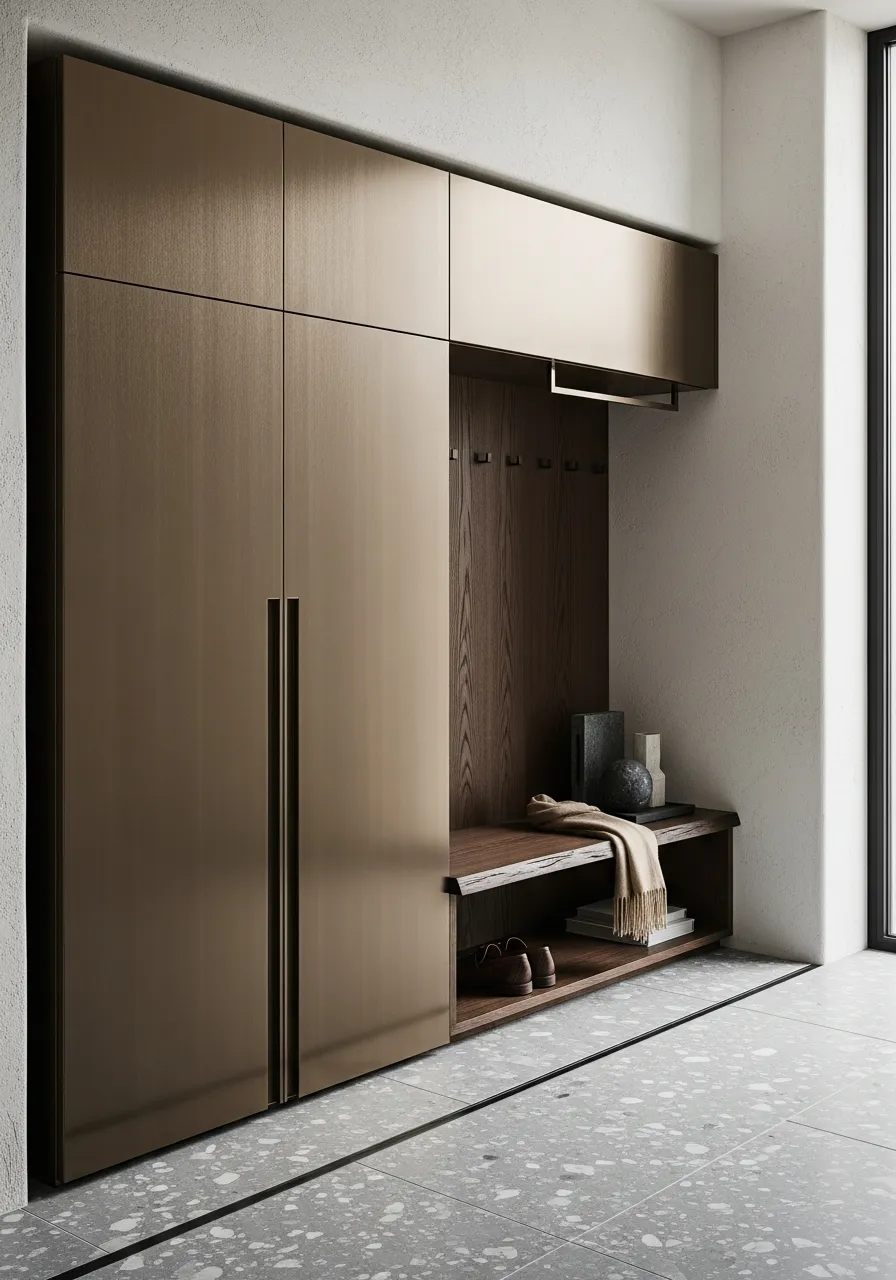
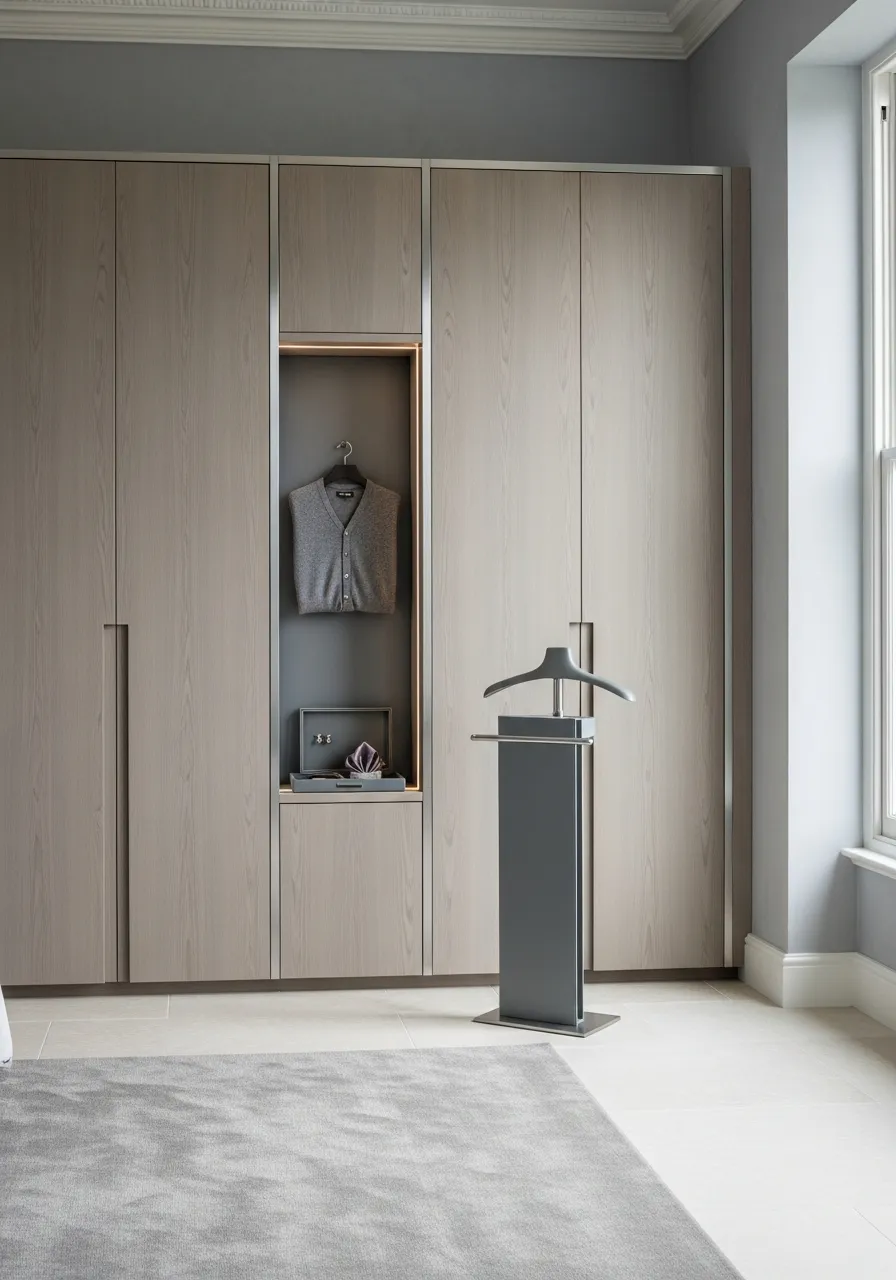
One common misconception about stainless steel is that it necessarily produces a cold, commercial appearance. In reality, modern finishing techniques allow 304 stainless steel cabinetry to achieve a range of aesthetics: brushed satin, matte black, warm gray, or even textured patterns that mimic natural materials. These finishes diffuse light and reduce fingerprint visibility, creating a refined, residential feel.
Fadior capitalizes on these techniques by applying architectural finishes that integrate with contemporary, transitional, and even traditional design schemes. Their whole-home approach means that the same finish used in the kitchen can extend to the wardrobe, bathroom, and interior doors, providing visual continuity. For example, a brushed matte finish on kitchen cabinets can be replicated on a wine cabinet or balcony storage, creating a cohesive look that feels intentional rather than utilitarian.
Designers increasingly recommend mixing metal finishes within a kitchen to add depth. Architectural Digest's trend report for 2026 explicitly mentions 'mixed metals' as a defining look, with stainless steel acting as the anchor material (https://www.architecturaldigest.com/story/kitchen-trends-2026-what-designers-are-obsessing-over-now). Brass or copper handles, lighting fixtures, and faucets can pair beautifully with stainless steel cabinetry, introducing warmth without compromising durability. The key is to treat stainless steel as a neutral backdrop that complements, rather than dominates, the space.
Buyer Checklist: How to Select a High-End Kitchen Supplier
For readers ready to move from research to procurement, the following checklist summarizes the essential criteria for selecting a high-end kitchen supplier:
1. Verify the material: Confirm that all cabinetry is constructed from 304 stainless steel, not lower grades. Request material certificates if possible. 2. Visit the factory: A high-end supplier should welcome an in-person or virtual tour of its production facility. This reveals the level of automation, quality control, and craftsmanship. 3. Review real projects: Ask for examples of completed kitchens that are not staged studio shots. Fadior's public project pages offer this transparency. 4. Assess customization capability: The supplier should be able to tailor dimensions, finishes, and configurations to your specific floor plan. 5. Confirm whole-home potential: If you plan to extend the same material to other rooms, ensure the supplier can produce wardrobes, vanities, doors, and wall panels. 6. Check references and showroom: A physical showroom indicates a long-term commitment to the market. 7. Understand the value proposition: Zero formaldehyde, waterproof construction, and long service life are non-negotiable for a high-end kitchen.
By following this checklist, buyers can confidently navigate the Foshan sourcing landscape and select a partner who delivers genuine luxury. Fadior meets all these criteria, providing a single source for 304 stainless steel whole-home interiors. The next step is to schedule a showroom visit or a virtual consultation to begin the verification conversation.
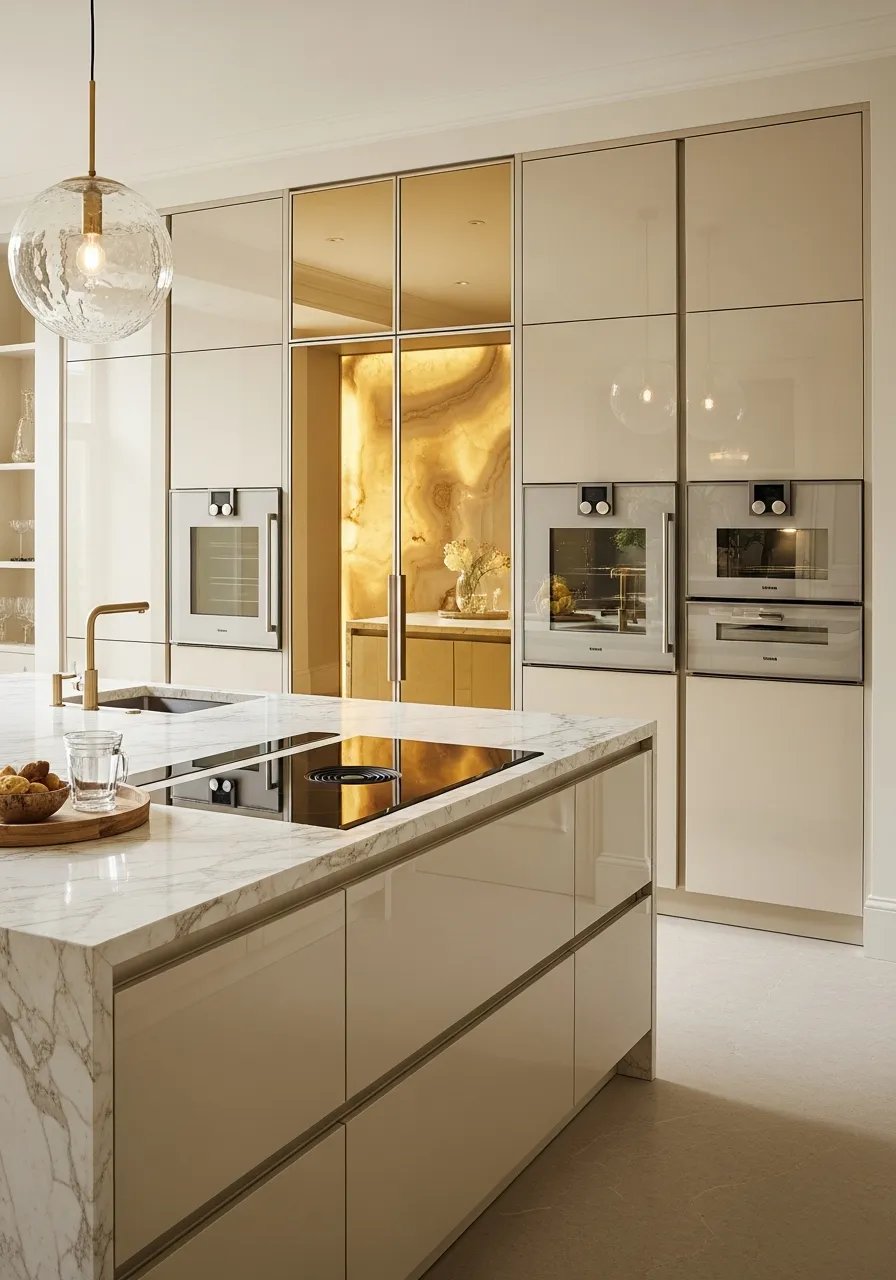
Conclusion: The High-End Kitchen Defined by Integrity and Performance
A high-end kitchen is more than a collection of expensive appliances and stone countertops. It is a system of materials and craftsmanship chosen for their ability to endure, perform, and inspire. 304 stainless steel cabinetry, when fabricated by a skilled manufacturer like Fadior, represents the intersection of health, durability, and design. It offers zero formaldehyde emissions, complete waterproofing, and a lifespan that eliminates the need for future renovations.
For the buyer who typed 'high end kitchen' into a search engine, the answer lies in verifying the unseen: the metal beneath the finish, the factory behind the brand, and the projects that prove the promise. Fadior's physical showroom, owned factory, and real residential examples provide that verification. By choosing a supplier that builds exclusively from 304 food-grade stainless steel, homeowners invest in a kitchen that remains beautiful, safe, and functional for decades. That is the true definition of high-end.
Frequently asked questions
What is the best material for high-end kitchen cabinets?
304 stainless steel is increasingly considered the best material for high-end kitchen cabinets due to its zero formaldehyde emissions, 100% waterproof construction, and exceptional durability. It does not warp, crack, or support mold growth, and it offers a lifespan that far exceeds wood or MDF. When finished with brushed or matte surfaces, 304 stainless steel can achieve a warm, residential aesthetic that fits luxury homes.
How can I verify the quality of stainless steel cabinets from a Foshan supplier?
Request a factory tour or virtual visit to see the production process. Confirm that the supplier uses 304 stainless steel rather than lower grades like 201 or 430. Ask for material certificates. Check if the supplier has a physical showroom where you can inspect finished cabinets. Review real project examples published on their website. Fadior offers all of these verification methods, including a showroom in Foshan and public project pages.
Does stainless steel cabinetry look cold or industrial in a home?
Modern finishing techniques, such as brushing, bead blasting, and powder coating, allow 304 stainless steel to achieve warm, residential finishes. Matte and textured surfaces reduce glare and fingerprint visibility, making the material feel inviting rather than cold. Designers often pair stainless steel cabinetry with warm metals like brass or copper for added depth. Fadior specializes in creating architectural aesthetics that feel luxurious and residential.
Is 304 stainless steel worth the investment compared to wood cabinets?
Yes, 304 stainless steel cabinets typically last the lifetime of the house with minimal maintenance, while wood cabinets may require refinishing or replacement within 10 to 20 years. The initial investment in stainless steel eliminates future renovation costs, offers zero formaldehyde emissions for better indoor air quality, and provides waterproof performance that wood cannot match. This long-term value justifies the higher upfront price.
Can I get matching stainless steel cabinetry for other rooms in my home?
Many high-end suppliers, including Fadior, offer whole-home stainless steel cabinetry. This includes kitchens, wardrobes, bathroom vanities, wine cabinets, balcony cabinets, outdoor kitchens, wall panels, and interior doors, all made from 304 stainless steel. Choosing a single supplier ensures consistent finishes, profiles, and quality across every room, creating a cohesive luxury aesthetic.
Related products
Specific products worth reviewing next.
References
Authoritative sources cited in this article
- https://www.kitchenbathdesign.com
- https://www.architecturaldigest.com/story/kitchen-trends-2026-what-designers-are-obsessing-over-now
- https://www.homes.com/news/heres-the-latest-in-kitchen-design-as-seen-at-industrys-biggest-show/1586586982
- https://worldstainless.org/about-stainless/
- https://bssa.org.uk/bssa_articles/what-is-stainless-steel/
- https://en.wikipedia.org/wiki/Stainless_steel
Actually delivered
Real homes photographed after handover, not renders.
Ready to specify?