
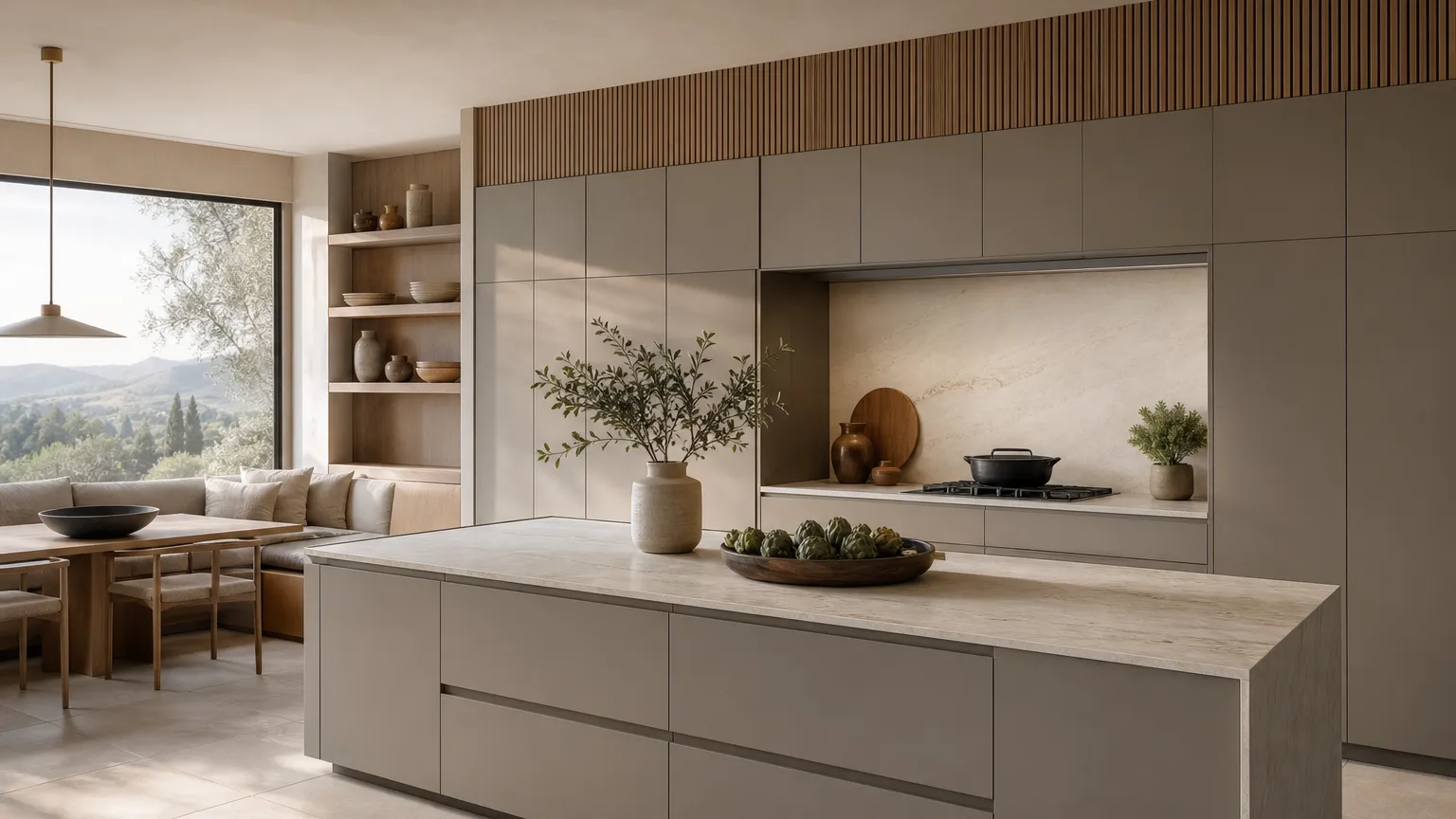
Italian Kitchen Cabinets: Design Language, Materials, and Buyer Checks
Italian kitchen cabinets are a design language. Use the look for proportion and calm, then specify durable cabinet bodies, storage, and service access.
Direct answer
The Direct Answer
Italian kitchen cabinets are best understood as a design language: calm fronts, integrated storage, furniture-like proportions, and a room planned as one architectural surface. For a Fadior buyer, the important move is to translate that look into durable 304 cabinet-body specification, wet-zone planning, service access, and finish choices before the project becomes only a mood-board decision.
- Italian kitchen cabinets
- Italian kitchen cabinets are cabinet systems associated with refined proportions, integrated room planning, calm fronts, and furniture-like storage composition.
| Decision | Italian-style cue | Specification risk | Buyer question |
|---|---|---|---|
| Continuous fronts | Calm wall-like elevation | Weak body material can hide behind a refined look | What carries water, weight, and daily cleaning? |
| Furniture-like island | Softer living-room presence | Poor clearances can make hosting awkward | Can guests, cooking, and serving move at once? |
| Integrated appliances | Quieter visual plane | Service access may be forgotten | Can the appliance be reached and removed later? |
| Warm neutral finishes | Residential calm | Samples may shift under real light | Have finishes been checked through the day? |
| Fadior 304 base | Italian restraint over durable structure | Finish talk can precede performance | Is the body fixed before the palette? |
What are Italian kitchen cabinets?
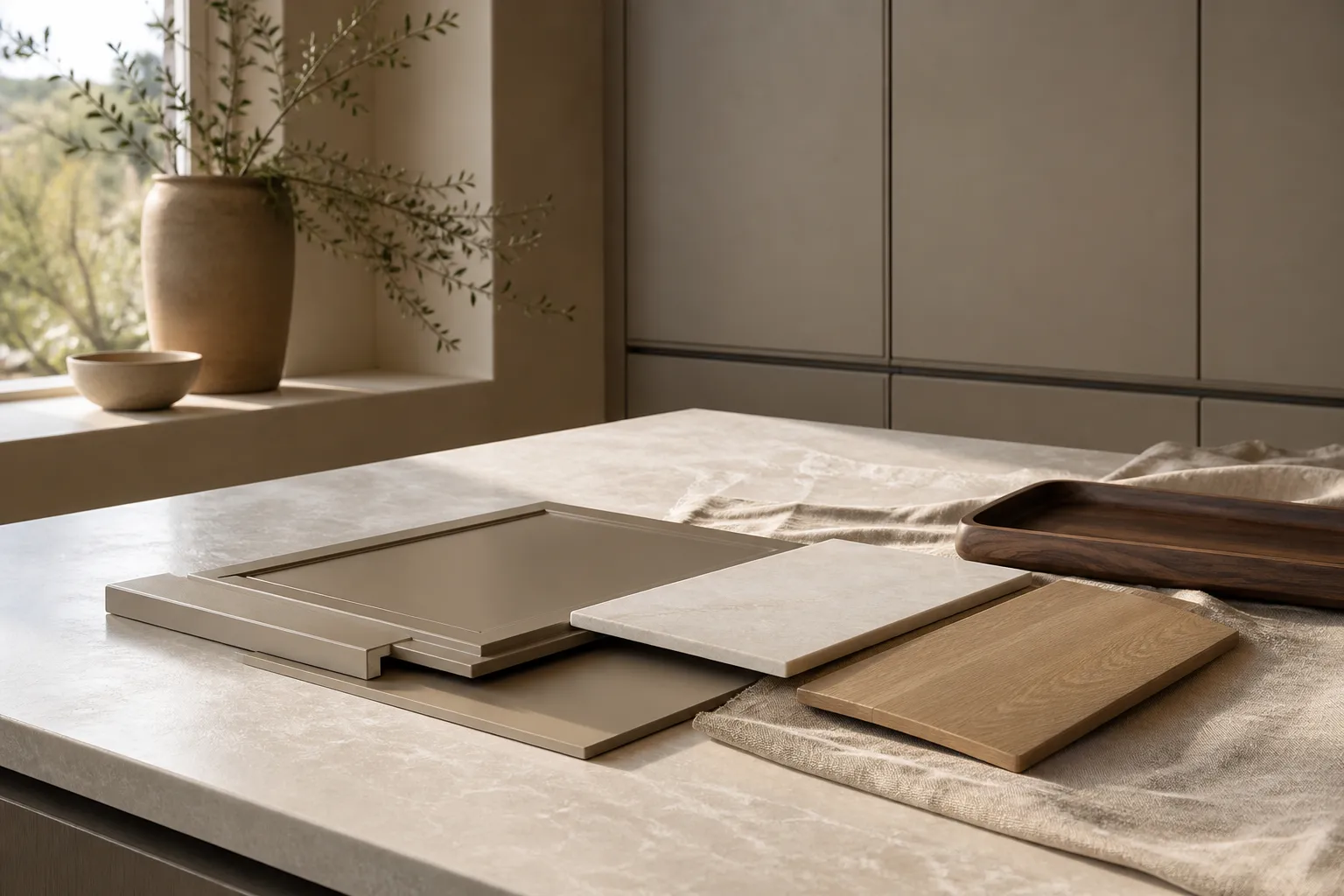
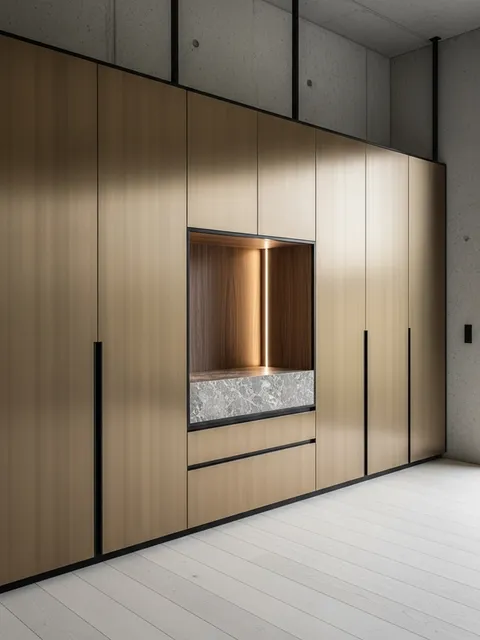
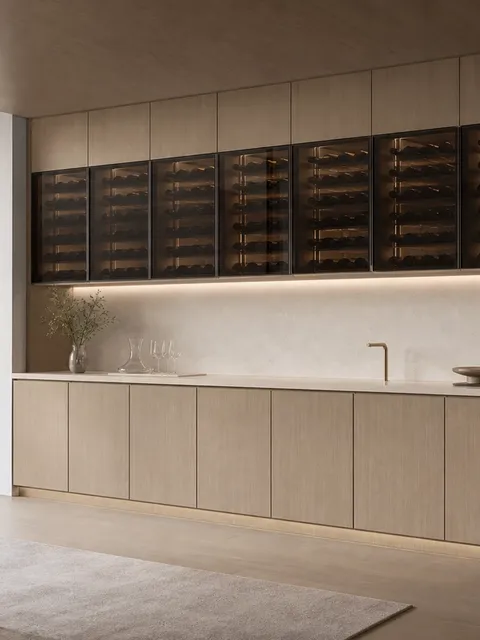
Italian kitchen cabinets are cabinet systems shaped by proportion, calm frontage, integrated storage, and a furniture-like relationship to the surrounding room. The phrase does not need to mean the cabinets were manufactured in Italy. For a buyer, it is more useful as a planning language: long horizontal lines, balanced vertical storage, restrained reveals, integrated appliances, and a room that feels composed rather than assembled from loose boxes. The risk is treating the look as the whole decision. A beautiful front can still hide weak wet-zone planning, poor body material, shallow storage, or service access that becomes expensive later. Start with the body, storage map, sink and dishwasher zone, appliance clearances, and finish maintenance before approving the palette. Italian kitchen cabinets are cabinet systems shaped by proportion, calm frontage, integrated storage, and a furniture-like relationship to the surrounding room. The phrase does not need to mean the cabinets were manufactured in Italy. For a buyer, it is more useful as a planning language: long horizontal lines, balanced vertical storage, restrained reveals, integrated appliances, and a room that feels composed rather than assembled from loose boxes. The risk is treating the look as the whole decision. A beautiful front can still hide weak wet-zone planning, poor body material, shallow storage, or service access that becomes expensive later. Start with the body, storage map, sink and dishwasher zone, appliance clearances, and finish maintenance before approving the palette.
Which Italian kitchen cabinet cues matter most?
The most valuable cues are continuous planes, balanced asymmetry, furniture-like islands, and storage walls that hide daily clutter without making the room hard to use. Italian references often make a kitchen feel like part of the living architecture, so door rhythm, shadow gaps, and worktop thickness should be decided together. Do not copy a showroom image without checking how your family cooks, entertains, and cleans. A villa kitchen, apartment kitchen, and service-heavy family kitchen need different storage logic even when the desired mood is similar. The most valuable cues are continuous planes, balanced asymmetry, furniture-like islands, and storage walls that hide daily clutter without making the room hard to use. Italian references often make a kitchen feel like part of the living architecture, so door rhythm, shadow gaps, and worktop thickness should be decided together. Do not copy a showroom image without checking how your family cooks, entertains, and cleans. A villa kitchen, apartment kitchen, and service-heavy family kitchen need different storage logic even when the desired mood is similar.
How should buyers compare Italian style with cabinet performance?
Compare the visual ambition with measurable performance. Ask what carries weight, what handles moisture, what happens around the sink, how corners are cleaned, and whether tall doors can stay aligned after years of use. A refined kitchen should still survive daily groceries, steam, children, catering, and repeated cleaning. This is where Fadior can translate Italian calm into a different material logic: keep the composed visual language, but specify a 304 cabinet body before finalizing decorative finish decisions. That sequence prevents the project from becoming surface-first. Compare the visual ambition with measurable performance. Ask what carries weight, what handles moisture, what happens around the sink, how corners are cleaned, and whether tall doors can stay aligned after years of use. A refined kitchen should still survive daily groceries, steam, children, catering, and repeated cleaning. This is where Fadior can translate Italian calm into a different material logic: keep the composed visual language, but specify a 304 cabinet body before finalizing decorative finish decisions. That sequence prevents the project from becoming surface-first.
Why do storage walls define the Italian kitchen brief?
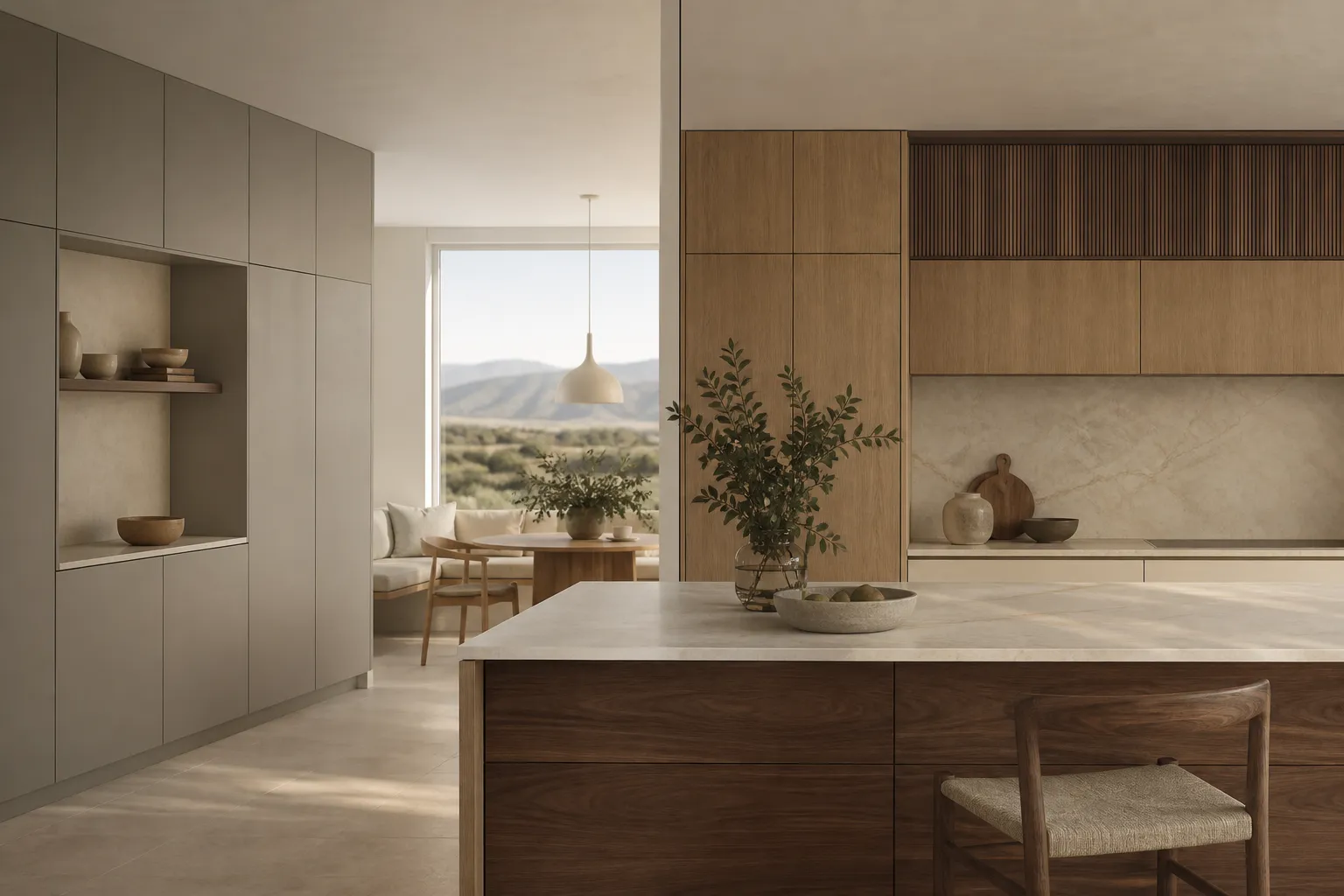
Storage walls matter because they turn visual restraint into practical capacity. When pantry, appliances, cleaning tools, tableware, and serving pieces are all behind a calm elevation, the room can look quiet while still supporting a busy household. The planning work is hidden but essential. Assign daily items below shoulder height, keep heavy objects near the floor, separate wet cleaning from dry pantry storage, and confirm that appliance doors can open without blocking work paths. The cleaner the elevation looks, the more disciplined the internal map must be. Storage walls matter because they turn visual restraint into practical capacity. When pantry, appliances, cleaning tools, tableware, and serving pieces are all behind a calm elevation, the room can look quiet while still supporting a busy household. The planning work is hidden but essential. Assign daily items below shoulder height, keep heavy objects near the floor, separate wet cleaning from dry pantry storage, and confirm that appliance doors can open without blocking work paths. The cleaner the elevation looks, the more disciplined the internal map must be.
Where does 304 cabinet-body planning fit?
Fadior buyers should treat 304 cabinet-body planning as the structural layer beneath the Italian reference. The decision is not about claiming Italian origin; it is about pairing a refined design language with a body material that resists moisture, cleaning stress, and long-term deformation better than many board-based alternatives. Specify sink base, dishwasher zone, trash zone, floor cabinet load paths, tall storage, and cleaning exposure first. Finish color, wood-grain effect, stone tone, or soft neutral palette can follow once the durable base is fixed. Fadior buyers should treat 304 cabinet-body planning as the structural layer beneath the Italian reference. The decision is not about claiming Italian origin; it is about pairing a refined design language with a body material that resists moisture, cleaning stress, and long-term deformation better than many board-based alternatives. Specify sink base, dishwasher zone, trash zone, floor cabinet load paths, tall storage, and cleaning exposure first. Finish color, wood-grain effect, stone tone, or soft neutral palette can follow once the durable base is fixed.
How should finishes be reviewed before approval?
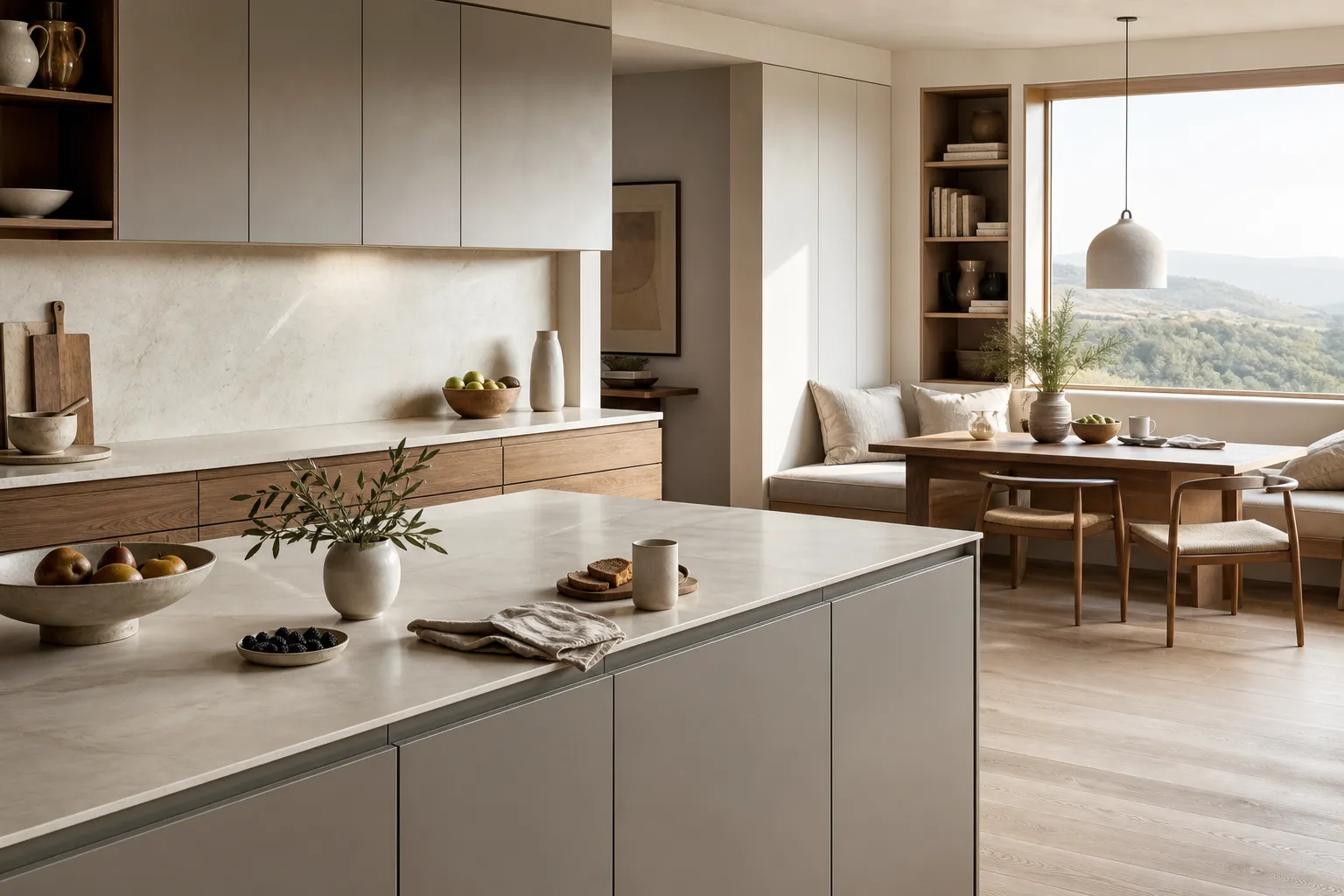
Review finishes in the room conditions where they will live. A warm grey front that looks calm under showroom light can shift cooler beside a large window or warmer under evening lamps. Ask for samples near the floor, near the worktop, and beside the wall finish. Check fingerprints, edge visibility, contrast with stone, and how cabinet planes read from the dining area. Italian kitchen references often depend on subtle proportion, so a small finish mismatch can feel louder than expected. Approve the system only after seeing samples in morning, afternoon, and evening light. Review finishes in the room conditions where they will live. A warm grey front that looks calm under showroom light can shift cooler beside a large window or warmer under evening lamps. Ask for samples near the floor, near the worktop, and beside the wall finish. Check fingerprints, edge visibility, contrast with stone, and how cabinet planes read from the dining area. Italian kitchen references often depend on subtle proportion, so a small finish mismatch can feel louder than expected. Approve the system only after seeing samples in morning, afternoon, and evening light.
What should you ask before approving Italian kitchen cabinets?
Before approval, turn the mood board into a written specification. Confirm cabinet body material, door finish, worktop thickness, sink base construction, drawer loading, tall storage map, appliance clearances, ventilation path, lighting temperature, cleaning access, installation tolerance, and after-service responsibility. Ask the supplier to show where water, heat, oil, and repeated touch will stress the room. The best Italian-inspired kitchen is not the one with the fewest visible lines; it is the one where every quiet line is backed by a practical decision. Before approval, turn the mood board into a written specification. Confirm cabinet body material, door finish, worktop thickness, sink base construction, drawer loading, tall storage map, appliance clearances, ventilation path, lighting temperature, cleaning access, installation tolerance, and after-service responsibility. Ask the supplier to show where water, heat, oil, and repeated touch will stress the room. The best Italian-inspired kitchen is not the one with the fewest visible lines; it is the one where every quiet line is backed by a practical decision.
Italian kitchen cabinet approval checklist
- Confirm whether the cabinet system is framed, frameless, or custom-formed
- Specify cabinet body material before door finish
- Map sink, dishwasher, trash, and cooking exposure zones
- Plan tall storage by daily, weekly, guest, and seasonal use
- Confirm appliance clearances and future service access
- Review finish samples in morning, afternoon, and evening light
- Check internal corners and high shelves for cleaning access
- Link kitchen storage to dining, pantry, and service routines
- Document installation tolerances before production
- Confirm after-service ownership after handover
Frequently Asked Questions
Questions this guide answers
- Are Italian kitchen cabinets always made in Italy?
- No. In buyer language, Italian kitchen cabinets often refers to a design language rather than a guaranteed country of origin. Ask the supplier to document manufacturing location, body material, finish process, installation scope, and after-service terms before you rely on the label.
- What makes Italian kitchen cabinets look different?
- The look usually comes from calm fronts, long horizontal lines, restrained reveals, integrated appliances, and furniture-like islands. Those cues work best when the internal storage map and wet-zone specification are planned with the same discipline as the visible elevation.
- Can Fadior create an Italian-inspired kitchen with 304 cabinet bodies?
- Yes. Fadior can use Italian-inspired proportion, warm neutral finishes, and integrated room planning while keeping 304 cabinet bodies as the durable base. The article avoids origin claims and treats Italian design as a reference language.
- What should I check before approving a cabinet finish?
- Check finish samples beside the worktop, floor, wall, and daylight source. Review them in morning, afternoon, and evening light, then test how fingerprints, edge contrast, and cleaning marks appear from normal standing distance.
- Why does service access matter in a refined kitchen?
- Integrated appliances and calm cabinet walls can hide maintenance problems. A good brief confirms that appliances, plumbing, lighting, and ventilation can be reached later without dismantling expensive finished areas or interrupting daily use.
Related products
Specific products worth reviewing next.

References
Authoritative sources cited in this article
- Molteni Indada kitchen system
Italian kitchen system reference for modular planning and refined cabinetry language.
Molteni&C
- Molteni kitchen category
Official kitchen category reference for integrated kitchen systems.
Molteni&C kitchens
- Molteni VVD kitchen
Official product reference for Italian kitchen islands and reduced architectural fronts.
Molteni VVD
- NKBA 2026 kitchen trends press release
Industry trend context for current kitchen planning priorities.
NKBA
- NKBA 2026 kitchen trends research
Research context for functionality, storage, and long-term kitchen specification.
NKBA research
Editorial transparency
Jonas Weber is a composite editorial persona maintained by Fadior Home's editorial team. Articles attributed to this byline are produced through an AI-assisted editorial workflow with human review, and represent the consolidated voice of multiple researchers and contributors.
Actually delivered
Real homes photographed after handover, not renders.
Ready to specify?