
What is a realistic five-day Foshan sourcing trip?
A China furniture sourcing trip is a time-boxed buyer visit that combines market research, factory verification, design decisions and order planning in Foshan. It is most useful when several rooms or a custom project justify travel; decide the project scope before booking.
This route groups one orientation block, one market-comparison day, one factory day, one design day and one correction day. Confirm every appointment and check current entry rules before booking.
| Day | Area and pace | Appointment focus | Leave with |
|---|---|---|---|
| Day 1 | Arrival and Lecong orientation | Briefing and address checks | Ranked shortlist |
| Day 2 | Lecong market loop | Samples and comparable notes | Labelled samples |
| Day 3 | Factory visits | Production and packing | Open-item list |
| Day 4 | Design meeting | Drawings and finishes | Revision-marked drawings |
| Day 5 | Corrections | Commercial handover | Dated action list |
How should you prepare before flying?
Send each supplier a one-page brief with room list, measured plans, appliance models, quantities, preferred finishes, budget ceiling and decision date. Easyway advises defining goals and sharing requirements in advance.
Ask for the appointment person, address, time, meeting type and expected output. A showroom walk, factory tour, drawing review and quotation meeting are different appointments. Put interpreter or guide fees in writing and ask whether any referral or supplier commission is disclosed.
Five-day pre-flight checklist
- Measured plans with walls, ceiling, doors, windows, services and appliance clearances.
- A room-by-room item list with quantities, target dimensions and finish decisions.
- Passport and travel documents checked against current entry requirements.
- Appointment names, addresses, fees and commission disclosure.
- A USD worksheet for flights, hotel, transport, meals, samples and contingency.
- A decision log with sample code, drawing revision, owner and due date.
Where should you base yourself on Day 1?
Base in Foshan for a Foshan-led trip and price Guangzhou Baiyun as the arrival-airport candidate. Use Day 1 for arrival, interpreter briefing, address checks and one controlled Lecong orientation. Photograph each candidate with its sample or card, record dimensions and write the next quotation owner.
End the day with a ranked shortlist and a list of missing measurements. If a seller asks for a deposit before the scope is written, record the pressure and pause.
What should you do in Lecong on Day 2?
Use Day 2 for breadth. Group the Lecong markets into one route covering living and dining, bedroom, doors and storage, then kitchens or cabinets. Compare like with like instead of trying to see every showroom.
At each stop record supplier, item, material, dimensions, finish, customisation, minimum order, production timing, packing, freight hand-off and quotation owner. End with a shortlist review and remove anything that fails the measured room.
How should a factory day work on Day 3?
Visit only factories that match a bulk or custom need. Ask to see processing, assembly, quality checking and packing; ask which steps are outsourced and how drawing revisions are logged.
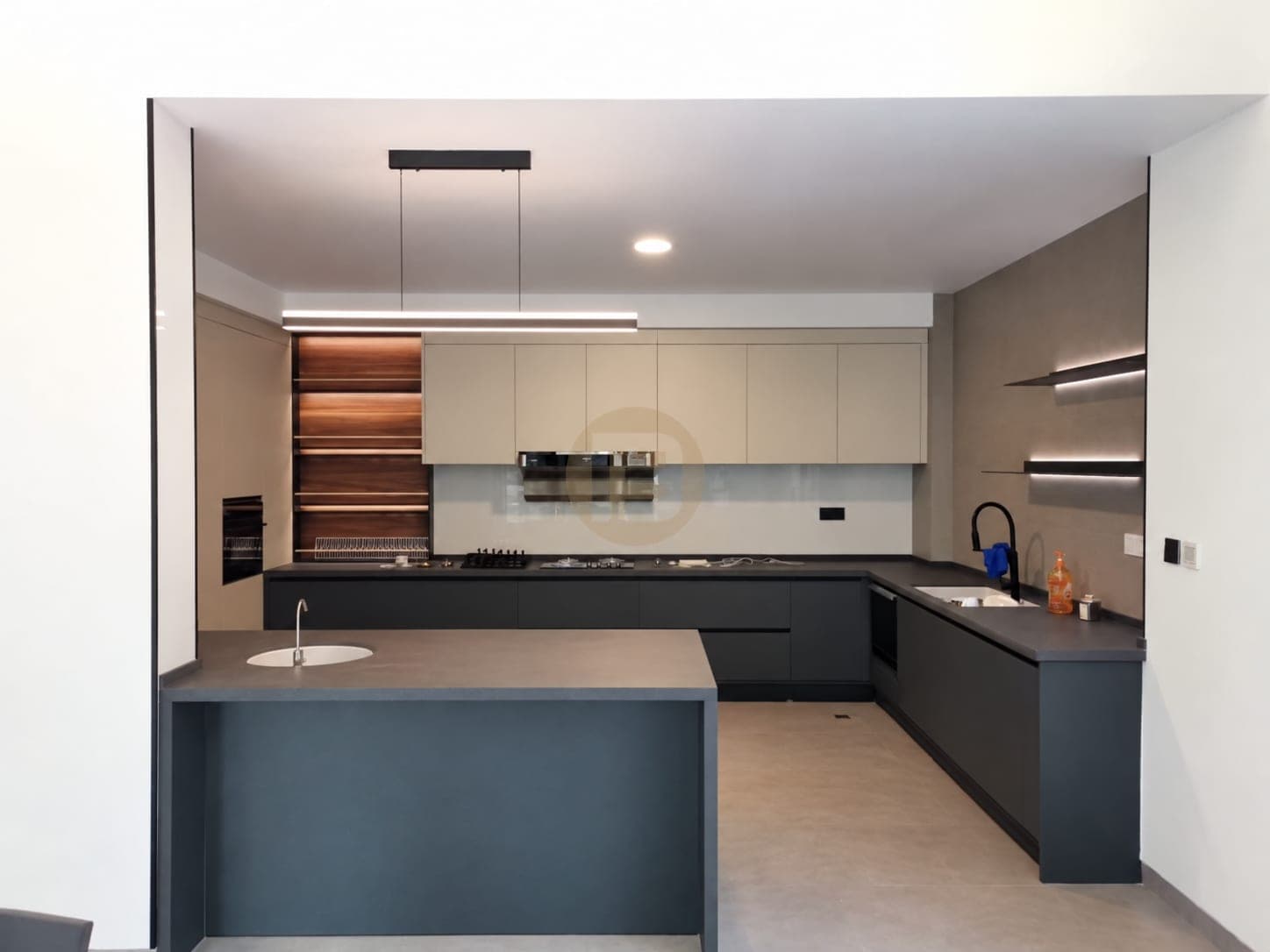
Fadior’s controlled scope is specific: kitchens, wardrobes, baths and storage systems use 304 stainless steel cabinet bodies; doors, finishes and countertops follow their own material specifications. The company record says stainless manufacturing heritage began in Foshan in 1999 and the brand was founded in 2012. The final order document confirms the freight charge, destination and service level before acceptance.
What belongs in the design meeting on Day 4?
Work room by room through appliance openings, plumbing, door swings, storage heights and finishes. Mark every change on the drawing and give it a revision number. Photograph the approved sample beside that revision. A sample proves a material or finish choice; it does not prove the complete order or destination service.
Keep the interpreter’s role separate from approval: the interpreter translates, while the buyer signs the decision log. If a remote fallback is needed, CHIUCHIU publishes 45 days production time and quotation stages of 1–2 days, 2–3 days, 7 days and 1 day. Those are CHIUCHIU’s published timings.
How do you leave room for corrections on Day 5?
Do not fill Day 5 with another tour. Use the morning only for an open question, then compare drawings, samples, quantities, packing, inspection responsibility, freight hand-off and open items. Read the actual proforma invoice and milestones before paying.
Leave with a dated action list: owner, drawing revision, evidence, response date and change consequence. Send the same list to the supplier, interpreter and consolidator.
What must be in your fly-home handover?
- A supplier shortlist and the reason each supplier remains in scope.
- Sample photographs matched to drawing revision and room name.
- Marked-up drawings, equipment schedule and finish schedule.
- A quote that separates product, packing, freight, destination and service level.
- An inspection plan for quantity, dimensions, finish and cartons.
- Interpreter or guide invoice and disclosed commission statement.
- A next-step calendar that does not assume installation or delivery dates.
What should a first-time buyer budget in USD?
Build a worksheet, not a single promise: airfare, five nights, transfers, local transport, meals, interpreter or guide, sample charges, translation, contingency and follow-up inspection. Keep the purchase quote separate. Market figures are omitted because tax and shipping examples vary by route and destination.
Ask the supplier or forwarder to state currency, unit, Incoterm, destination, included services and validity.
| Role | Owns | Write down |
|---|---|---|
| Translator | Language accuracy | Translated decisions |
| Guide | Route planning | Fee and relationships |
| Inspector | Scope checks | Photos and defects |
| Consolidator | Collection and freight | Service scope and charge basis |
| Buyer | Approval and payment | Contract and next action |
How do you choose a translator, guide and inspector?
A translator handles language accuracy; a guide groups addresses and travel; an inspector checks the agreed scope against samples, drawings, quantity and packing; a consolidator coordinates collection and freight. One person may offer several services, but the written scope should show which role they are performing and who pays.
Ask about referral fees, invoice basis, inspection photos, defect handling and independent inspection. For the next steps, read the Foshan furniture market guide.
What should happen after you fly home?
Within 24 hours send one controlled recap with supplier shortlist, drawing revisions, sample photographs, open questions and next dates. For logistics, continue with inspect, consolidate and ship furniture from Foshan. For the factory stage, continue with the Foshan production visit guide. Review a Fadior Suzhou real home, then compare the whole-house custom manufacturer guide and stainless steel kitchen manufacturer guide. Fadior’s Fadior China experience page explains its own route.
Which source limits should you keep visible?
Source dates and service timings can change; read current pages before booking. A social post is not an itinerary record; verify current rules on official pages. Fadior facts follow the company record and public pages, with cabinet-body material kept separate from doors, finishes and countertops.
The practical test is simple: can another person follow the route, find the documents, identify the open decision and know who owns the next action? If not, the trip is still research rather than a sourcing system. Keep one owner on every unresolved decision and attach its evidence before the follow-up call.