
What is the landed cost of furniture from China?
Landed cost is the total this worksheet assigns to bringing goods to an agreed destination, including purchase, freight, clearance and import charges. For a fitted kitchen, add a separate ready-to-use total with site work.
Use the Chinese cabinet price breakdown and the China sourcing and showroom guide to define the order. Compare at one endpoint—port, curb or room—and keep loose furniture, appliances and worktops on separate lines.
How do you build the cost worksheet?
Record the amount, currency, named place and quotation date. The ICC Incoterms rules set out buyer and seller responsibilities. Split origin handling, freight, insurance and destination terminal costs; add only charges outside the supplier's price.
Ask for customs value separately, then add duty, tax, clearance, inspection, storage, local transport, unloading and fitting as applicable. Prices and transit ranges from another shipment cannot price this order. Use the supplier's packing list and the country's current official rules. A historical duty or tax percentage does not establish today’s product-specific charge; check the official rules for the country of entry.
| Cost line | Start with | What to validate |
|---|---|---|
| Goods and origin services | Room schedule and signed price | Named place, currency, packing and pickup inclusions |
| Main freight and insurance | Forwarder and insurer quotation | Mode, origin, destination, weight and volume basis |
| Customs value | Broker's written calculation | Method, adjustments and customs exchange rate |
| Duty and tax | Current tariff and broker's tax basis | Classification, origin and other measures per line |
| Port and clearance | Terminal and broker estimates | Handling, documentation, inspection and storage |
| To the room and ready to use | Local truck and fitter quotes | Unloading, lifting, site labour and exclusions |
Which product details change the duty calculation?
Send descriptions and drawings by line: wooden cabinet, metal cabinet, furniture parts, separate basin, stone counter and appliances. List sofas, beds and interior doors separately, too. Ask the broker to record material, intended use, shipment form, tariff revision and the reasoning behind each code.
When pricing kitchen cabinetry from the factory, ask for the body and door specification on separate lines. Fadior cabinet bodies and standard doors use 304 stainless steel. Standard stainless door panels are 0.6 mm thick. List glass, mirror and sintered stone separately. Use the supplier evidence and site checks guide before finalizing the schedule.
How do US and Canadian buyers check trade measures?
For Texas, ask the broker to check the US Harmonized Tariff Schedule and the original antidumping order. The order covers permanently installed wooden cabinets and vanities made substantially of wood products or bamboo, including versions with non-wood trim. The November antidumping review says the products covered are wooden cabinets and vanities from China. The November countervailing review says the products covered by the order are wooden cabinets from China. Ask for the written scope check by product, producer and exporter, plus current deposit instructions. Check appliance openings against local models.
CBP's low-value shipment notice says the de minimis exemption was suspended for most imported products of all countries effective August 29, 2025. For Temu or another marketplace, the former US$800 threshold alone is insufficient to confirm an exemption.
In Toronto, classify sofas, beds and cabinets separately against Canada's customs tariff. Check the exact goods and origin against CBSA measures in force. Save the dated calculation.
How would you work out the cost for Melbourne?
The Australian Border Force GST guide sets GST on taxable imports at 10% of the value of the taxable importation. For this kitchen, the base covers customs value, applicable duty and transport and insurance to Australia.
Illustration in US dollars for one kitchen, using assumed inputs. A customs value of US$10,000, transport and insurance of US$1,200 and a US$500 duty input give a taxable base of US$11,700 and GST of US$1,170. If the goods invoice is US$10,000, the subtotal is US$12,870 before local charges. Add actual clearance, biosecurity, truck, unloading and fitting quotes to compare with a local price.
What should buyers confirm in the Gulf?
Riyadh: check cabinets and wardrobes line by line in ZATCA's integrated tariff; ask which SABER records apply. Keep the invoice, packing list and transport document together and obtain the broker's tax basis.
Dubai: quote duty, VAT, clearance, truck, unloading and the local fitter separately. State the cabinet and door materials on different lines and name the villa's handover point.
Doha: for a hotel, ask the importer for the documents, duties and taxes, then have the consultant and local authority confirm applicable fire and electrical requirements. Kuwait: ask the broker which entry documents and fees apply to each cabinet and door.
What changes for buyers in Lagos, Accra or Nairobi?
Lagos: split kitchens, wardrobes and loose furniture. Ask a local broker for classifications, import charges and port fees, and a forwarder for transport to the villa. Confirm terminal storage and crate handling separately.
Accra: Ghana Revenue Authority import procedures says importers must have the listed documents before or at the time imported goods arrive at Ghanaian ports to facilitate clearing. Ask a local agent for clearance and town delivery quotes; name a receiver to check the crates.
Nairobi: list vanity body, basin, counter and kitchen cabinets separately. Ask how material and shipment form affect classification, keep the written entry, and price local fitting per apartment.
How do you compare the UK, Spain and Latin America?
Manchester: use the UK import checklist; check the duty and VAT for wardrobes and doors separately, then compare handling, fitting and compliance evidence with the local quote.
Spain: use the EU Access2Markets portal with China as origin and Spain as destination. Separate the broker's duty and VAT inputs from clearance and fitting. Mexico: give the broker the product descriptions, material, origin, invoice, packing list and transport details.
Peru: start with SUNAT's import guidance and separate taxes and destination charges. Chile: check origin, wood and packing controls for wardrobes and doors. Egypt: ask the local importer about advance filing and the documents for each item.
What paperwork should be ready before release?
Use the furniture import planning guide for the order sequence and the South Africa customs planning guide for a separate country example. Match item descriptions, values and crate counts across the invoice, packing list and transport documents.
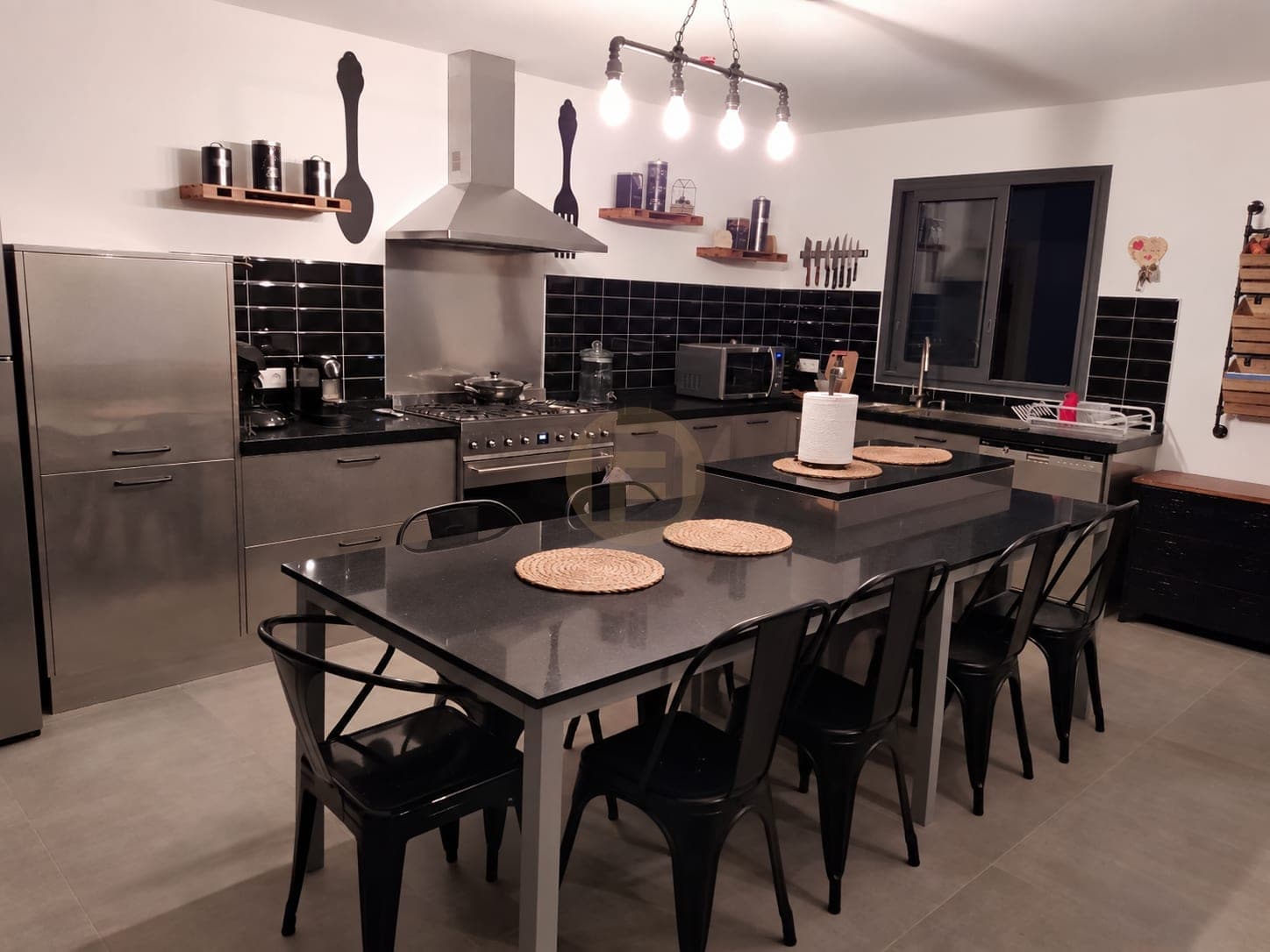
The metal island and glass cabinetry home shows a metallic-tone island facing full-height glass-front upper cabinets. Put the island and glass cabinet faces on separate lines in a new quotation. Ask for confirmation of any open worksheet line before paying the balance.
Checklist before approving the order
- Match product descriptions, values and crate numbers across the commercial invoice and packing list.
- Retain the transport document, insurance basis, named handover point and local receiving instructions.
- Ask the broker to sign off the classification, origin evidence, customs value and tax basis.
- Check applicable conformity and wood packaging requirements before booking.
- Assign inspection, storage, unloading, carrying and fitting costs.
- Reconcile the final broker and freight invoices to the estimate by charge, currency and date.